Facebook
 X
X
 Pinterest
 Copy Link
South Florida Boaters – Is Your Marina Hurricane-Approved?

🌪️🚤 Is Your Marina Hurricane-Approved with Your Insurance?? 🛥️🌴
🚨 South Florida Boaters — This One’s for You! 🚨
As your trusted real estate advisor, I want to make sure you stay prepared through the end of hurricane season — especially if you secure your boat at a local marina.
🌀 Step One: Is Your Marina Hurricane-Approved?
Not all marinas are created equal. A hurricane “approved” marina is one that’s located in a protected zone (like the Miami River) or has reinforced infrastructure and hurricane-rated storage — think dry stack storage built to withstand Category 4–5 winds. “Hurricane-approved” isn’t a standardized certification. Contact your insurance provider to find out if your policy covers your vessel in that specific marina, each policy is specific to the vessel coverage and marina location.
📄 How This Impacts Boat Owners’ Insurance
Your marina choice can directly affect your coverage and claims:
• Policy Validity During Named Storms. Some insurers require boats to be stored in hurricane-approved facilities to maintain full coverage during a storm. If your boat is left in an unprotected area, your claim could be denied.
• Premiums and Deductibles. Storing in a certified marina may reduce premiums or deductibles, as it lowers the insurer’s risk exposure.
• Haul-Out Reimbursement. Certain policies reimburse haul-out costs if the marina follows a formal hurricane prep protocol.
• Proof of Compliance. Insurers may ask for documentation showing your boat was stored according to policy guidelines—especially if damage occurs.
📞 Call your marina NOW and ask:
-
Are you hurricane-rated or located in a designated hurricane safe zone?
-
What’s your official hurricane preparation protocol for boat owners?
-
Do you offer haul-out services before a storm?
-
Do you guarantee space if a storm is forecasted?
-
Is my insurance valid if the marina isn’t hurricane rated?
⚓ If your marina is not hurricane-certified, ask what their plan is when a storm is approaching. Some offer temporary haul-outs, trailer storage, or referrals to inland facilities. You may need to coordinate alternate storage or transport well in advance — space fills up FAST.
✅ Pro Tips:
-
📆 Don’t wait — get on a hurricane haul-out list now, not when a storm is named.
-
📝 Review your boat insurance policy to ensure you’re covered for named storms.
-
📍 Store key documents, marina contact info, and your boat’s GPS location in a waterproof container (and in the cloud).
I care about your home and your lifestyle, and that includes your time on the water. Let’s make sure your investment is protected from all angles this season. 🌦️
If you need a list of marinas near your neighborhood that offer strong structural integrity, just shoot me a message — I’m happy to help! 💬
Stay safe, stay prepared!
CONTACT ANNETTE
Let’s start working together!

Annette Dammeyer, REALTOR®, ABR®, AHWD®
Coldwell Banker Realty
901 E Las Olas Blvd STE 101, Fort Lauderdale, FL 33301
808.747.3686
SL 3535792
10 Meaningful Ways to Honor Fallen Veterans on Memorial Day

10 Meaningful Ways to Honor Fallen Veterans on Memorial Day 2025
Memorial Day 2025, observed on Monday, May 26, is more than the unofficial start of summer—it’s a sacred day to remember and honor the brave men and women who gave their lives in service to the United States. As we gather with family and friends, it’s important to take time to reflect on the sacrifices made for our freedom.
Whether you’re planning a quiet moment of remembrance or a community event, here are 10 meaningful ways you can honor fallen veterans this Memorial Day.
1. Attend a Local Memorial Day Ceremony
Check your local community calendar for Memorial Day parades, ceremonies, or dedications. These events often feature speeches from veterans, wreath-laying, and moments of silence that foster a sense of collective gratitude.
2. Visit a Veterans’ Cemetery
Take a moment to walk through a nearby veterans’ cemetery. Placing flowers or flags on graves is a respectful way to honor the fallen and reflect on their service. Many national cemeteries welcome volunteers for this purpose during Memorial Day weekend.
3. Pause for the National Moment of Remembrance
At 3:00 p.m. local time on Memorial Day, Americans are encouraged to pause in silence to remember those who died in military service. Set a reminder and take a minute to reflect, no matter where you are.
4. Display the American Flag Properly
Fly the U.S. flag at half-staff until noon, then raise it to full-staff until sunset. This tradition honors those who died while showing resilience and commitment to our country’s future.
5. Support Gold Star Families
Gold Star Families are those who have lost a loved one in military service. Reach out with a kind gesture—a card, flowers, or simply listening. Many organizations also accept donations to help these families year-round.
6. Donate to Veterans’ Organizations
Give back by donating to nonprofits that support veterans and their families. Organizations like the Wounded Warrior Project, TAPS (Tragedy Assistance Program for Survivors), and Fisher House Foundation provide vital services and support.
7. Share Their Stories
Use social media to share stories of fallen soldiers, whether from your own family or community. Use hashtags like #MemorialDay2025, #HonorTheFallen, or #RememberAndHonor to contribute to a collective tribute.
8. Create a Memorial Day Tribute at Home
Decorate your home or front yard with flags, wreaths, or a red, white, and blue display. A chalk mural or handmade sign can serve as a simple but powerful tribute.
9. Watch a Memorial Day Documentary or Movie
Spend the evening watching a film or documentary that honors military service and sacrifice. Options like Saving Private Ryan, The Vietnam War (PBS), or Band of Brothers provide historical context and emotional depth.
10. Educate the Next Generation
Teach your children or younger family members about the true meaning of Memorial Day. Share family stories, read books about military heroes, or visit a museum dedicated to U.S. military history.
Why Honoring Memorial Day Matters
Memorial Day is a poignant reminder that freedom comes at a cost. By actively participating in ways to honor fallen veterans, we show respect, preserve history, and pass on a legacy of gratitude to future generations.
This Memorial Day 2025, let’s each do our part to ensure that the sacrifices of our heroes are never forgotten.
CONTACT ANNETTE
Let’s start working together!
Annette Dammeyer, REALTOR®, ABR®, AHWD®
Coldwell Banker Realty
901 E Las Olas Blvd STE 101, Fort Lauderdale, FL 33301
808.747.3686
SL 3535792
Florida Homebuyers: What You Need to Know About Closing Costs Before You Buy

Breaking Down Closing Costs: What Buyers in Southeast Florida Need to Know
Buying a home in Southeast Florida is an exciting journey, but the financial side—especially closing costs—can catch some buyers off guard. Understanding all possible and hidden fees ensures that you’re fully prepared when it’s time to sign the dotted line.
What Are Closing Costs?
Closing costs are the expenses and fees paid at the final stage of the home-buying process—usually ranging from 2% to 5% of the home’s purchase price. While buyers focus on securing a mortgage, it’s crucial to budget for these additional costs to avoid surprises.
Standard Closing Costs for Buyers
1. Loan-Related Fees
- Loan Origination Fee: Lenders charge this fee (typically 0.5%–1% of the loan amount) for processing and underwriting the mortgage.
- Discount Points: Buyers can pay points upfront to lower their interest rate over time.
- Application Fee: Some lenders charge an application fee to cover administrative costs.
2. Property-Related Fees
- Appraisal Fee: Before approving a loan, lenders require an appraisal, usually costing $300–$600.
- Home Inspection Fee: While not mandatory, inspections are essential and can cost $300–$500.
- Survey Fee: In Southeast Florida, certain properties may require a land survey, ranging from $350–$700.
3. Title and Legal Fees
- Title Search and Title Insurance: Protecting against ownership disputes, title search fees range from $200–$400, while title insurance can cost around 0.5% of the home’s price.
- Attorney Fees: While Florida doesn’t mandate attorneys for closings, hiring one for review may cost between $500–$2,000.
- Recording Fees: Florida counties charge a fee (usually around $50–$100) to officially record the deed and mortgage documents.
4. Prepaid Expenses
- Homeowners Insurance: Southeast Florida homes often require comprehensive insurance, paid upfront for the first year ($1,000–$3,000).
- Property Taxes: Buyers often need to prepay property taxes, which vary based on location and home value.
- Escrow Fees: Lenders may require several months’ worth of taxes and insurance payments held in escrow.
5. Buyer’s Agent Commission
As of July 2024, Florida requires buyers to sign a Buyer Broker Agreement before working with a real estate agent. This contract outlines the agent’s responsibilities and how their commission will be paid. Buyers can negotiate this fee with their agent, and in some cases, request that the seller covers it as part of the purchase contract.
How Buyer’s Agent Commissions Work Now
Traditionally, the seller covered the commission for both their agent and the buyer’s agent. However, under the new rules:
- Buyers must negotiate and agree on their agent’s commission upfront.
- The commission may be paid directly by the buyer or negotiated as part of the purchase offer.
- Sellers are no longer required to offer compensation to the buyer’s agent through MLS listings.
Hidden or Unexpected Fees Buyers Should Know
While the costs above are standard, buyers should also prepare for hidden fees that can add up quickly.
- HOA Transfer Fee: If the home is in a community with a homeowners association, expect transfer fees between $200–$500.
- Pest Inspection: In Florida’s humid climate, termite inspections are often required (~$100–$300).
- Flood Zone Determination Fee: Southeast Florida homes may fall within flood-prone areas, requiring an additional assessment fee (~$50–$150).
- Wire Transfer Fees: Sending funds for closing may incur bank fees (~$25–$50 per transaction).
- Courier Fees: If physical document transfers are needed, courier services might charge $30–$100.
How Buyers Can Reduce Closing Costs
- Negotiate with the Seller: In a buyer’s market, sellers may agree to cover certain fees.
- Shop for Lenders: Different lenders have varying origination and application fees.
- Check for First-Time Buyer Assistance: Florida offers programs that help cover closing costs for eligible buyers.
Understanding and preparing for closing costs is essential to avoid surprises and ensure a smooth homebuying experience in SE Florida. When you know what to expect, you can budget more effectively and move into your new home with confidence.
If you’re planning to buy a home in SE Florida and want expert guidance every step of the way, I’m here to help you navigate the process from start to finish—transparently and stress-free.
CONTACT ANNETTE
Let’s start working together!
Annette Dammeyer, REALTOR®, ABR®, AHWD®
Coldwell Banker Realty
901 E Las Olas Blvd STE 101, Fort Lauderdale, FL 33301
808.747.3686
SL 3535792
Fort Lauderdale April 2025 Area Report
Fort Lauderdale April 2025 real estate statistics have been released.
Fort Lauderdale Area Reports
Single Family Homes
Condominium & Townhouses
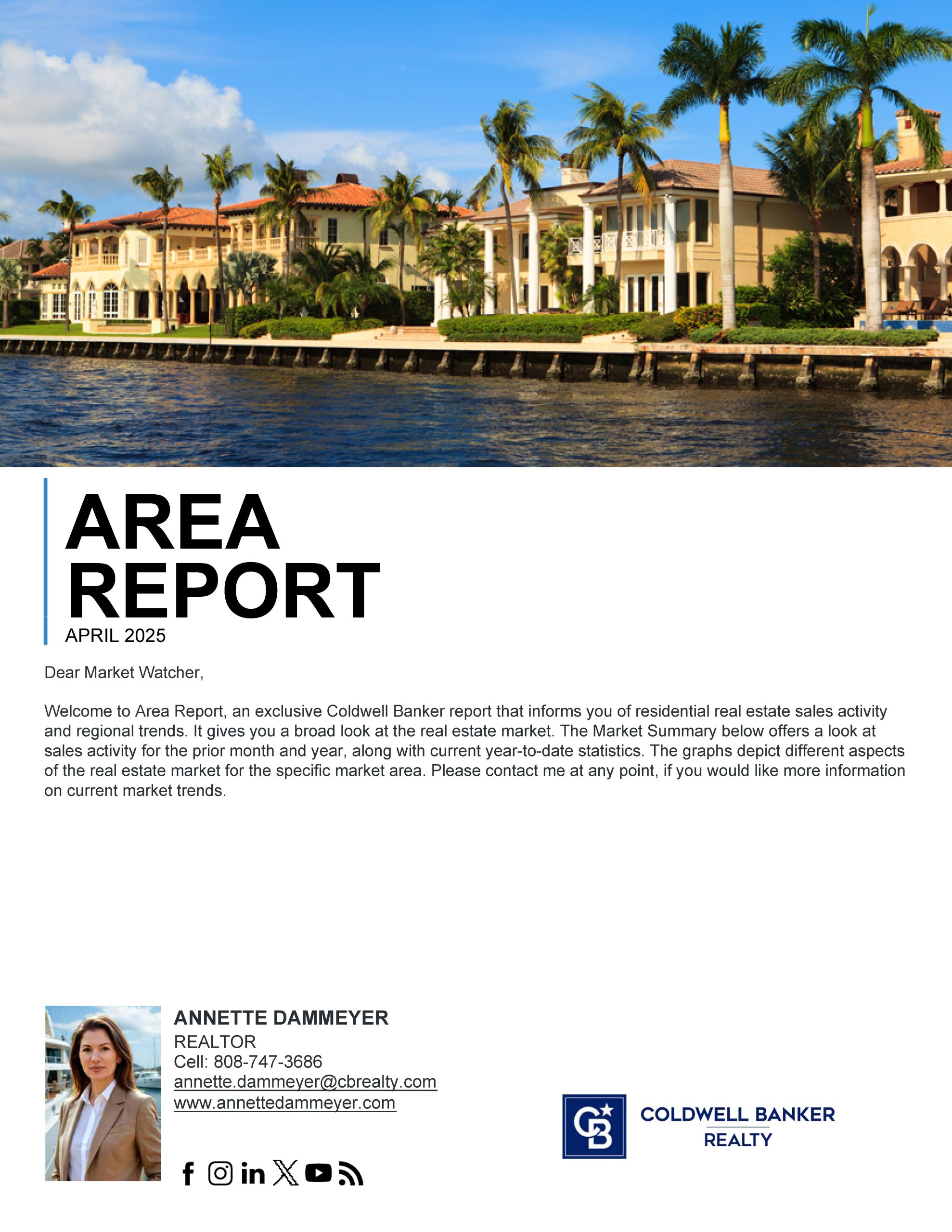
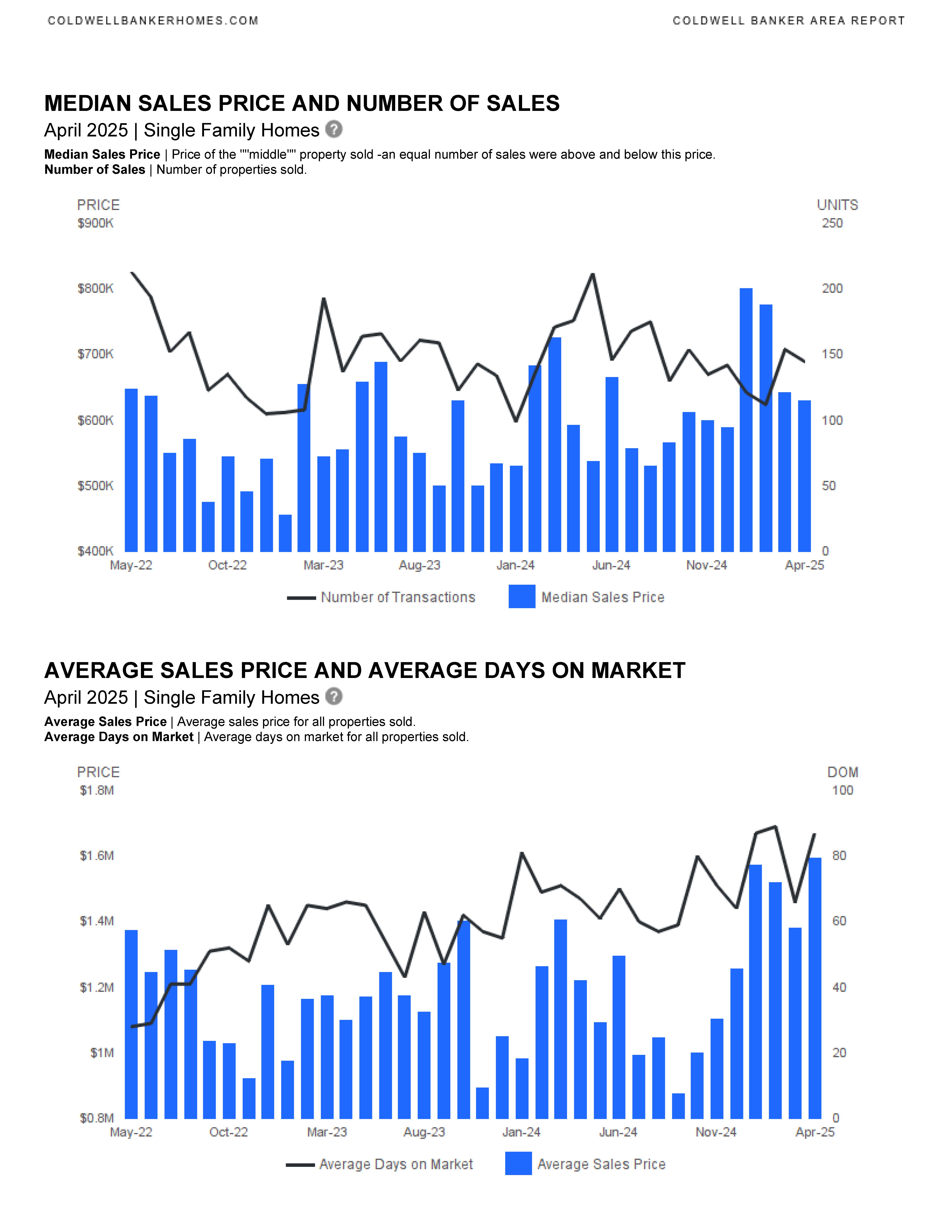
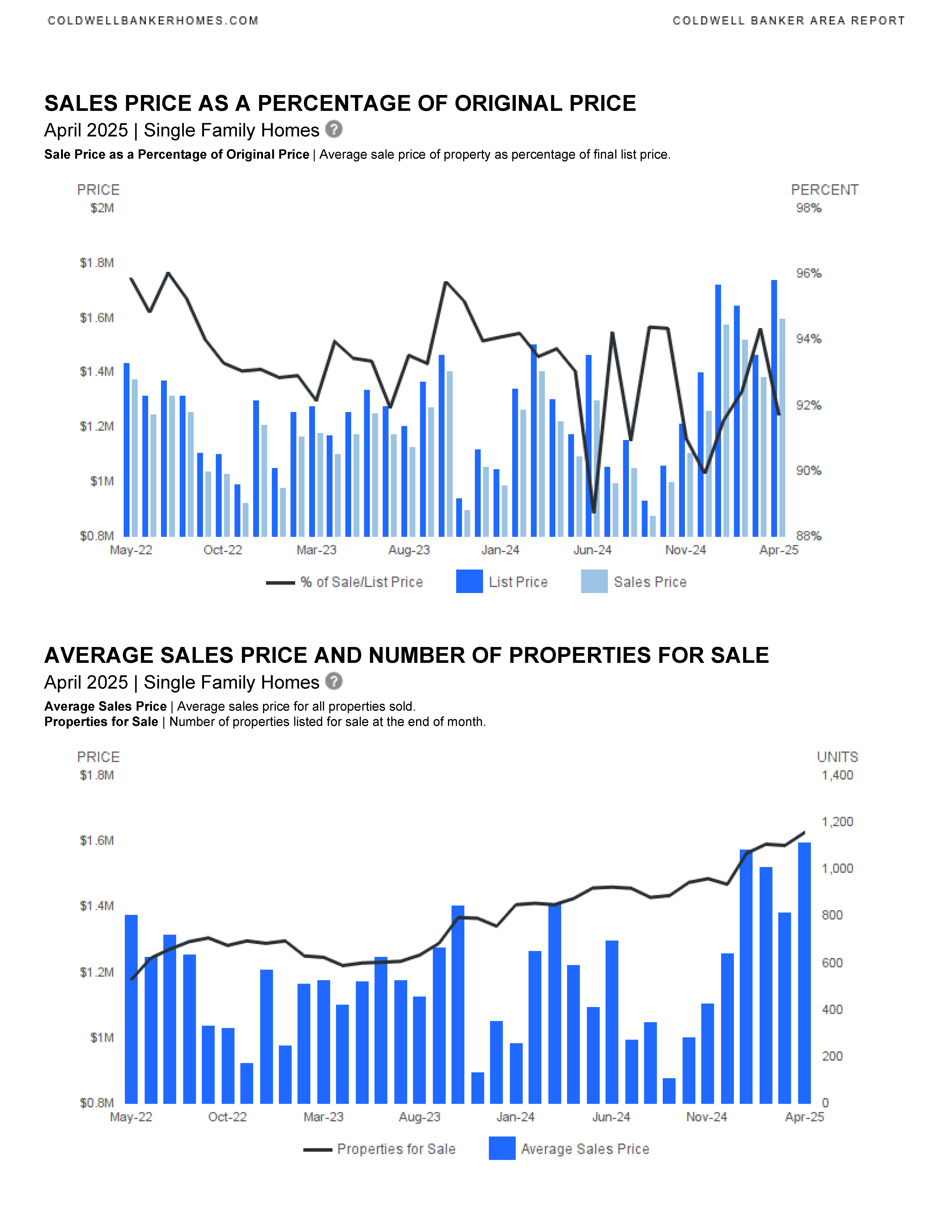
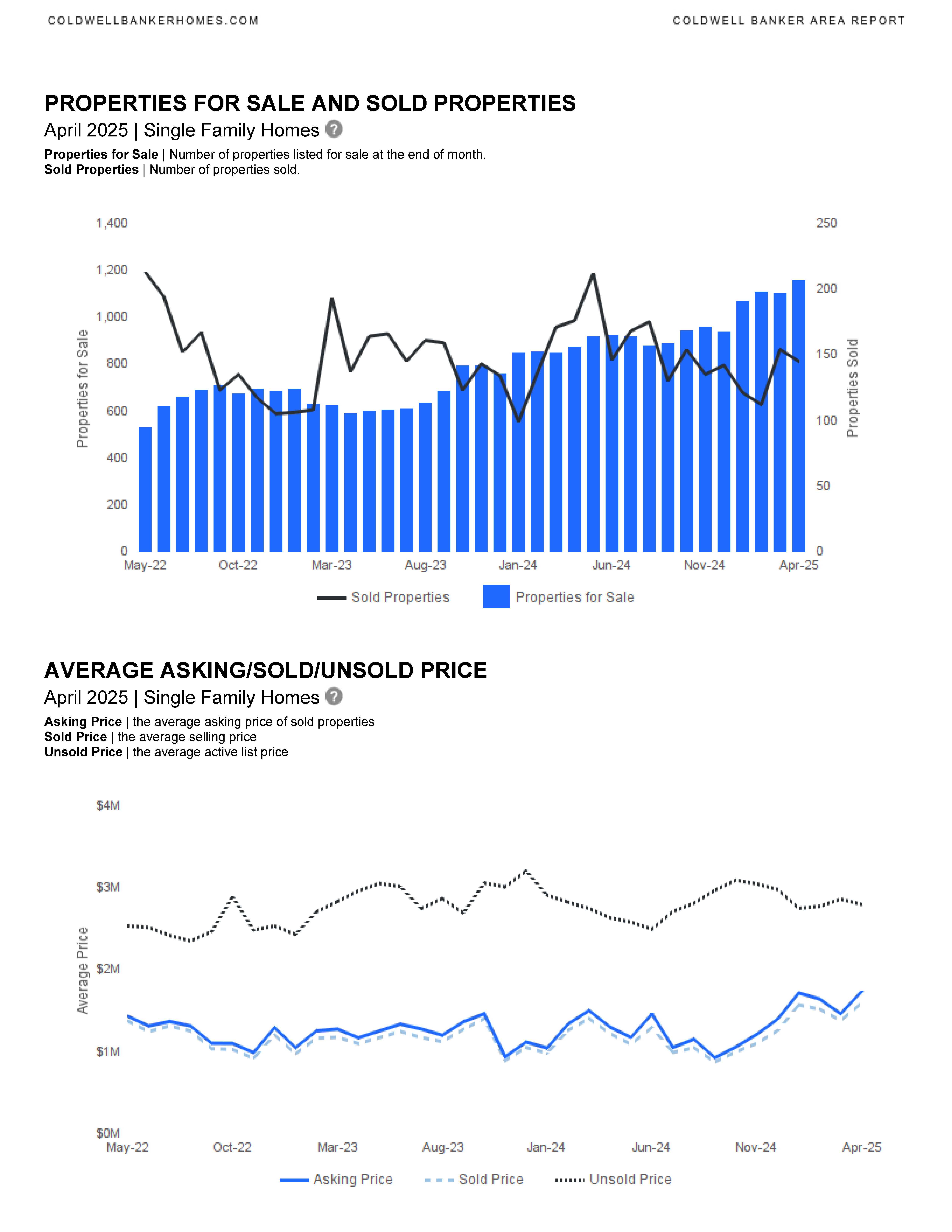
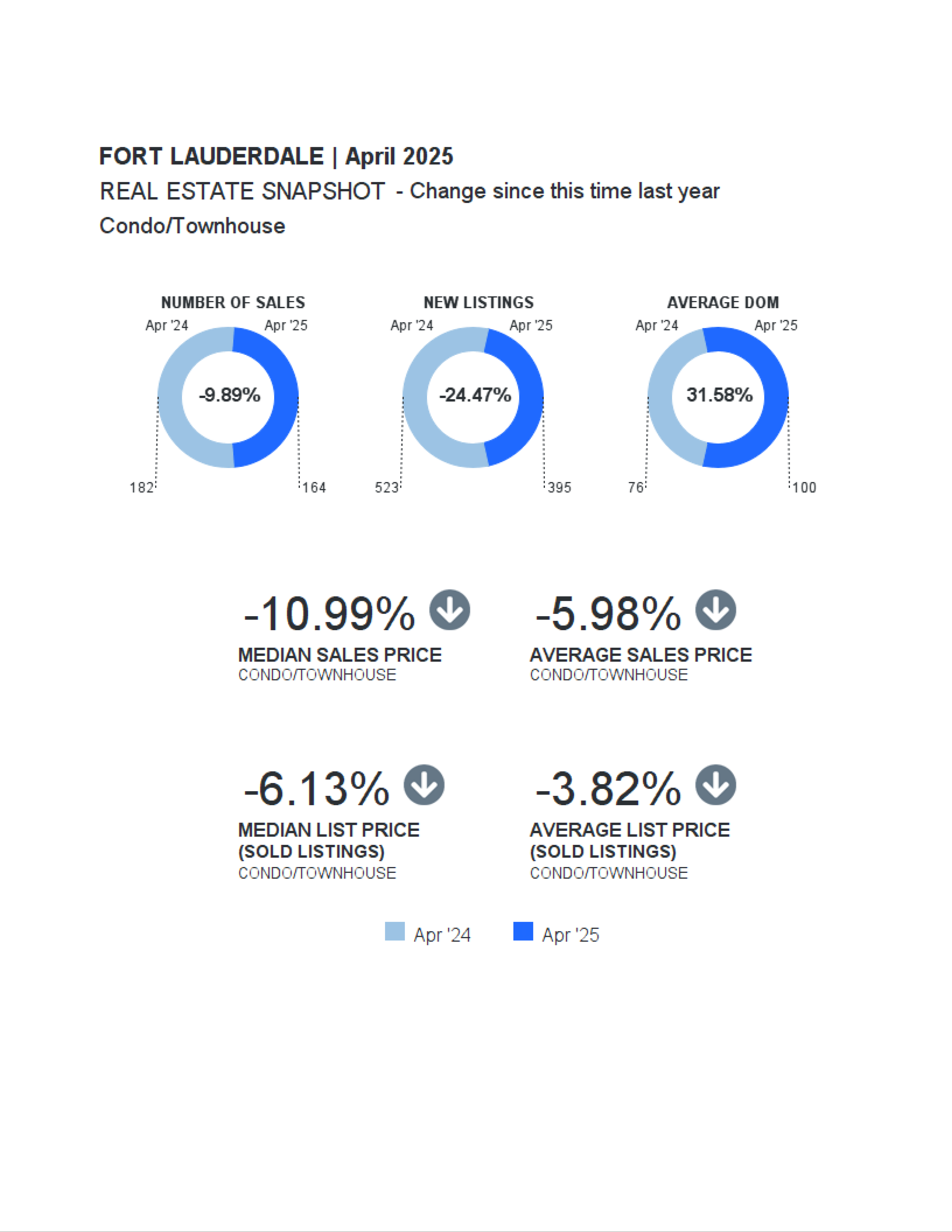
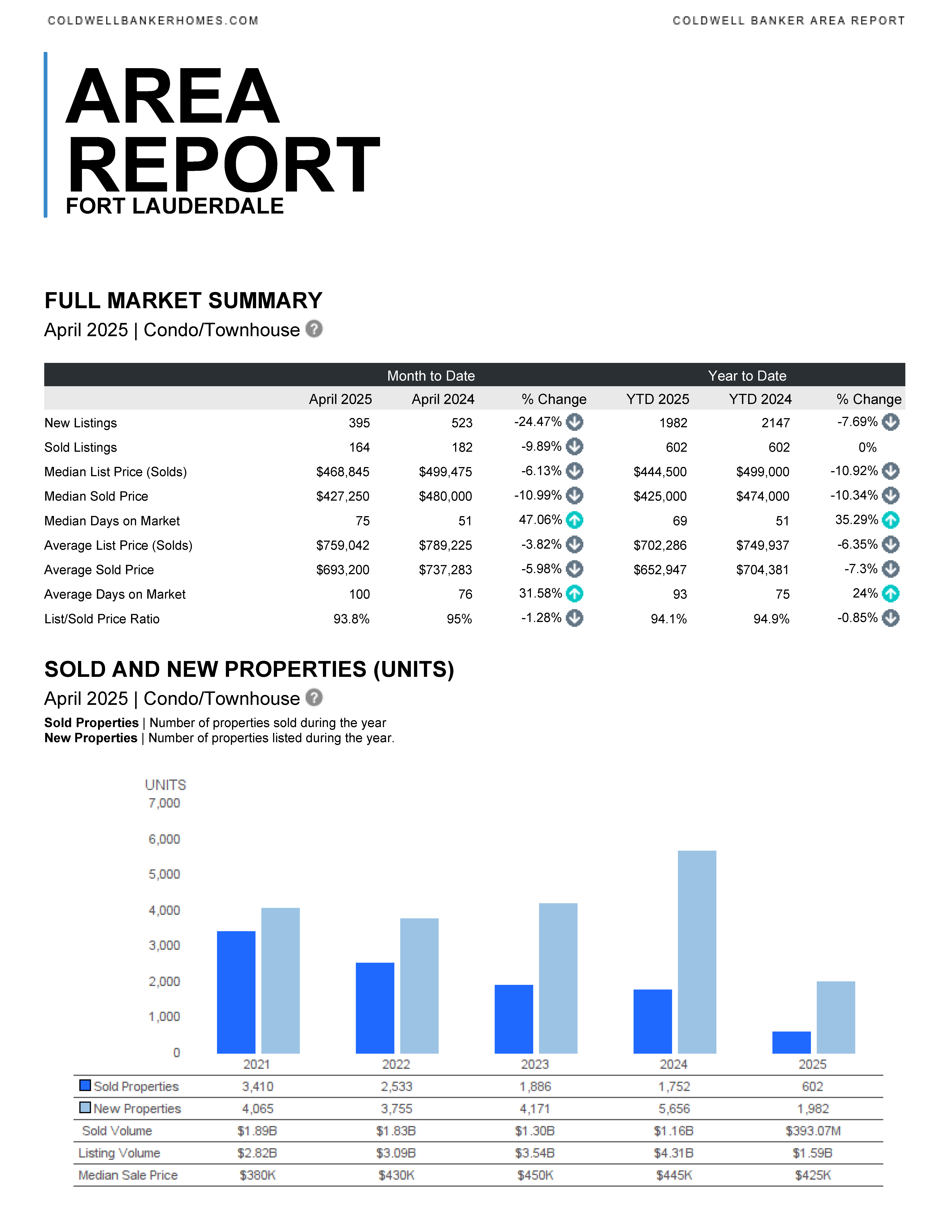
This is the April 2025 Area Report providing a detailed analysis of residential real estate market trends in Fort Lauderdale. It includes data for single-family homes and condos/townhouses, comparing April 2025 to April 2024 and year-to-date statistics.
Key Highlights
Single-Family Homes:
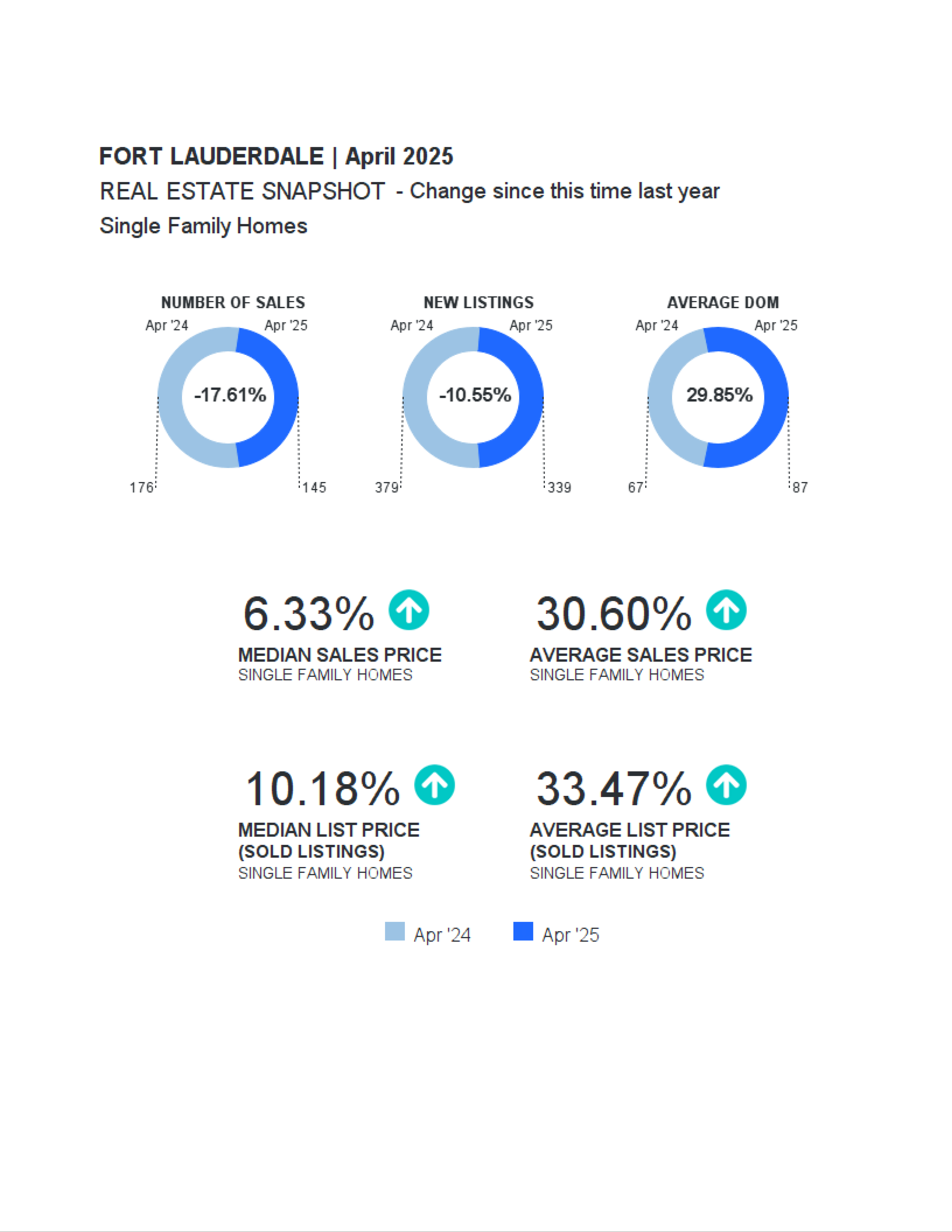
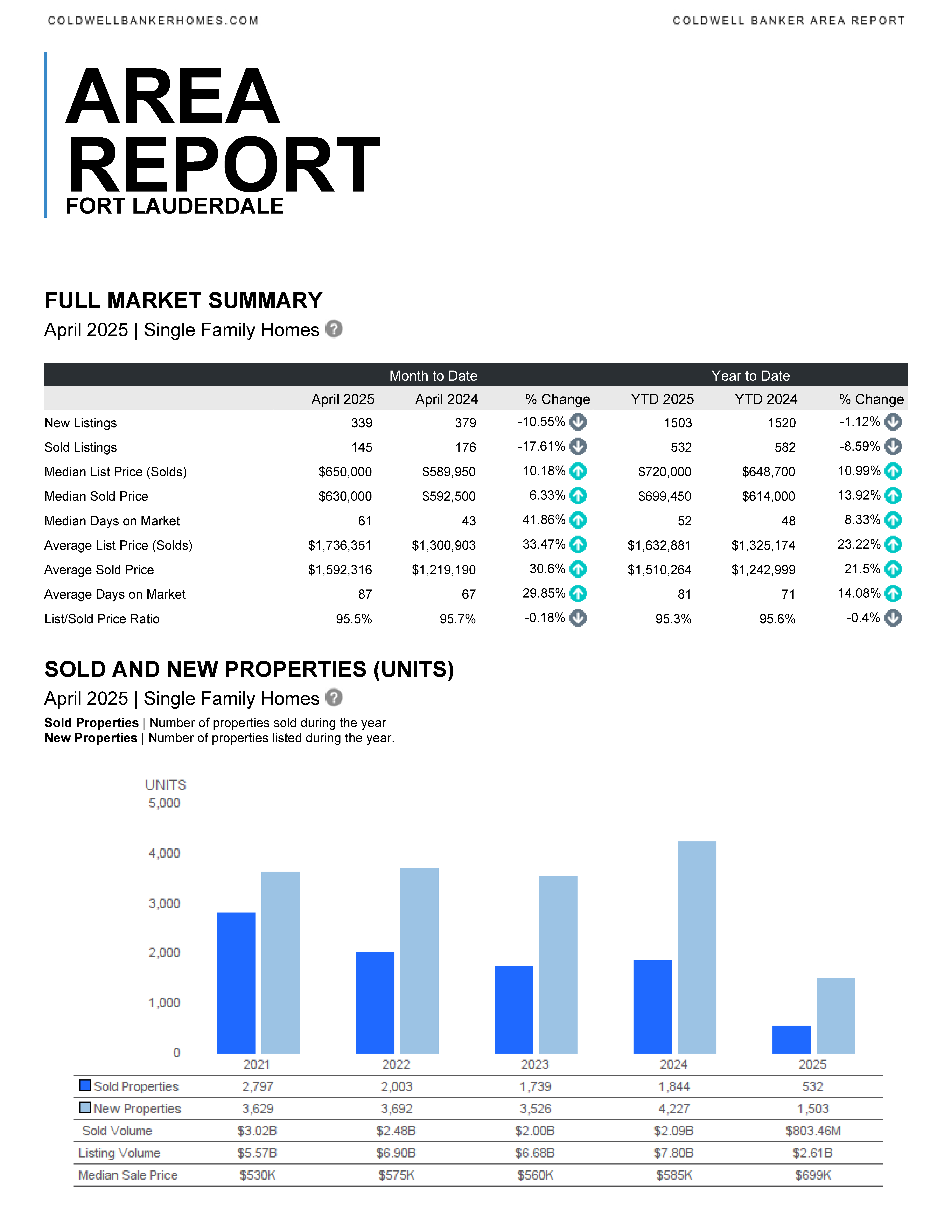
• New Listings: Down 10.55% month-to-date and 1.12% year-to-date.
• Sold Listings: Decreased by 17.61% month-to-date and 8.59% year-to-date.
• Median Sold Price: Increased by 6.33% month-to-date and 13.92% year-to-date.
• Average Sold Price: Up 30.6% month-to-date and 21.5% year-to-date.
• Median Days on Market: Increased by 41.86% month-to-date and 8.33% year-to-date.
• List/Sold Price Ratio: Slight decrease (-0.18% month-to-date, -0.4% year-to-date).
Condos/Townhouses:
• New Listings: Down 24.47% month-to-date and 7.69% year-to-date.
• Sold Listings: Decreased by 9.89% month-to-date but remained flat year-to-date.
• Median Sold Price: Declined by 10.99% month-to-date and 10.34% year-to-date.
• Average Sold Price: Down 5.98% month-to-date and 7.3% year-to-date.
• Median Days on Market: Increased by 47.06% month-to-date and 35.29% year-to-date.
• List/Sold Price Ratio: Slight decrease (-1.28% month-to-date, -0.85% year-to-date).
Commonly asked questions while reviewing the reports:
What is the difference between “Median Sales Price” and “Average Sales Price”?
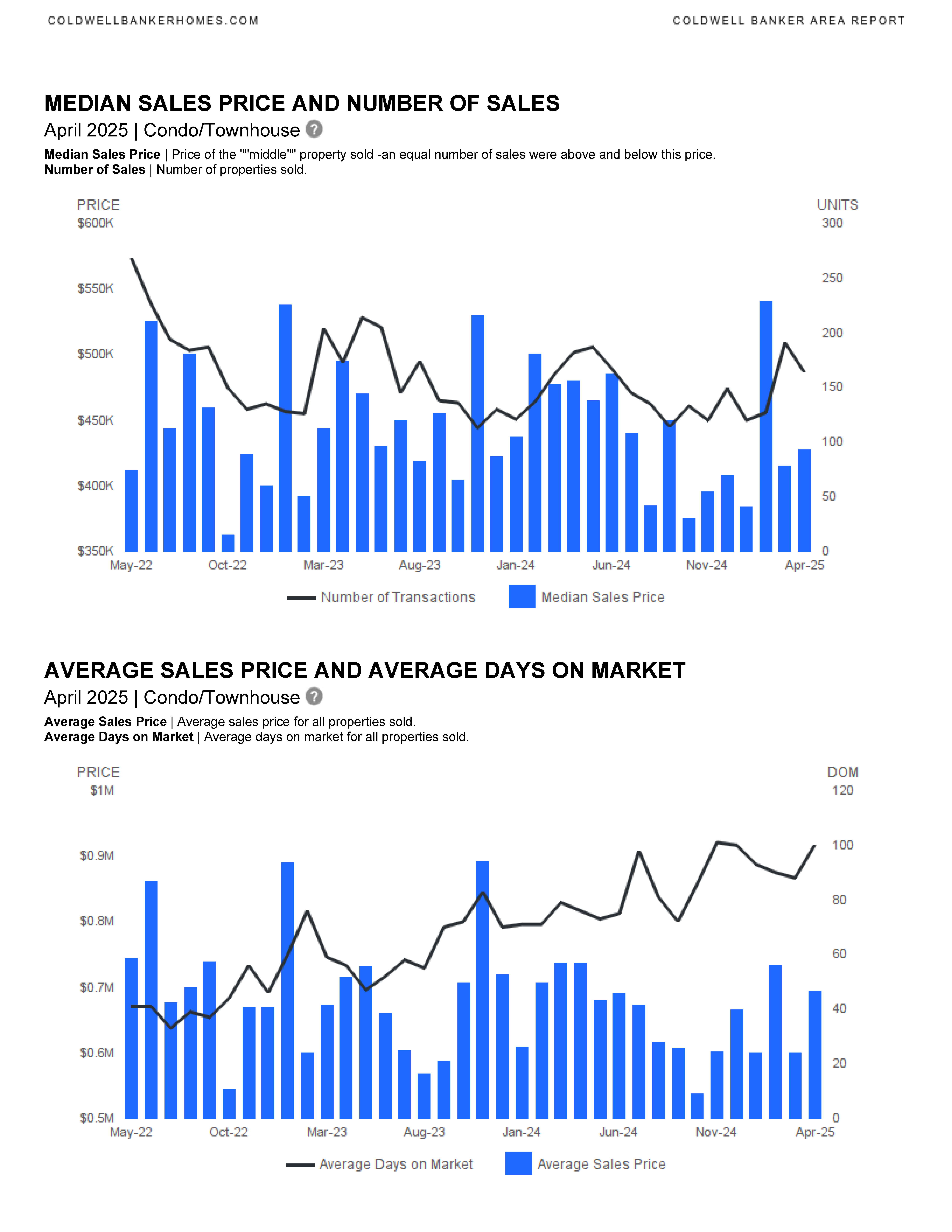
Median Sales Price | Price of the “”middle”” property sold -an equal number of sales were above and below this price.
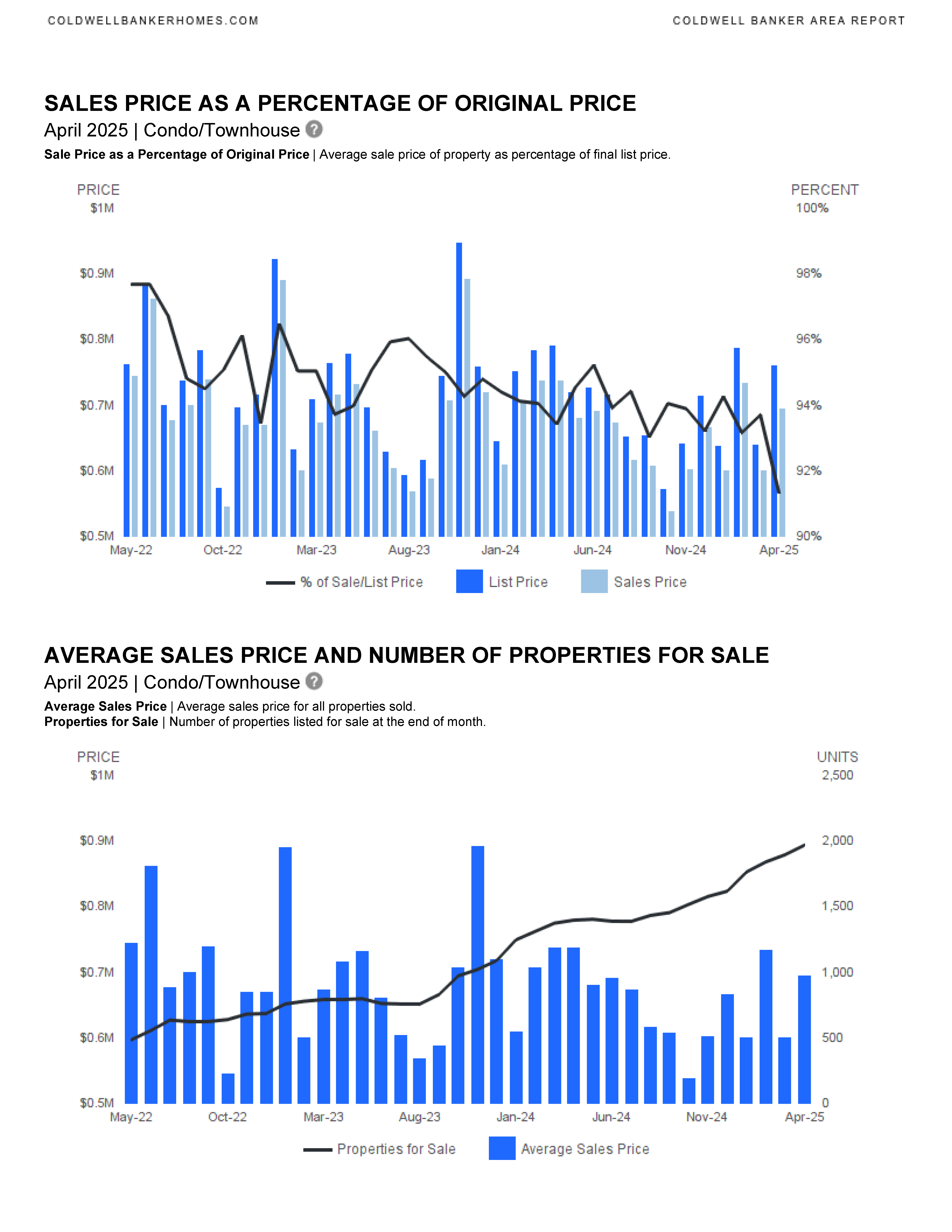
Average Sales Price | Average sales price for all properties sold.
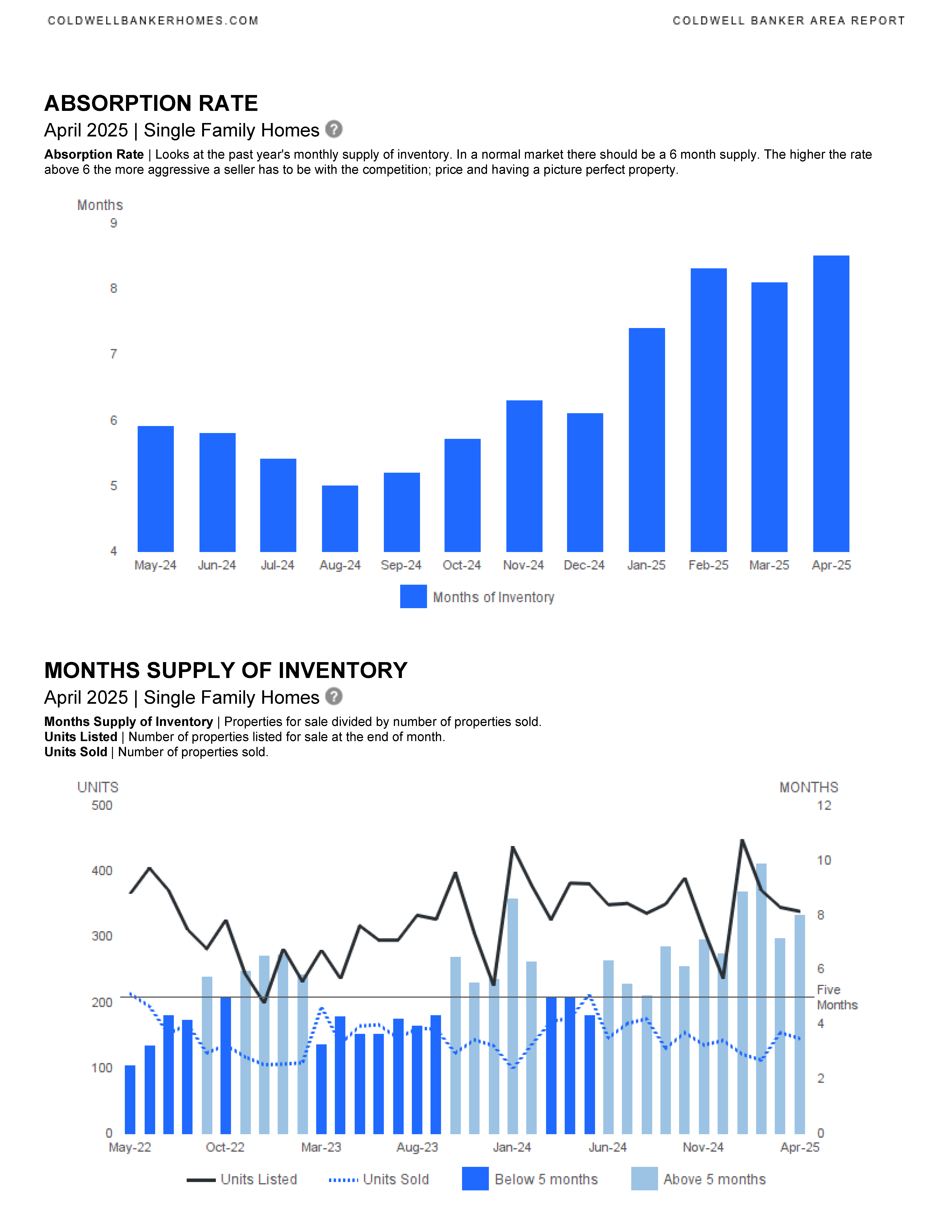
What does “Absorption Rate” mean?
Absorption Rate | Looks at the past year’s monthly supply of inventory. In a normal market there should be a 6 month supply. The higher the rate above 6 the more aggressive a seller has to be with the competition; price and having a picture perfect property.
Single Family Home Area Report listed first, Condo/Townhouses listed second:
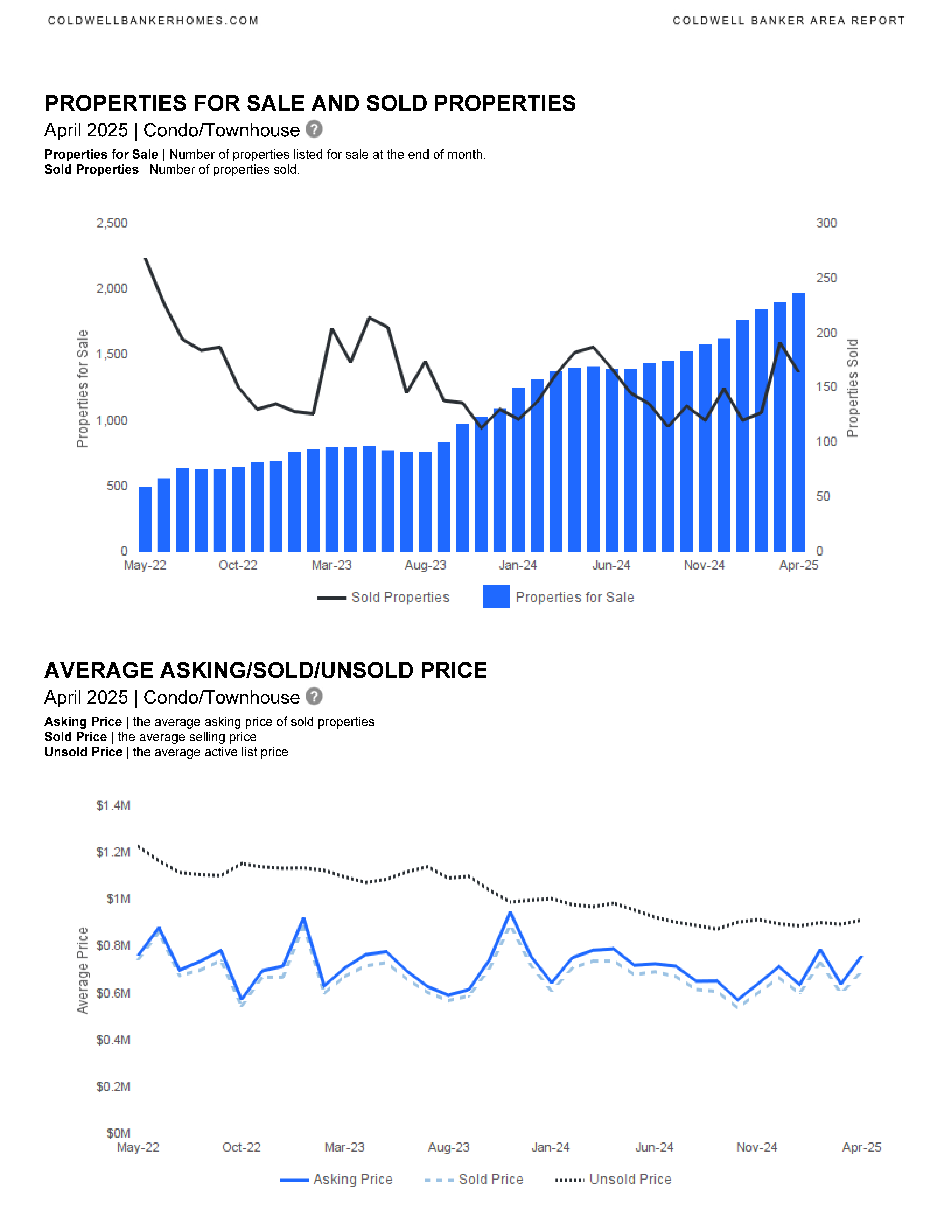
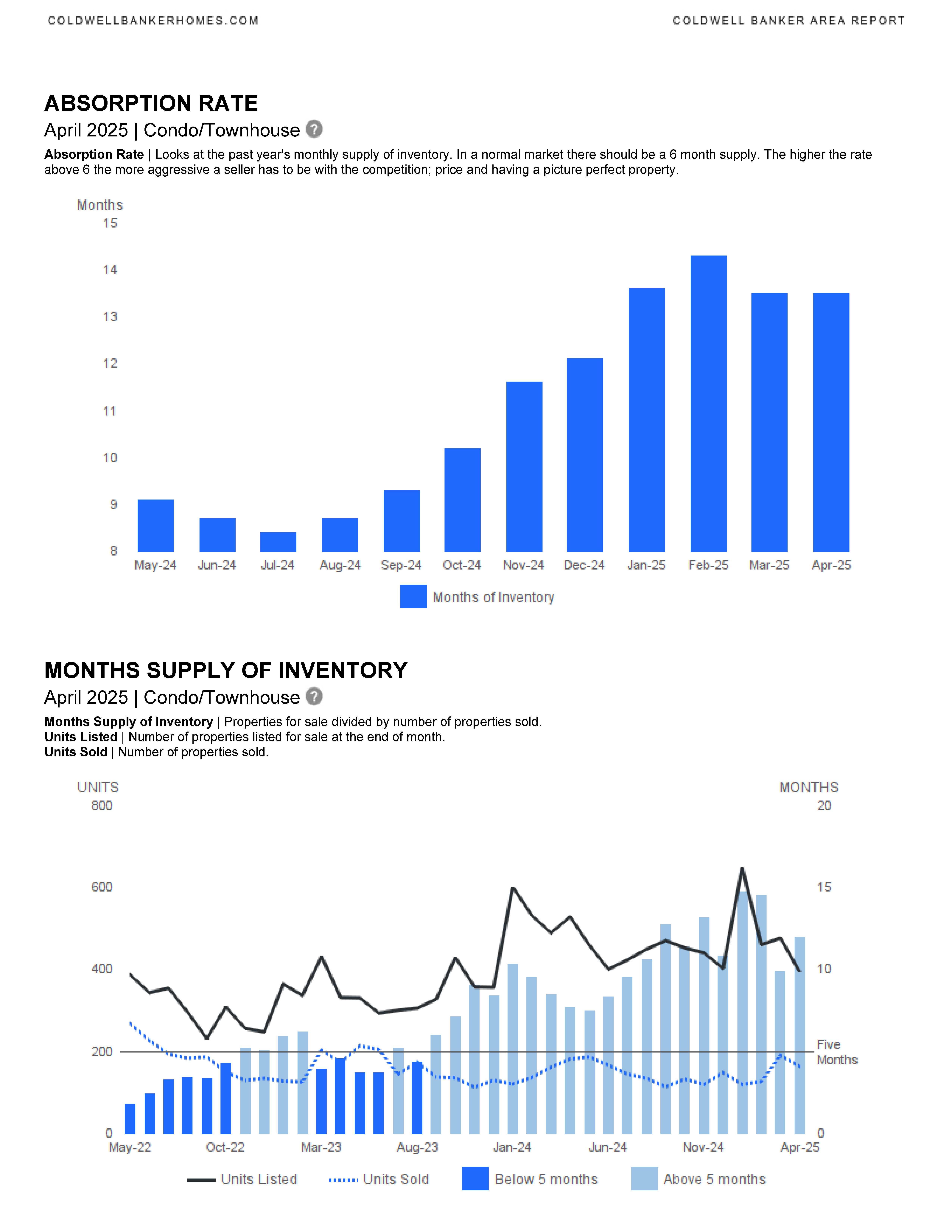

We are entering a new real estate market in SE Florida. This is the time to work with an experienced and knowledgeable real estate professional. Please contact me if you would like to be sent updated market reports for Fort Lauderdale, or another SE Florida city. We can discuss the market, current trends and how we can work together to accomplish your real estate goals. I am here to help.
CONTACT ANNETTE
Let’s start working together!
Annette Dammeyer, REALTOR®, ABR®, AHWD®
Coldwell Banker Realty
901 E Las Olas Blvd STE 101, Fort Lauderdale, FL 33301
808.747.3686
SL 3535792
How to Avoid Going Over Budget in Your Home Renovation
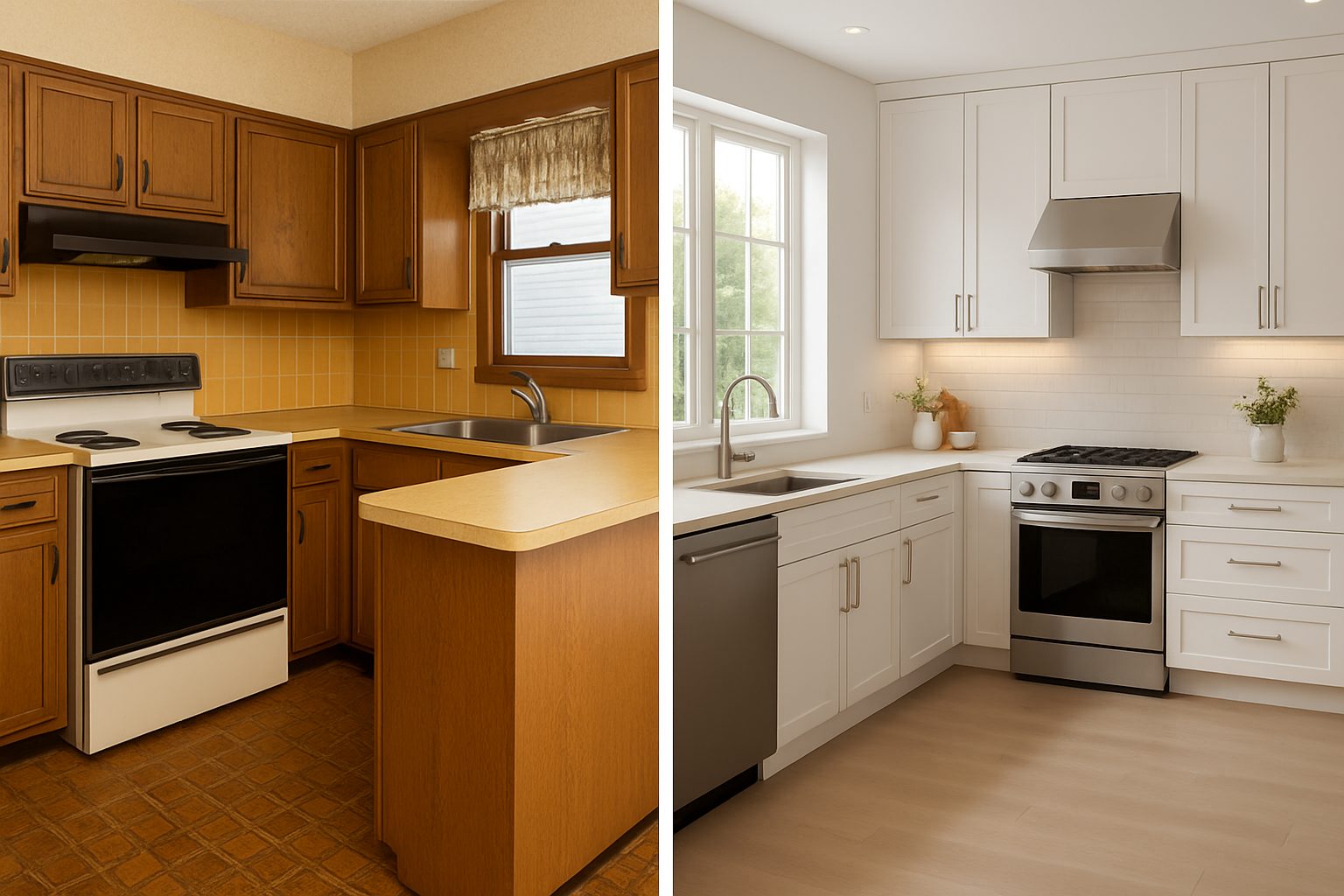
YOUR HOME RENOVATION
You are renovating your home? How exciting! Now is the time to carefully plan, research and create your budget. The high-impact home upgrades can deliver a substantial ROI (Return on Investment) – as long as you carefully manage the cost. ROI is calculated by dividing the net income from an investment by the original cost of the investment.
How to Avoid Going Over Budget in Your Home Renovation
Lessons from Homeowners Who Learned the Hard Way
Renovating a home can be exciting, but it’s easy for costs to spiral out of control if you’re not careful. As a real estate professional, I’ve seen firsthand how simple mistakes can lead to expensive surprises. Here’s how to stay on budget while still achieving the renovation results you want—plus real examples of costly mistakes homeowners have made.
1. Set a Realistic Budget—Then Add a Buffer
Many homeowners set their renovation budget based on best-case scenarios. The reality? Unexpected costs WILL pop up. Whether it’s hidden plumbing issues or delays in material deliveries, adding a 10–20% contingency fund to your budget can save you from financial headaches.
❌ Costly Mistake Example: A homeowner planned to renovate their kitchen for $25,000 but didn’t account for hidden electrical issues behind the walls. After hiring an electrician and bringing everything up to code, they ended up spending an additional $8,000—completely throwing their budget off track.
✅ Smart Move: Get a professional inspection of your home before finalizing your renovation budget. This way, you can anticipate potential structural, electrical, or plumbing surprises.
2. Don’t Over-Customize—Stick to Practical Upgrades
Personalizing your home is great, but going overboard with custom work can drain your budget quickly. Specialty designs, rare materials, and custom-built cabinetry or fixtures can easily cost double what standard options do.
❌ Costly Mistake Example: One homeowner insisted on custom tile work imported from Italy for their bathroom remodel. Between shipping fees, installation costs, and unexpected delays, the final bill exceeded their initial budget by 40%—all for a feature that didn’t significantly increase the home’s value.
✅ Smart Move: Focus on upgrades that balance aesthetics and resale value. Opt for high-quality but readily available materials that give a luxurious look without breaking the bank.
3. Choose the Right Contractor—Not Just the Cheapest
Hiring the lowest-bid contractor might seem like a way to save money, but it can be a costly mistake if the quality of work is poor. Cutting corners on labor can lead to more repairs and reworks down the line.
❌ Costly Mistake Example: A homeowner hired a contractor offering a kitchen remodel at half the price of competitors. Turns out, the contractor failed to get permits, used substandard materials, and left plumbing unsealed—causing leaks and damage weeks later. The homeowner ended up hiring another team to redo everything properly, doubling their initial budget.
✅ Smart Move: Get multiple quotes and check references before hiring a contractor. Look for professionals who are licensed, insured, and experienced in the type of work you need.
4. Avoid Scope Creep—Stick to the Original Plan
Many homeowners start with a simple project, only to get inspired mid-renovation and expand the scope of work. Adding extra features or changing materials mid-way can quickly inflate costs.
❌ Costly Mistake Example: A family planned a minor bathroom refresh but decided last-minute to expand the footprint by knocking down a wall. This required new flooring, plumbing adjustments, and structural reinforcements, turning what was supposed to be a $10,000 update into a $35,000 remodel.
✅ Smart Move: Set clear renovation goals upfront. If you want to make changes mid-project, assess the financial impact before moving forward.
5. Source Materials Wisely—Don’t Rush Purchases
Ordering materials on impulse or relying solely on one supplier can cost more than necessary. Many homeowners fail to shop around for better pricing, bulk deals, or alternative materials.
❌ Costly Mistake Example: A homeowner rushed to order custom countertops just before installation without comparing vendors. Later, they discovered another supplier offering the same quality for 30% less, but it was too late to cancel the original order.
✅ Smart Move: Research multiple suppliers before purchasing materials. Check for discounts, bulk deals, and seasonal promotions. Also, consider remnant sales for countertops, flooring, and other materials.
6. The Pitfalls of DIY Renovations—Know Your Limits
DIY renovations can be rewarding, but they can also lead to unexpected costs and complications if you lack the necessary skills or experience. While painting a room or updating fixtures may be manageable, major renovations require professional expertise.
❌ Costly Mistake Example: A homeowner attempted to install new flooring without professional help, mismeasuring materials and failing to level the subfloor properly. As a result, boards began warping and separating within months, requiring a full replacement—adding thousands to the overall budget.
✅ Smart Move: Be honest about your skill level and know when to hire a pro. Electrical work, plumbing updates, and structural changes should always be handled by licensed professionals to avoid safety risks and future repairs.
Home renovations don’t have to drain your savings. The key is to plan ahead, expect the unexpected, and make informed decisions along the way. By learning from common budgeting mistakes, you can ensure your renovation stays on track—without financial regrets.
If you are renovating in preparation to sell, I can introduce you to another way to control your upfront cost through RealVitalize®, our program that provides home sellers with home improvement resources during the listing period, with no upfront costs or interest fees. Reach out today, I am here to help.
CONTACT ANNETTE
Let’s start working together!
Annette Dammeyer, REALTOR®, ABR®, AHWD®
Coldwell Banker Realty
901 E Las Olas Blvd STE 101, Fort Lauderdale, FL 33301
808.747.3686
SL 3535792