
 Facebook
 X
X
 Pinterest
 Copy Link
March 2026 ~ Flood Guide, Indoor Plants, Small Spaces & Market Insights

March 2026 Newsletter
Welcome to Your March 2026 Real Estate & Lifestyle Update!
Hello Friends and Neighbors,
As we welcome March, I’m excited to share another month of insights, inspiration, and helpful resources to support you in creating a safer, more comfortable, and more beautiful home here in Broward County. Our community continues to show incredible resilience and creativity, and this month’s topics are all about empowering you with practical knowledge and fresh ideas.
In this issue, we’re diving into flooding preparedness with an expanded guide tailored specifically to Broward County. I’ve included key information on understanding local flood zones, recognizing different types of water damage, and navigating flood insurance options—all essential tools for protecting your home and staying ahead of South Florida’s unpredictable weather.
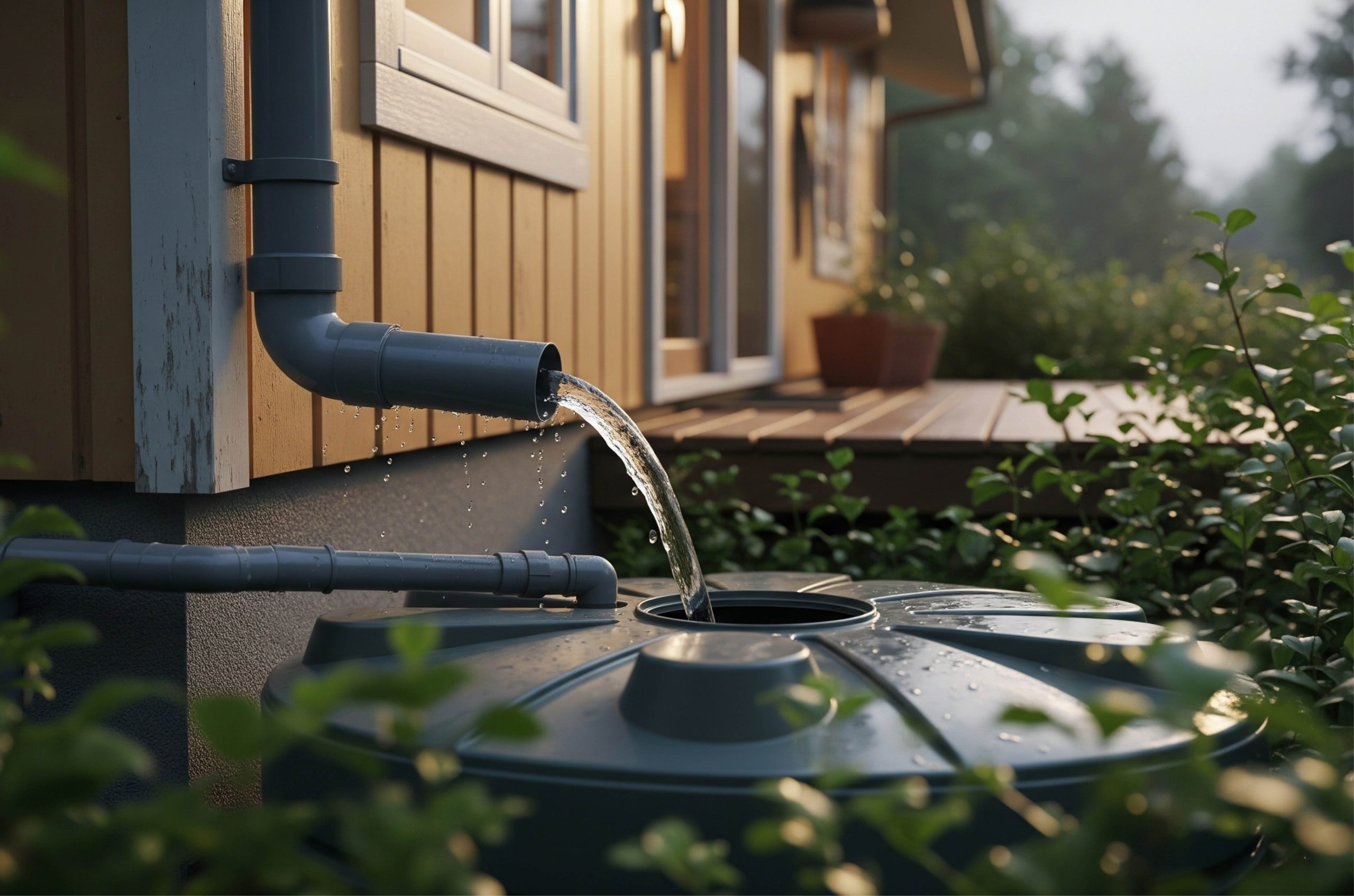
We’re also brightening things up indoors with a roundup of the best low‑maintenance indoor plants that thrive in South Florida homes. For those thinking more sustainably, you’ll find an introduction to urban rainwater harvesting, a smart, eco‑friendly way to manage stormwater and support your garden. And if you’re working with a smaller home or condo, you’ll enjoy my section on designing for small spaces, filled with ideas to help you make the most of every square foot.
As always, I’ve also included local market area real estate reports to keep you informed on the latest trends, shifts, and opportunities happening right in your neighborhood. Staying updated helps you make confident decisions—whether you’re thinking of buying, selling, investing, or simply keeping a pulse on your community.
Wishing you a bright, inspired, and connected March!
National Stories
|
|||||||||||
|
|
|||||||||||
Real Estate Updates | Area Reports | January 2026
|
|||||||||||



CONTACT ANNETTE
Let’s start working together!

Annette Dammeyer, REALTOR®, ABR®, AHWD®
Coldwell Banker Realty
901 E Las Olas Blvd STE 101, Fort Lauderdale, FL 33301
808.747.3686
SL 3535792

Homeowner Flood Guide: Broward County
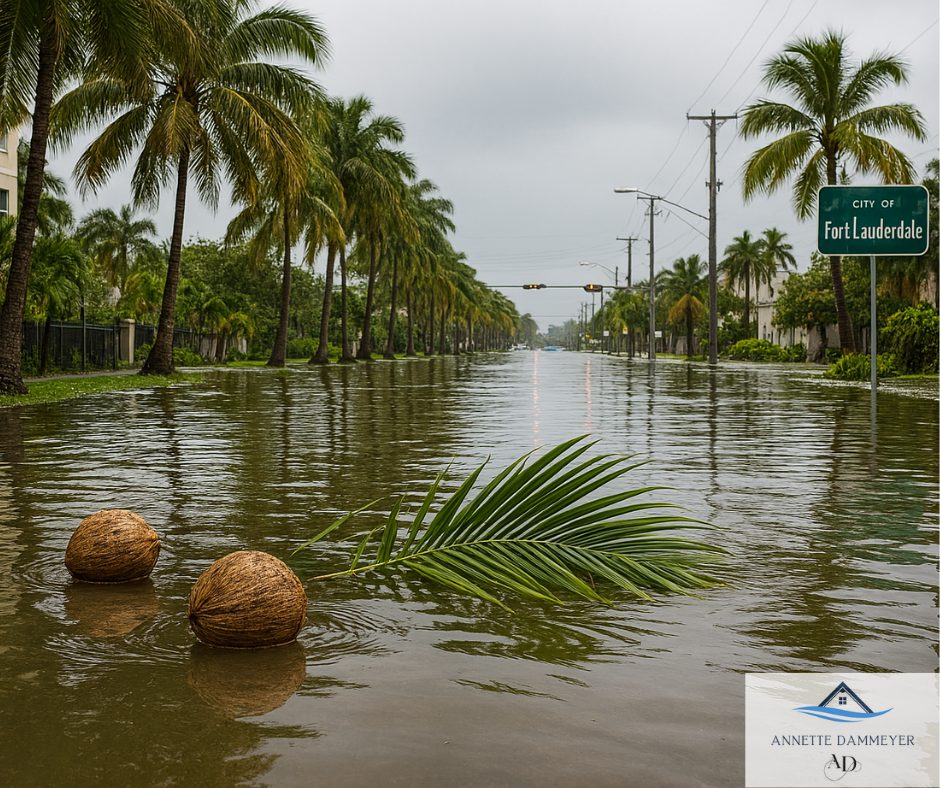
Understanding Flooding in Southeast Florida: What Fort Lauderdale and Surrounding Homeowners Need to Know (2026 Guide)
Flooding has always been part of life in Southeast Florida—but recent climate shifts, updated FEMA flood maps, and major changes to flood insurance are now reshaping what it means to own a home here. Whether you’re a long‑time local or a recent transplant to Fort Lauderdale, understanding your flood risk and insurance options is essential for protecting your home and financial security.
This guide brings together the latest information on flooding concerns, insurance changes, FEMA map updates, and how to find your flood zone, along with links to official tools and local contacts.
1. Why Flooding Is Getting Worse in Southeast Florida
Compound Flooding Is Now the New Normal
A groundbreaking Broward County study revealed that flooding in our region is no longer caused by rainfall alone. Today, rainfall, rising seas, king tides, and even groundwater rising from below combine to create compound flooding—leading to more widespread and frequent water intrusion in neighborhoods that previously stayed dry.
Many drainage canals—some more than 80 years old—can no longer drain effectively during high tides, causing backups inland and making even light rainstorms more disruptive.
Aging Infrastructure Is Falling Behind
South Florida’s flood control system was designed decades ago to manage 7–12 inches of rain in 24 hours—conditions that no longer reflect today’s climate realities. Annual flood risk in vulnerable areas has increased from under 4% to over 20%, meaning homeowners face significantly higher odds of experiencing flooding each year.
2. How Flooding Affects Fort Lauderdale Homeowners
Flooding impacts more than just the structure—it affects your home’s value, insurance costs, and long‑term financial stability.
Common Types of Damage
- Foundation cracking and settlement
- Electrical and HVAC system failure
- Mold growth from prolonged moisture
- Damage to pools, landscaping, and seawalls
- Repeated standing water affecting driveways and garages
Even neighborhoods on “high ground” have reported rising groundwater flooding, especially after large storms.
3. Flood Insurance in 2026: What’s Changed
Risk Rating 2.0: FEMA’s New Pricing Model
Flood insurance pricing is no longer dictated solely by flood zones. Under Risk Rating 2.0, premiums now reflect a property’s individual flood risk based on:
- Distance to water
- First‑floor elevation
- Flood frequency and severity
- Cost to rebuild
While some homeowners have seen premiums decrease, others—particularly in coastal or high-value areas—are experiencing annual increases of up to 18% (the legal cap).
NFIP (National Flood Insurance Program) Highlights for Florida
- Roughly two-thirds of older pre‑FIRM (Flood Insurance Rate Maps) homes see some premium decrease.
- Higher‑value homes or homes near tidal waters tend to see increases.
Growing Popularity of Private Flood Insurance
Private insurers can sometimes offer:
- Higher coverage limits
- Additional living expense coverage
- More flexible pricing
For many Fort Lauderdale homes—especially condos and waterfront properties—private flood insurance is now worth comparing.
3A. Understanding Flood Insurance: “Seeping” vs. Water Damage
Flood insurance can feel confusing, especially when terms like “water damage,” “seepage,” “intrusion,” or “flood loss” are used interchangeably. Here’s a clear, homeowner‑friendly explanation of how these concepts usually play out in policies:
What Flood Insurance Typically Covers
Flood insurance—whether through the National Flood Insurance Program (NFIP) or a private insurer—is designed primarily to protect you from sudden, temporary, external flooding events, such as:
- Water rising from outside the home
- Street or neighborhood flooding after heavy rainfall
- Canal, lake, or Intracoastal overflow
- King tides and storm surge pushing water inland
In short: flood insurance focuses on unexpected flooding caused by natural events, not long‑term maintenance issues.
What “Seepage” Usually Means
“Seepage” (also called gradual intrusion or slow water penetration) refers to moisture that enters over time—for example:
- Water wicking through foundation cracks
- Dampness around windows/doors due to aging seals
- Groundwater slowly migrating into slabs, garages, or crawlspaces
- Humidity/condensation‑related moisture
Most policies treat slow seepage as a maintenance issue, which is generally not covered—either by standard homeowners insurance or by flood insurance.
Flood Damage vs. Seepage: The Key Difference
- ✔️ Flood damage (often covered): A sudden event with a definable cause (e.g., a storm, surge, or rapid accumulation) that affects the area around you—not just your home.
- ❌ Seepage (often excluded): A gradual process linked to property condition or site drainage, not a single, sudden weather event.
Why This Matters in Southeast Florida
Because our region features high groundwater and porous limestone, homes may experience both sudden flooding and slow moisture intrusion. Knowing the difference helps you:
- Ask the right questions when buying or renewing coverage
- Avoid claim surprises tied to “gradual damage” exclusions
- Target maintenance (grading, sealing, drainage) that reduces moisture risks
Practical Steps to Reduce Seepage Risks
- Reseal windows/doors and repair stucco or slab cracks
- Maintain gutters and extend downspouts away from the foundation
- Regrade soil to slope away from the house
- Consider French drains, sump pumps, vapor barriers, or waterproof membranes
Pro tip: Document your maintenance (photos/receipts). Good records can support your claim when a sudden flood event does occur.
(Note: Policy terms vary. Always review your declarations and endorsements with a licensed agent for specifics.)
4. FEMA Flood Map Updates: Broward County & Fort Lauderdale
New FEMA Maps Effective July 31, 2024
Broward County residents are now subject to updated Flood Insurance Rate Maps (FIRMs), which expanded the Special Flood Hazard Areas (SFHAs) and adjusted many Base Flood Elevations (BFEs).
In Hollywood alone, over 11,000 properties were newly placed into high‑risk zones, requiring flood insurance for federally backed mortgages and mandating higher construction elevations.
What This Means for You
If your home’s zone changed, you may now:
- Be required to carry flood insurance
- Face higher premiums
- Need elevation documentation for remodeling or rebuilding
Checking your updated zone is crucial (see links below).
5. How to Find Your Flood Zone (Step‑By‑Step)
Below are the official, most accurate tools available to Broward County and Fort Lauderdale homeowners.
A. Fort Lauderdale GIS Flood Zone App (City Tool)
This is one of the best local tools for residents:
👉 https://www.fortlauderdale.gov/government/departments-a-h/development-services/building-services/flood/flood-risk-information
Use it to:
- Look up flood zones by address
- View local SFHAs
- Download zone information for insurance or permitting
B. Broward County Flood Zone Map (County Tool)
For countywide 2024 FEMA maps:
👉 https://www.broward.org/Environment/FloodZoneMaps/Pages/Default.aspx
Includes:
- Updated maps effective July 31, 2024
- Contact information for your Community Floodplain Manager
C. FEMA Flood Map Service Center (National Tool)
Use FEMA’s official link to search your exact address:
👉 https://msc.fema.gov/portal/search
This is the definitive source lenders use for mortgage requirements.
D. Broward County FEMA 2024 Interactive Map (Experience Builder App)
Offers parcel‑specific BFEs and legacy/comparison maps:
👉 https://experience.arcgis.com/experience/8dfc61c972e148f8b12953ddffe299c9/
6. Who to Contact for Help (Local & Federal)
Fort Lauderdale Floodplain Group
Email: PCardenas@FortLauderdale.gov
Great for:
- Flood zone questions
- Elevation certificates
- Flood risk reports
Broward County Community Floodplain Manager
Found via the county’s flood map site:
👉 https://www.broward.org/Environment/FloodZoneMaps/Pages/Default.aspx
FEMA Mapping & Insurance Exchange
Phone: 1‑877‑336‑2627
Email: FEMAMapSpecialist@riskmapcds.com
Your Local Insurance Agent
Ideal for comparing NFIP vs. private flood insurance pricing. (I have excellent referrals if needed.)
7. How to Prepare Your Home for Flooding
Elevate Utilities & Equipment
FEMA now recommends (and some insurers require) that HVAC units, electrical panels, and batteries be elevated at least one foot above the BFE (Base Flood Elevation).
Improve Drainage
- Keep gutters and downspouts clear
- Install French drains or sump pumps
- Ensure grading slopes away from the home
Use Flood‑Resistant Materials
Especially during renovations—this can reduce your claim risk and insurance costs.
Store Documents Safely
Keep insurance documents and IDs in waterproof containers or digital cloud storage.
8. Final Thoughts for Our SE Florida Community
Flooding in Southeast Florida is evolving quickly—but with the right information, preparation, and insurance strategy, homeowners can stay ahead of the risk. Understanding your flood zone, reviewing updated FEMA maps, and comparing insurance options are some of the most important steps you can take to protect your home and your long-term financial stability.
As a local experienced real estate professional, my goal is to empower our community with the knowledge we all need to protect our homes, our investments, and our peace of mind. Flooding is a growing reality in Southeast Florida, but staying informed puts you one step ahead. I’m always here to help—whether you’d like guidance understanding your flood zone, need trusted resources, or want to explore how these changes may affect your property. Please feel free to reach out anytime; it would be my pleasure to support you and our beautiful coastal community.
CONTACT ANNETTE
Let’s start working together!
Annette Dammeyer, REALTOR®, ABR®, AHWD®
Coldwell Banker Realty
901 E Las Olas Blvd STE 101, Fort Lauderdale, FL 33301
808.747.3686
SL 3535792
File Your 2026 Homestead Exemption by March 2nd
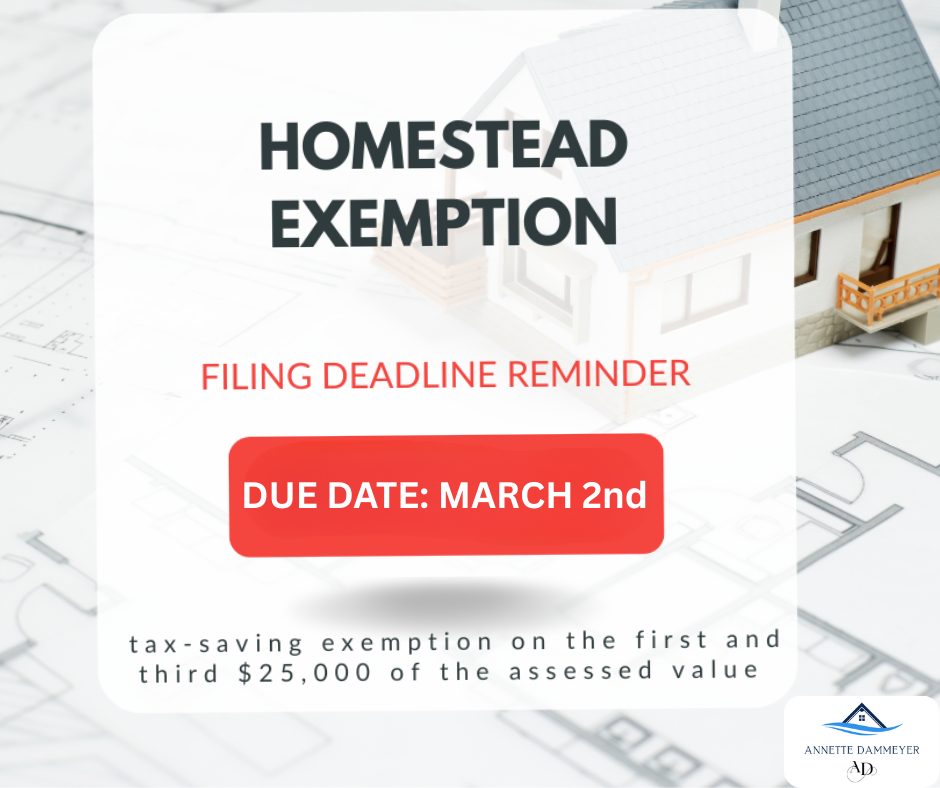
📌 🟥 Deadline to File Your 2026 Homestead Exemption
-
Timely Filing: March 2, 2026
-
Late Filing Window: Until September 18, 2026 (THIS IS THE FINAL DEADLINE)
✅ Who Qualifies?
- You must own and occupy your property as your permanent residence as of January 1, 2026.
- Florida residents are eligible for up to $50,000 in assessed value exemption:
- First $25,000 applies to all property taxes
- Additional $25,000 applies to non-school taxes
🧾 Required Documents to File
Be prepared to submit the following with your application:
- Proof of Ownership: Deed, closing statement, or proprietary lease
- Proof of Permanent Residency: As of January 1 – your primary residence
- Identification:
- Florida Driver’s License or ID
- Valid Voter Registration or alternative Address Declaration
- For non-citizens: documents to establish permanent residency
- Additional documentation (if requested): Social Security number(s), previous state ID, proof of vehicle registration, utility bills, etc.
🌐 How to File
File online through the Broward County Property Appraiser’s website:
🔗 https://web.bcpa.net
Alternatively, file in person or by mail at the Property Appraiser’s office in downtown Fort Lauderdale. Be sure to bring all required documentation or submit the scanned copies when filing online.
⚠️ Why It’s Critical
- ☑️ Immediate Savings on your property tax bill
- 📉 Long-Term Protection under the “Save Our Homes” cap (limits annual assessed value increases to 3%)
- 💡 You must apply by March 2 for timely consideration — late filings accepted only through September 18
🔔 Act Now – Don’t Miss Out!
Ensure peace of mind and maximize your tax savings. If you’ve recently closed on a home in 2025, act quickly—your timely filing window is closing soon.
📞 For questions, contact the Broward County Property Appraiser at (954) 357-6830 or email mmartykiar@bcpa.net
📌 Reminder:
- 🟥 Timely deadline: March 2, 2026
- 🟥 Final deadline (late filing only): September 18, 2026
Secure your financial benefit today! 💸
Filing for your Florida Homestead Exemption is a smart step toward protecting your investment and saving on property taxes. As your local real estate expert, I’m always here to help—whether you have questions about exemptions, buying or selling a home, or anything in between. Don’t hesitate to reach out—I’m just a call or message away and always happy to be a resource for you!
CONTACT ANNETTE
Let’s start working together!
Annette Dammeyer, REALTOR®, ABR®, AHWD®
Coldwell Banker Realty
901 E Las Olas Blvd STE 101, Fort Lauderdale, FL 33301
808.747.3686
SL 3535792
Fort Lauderdale January 2026 Area Report
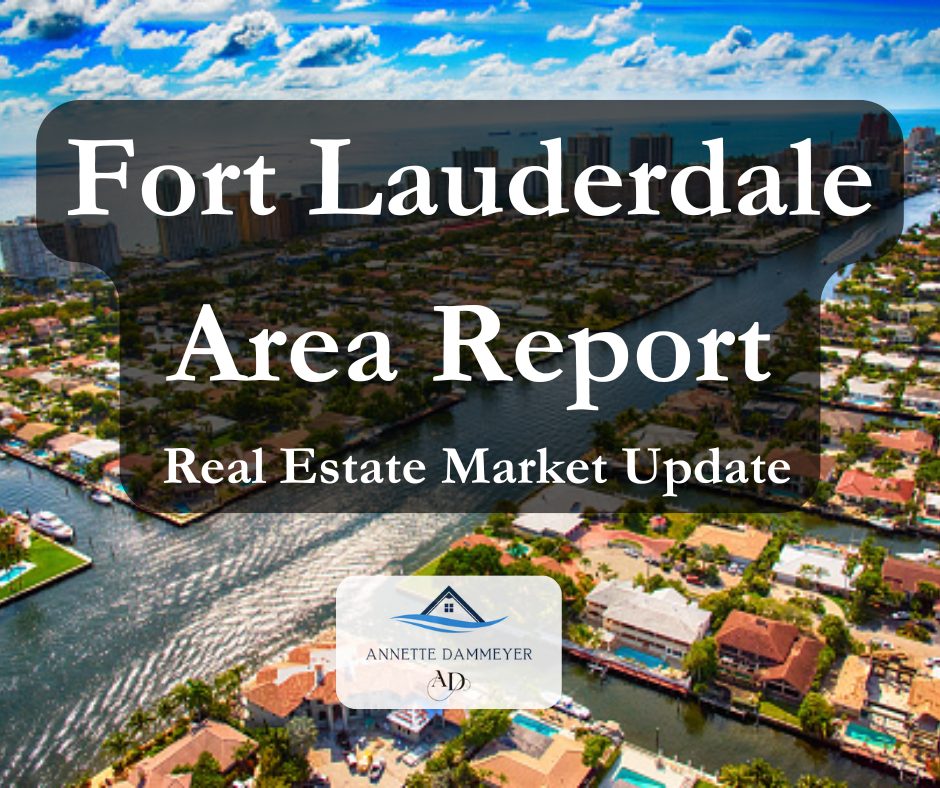
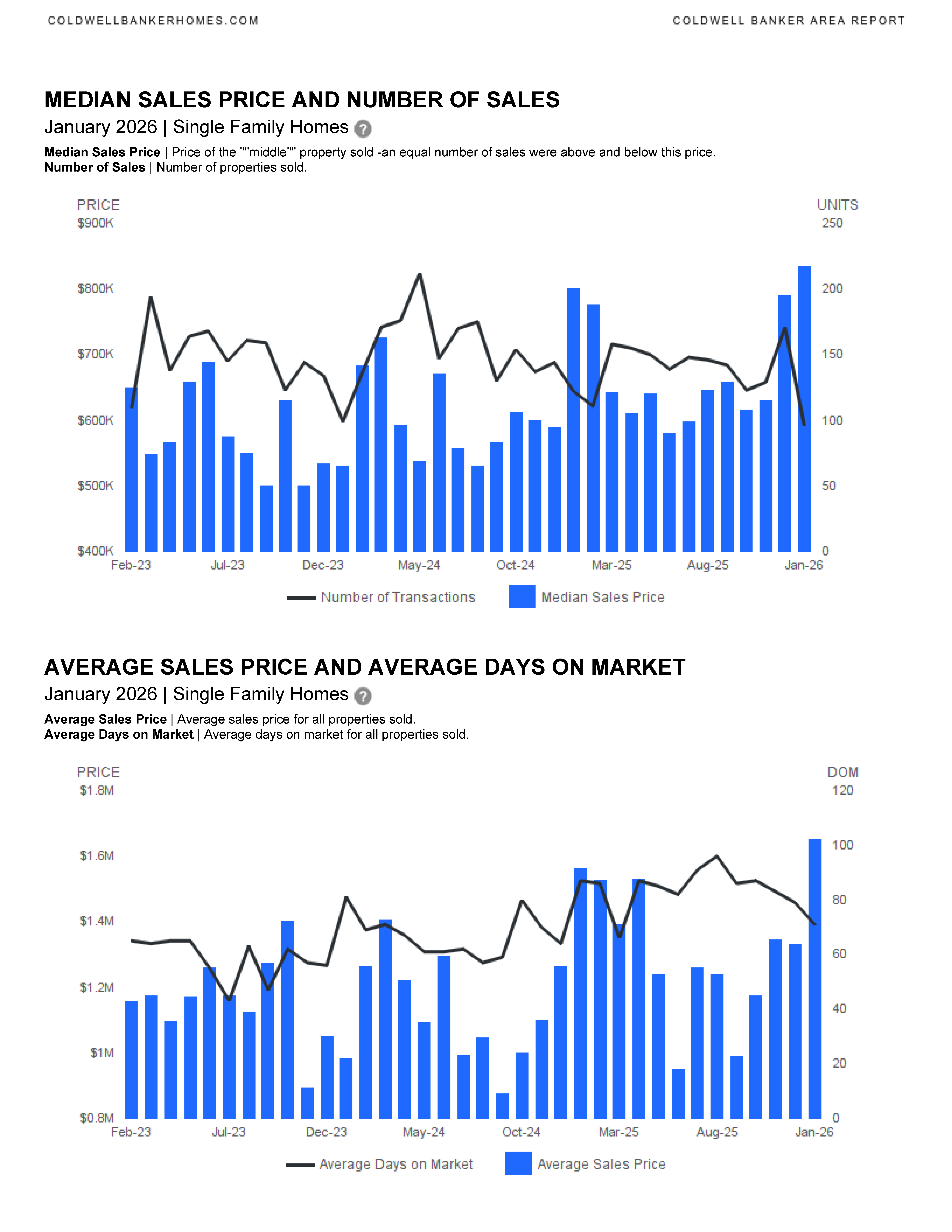
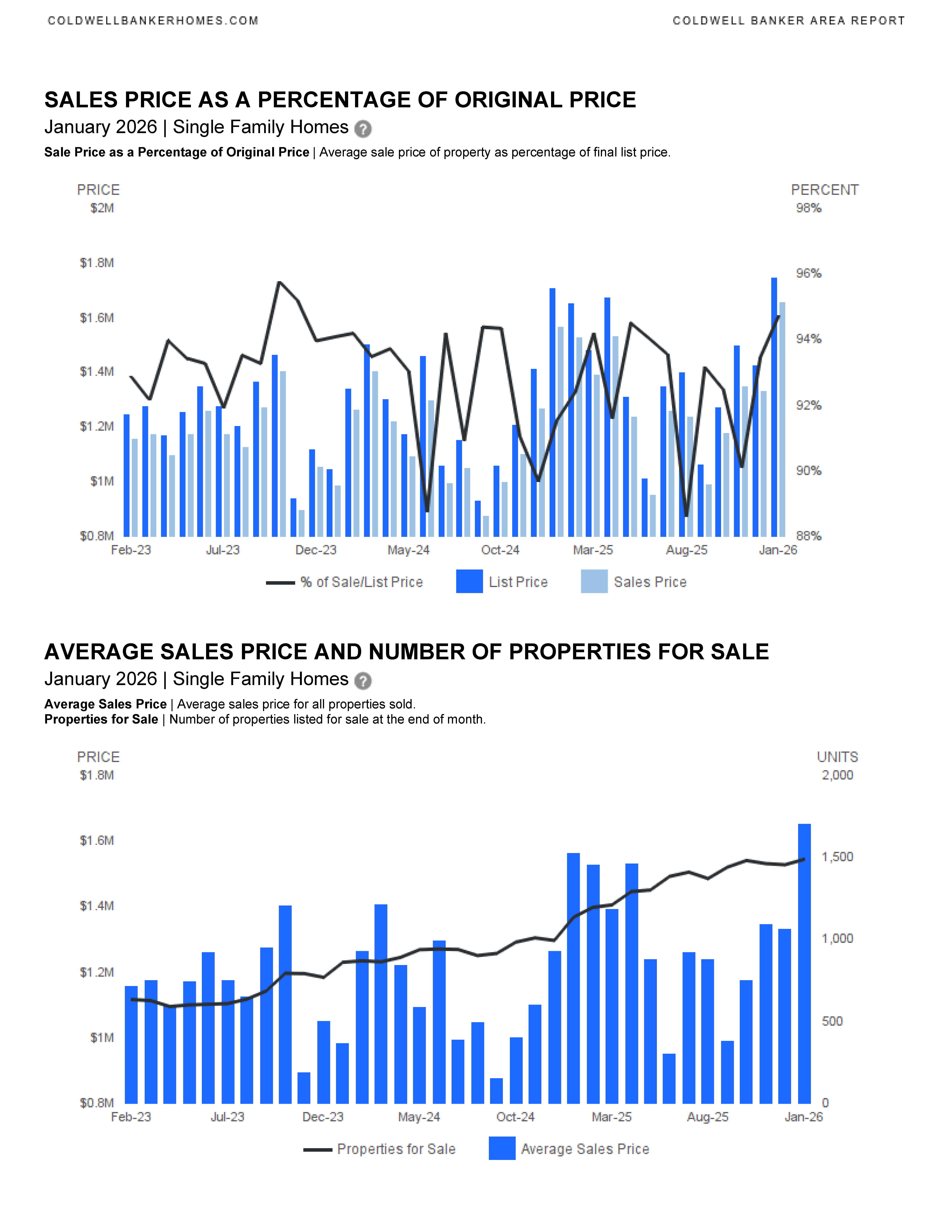
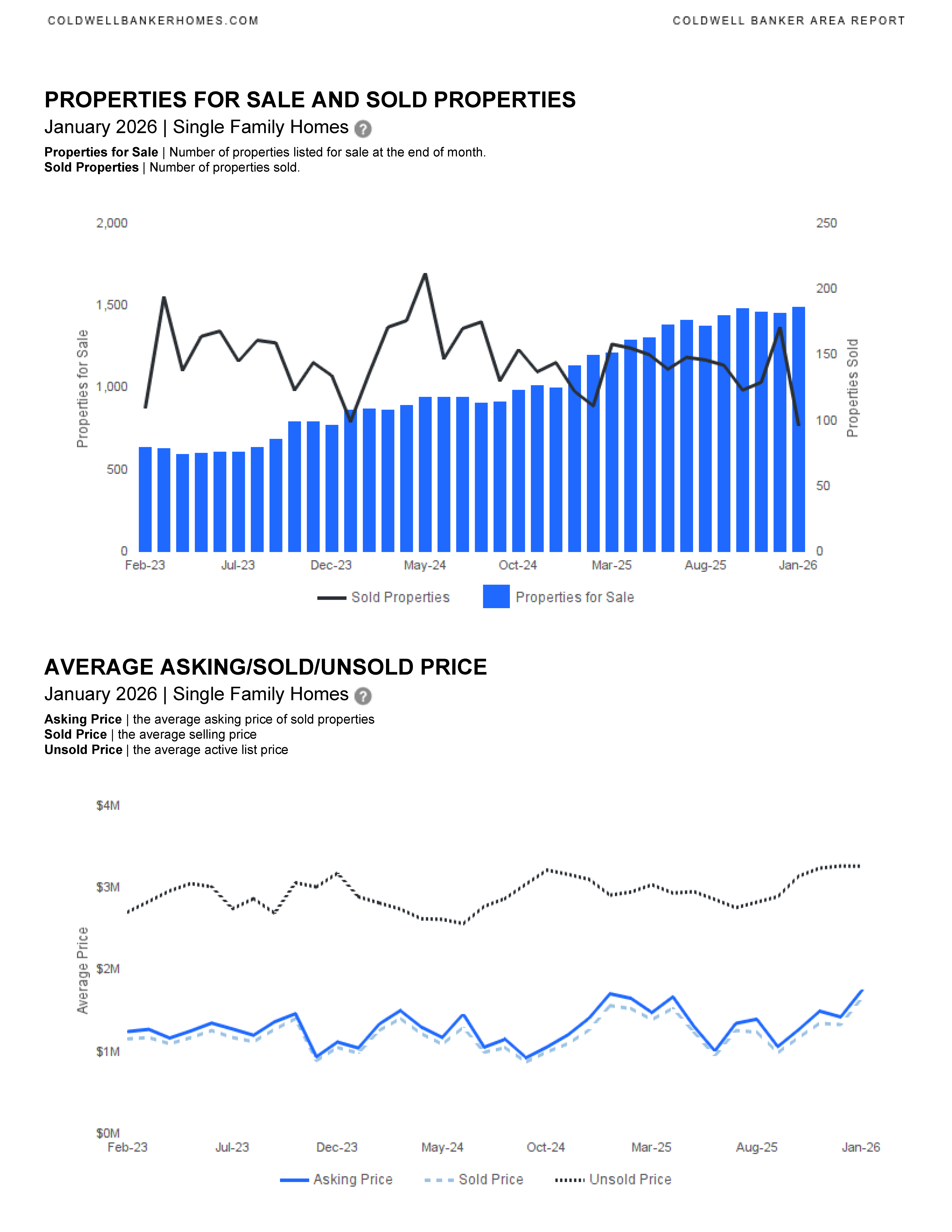
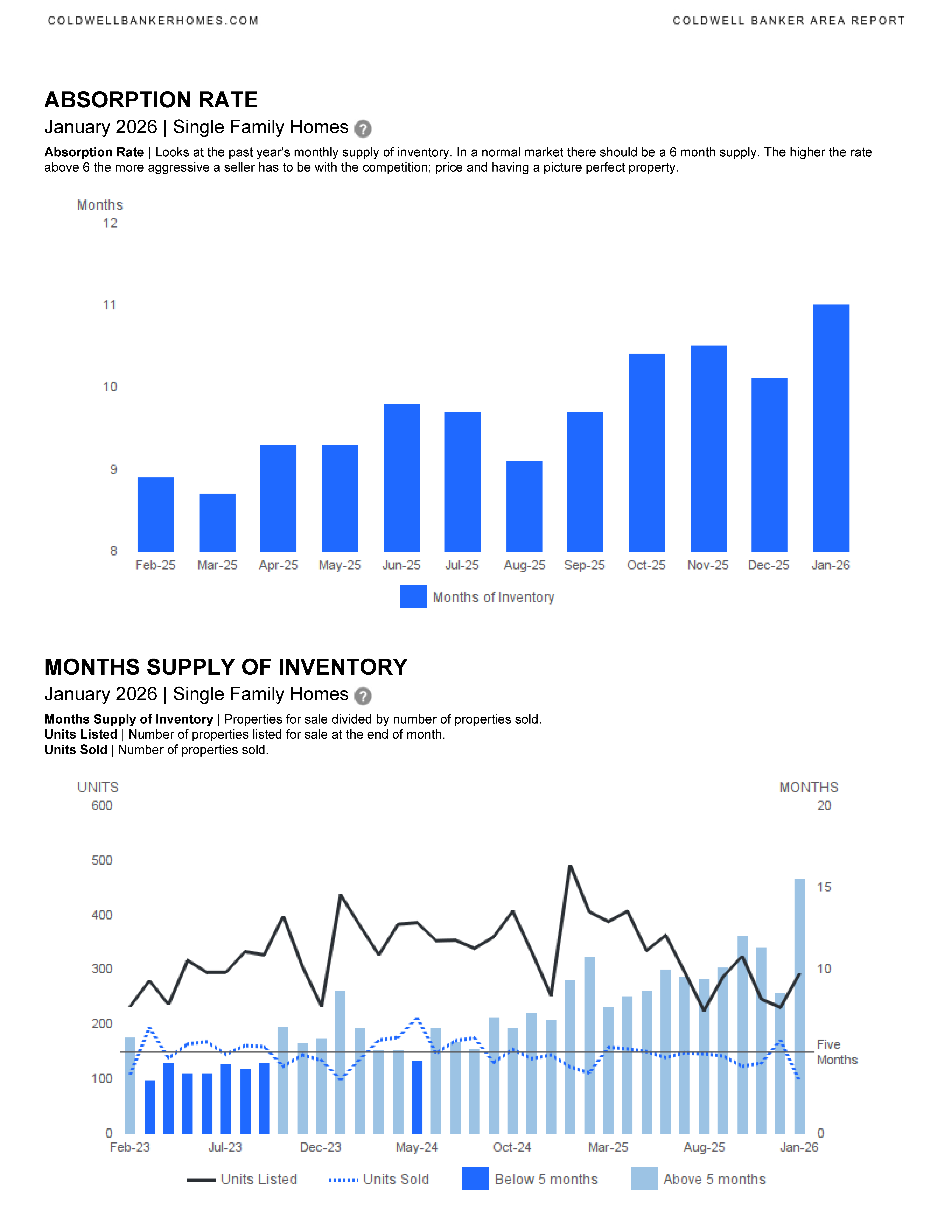
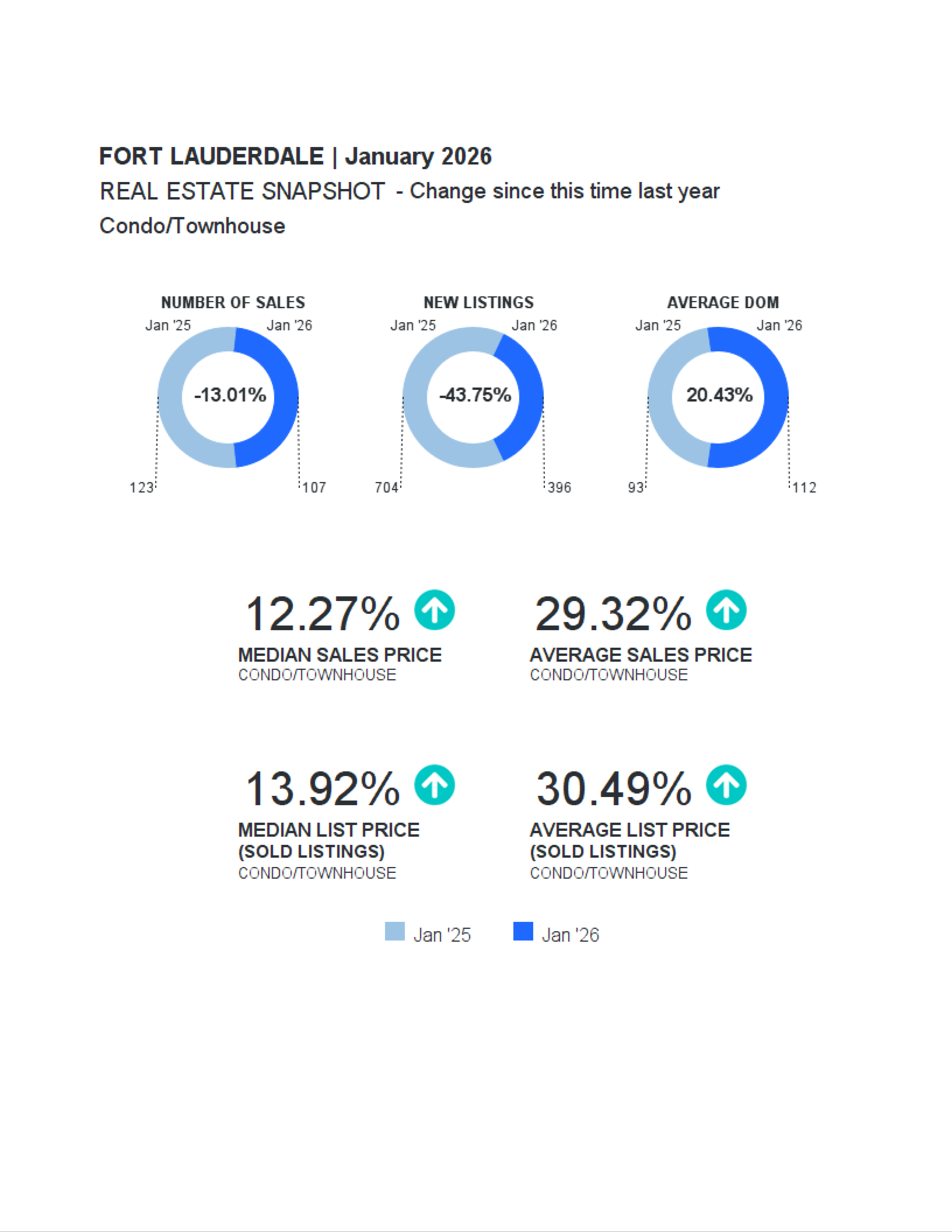
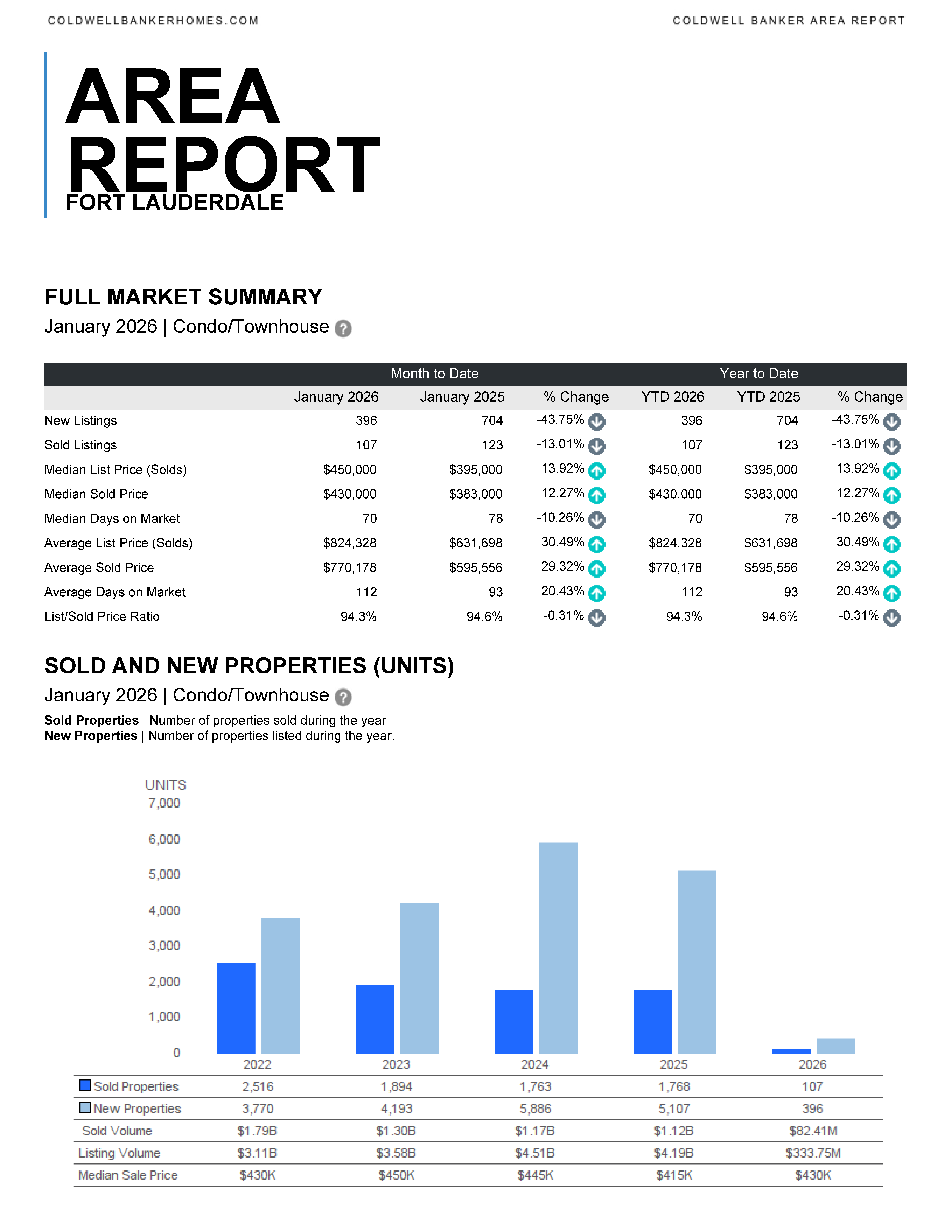
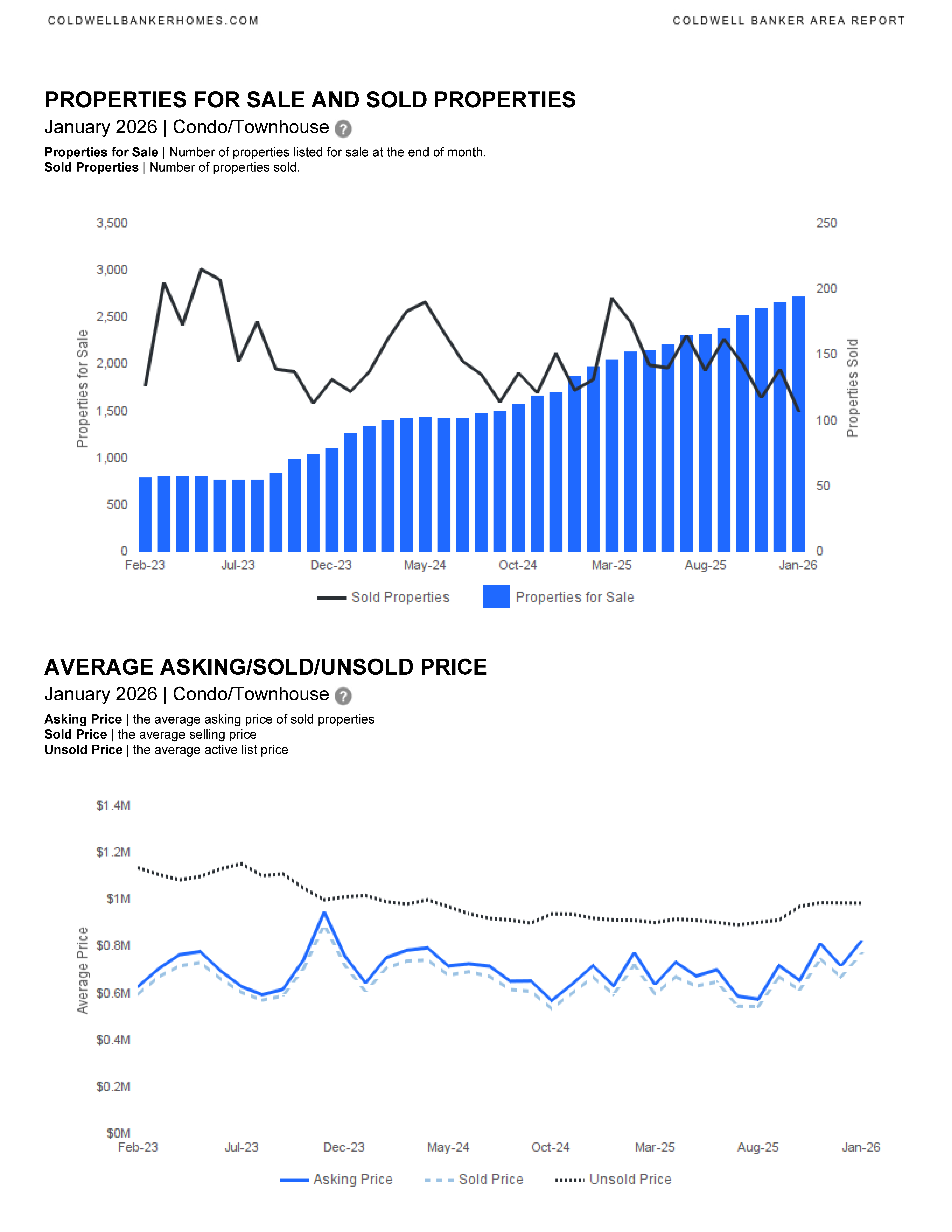
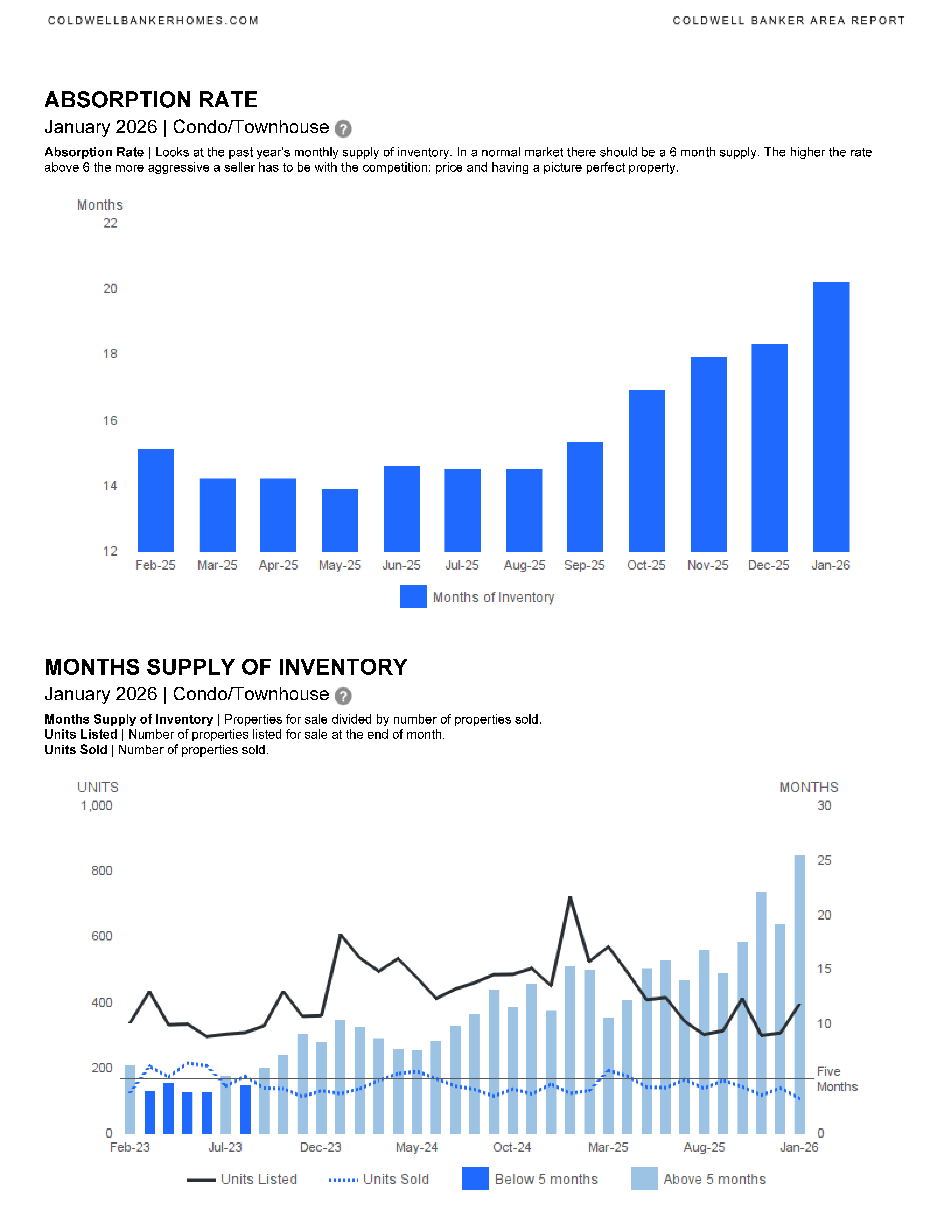
Fort Lauderdale January 2026 real estate statistics have been published.
Fort Lauderdale Area Reports
Single Family Homes
Condominium & Townhouses
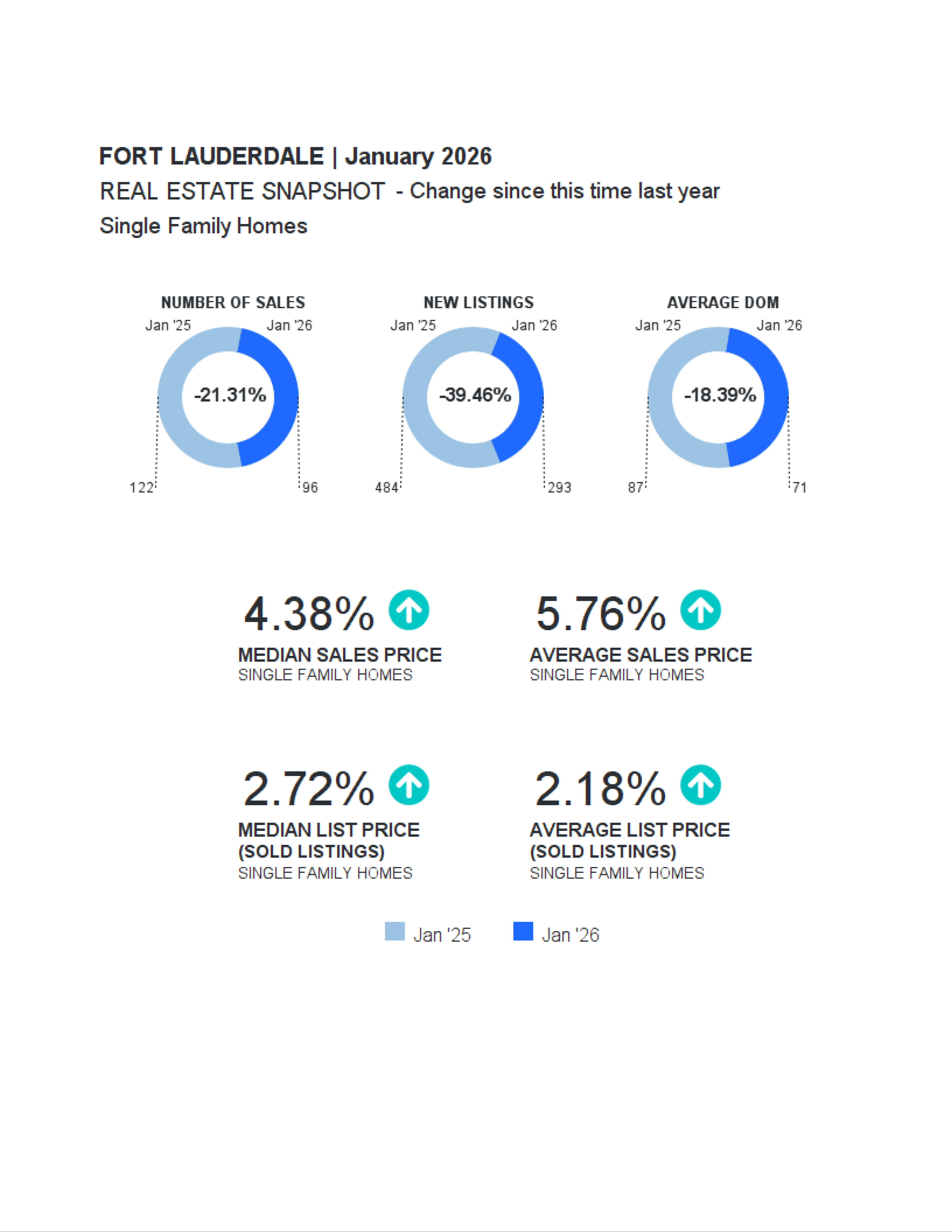
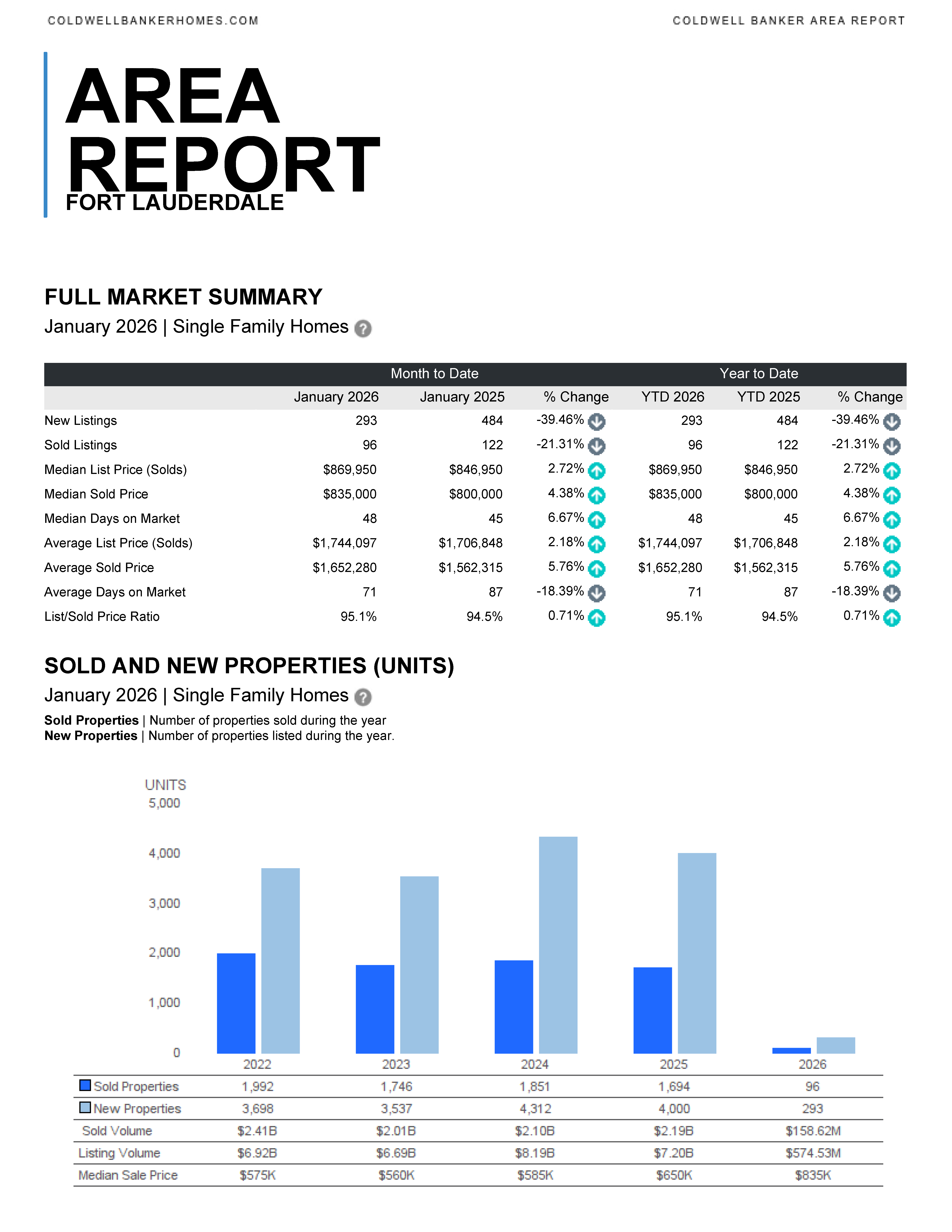
📊 Fort Lauderdale Market Snapshot — January 2026 Highlights
🏡 Single‑Family Homes
- Inventory is down sharply: New listings fell ~39% year over year, keeping supply tight.
- Prices continue to rise:
- Median sold price increased to $835,000 (+4.4% YoY).
- Average sold price climbed to $1.65M (+5.8% YoY).
- Homes are selling close to list price: Sellers received about 95% of list price on average.
- Market pace is steady:
- Median days on market: 48 days
- Average days on market improved to 71 days (faster than last year).
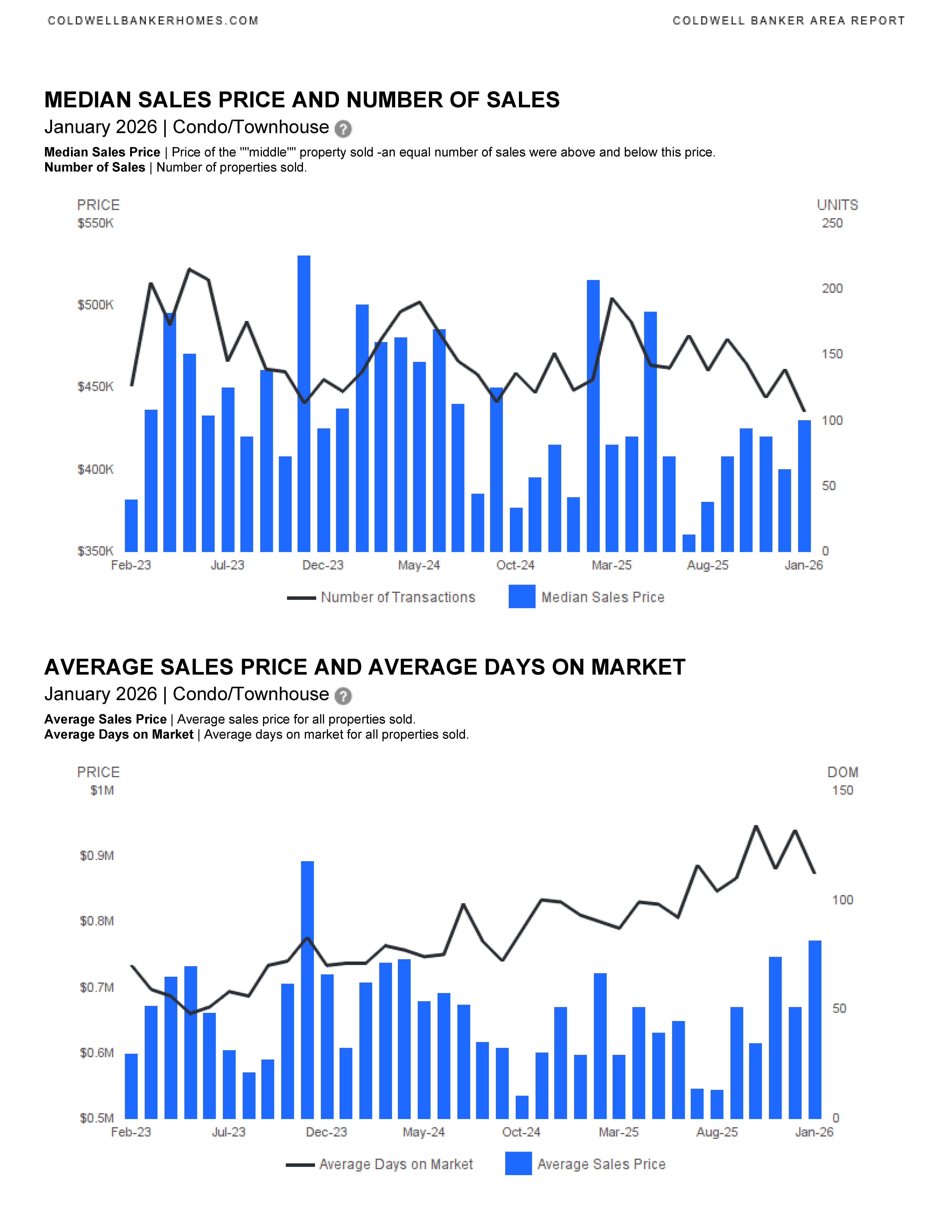
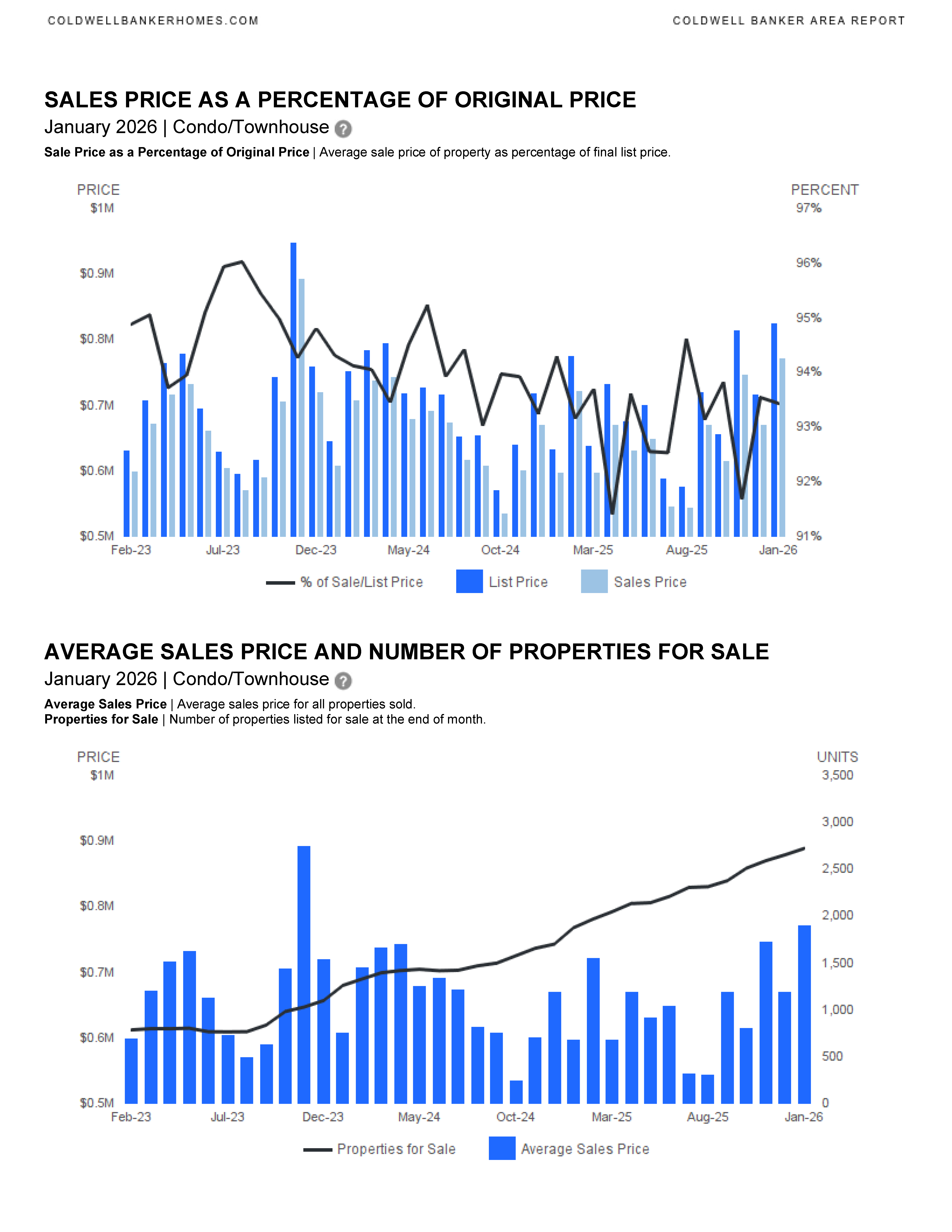
🏢 Condos & Townhomes
- Significant drop in new listings: Down ~44% year over year, tightening condo inventory.
- Strong price growth:
- Median sold price rose to $430,000 (+12.3% YoY).
- Average sold price jumped to $770,178 (+29% YoY).
- Sales volume slightly lower, but pricing remains resilient.
- Longer selling timeline:
- Average days on market increased to 112 days, indicating buyers are taking more time.
🔑 Overall Takeaway
- Low inventory + rising prices continue to define the Fort Lauderdale market.
- Sellers still hold an advantage, but pricing and presentation matter more than ever.
- Buyers face fewer choices, especially in desirable areas, reinforcing the importance of strategy and timing.
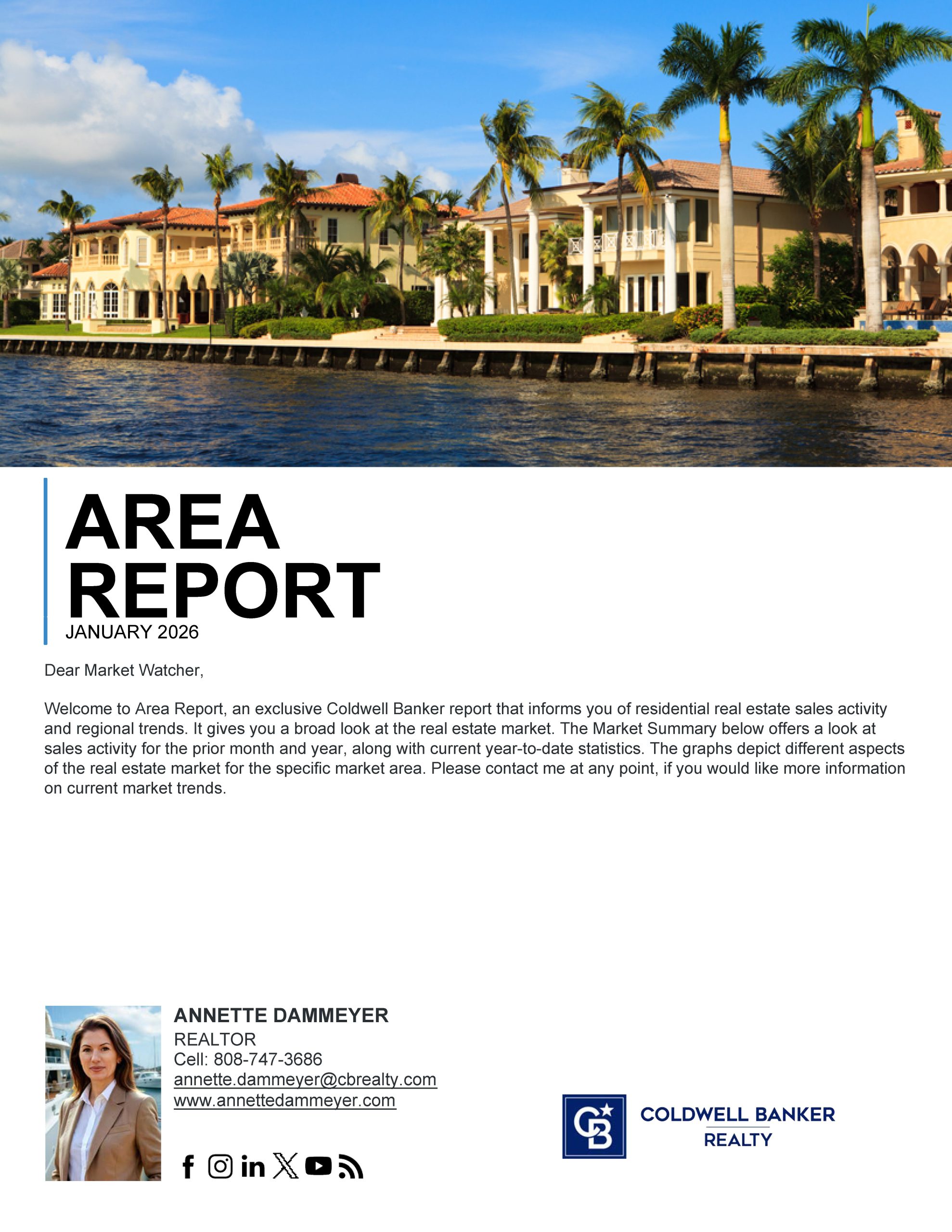

In this housing market in SE Florida, you need to work with an experienced and knowledgeable real estate professional. Please contact me if you would like to be sent updated market reports for YOUR specific neighborhood, Fort Lauderdale, or another SE Florida city. We can discuss the market, current trends and how we can work together to accomplish your real estate goals. I am here to help.
CONTACT ANNETTE
Let’s start working together!
Annette Dammeyer, REALTOR®, ABR®, AHWD®
Coldwell Banker Realty
901 E Las Olas Blvd STE 101, Fort Lauderdale, FL 33301
808.747.3686
SL 3535792


