
 Facebook
 X
X
 Pinterest
 Copy Link
Homeowner Flood Guide: Broward County
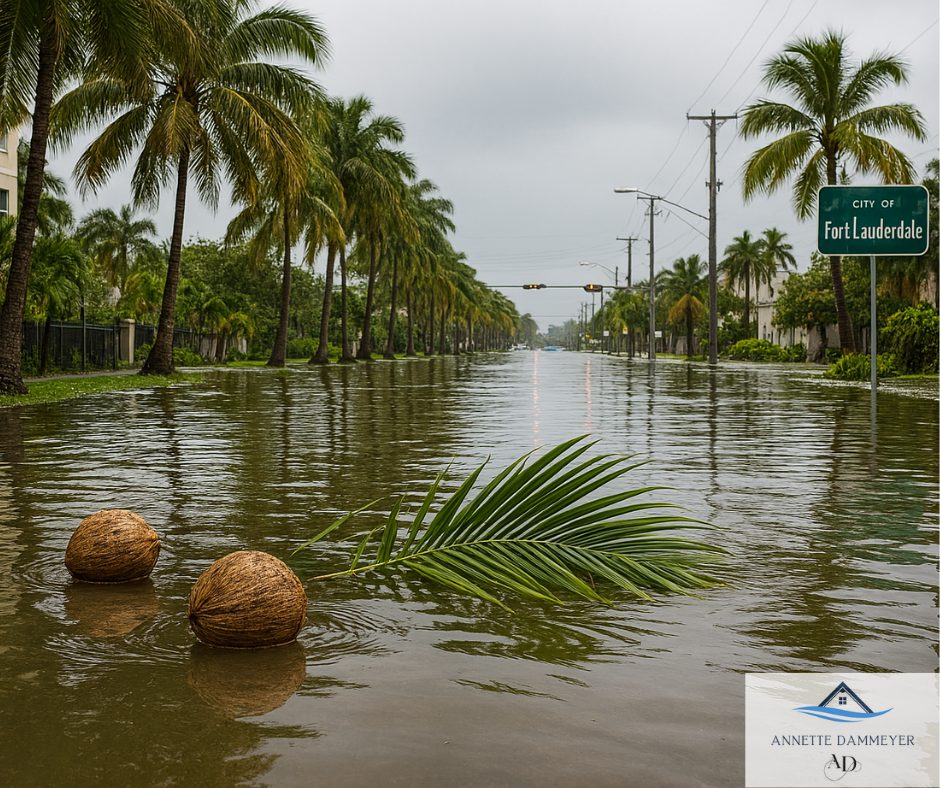
Understanding Flooding in Southeast Florida: What Fort Lauderdale and Surrounding Homeowners Need to Know (2026 Guide)
Flooding has always been part of life in Southeast Florida—but recent climate shifts, updated FEMA flood maps, and major changes to flood insurance are now reshaping what it means to own a home here. Whether you’re a long‑time local or a recent transplant to Fort Lauderdale, understanding your flood risk and insurance options is essential for protecting your home and financial security.
This guide brings together the latest information on flooding concerns, insurance changes, FEMA map updates, and how to find your flood zone, along with links to official tools and local contacts.
1. Why Flooding Is Getting Worse in Southeast Florida
Compound Flooding Is Now the New Normal
A groundbreaking Broward County study revealed that flooding in our region is no longer caused by rainfall alone. Today, rainfall, rising seas, king tides, and even groundwater rising from below combine to create compound flooding—leading to more widespread and frequent water intrusion in neighborhoods that previously stayed dry.
Many drainage canals—some more than 80 years old—can no longer drain effectively during high tides, causing backups inland and making even light rainstorms more disruptive.
Aging Infrastructure Is Falling Behind
South Florida’s flood control system was designed decades ago to manage 7–12 inches of rain in 24 hours—conditions that no longer reflect today’s climate realities. Annual flood risk in vulnerable areas has increased from under 4% to over 20%, meaning homeowners face significantly higher odds of experiencing flooding each year.
2. How Flooding Affects Fort Lauderdale Homeowners
Flooding impacts more than just the structure—it affects your home’s value, insurance costs, and long‑term financial stability.
Common Types of Damage
- Foundation cracking and settlement
- Electrical and HVAC system failure
- Mold growth from prolonged moisture
- Damage to pools, landscaping, and seawalls
- Repeated standing water affecting driveways and garages
Even neighborhoods on “high ground” have reported rising groundwater flooding, especially after large storms.
3. Flood Insurance in 2026: What’s Changed
Risk Rating 2.0: FEMA’s New Pricing Model
Flood insurance pricing is no longer dictated solely by flood zones. Under Risk Rating 2.0, premiums now reflect a property’s individual flood risk based on:
- Distance to water
- First‑floor elevation
- Flood frequency and severity
- Cost to rebuild
While some homeowners have seen premiums decrease, others—particularly in coastal or high-value areas—are experiencing annual increases of up to 18% (the legal cap).
NFIP (National Flood Insurance Program) Highlights for Florida
- Roughly two-thirds of older pre‑FIRM (Flood Insurance Rate Maps) homes see some premium decrease.
- Higher‑value homes or homes near tidal waters tend to see increases.
Growing Popularity of Private Flood Insurance
Private insurers can sometimes offer:
- Higher coverage limits
- Additional living expense coverage
- More flexible pricing
For many Fort Lauderdale homes—especially condos and waterfront properties—private flood insurance is now worth comparing.
3A. Understanding Flood Insurance: “Seeping” vs. Water Damage
Flood insurance can feel confusing, especially when terms like “water damage,” “seepage,” “intrusion,” or “flood loss” are used interchangeably. Here’s a clear, homeowner‑friendly explanation of how these concepts usually play out in policies:
What Flood Insurance Typically Covers
Flood insurance—whether through the National Flood Insurance Program (NFIP) or a private insurer—is designed primarily to protect you from sudden, temporary, external flooding events, such as:
- Water rising from outside the home
- Street or neighborhood flooding after heavy rainfall
- Canal, lake, or Intracoastal overflow
- King tides and storm surge pushing water inland
In short: flood insurance focuses on unexpected flooding caused by natural events, not long‑term maintenance issues.
What “Seepage” Usually Means
“Seepage” (also called gradual intrusion or slow water penetration) refers to moisture that enters over time—for example:
- Water wicking through foundation cracks
- Dampness around windows/doors due to aging seals
- Groundwater slowly migrating into slabs, garages, or crawlspaces
- Humidity/condensation‑related moisture
Most policies treat slow seepage as a maintenance issue, which is generally not covered—either by standard homeowners insurance or by flood insurance.
Flood Damage vs. Seepage: The Key Difference
- ✔️ Flood damage (often covered): A sudden event with a definable cause (e.g., a storm, surge, or rapid accumulation) that affects the area around you—not just your home.
- ❌ Seepage (often excluded): A gradual process linked to property condition or site drainage, not a single, sudden weather event.
Why This Matters in Southeast Florida
Because our region features high groundwater and porous limestone, homes may experience both sudden flooding and slow moisture intrusion. Knowing the difference helps you:
- Ask the right questions when buying or renewing coverage
- Avoid claim surprises tied to “gradual damage” exclusions
- Target maintenance (grading, sealing, drainage) that reduces moisture risks
Practical Steps to Reduce Seepage Risks
- Reseal windows/doors and repair stucco or slab cracks
- Maintain gutters and extend downspouts away from the foundation
- Regrade soil to slope away from the house
- Consider French drains, sump pumps, vapor barriers, or waterproof membranes
Pro tip: Document your maintenance (photos/receipts). Good records can support your claim when a sudden flood event does occur.
(Note: Policy terms vary. Always review your declarations and endorsements with a licensed agent for specifics.)
4. FEMA Flood Map Updates: Broward County & Fort Lauderdale
New FEMA Maps Effective July 31, 2024
Broward County residents are now subject to updated Flood Insurance Rate Maps (FIRMs), which expanded the Special Flood Hazard Areas (SFHAs) and adjusted many Base Flood Elevations (BFEs).
In Hollywood alone, over 11,000 properties were newly placed into high‑risk zones, requiring flood insurance for federally backed mortgages and mandating higher construction elevations.
What This Means for You
If your home’s zone changed, you may now:
- Be required to carry flood insurance
- Face higher premiums
- Need elevation documentation for remodeling or rebuilding
Checking your updated zone is crucial (see links below).
5. How to Find Your Flood Zone (Step‑By‑Step)
Below are the official, most accurate tools available to Broward County and Fort Lauderdale homeowners.
A. Fort Lauderdale GIS Flood Zone App (City Tool)
This is one of the best local tools for residents:
👉 https://www.fortlauderdale.gov/government/departments-a-h/development-services/building-services/flood/flood-risk-information
Use it to:
- Look up flood zones by address
- View local SFHAs
- Download zone information for insurance or permitting
B. Broward County Flood Zone Map (County Tool)
For countywide 2024 FEMA maps:
👉 https://www.broward.org/Environment/FloodZoneMaps/Pages/Default.aspx
Includes:
- Updated maps effective July 31, 2024
- Contact information for your Community Floodplain Manager
C. FEMA Flood Map Service Center (National Tool)
Use FEMA’s official link to search your exact address:
👉 https://msc.fema.gov/portal/search
This is the definitive source lenders use for mortgage requirements.
D. Broward County FEMA 2024 Interactive Map (Experience Builder App)
Offers parcel‑specific BFEs and legacy/comparison maps:
👉 https://experience.arcgis.com/experience/8dfc61c972e148f8b12953ddffe299c9/
6. Who to Contact for Help (Local & Federal)
Fort Lauderdale Floodplain Group
Email: PCardenas@FortLauderdale.gov
Great for:
- Flood zone questions
- Elevation certificates
- Flood risk reports
Broward County Community Floodplain Manager
Found via the county’s flood map site:
👉 https://www.broward.org/Environment/FloodZoneMaps/Pages/Default.aspx
FEMA Mapping & Insurance Exchange
Phone: 1‑877‑336‑2627
Email: FEMAMapSpecialist@riskmapcds.com
Your Local Insurance Agent
Ideal for comparing NFIP vs. private flood insurance pricing. (I have excellent referrals if needed.)
7. How to Prepare Your Home for Flooding
Elevate Utilities & Equipment
FEMA now recommends (and some insurers require) that HVAC units, electrical panels, and batteries be elevated at least one foot above the BFE (Base Flood Elevation).
Improve Drainage
- Keep gutters and downspouts clear
- Install French drains or sump pumps
- Ensure grading slopes away from the home
Use Flood‑Resistant Materials
Especially during renovations—this can reduce your claim risk and insurance costs.
Store Documents Safely
Keep insurance documents and IDs in waterproof containers or digital cloud storage.
8. Final Thoughts for Our SE Florida Community
Flooding in Southeast Florida is evolving quickly—but with the right information, preparation, and insurance strategy, homeowners can stay ahead of the risk. Understanding your flood zone, reviewing updated FEMA maps, and comparing insurance options are some of the most important steps you can take to protect your home and your long-term financial stability.
As a local experienced real estate professional, my goal is to empower our community with the knowledge we all need to protect our homes, our investments, and our peace of mind. Flooding is a growing reality in Southeast Florida, but staying informed puts you one step ahead. I’m always here to help—whether you’d like guidance understanding your flood zone, need trusted resources, or want to explore how these changes may affect your property. Please feel free to reach out anytime; it would be my pleasure to support you and our beautiful coastal community.
CONTACT ANNETTE
Let’s start working together!

Annette Dammeyer, REALTOR®, ABR®, AHWD®
Coldwell Banker Realty
901 E Las Olas Blvd STE 101, Fort Lauderdale, FL 33301
808.747.3686
SL 3535792
Fort Lauderdale January 2026 Area Report
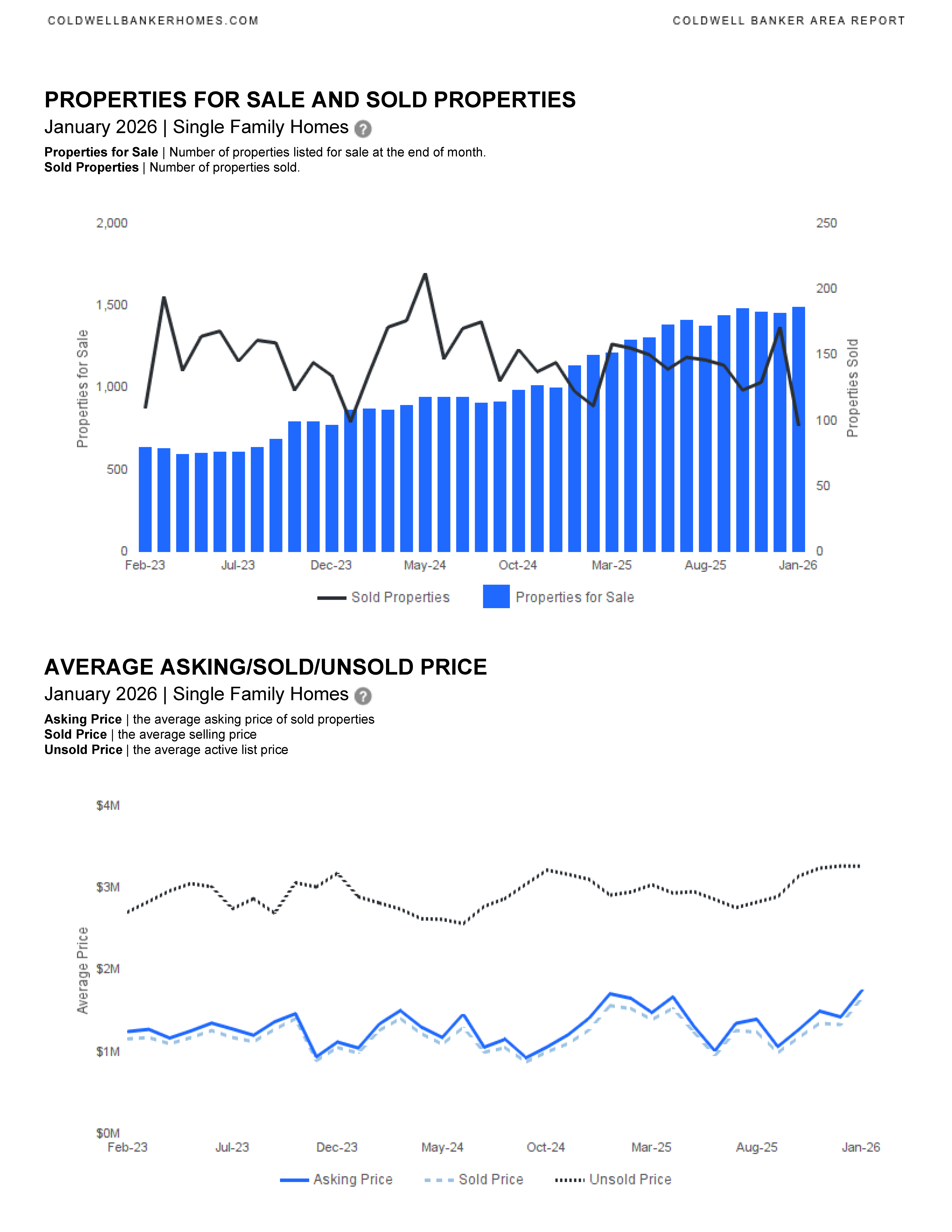
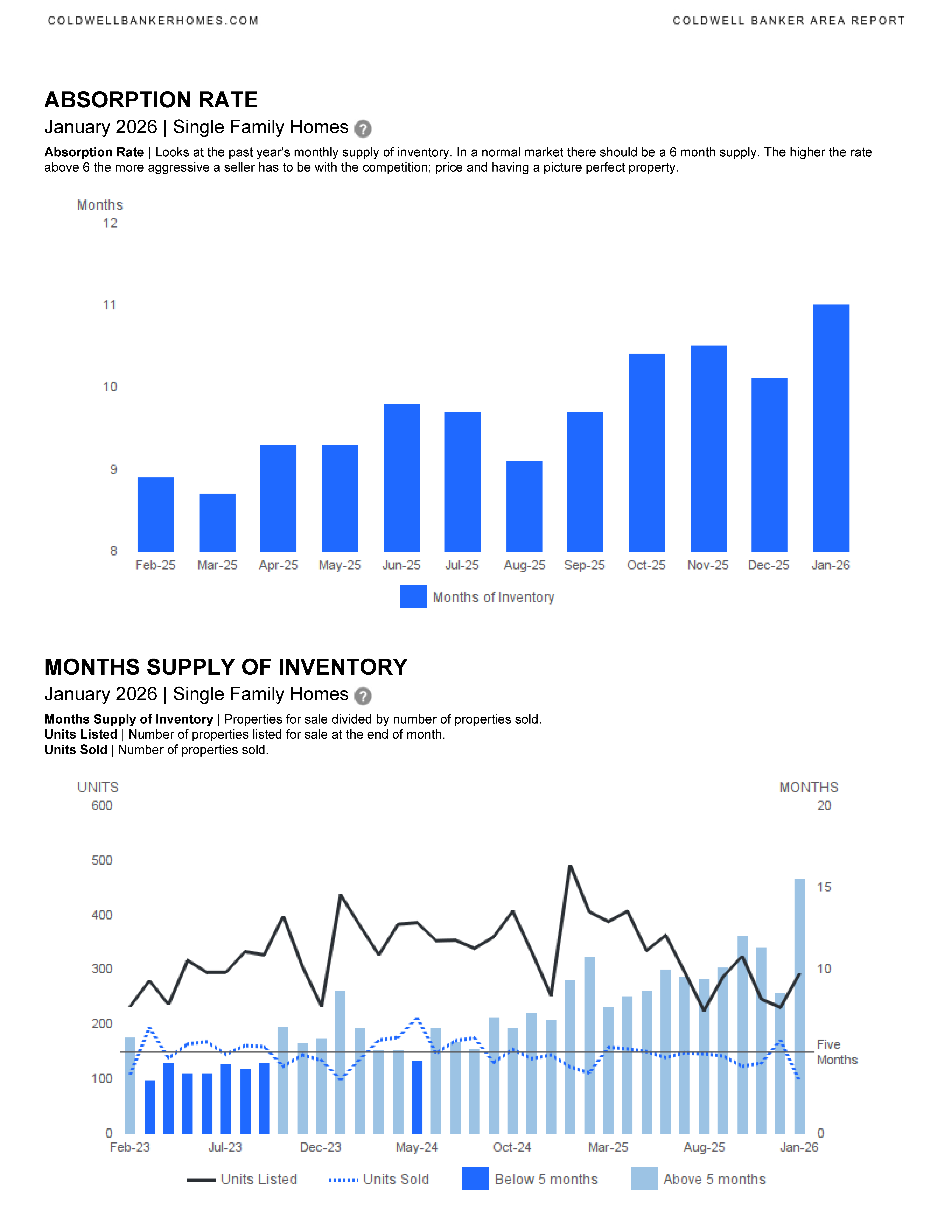
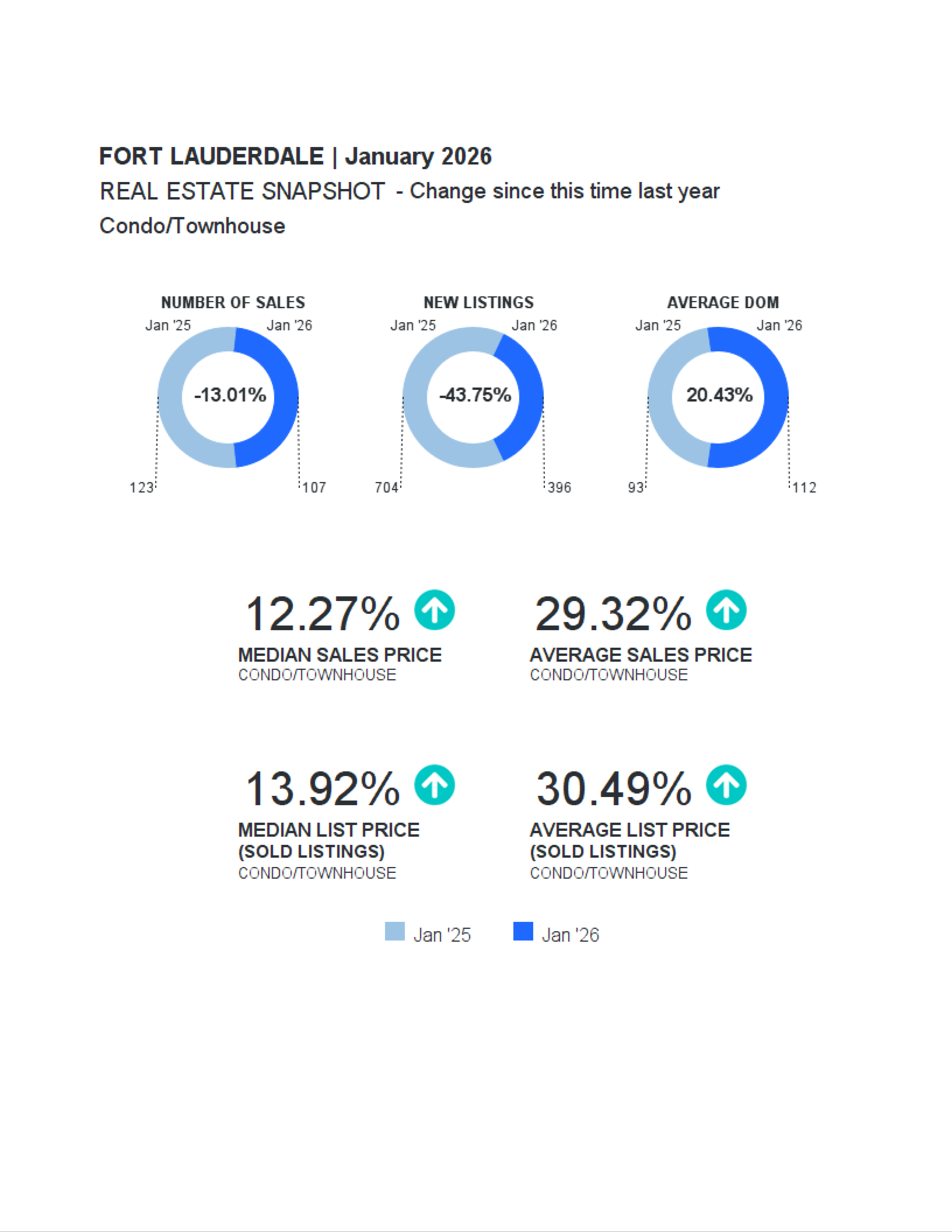
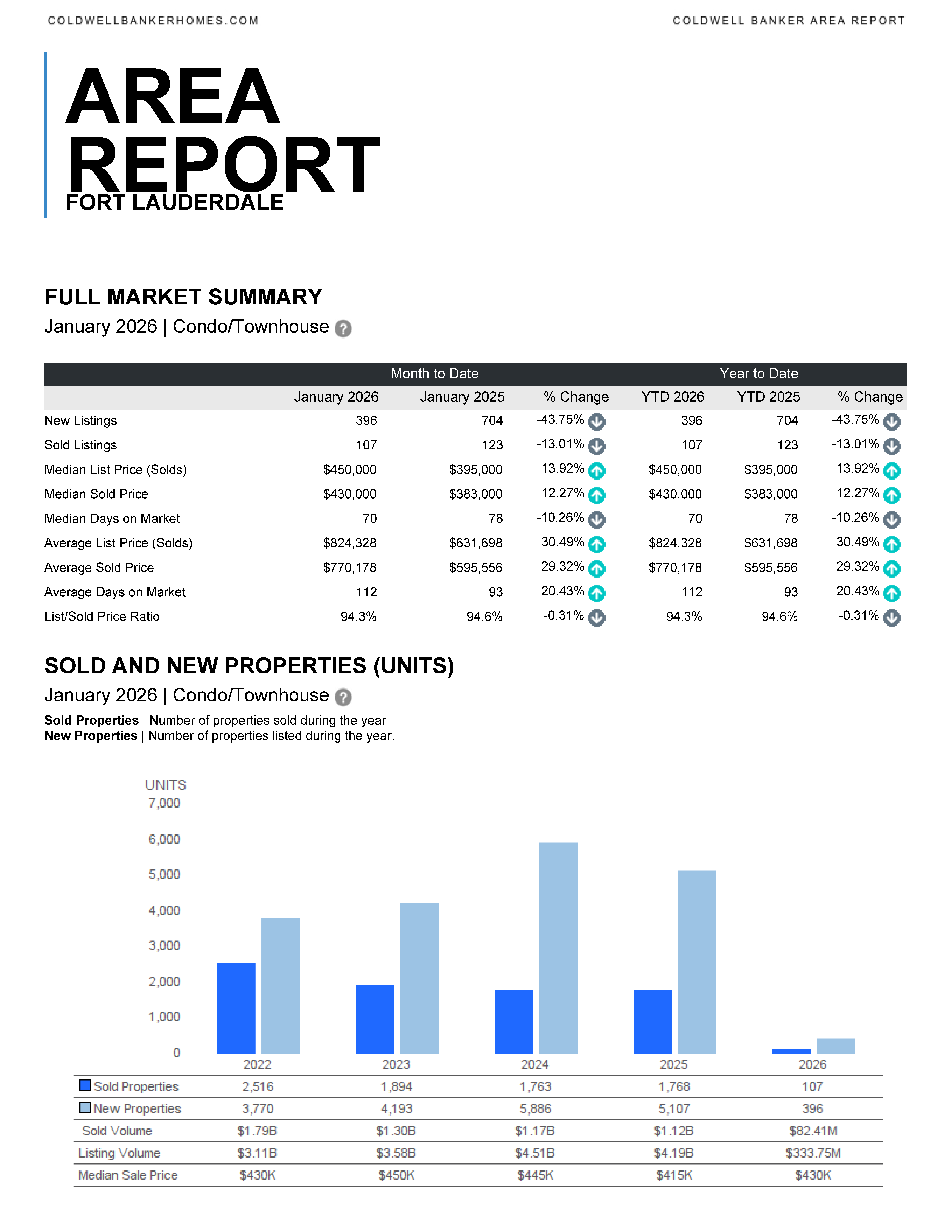
Fort Lauderdale January 2026 real estate statistics have been published.
Fort Lauderdale Area Reports
Single Family Homes
Condominium & Townhouses
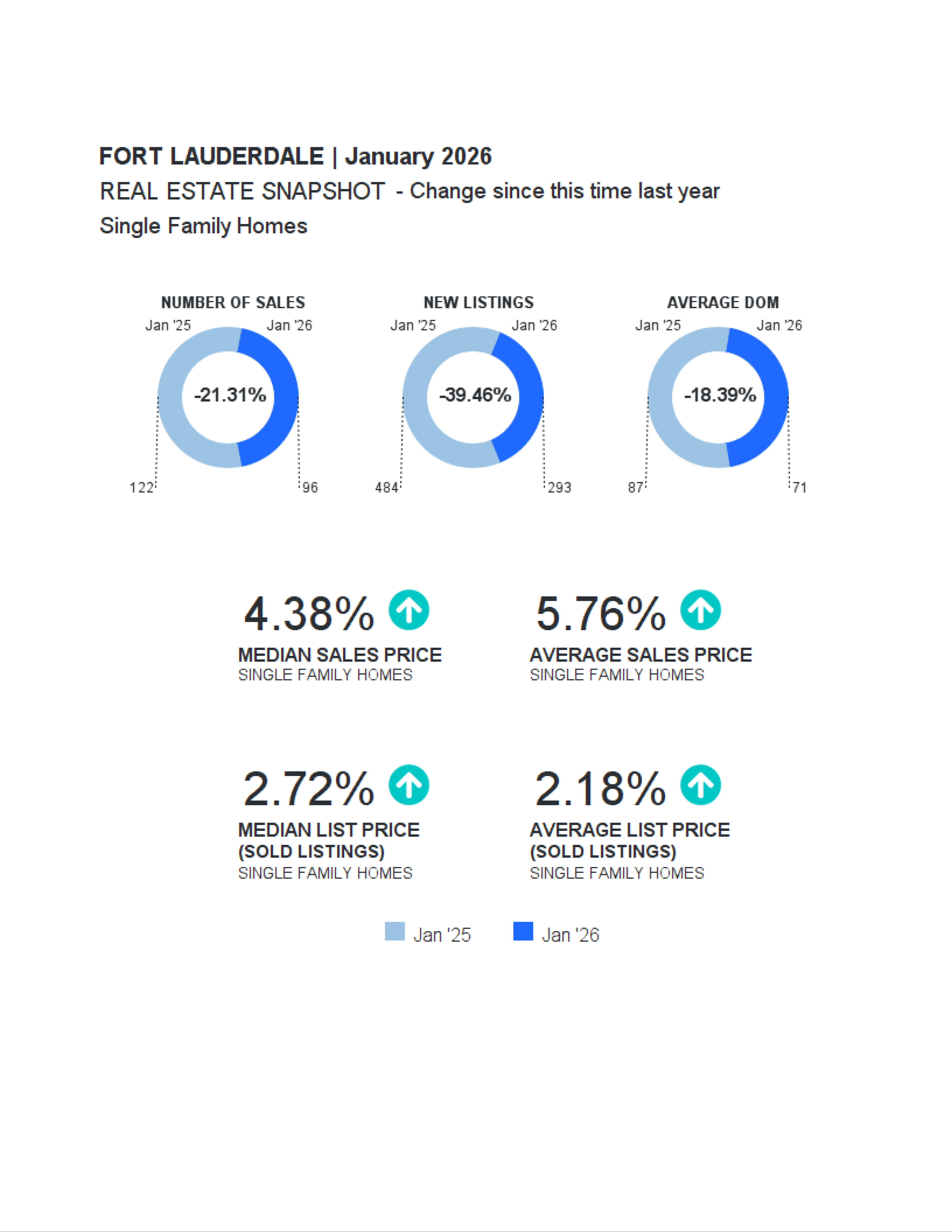
📊 Fort Lauderdale Market Snapshot — January 2026 Highlights
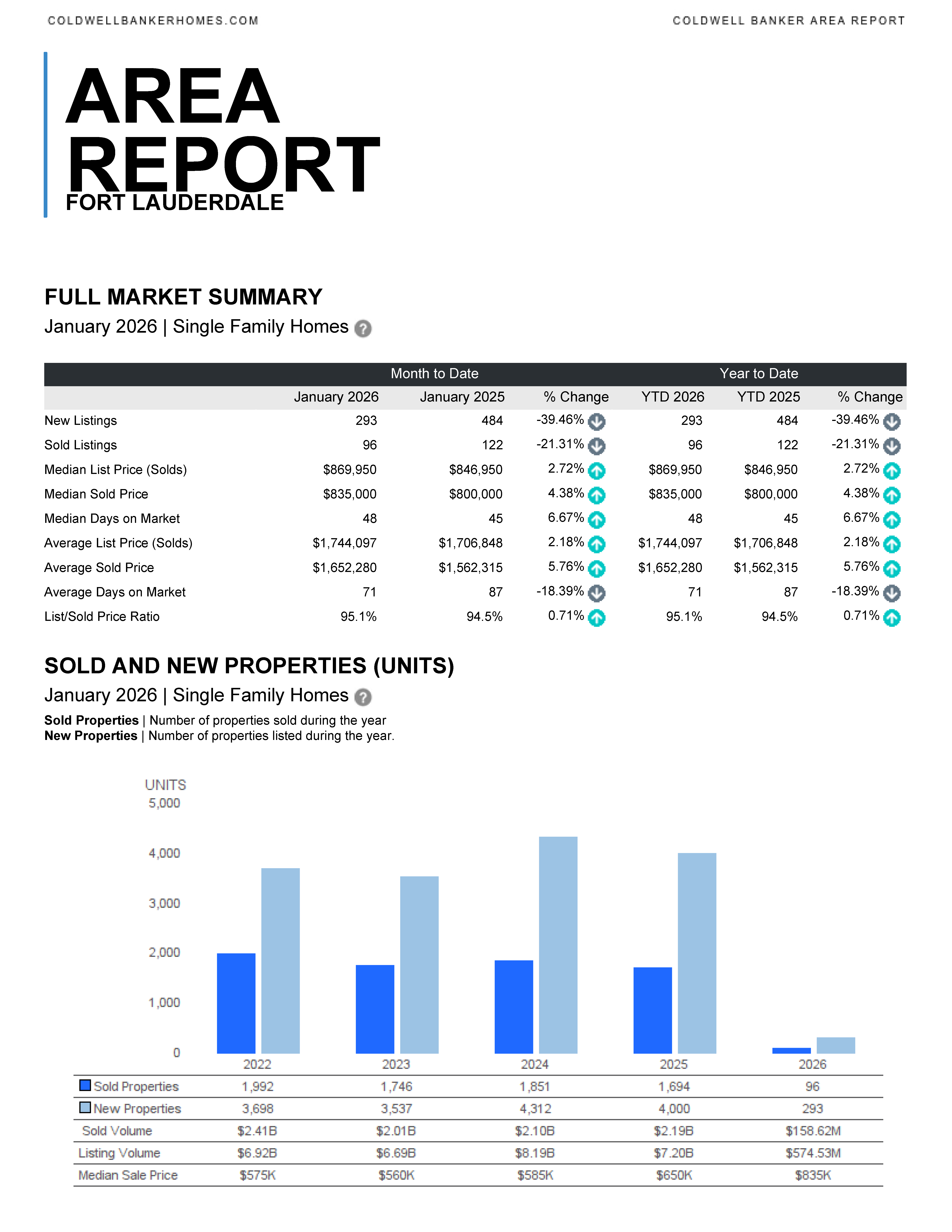
🏡 Single‑Family Homes
- Inventory is down sharply: New listings fell ~39% year over year, keeping supply tight.
- Prices continue to rise:
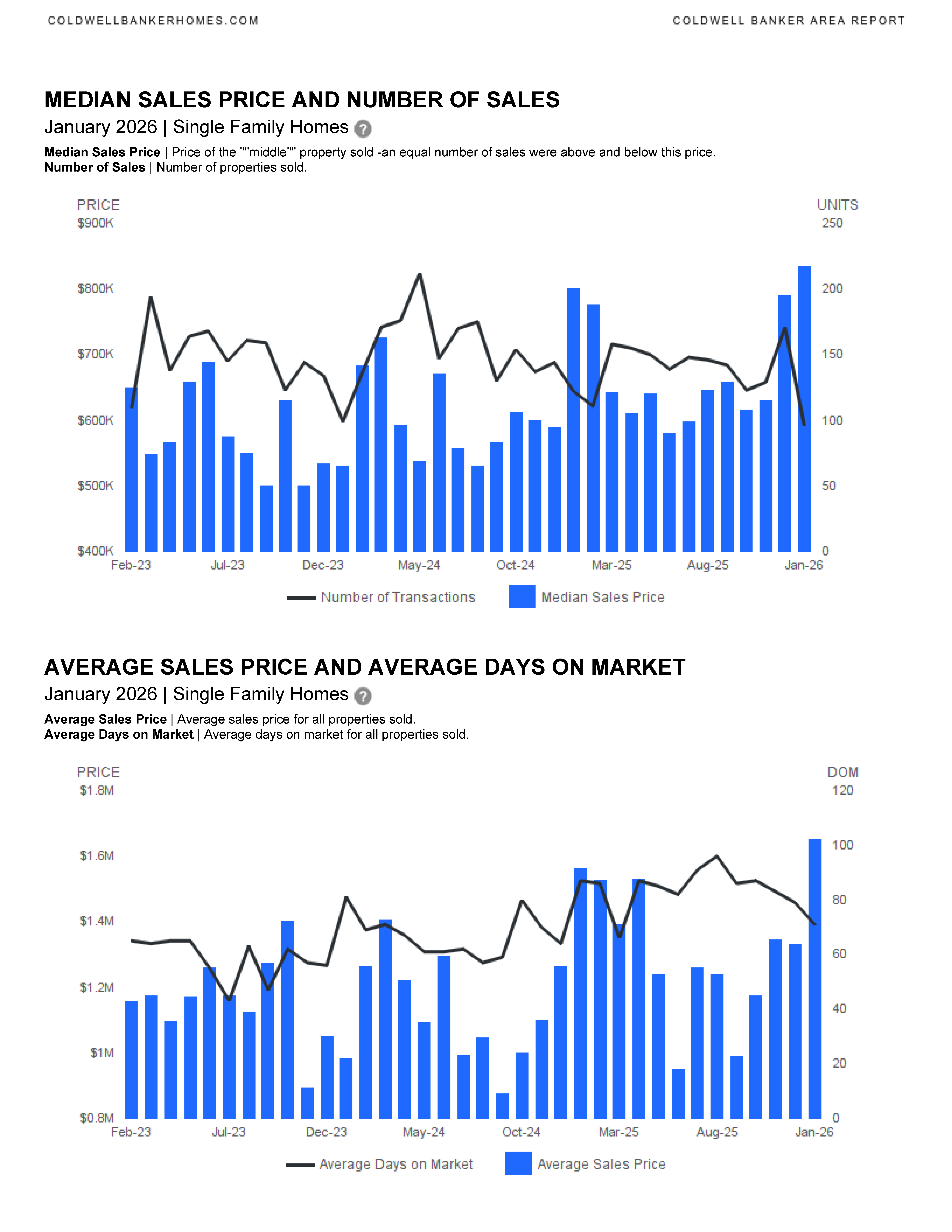
- Median sold price increased to $835,000 (+4.4% YoY).
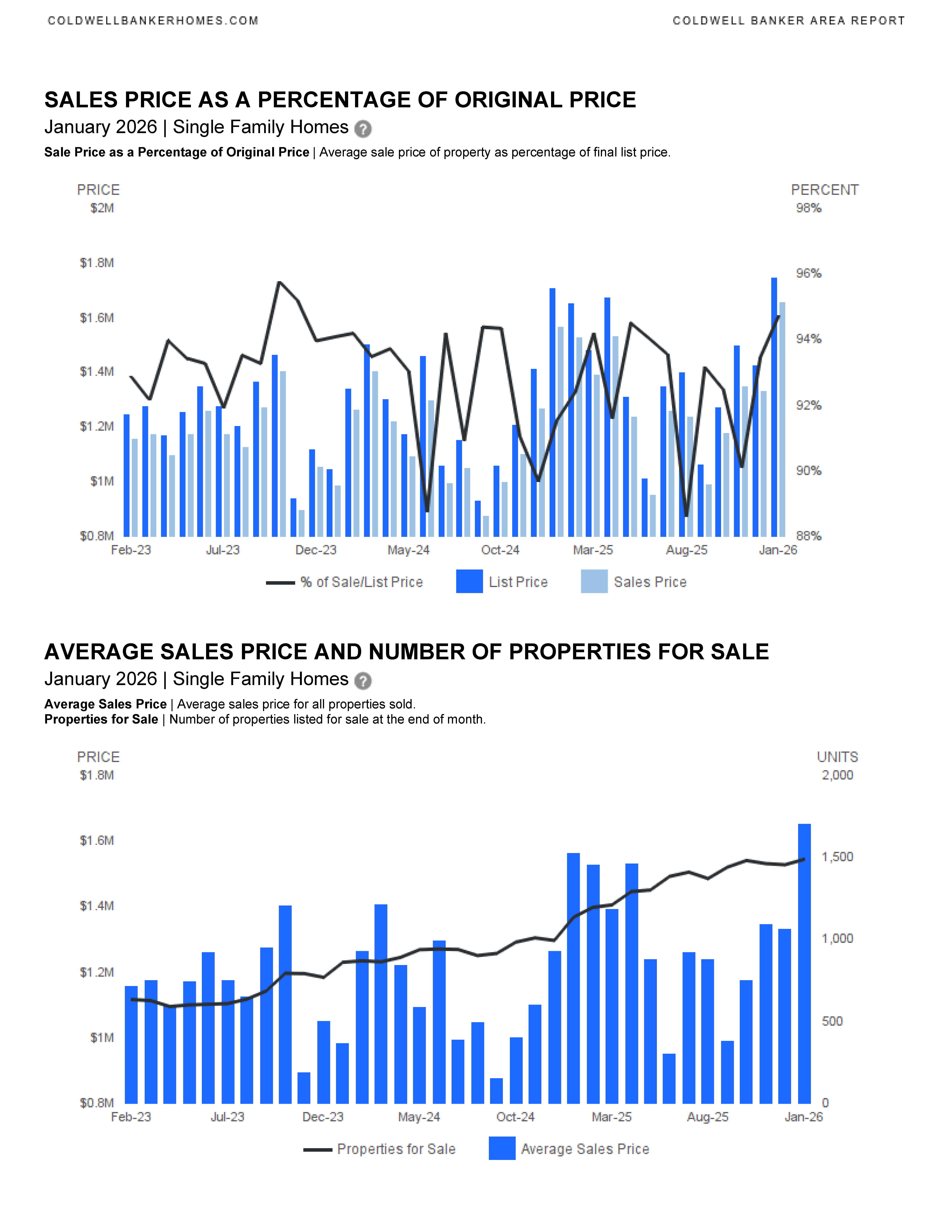
- Average sold price climbed to $1.65M (+5.8% YoY).
- Homes are selling close to list price: Sellers received about 95% of list price on average.
- Market pace is steady:
- Median days on market: 48 days
- Average days on market improved to 71 days (faster than last year).
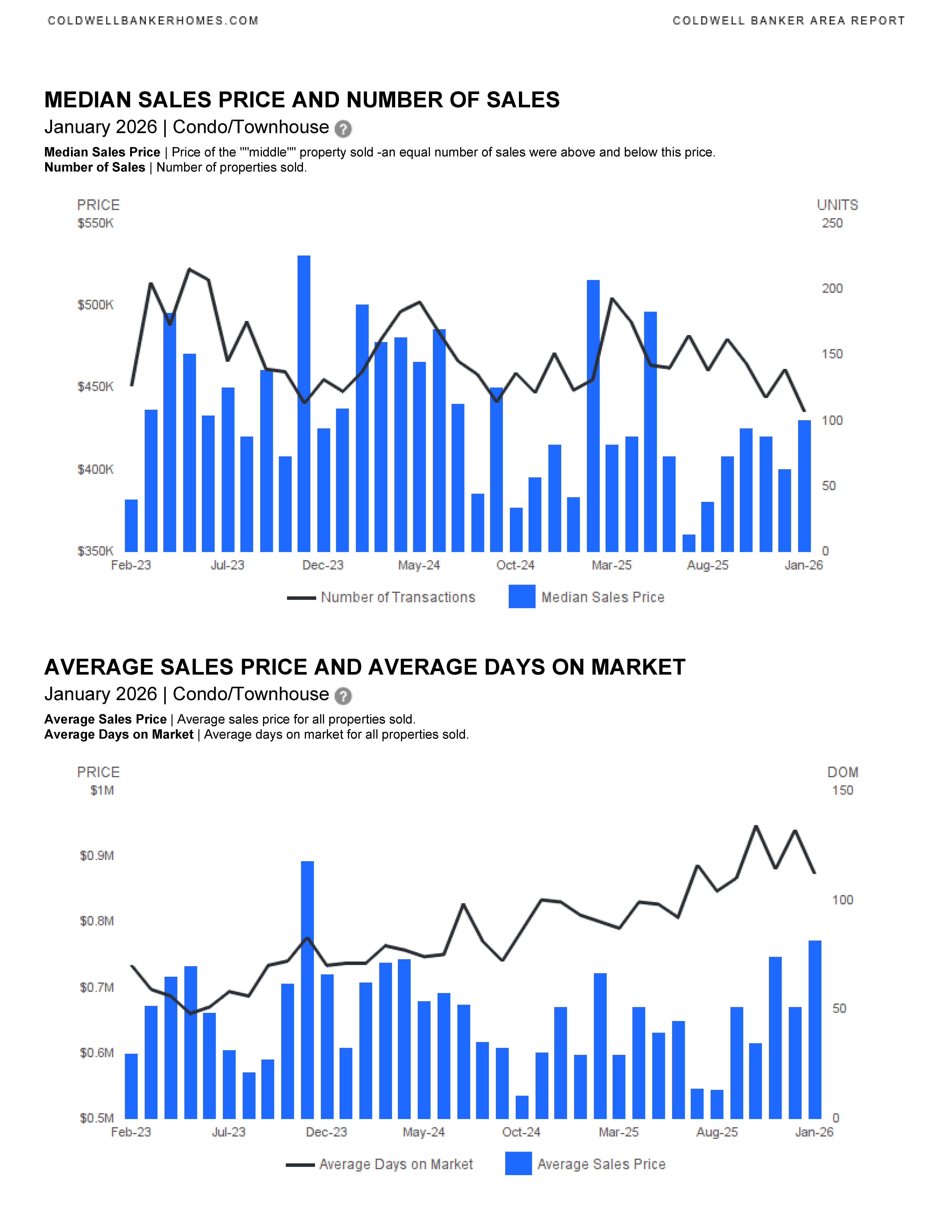
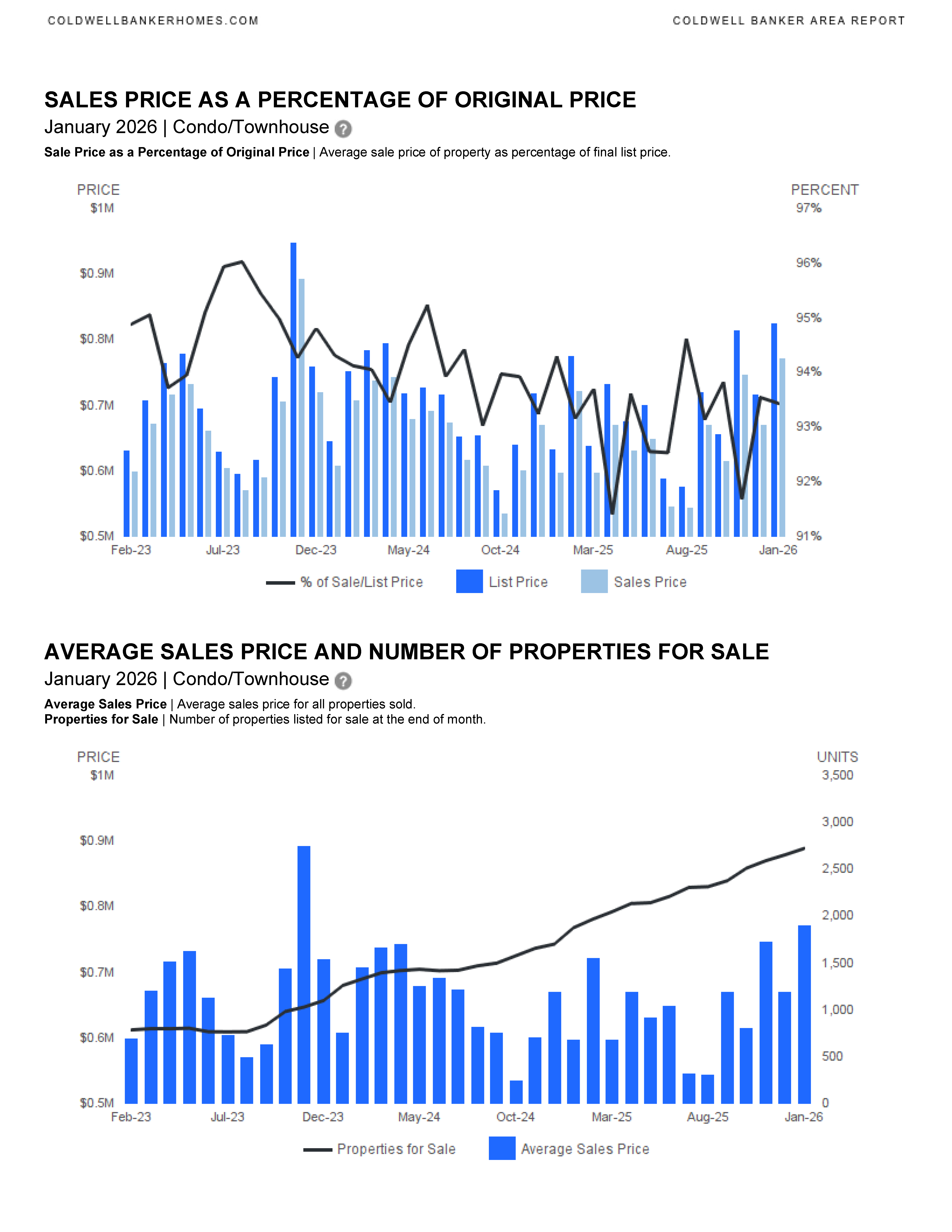
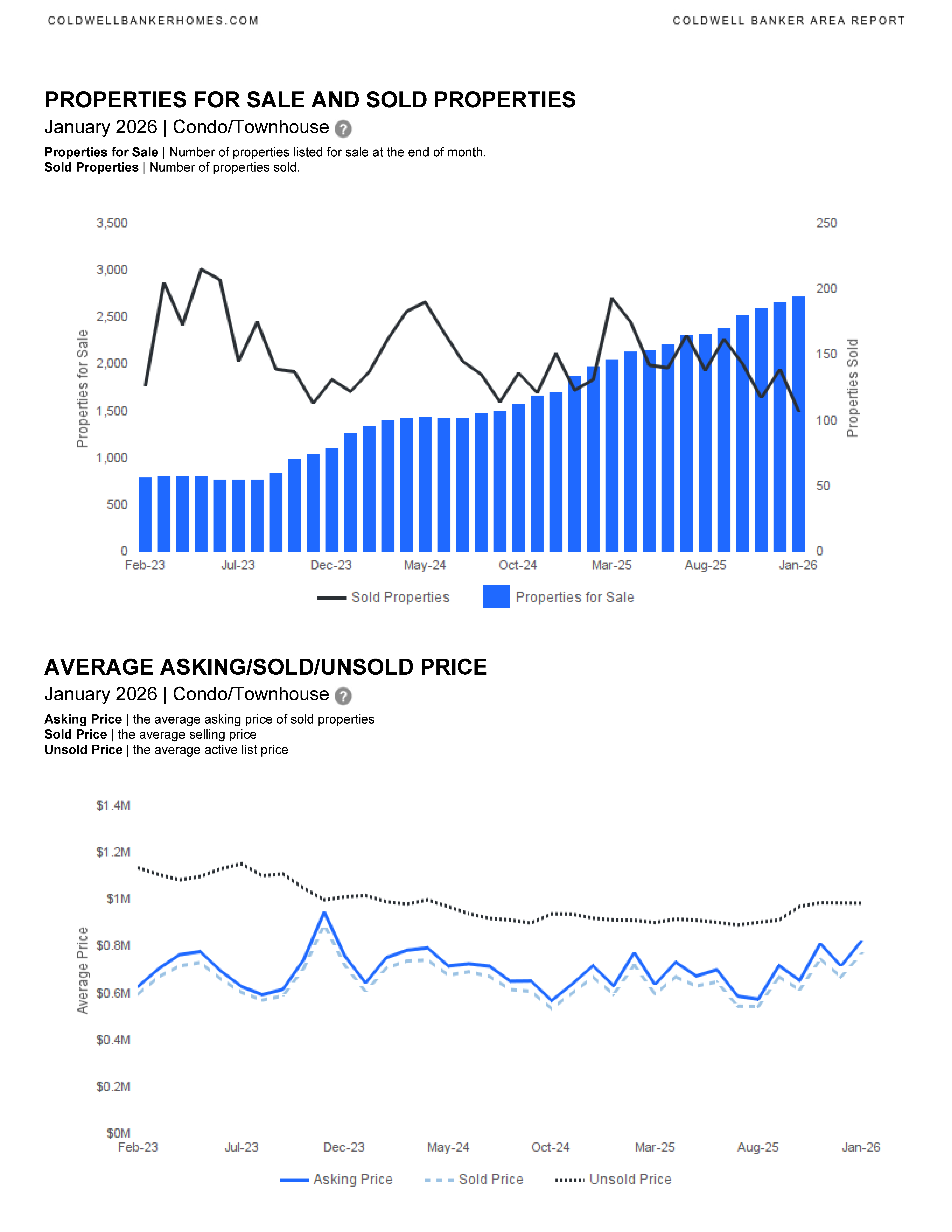
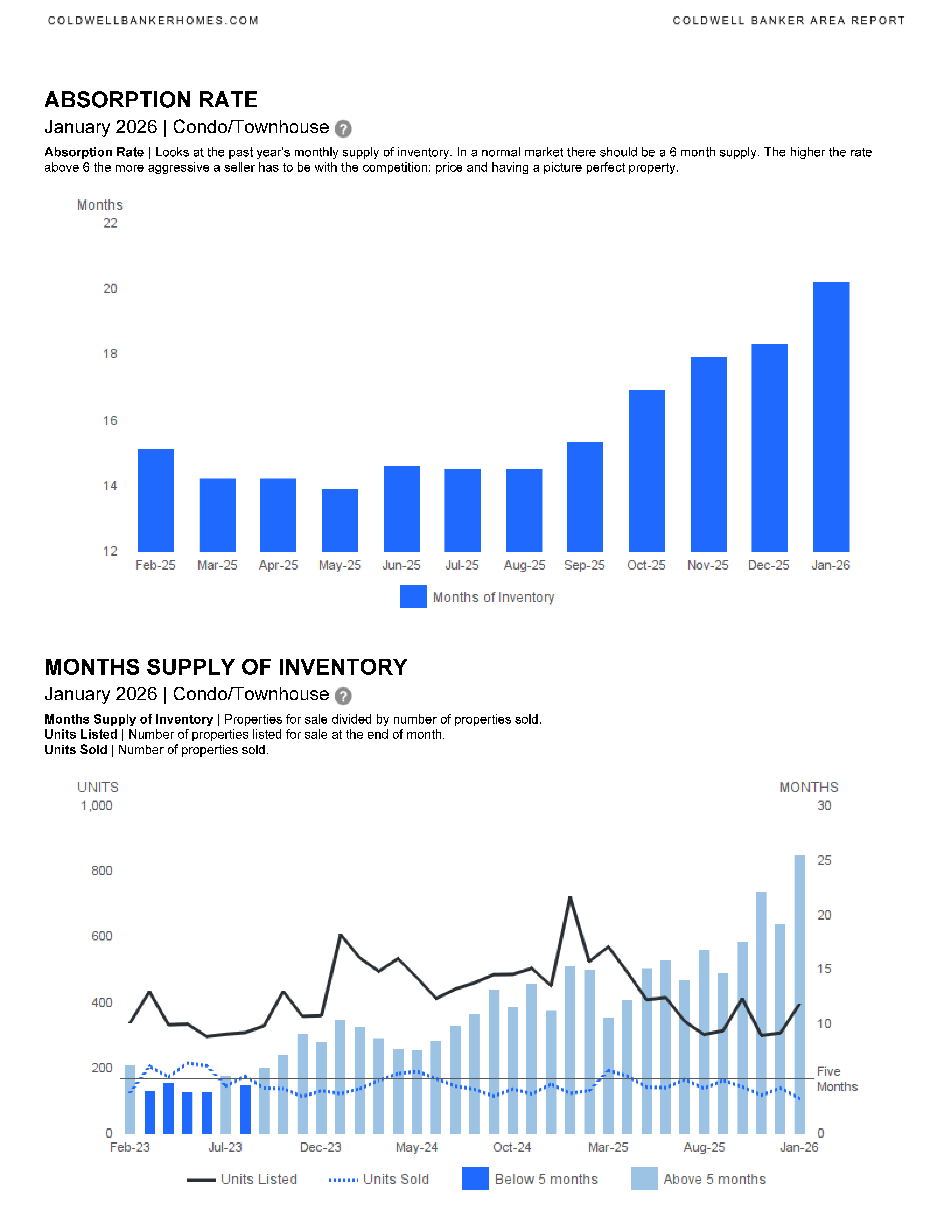
🏢 Condos & Townhomes
- Significant drop in new listings: Down ~44% year over year, tightening condo inventory.
- Strong price growth:
- Median sold price rose to $430,000 (+12.3% YoY).
- Average sold price jumped to $770,178 (+29% YoY).
- Sales volume slightly lower, but pricing remains resilient.
- Longer selling timeline:
- Average days on market increased to 112 days, indicating buyers are taking more time.
🔑 Overall Takeaway
- Low inventory + rising prices continue to define the Fort Lauderdale market.
- Sellers still hold an advantage, but pricing and presentation matter more than ever.
- Buyers face fewer choices, especially in desirable areas, reinforcing the importance of strategy and timing.
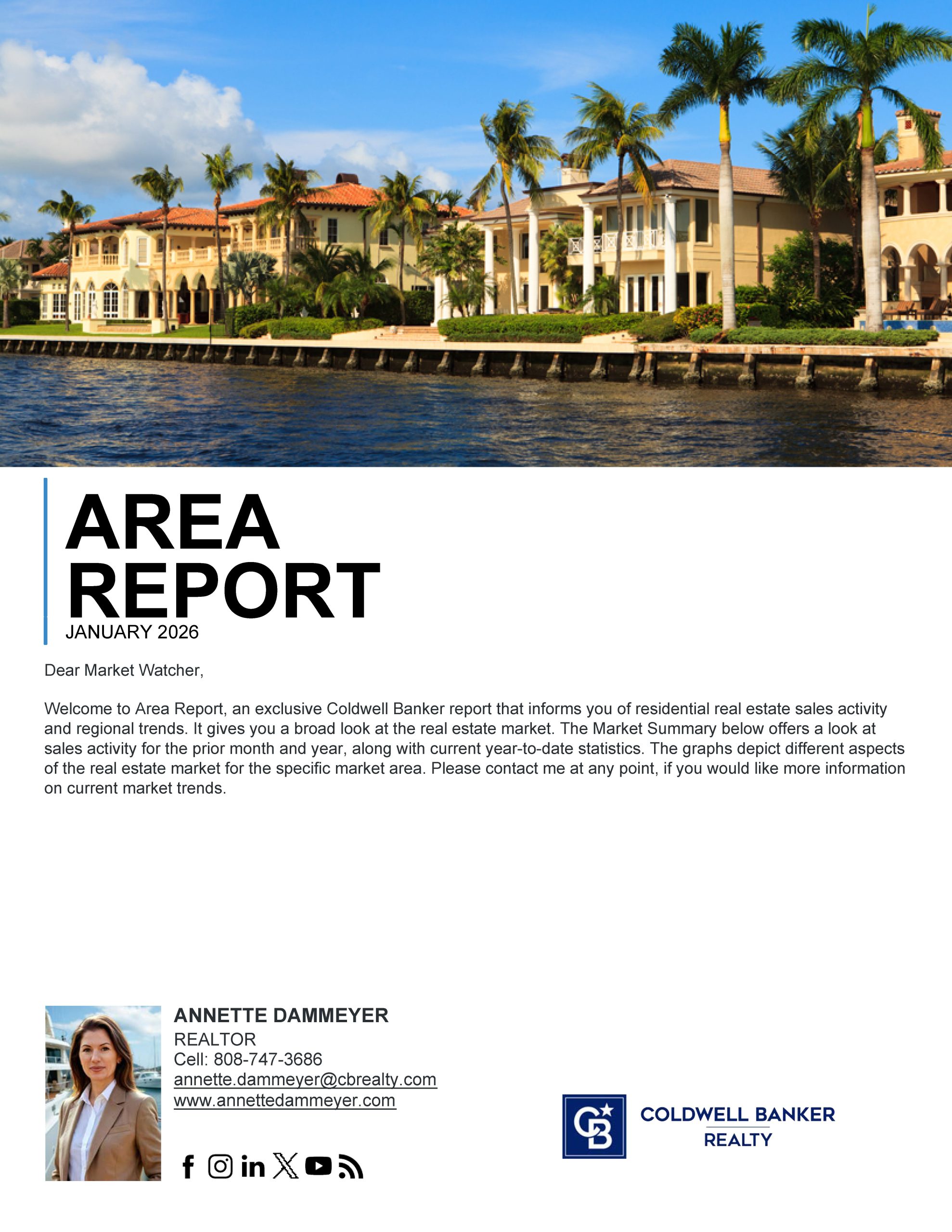

In this housing market in SE Florida, you need to work with an experienced and knowledgeable real estate professional. Please contact me if you would like to be sent updated market reports for YOUR specific neighborhood, Fort Lauderdale, or another SE Florida city. We can discuss the market, current trends and how we can work together to accomplish your real estate goals. I am here to help.
CONTACT ANNETTE
Let’s start working together!
Annette Dammeyer, REALTOR®, ABR®, AHWD®
Coldwell Banker Realty
901 E Las Olas Blvd STE 101, Fort Lauderdale, FL 33301
808.747.3686
SL 3535792
SE Florida Market Snapshot – January 2026
Market Trends in SE Florida
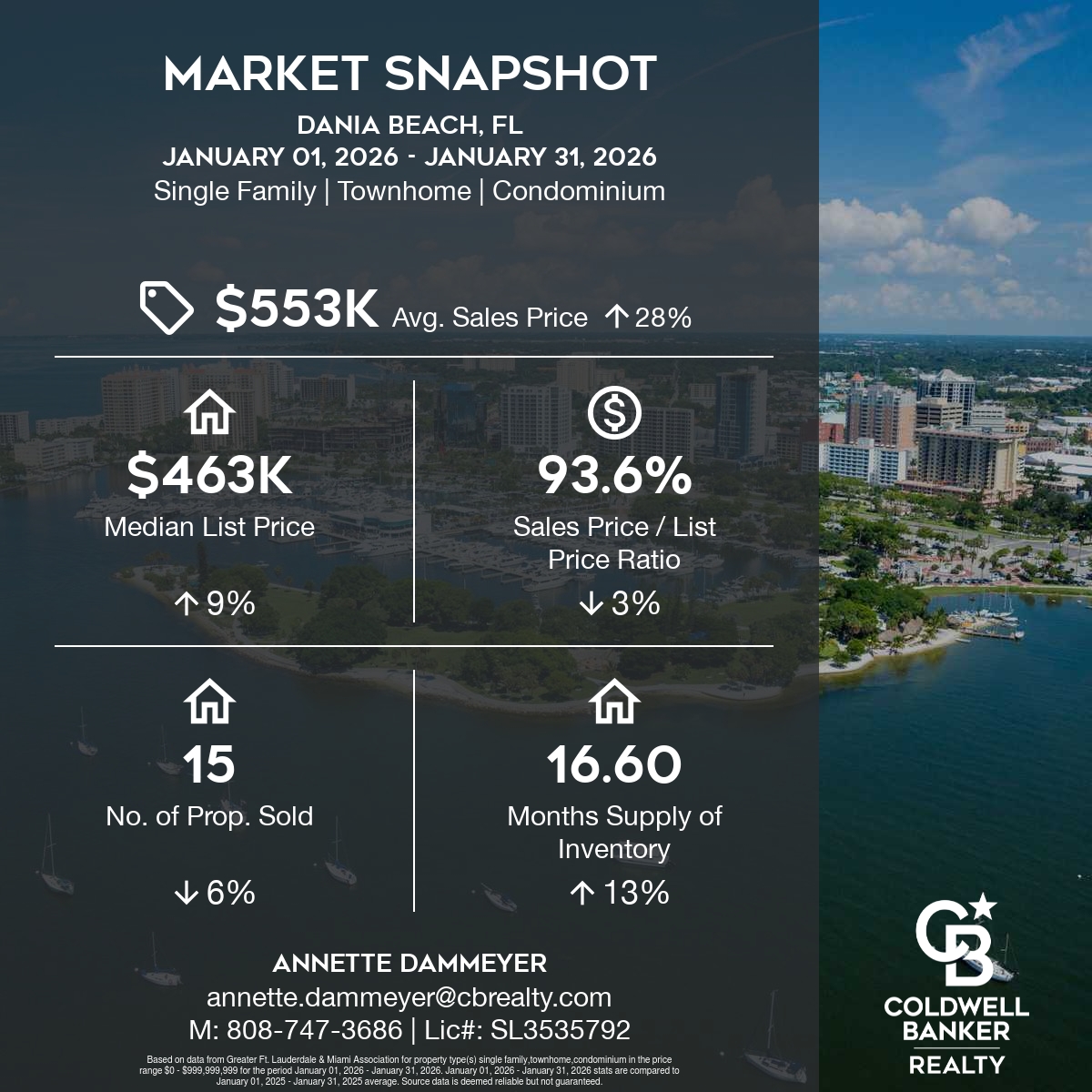
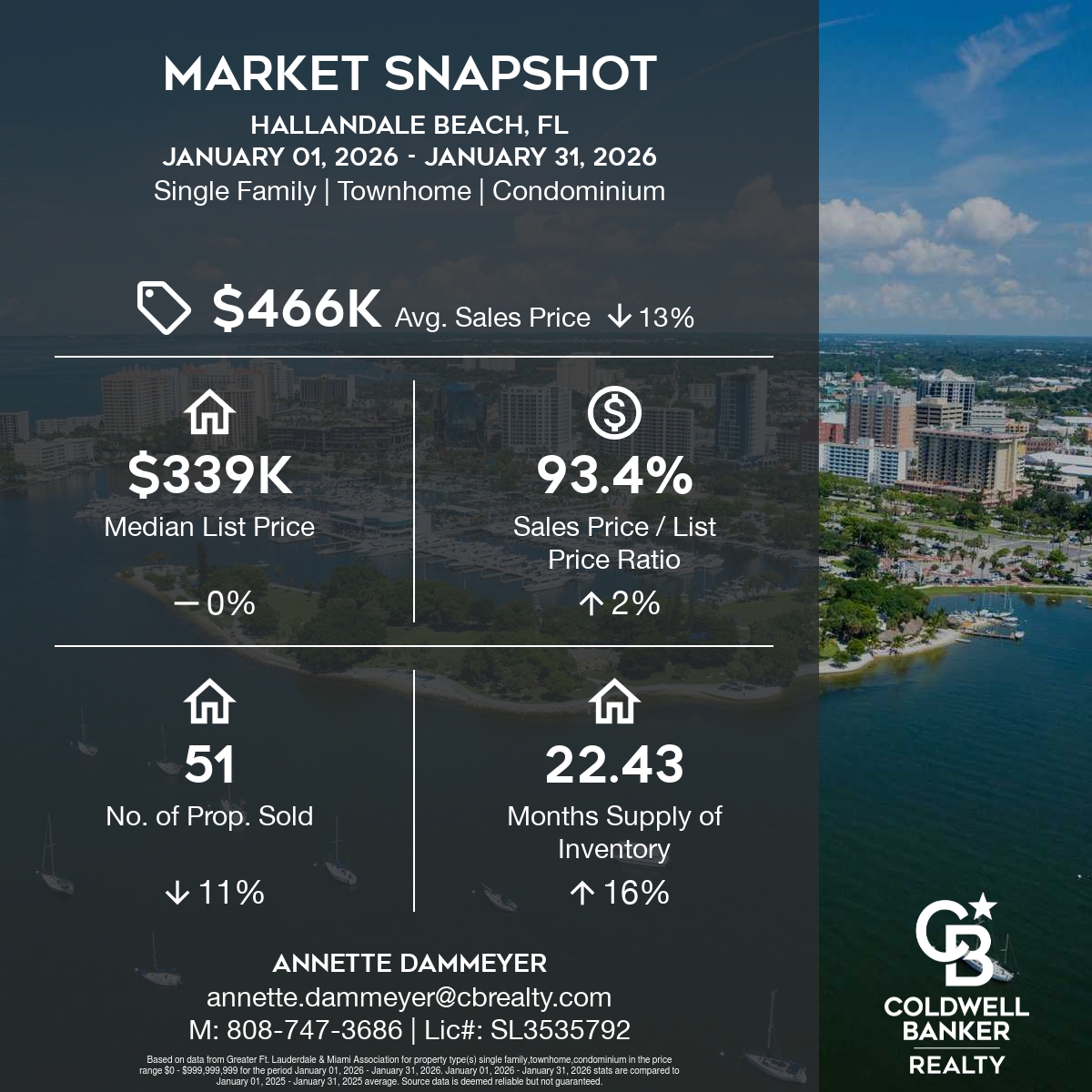
The real estate market is adjusting. With the fluctuation in property inventory, SE Florida is leaning towards a “buyer’s market”. Seller’s are now reassessing their asking price on their properties for sale. It is crucial to examine other similar homes on the market to establish an aggressive original listing price, generating multiple buyer’s attention to your property. This is also an important time to consider a decrease in asking price if the property has been on the market without active offers. I welcome any discussions you may want to have regarding your neighborhood trends. Please reach out to chat, even if you are not ready to buy or sell, but just would like to discuss current real estate updates. Here are the Market Snapshots reflecting the last month (compared to the same month last year) for the following areas:
- Fort Lauderdale
- Wilton Manors
- Hollywood
- Dania Beach
- Hallandale Beach
These take into account all property types (Single Family Homes/Condos/Townhomes).
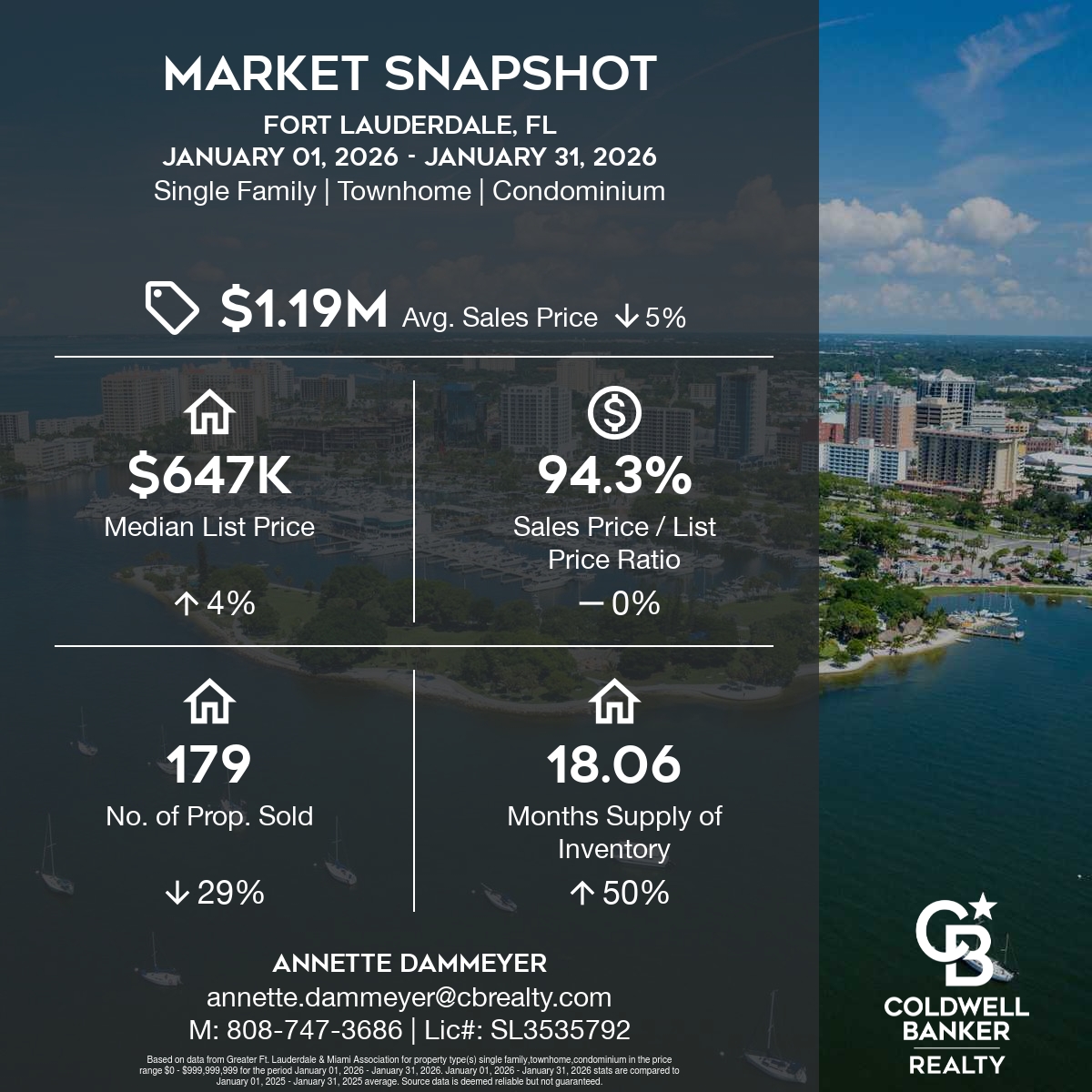
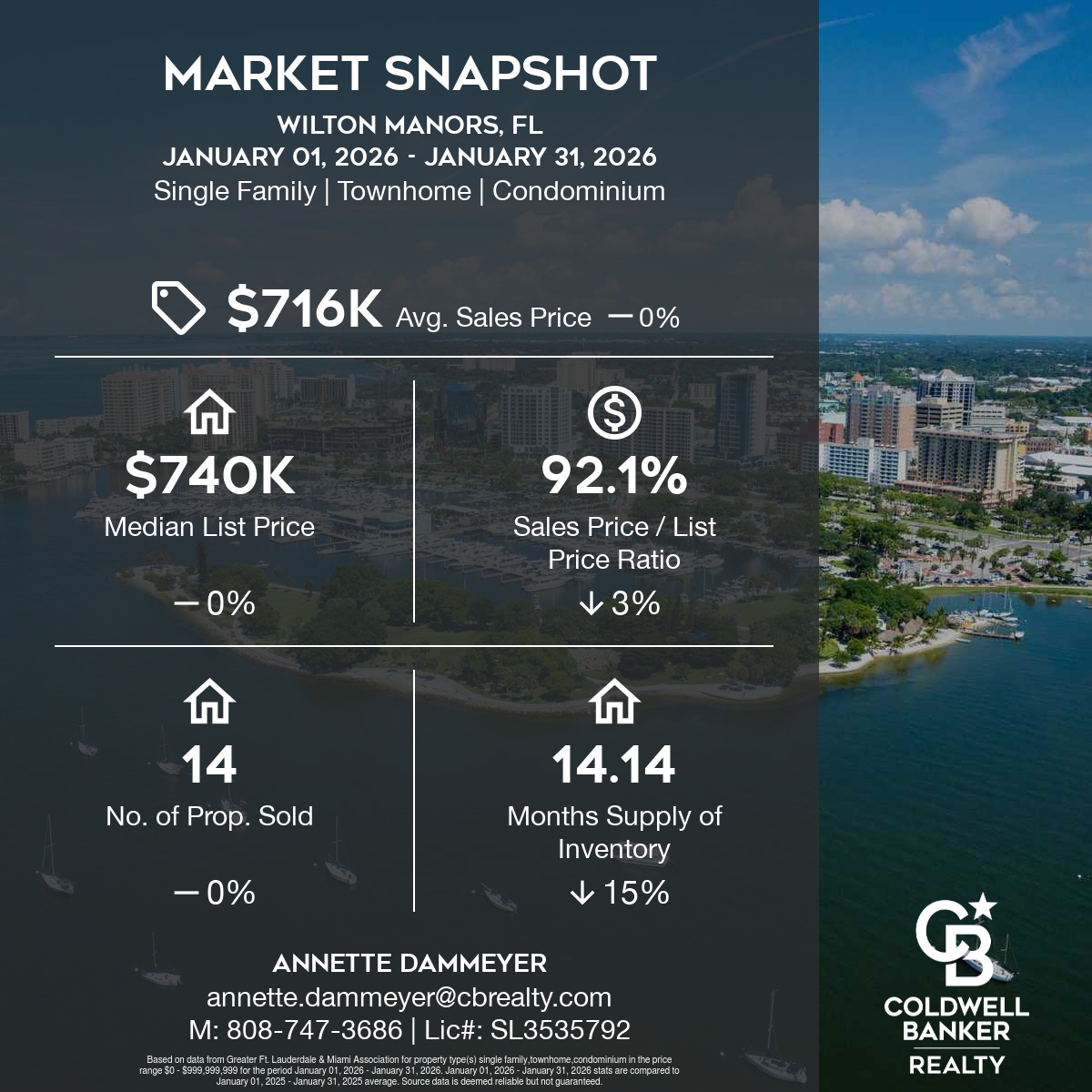
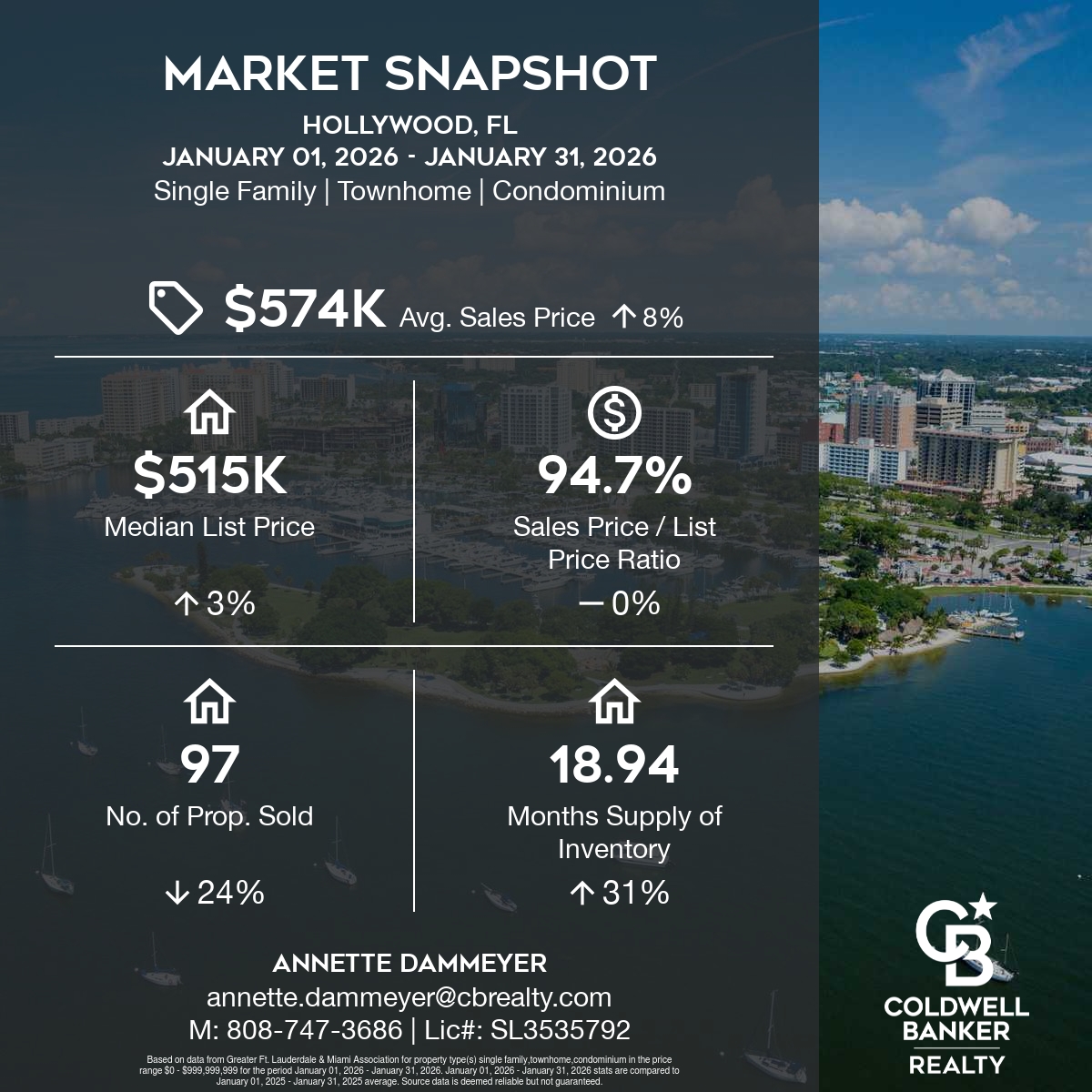
The real estate landscape in South Florida is evolving. Making smart, timely decisions has never been more important. Whether you’re considering selling, buying, or simply staying informed, I’m here to be your local advisor and resource.
Let’s talk about current market trends and how we can align your goals with today’s opportunities. I’d be happy to provide customized market reports for Fort Lauderdale, any SE Florida city, or even your specific neighborhood—all automatically delivered to your inbox.
Call or email me anytime. I’m here to help you move forward with clarity and confidence.
CONTACT ANNETTE
Let’s start working together!
Annette Dammeyer, REALTOR®, ABR®, AHWD®
Coldwell Banker Realty
901 E Las Olas Blvd STE 101, Fort Lauderdale, FL 33301
808.747.3686
SL 3535792
January 2026 ~ AI Real Estate Scams, New Home Trends and More!

January 2026 NewsletterWelcome to Your January 2026 Real Estate & Lifestyle Update!
We are about to celebrate the “Happy New Year”! As we step into 2026, I’m excited to bring you insights on AI scams in real estate, trends, and tips to help you make informed decisions—whether you’re buying, selling, renting, or simply looking to refresh your home. Here’s what you’ll find in this month’s newsletter: Your home is more than a place—it’s an investment and a lifestyle. Let’s make 2026 a fantastic year! Warm wishes for health and prosperity in the new year, |
|||||||||||
|
National Stories
|
|||||||||||
Real Estate Updates | Area Reports | November 2025
|





Thank you for joining me for this January 2026 Newsletter!
As we step into a brand-new year, remember that your home is more than four walls—it’s where your dreams take shape and your future grows. Whether you’re planning to buy, sell, invest, or simply refresh your space, I’m here to guide you every step of the way.
If you have questions, need advice, or just want to chat about your goals for 2026, reach out anytime—I’d love to help make this your best year yet!
Here’s to new beginnings, exciting opportunities, and a year filled with success and joy.
CONTACT ANNETTE
Let’s start working together!
Annette Dammeyer, REALTOR®, ABR®, AHWD®
Coldwell Banker Realty
901 E Las Olas Blvd STE 101, Fort Lauderdale, FL 33301
808.747.3686
SL 3535792
Selling & Buying a Home at the Same Time in SE Florida
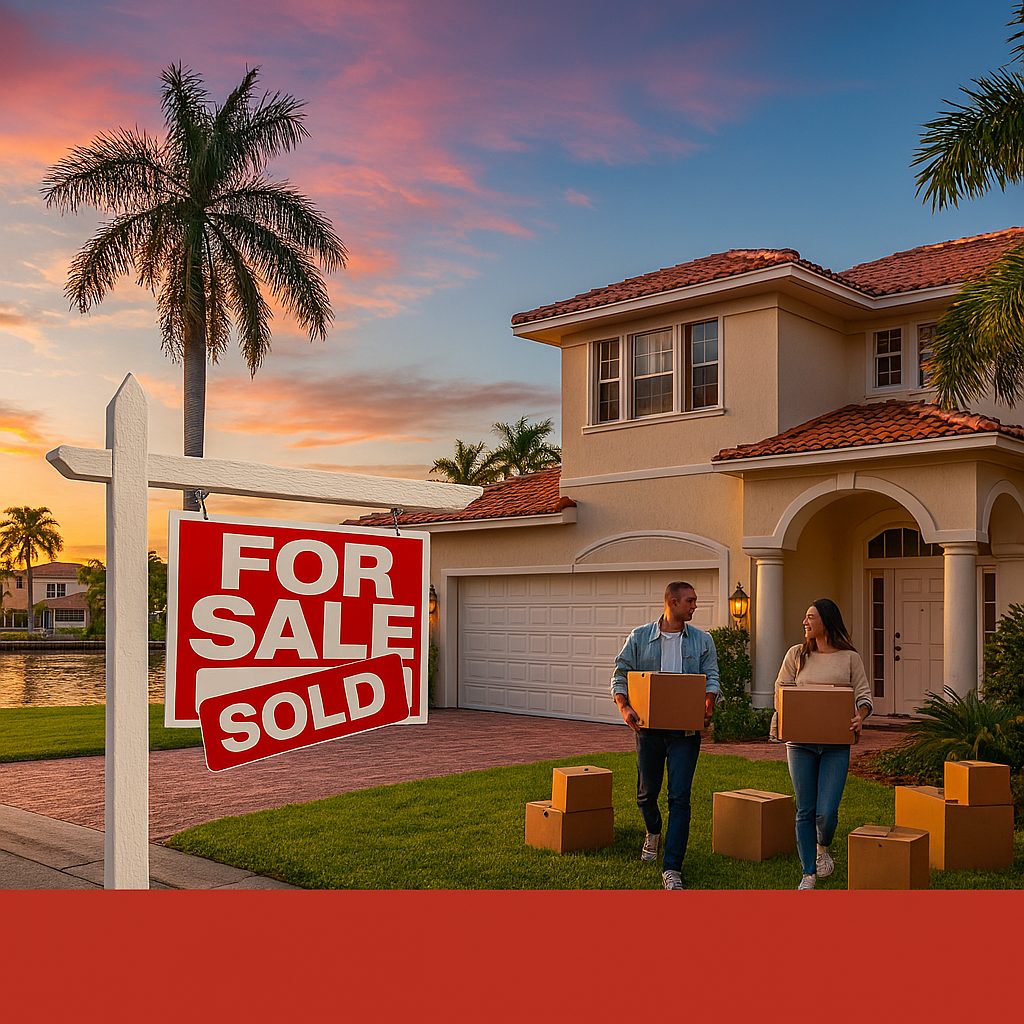
🏡 Selling & Buying a Home at the Same Time in SE Florida: Your Guide
In South East Florida, where waterfront dreams meet fast-moving markets, many homeowners find themselves asking: Can I sell my current home and buy a new one—without losing my mind or my momentum? The answer is yes—with the right strategy, timing, and support.
Whether you’re upsizing, downsizing, or simply craving a lifestyle shift, here’s your step-by-step guide to making this transition smooth, smart, and stress-free.
🌴 Step 1: Know Your Local Market
South Florida’s real estate rhythm is unique—seasonal surges, cash-heavy buyers, and lifestyle-driven decisions.
- Seller’s Market? You may sell quickly but face competition when buying.
- Buyer’s Market? You’ll have more choices but may wait longer to sell.
👉 Tip: Work with a local expert who understands Fort Lauderdale and surrounding cities along with the waterfront dynamics. Timing is everything and there are “markets within markets”!
💰 Step 2: Get Financially Prepared
Before listing your home, understand your buying power.
- Get Pre-Approved: Know your budget for the next home.
- Estimate Equity: Use your current home’s value to plan your down payment. The first move is understanding your current home’s value. In areas like Broward, Miami-Dade, and Palm Beach Counties, property values can vary dramatically street by street. A comparative market analysis (CMA) reveals what your home could realistically sell for — not just a guess based on online calculators. Knowing your equity helps determine your next home’s budget and what kind of financing options we should explore. Pro tip: Request a pre-listing home evaluation early. Even small updates like fresh paint, decluttering, or professional staging can increase your selling power.
- Bridge Loans: Consider short-term financing to “bridge” the gap between transactions.
- HELOCs or Home Equity Loans: Tap into your equity before selling.
👉 Tip: Talk to a lender who specializes in simultaneous transactions—they’ll help you avoid surprises. I have excellent lender resources for you.
🔁 Step 3: Decide Whether to Sell or Buy First
This depends on your risk tolerance, financial flexibility, and market conditions.
| Option | Pros | Cons |
| Sell First | Know your budget, avoid double mortgages | May need temporary housing |
| Buy First | Secure your dream home | Risk of owning two homes |
| Same-Day Closings | Seamless transition | Requires tight coordination |
| Rent-Back Agreements | Stay in your home after selling | Must negotiate with buyer |
👉 Tip: In SE Florida, rent-back agreements and extended closings are common—use them to your advantage.
📝 Step 4: Use Contingencies Strategically
- Sale Contingency: Your purchase depends on selling your current home.
- Purchase Contingency: Your sale depends on securing your next home.
👉 Tip: These clauses protect you—but may weaken your offer. Lean on your agent to negotiate wisely.
📦 Step 5: Plan Your Move Like a Pro
Logistics matter. Avoid the chaos with a clear plan.
- Hire Movers Early: Especially during peak seasons.
- Use Storage Solutions: If timing doesn’t align perfectly.
- Pack Smart: Label by room and priority.
👉 Tip: Consider staging your current home with minimal furniture while storing the rest—this boosts appeal and simplifies your move.
🤝 Step 6: Choose the Right Team
This is not a DIY moment. You need:
- A savvy real estate agent who knows both sides of the transaction
- A responsive lender
- A detail-oriented title company
👉 Tip: Look for professionals who communicate clearly and understand the emotional weight of this transition.
📞 Step 7: Stay Flexible and Communicative
Even with perfect planning, timing both transactions can feel like catching the tide at just the right moment.
That’s why consistent communication with your agent (and your lender) is key. I’ll coordinate both sides — from listing to closing — ensuring deadlines align and your move feels seamless.
🌅 Final Thoughts: Embrace the Journey
Selling and buying at the same time is a bold move—but it’s also a beautiful one. You’re not just changing homes; you’re evolving your lifestyle. In South East Florida, that might mean trading a canal-front cottage for a high-rise ocean view—or vice versa.
With the right plan, the right people, and a little patience, you can make this move with confidence and clarity.
Ready to Begin?
Let’s create a plan that reflects your goals, your lifestyle, and your timeline. Whether you’re upsizing, downsizing, or simply shifting gears, I’ll help you move with confidence—and maybe even a little joy. Let’s make your next move your best one yet.
CONTACT ANNETTE
Let’s start working together!
Annette Dammeyer, REALTOR®, ABR®, AHWD®
Coldwell Banker Realty
901 E Las Olas Blvd STE 101, Fort Lauderdale, FL 33301
808.747.3686
SL 3535792
Fort Lauderdale July 2025 Area Report
Fort Lauderdale July 2025 real estate statistics have been published.
Fort Lauderdale Area Reports
Single Family Homes
Condominium & Townhouses
Fort Lauderdale Real Estate Market Overview
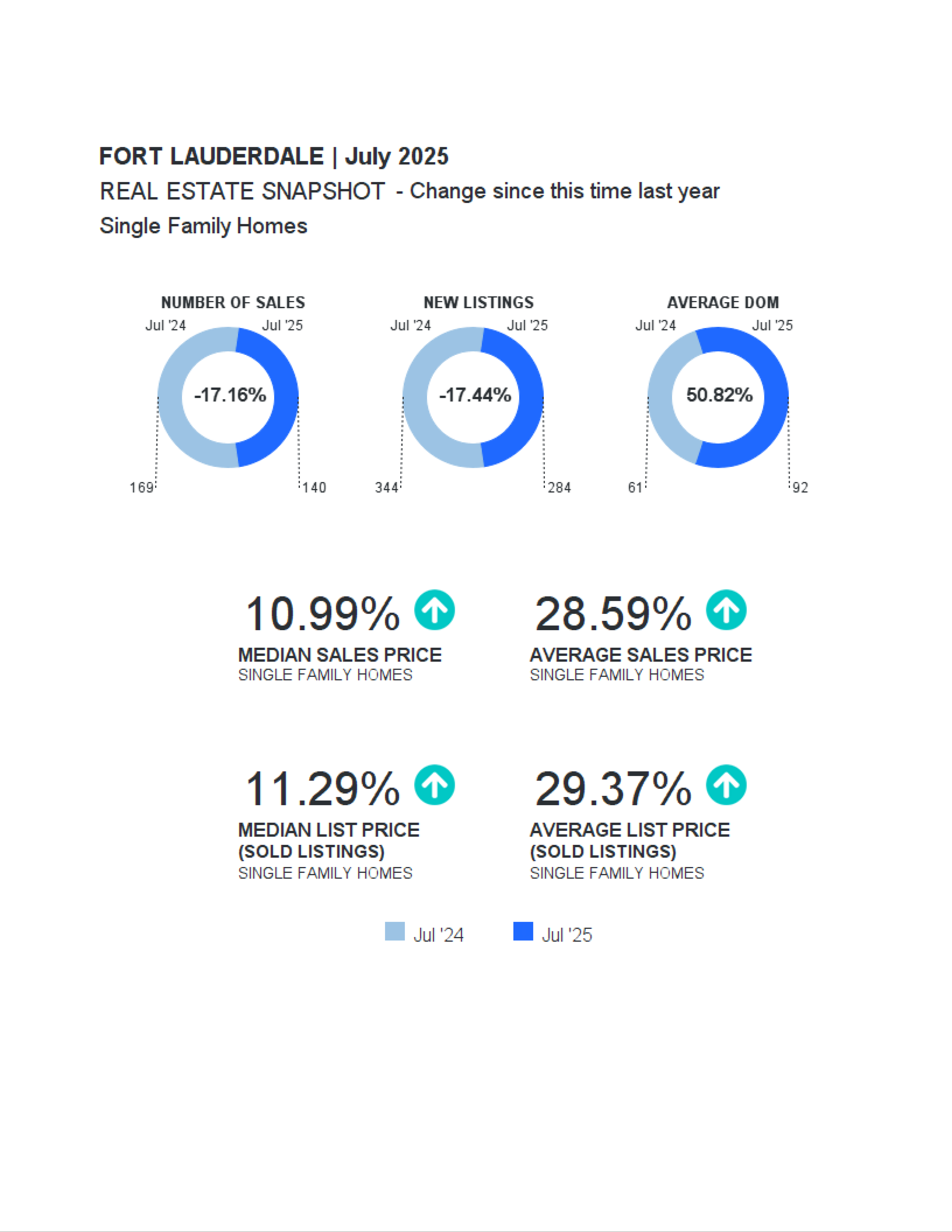
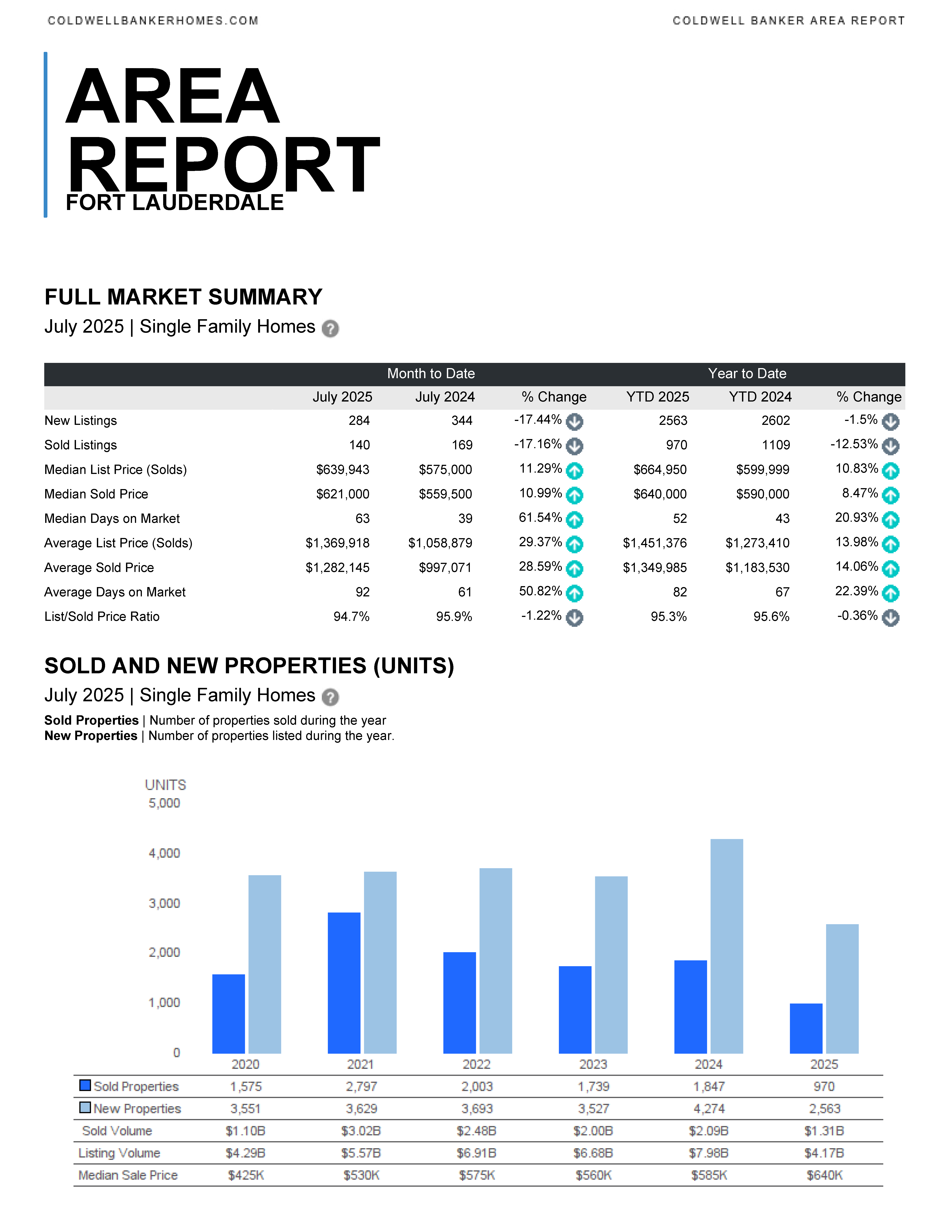
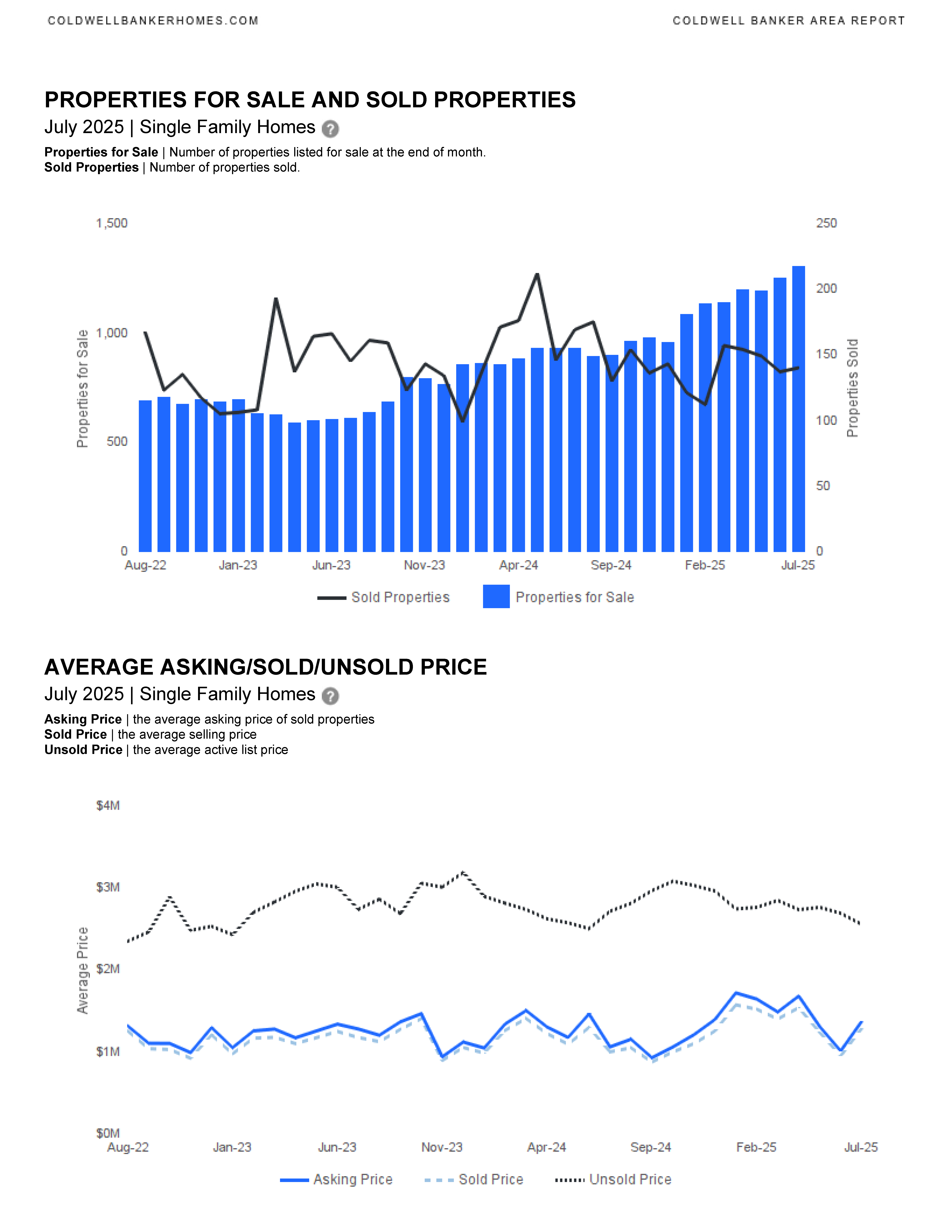
The July 2025 Area Report provides insights into the residential real estate market trends in Fort Lauderdale, focusing on single-family homes and condo/townhouse properties.
- Single Family Homes Performance
- Number of sales decreased by 17.16% year-to-date, totaling 1,109 sales.
- New listings fell by 17.44% month-to-date, with 344 new listings.
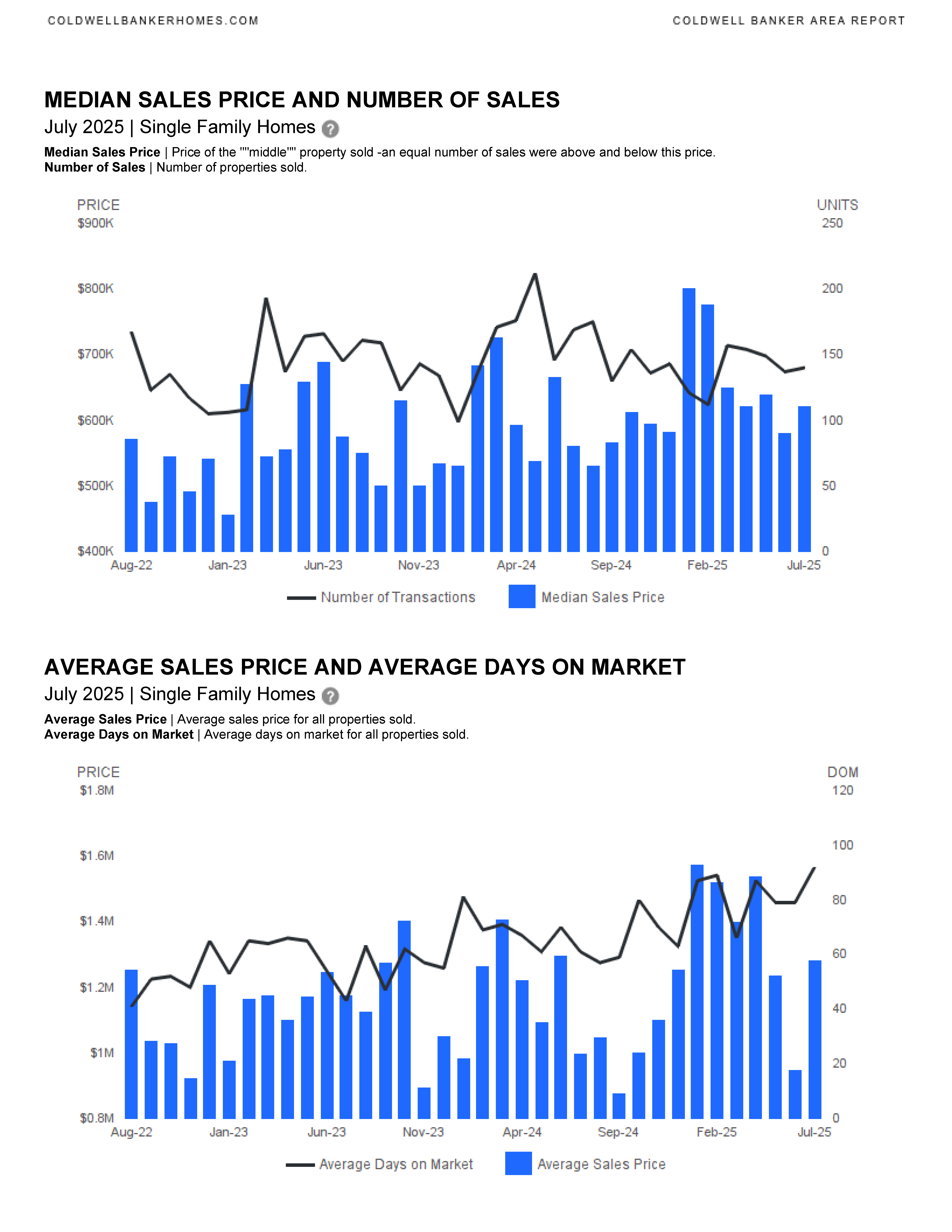
- Median sales price increased by 10.99% year-to-date, reaching $640,000.
- Average sales price rose by 28.59% month-to-date, now at $1,282,145.
- Average days on market increased by 50.82% month-to-date, averaging 92 days.
Condo/Townhouse Market Insights
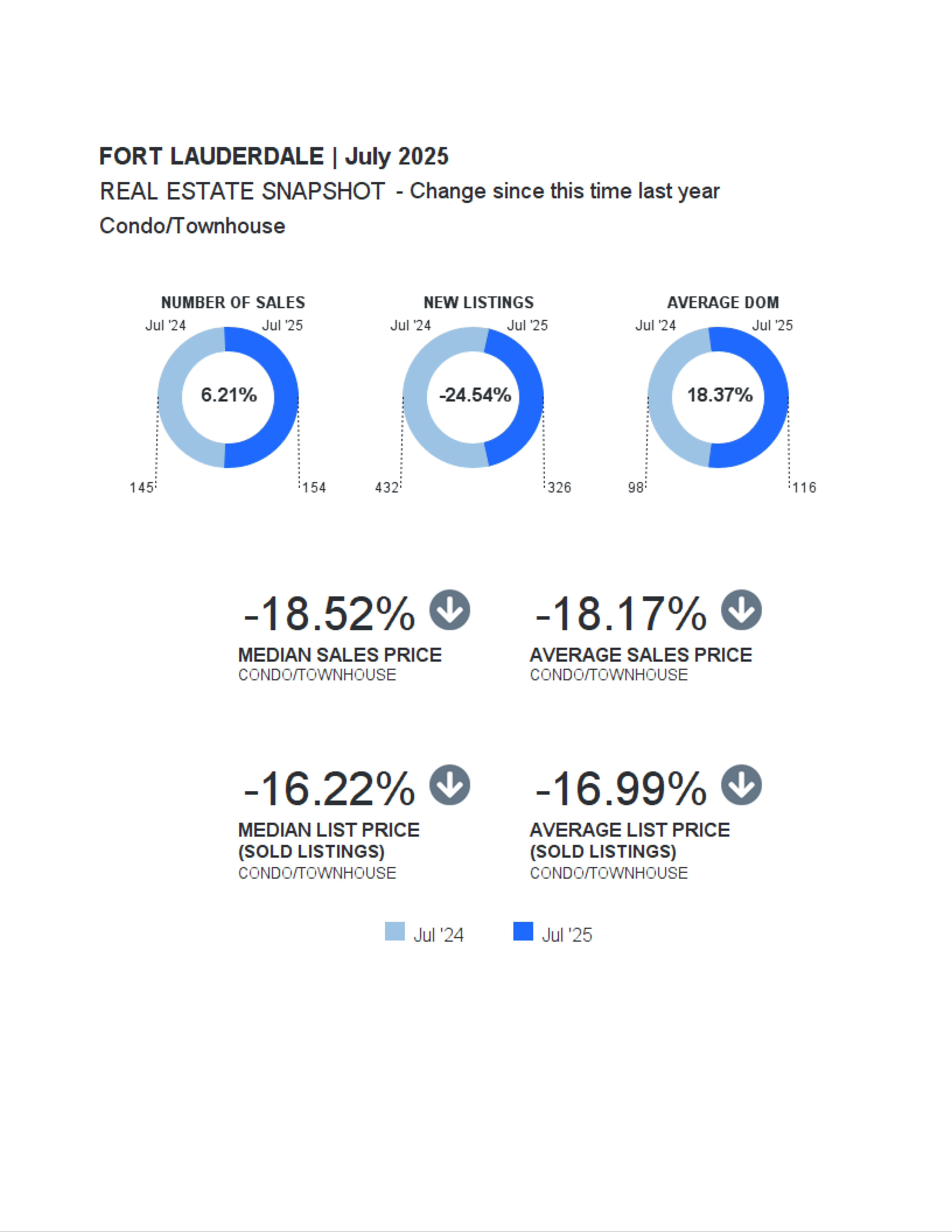
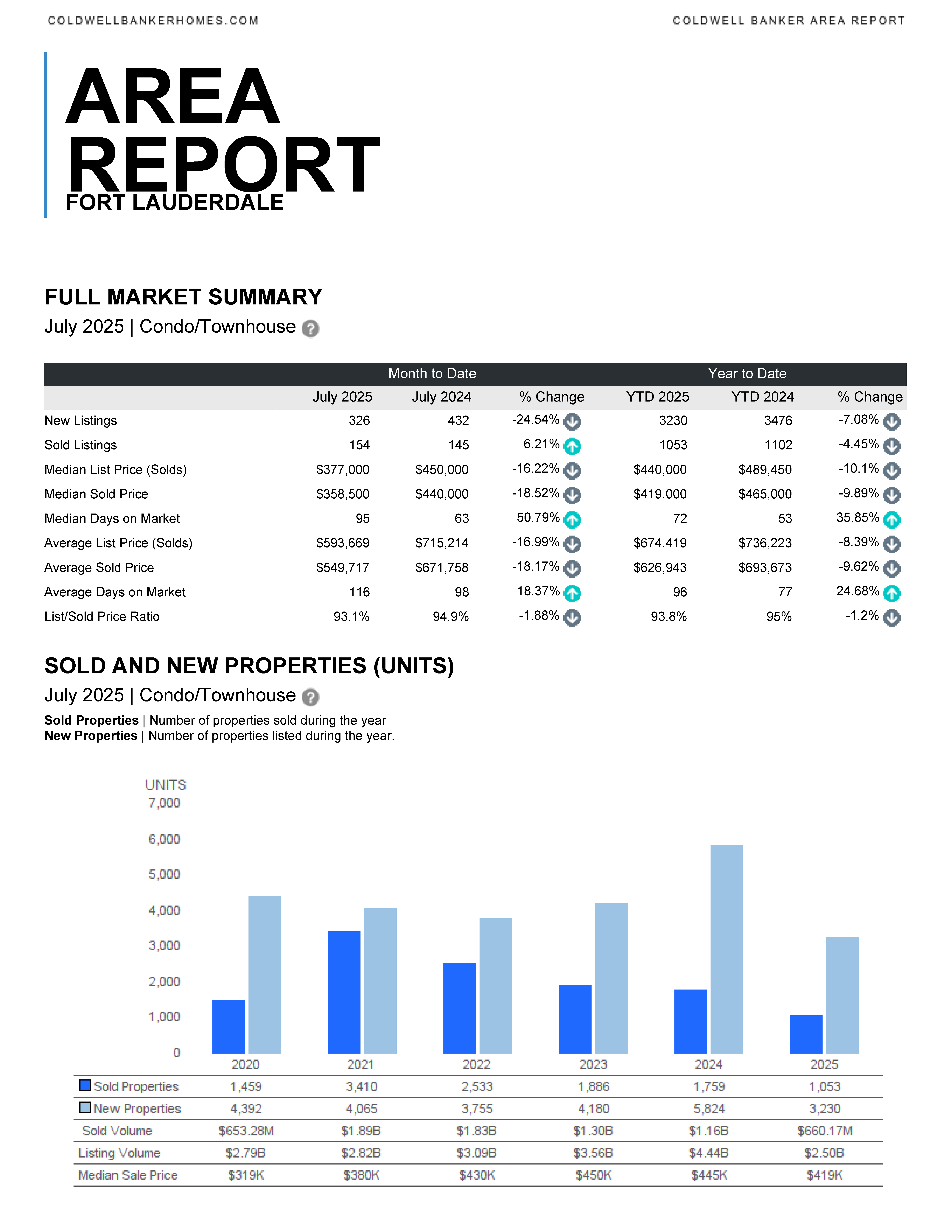
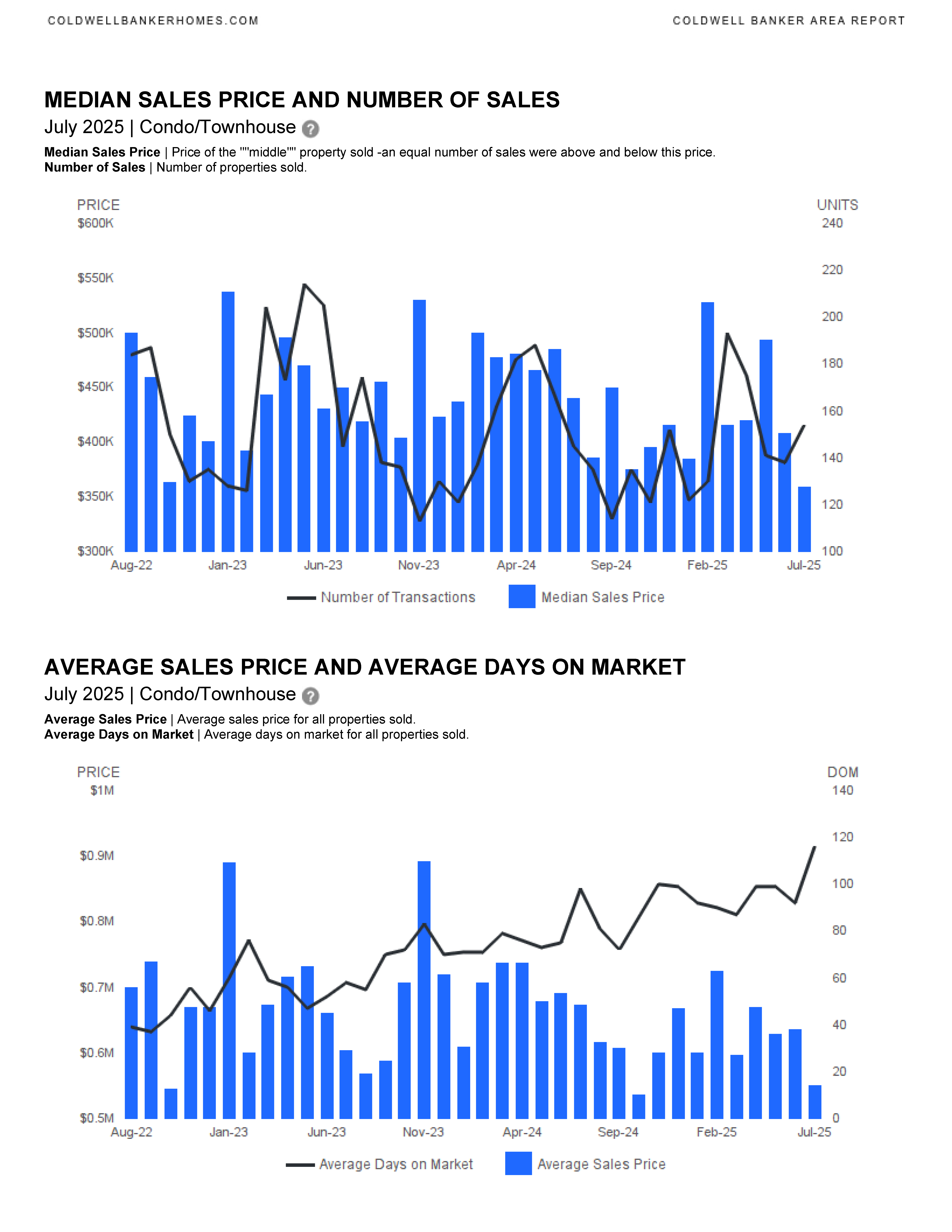
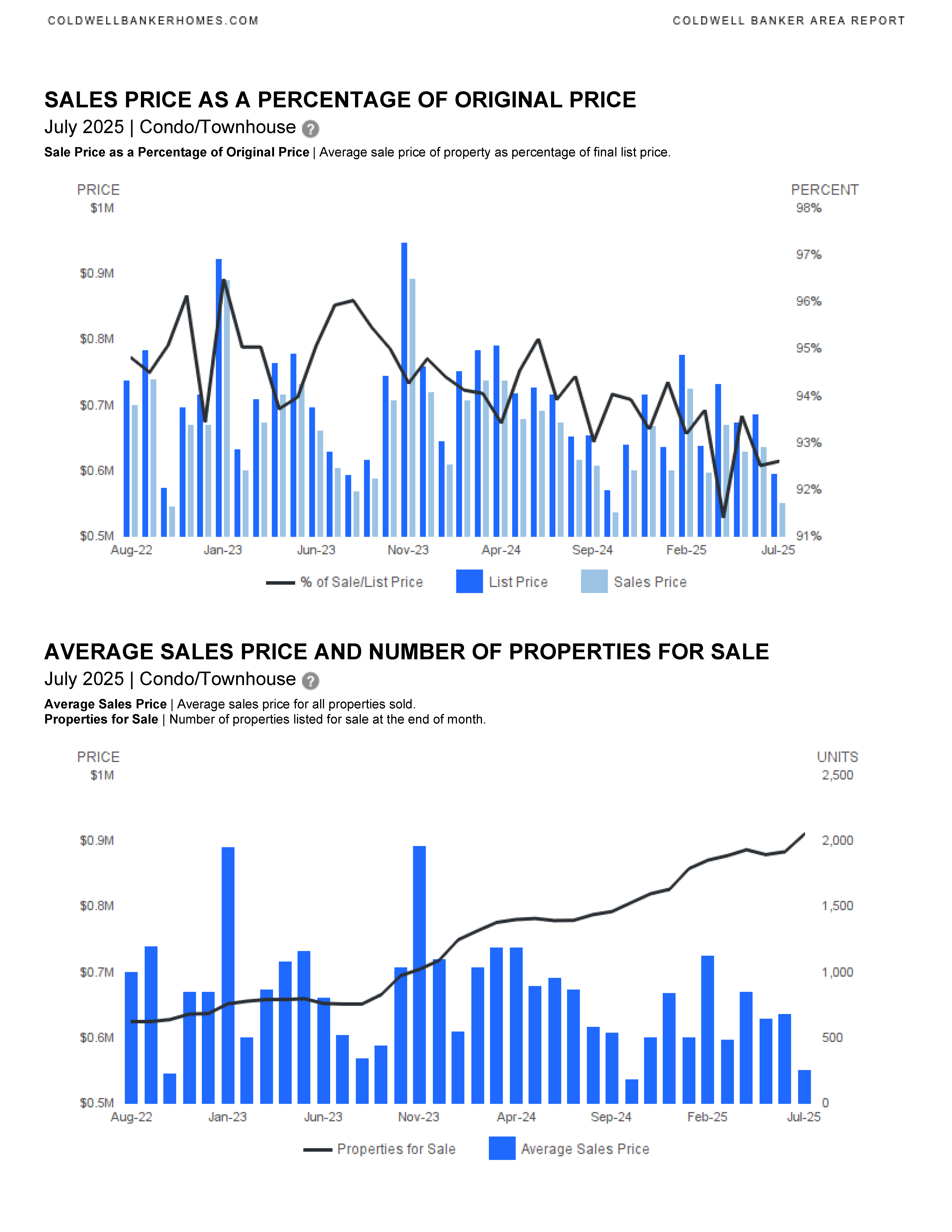
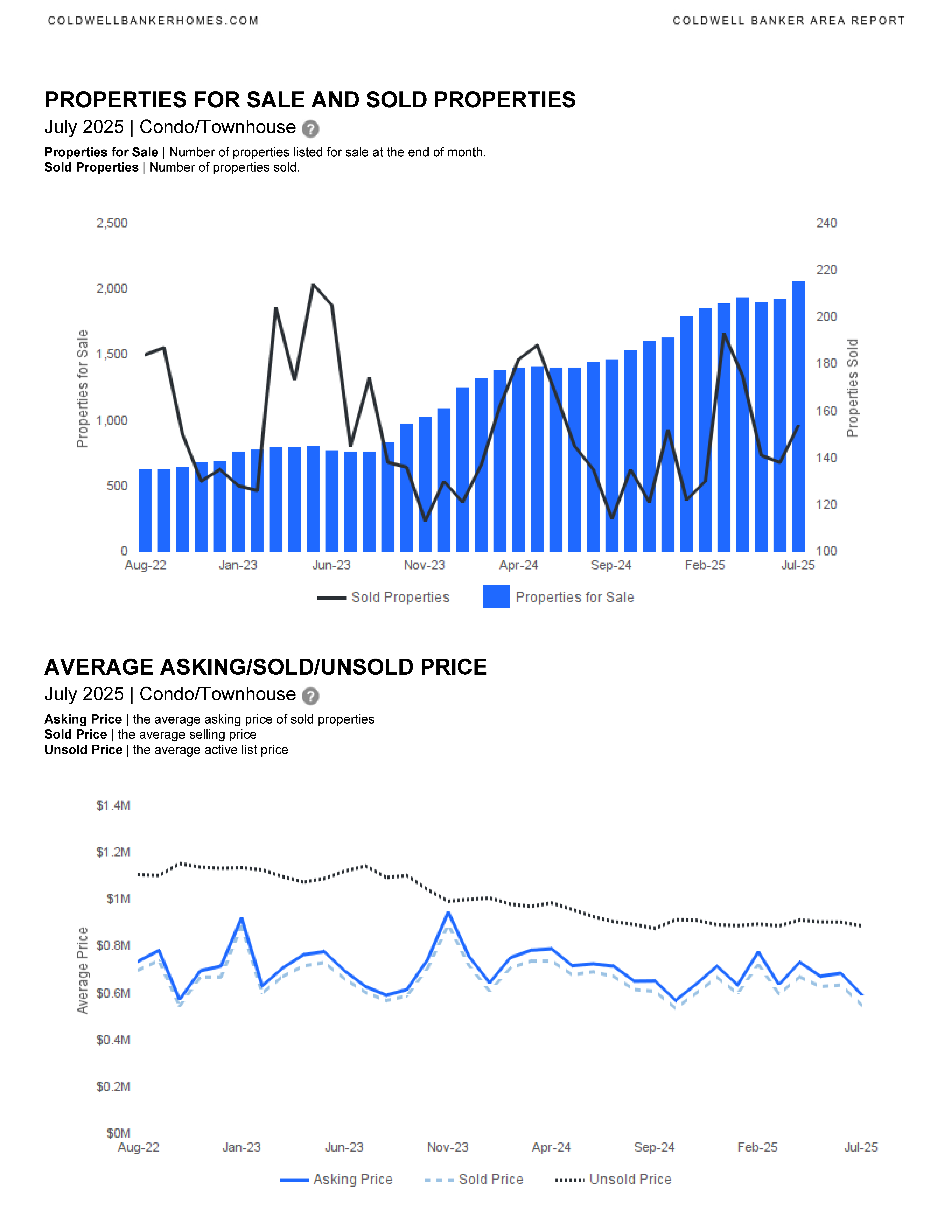
The report highlights a decline in sales and prices for condo/townhouse properties in Fort Lauderdale as of July 2025.
- Condo/Townhouse Sales Trends
- Number of sales increased by 6.21% month-to-date, totaling 145 sales.
- New listings decreased by 24.54% month-to-date, with 432 new listings.
- Median sales price dropped by 18.52% year-to-date, now at $358,500.
- Average sales price decreased by 18.17% month-to-date, currently at $549,717.
- Average days on market increased by 18.37% month-to-date, averaging 116 days.
Key Market Statistics and Comparisons
The report provides comparative statistics for both single-family homes and condo/townhouse properties, illustrating market dynamics.
- Comparative Market Data
- Single-family homes saw a median list price increase of 11.29% year-to-date.
- Condo/townhouse median list price decreased by 16.22% month-to-date.
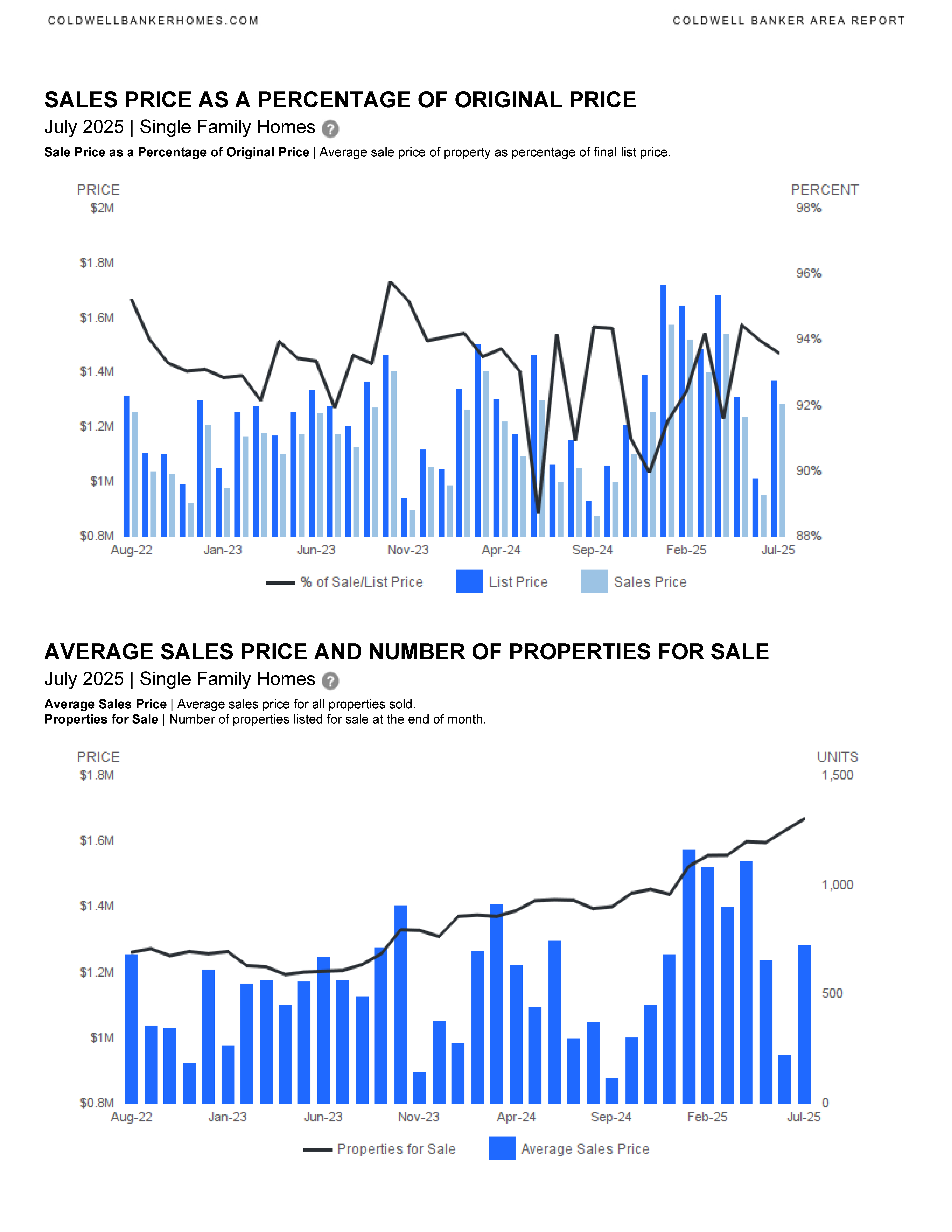
- List/sold price ratio for single-family homes is 94.7%, while for condos/townhouses it is 93.1%.
- The average days on market for single-family homes is 92 days compared to 116 days for condos/townhouses.
Overall Market Trends and Observations
The report concludes with observations on the overall market trends affecting both property types in Fort Lauderdale.
- Market Observations
- The real estate market shows mixed trends with rising prices for single-family homes and declining prices for condos/townhouses.
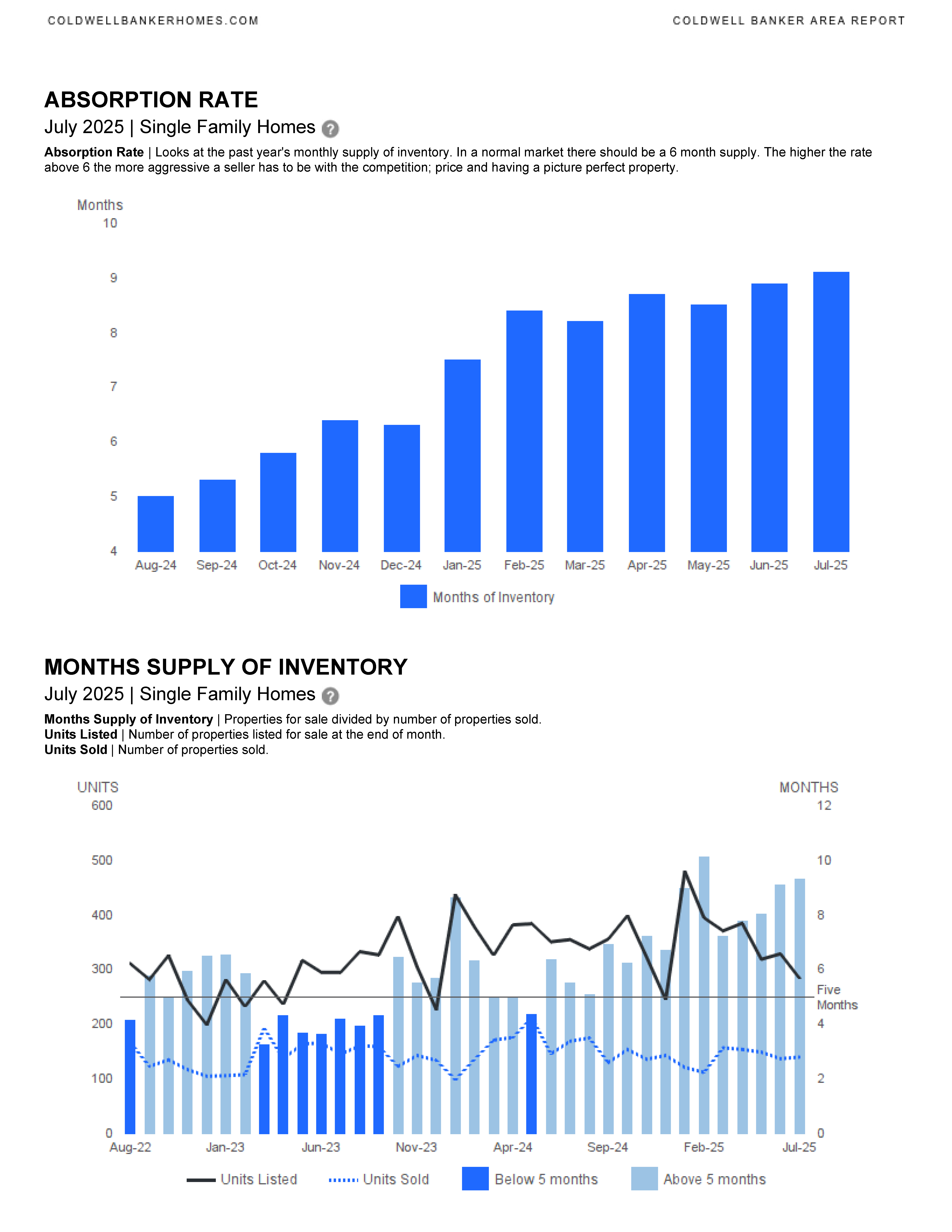
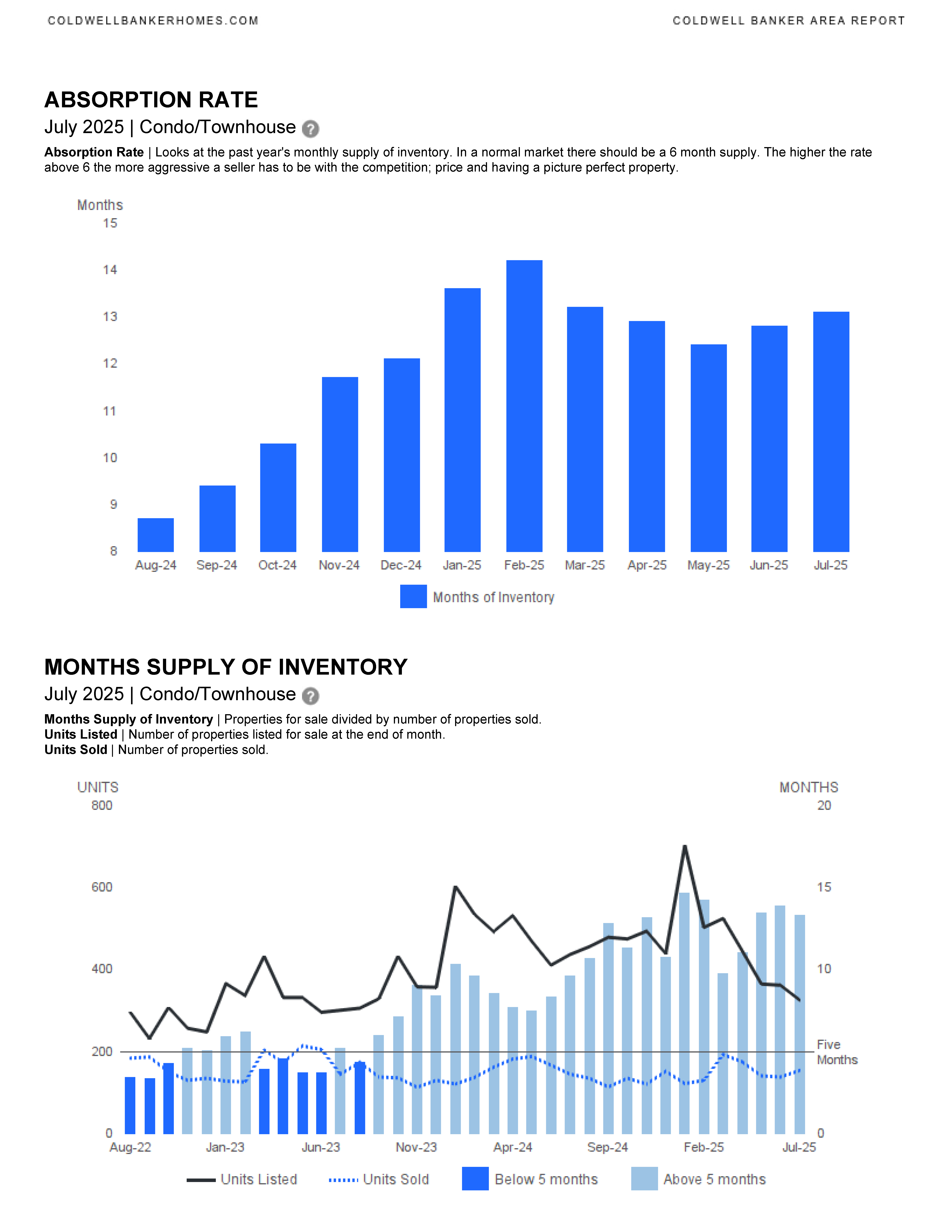
- The absorption rate indicates a competitive market for single-family homes, while condos may require adjustments in pricing strategies.
- The overall inventory levels and sales activity suggest a need for sellers to be proactive in pricing and presentation.

We are entering a new real estate market in SE Florida. This is the time to work with an experienced and knowledgeable real estate professional. Please contact me if you would like to be sent updated market reports for YOUR specific neighborhood, Fort Lauderdale, or another SE Florida city. We can discuss the market, current trends and how we can work together to accomplish your real estate goals. I am here to help.
CONTACT ANNETTE
Let’s start working together!
Annette Dammeyer, REALTOR®, ABR®, AHWD®
Coldwell Banker Realty
901 E Las Olas Blvd STE 101, Fort Lauderdale, FL 33301
808.747.3686
SL 3535792
SE Florida Market Snapshot – July 2025
Market Trends in SE Florida
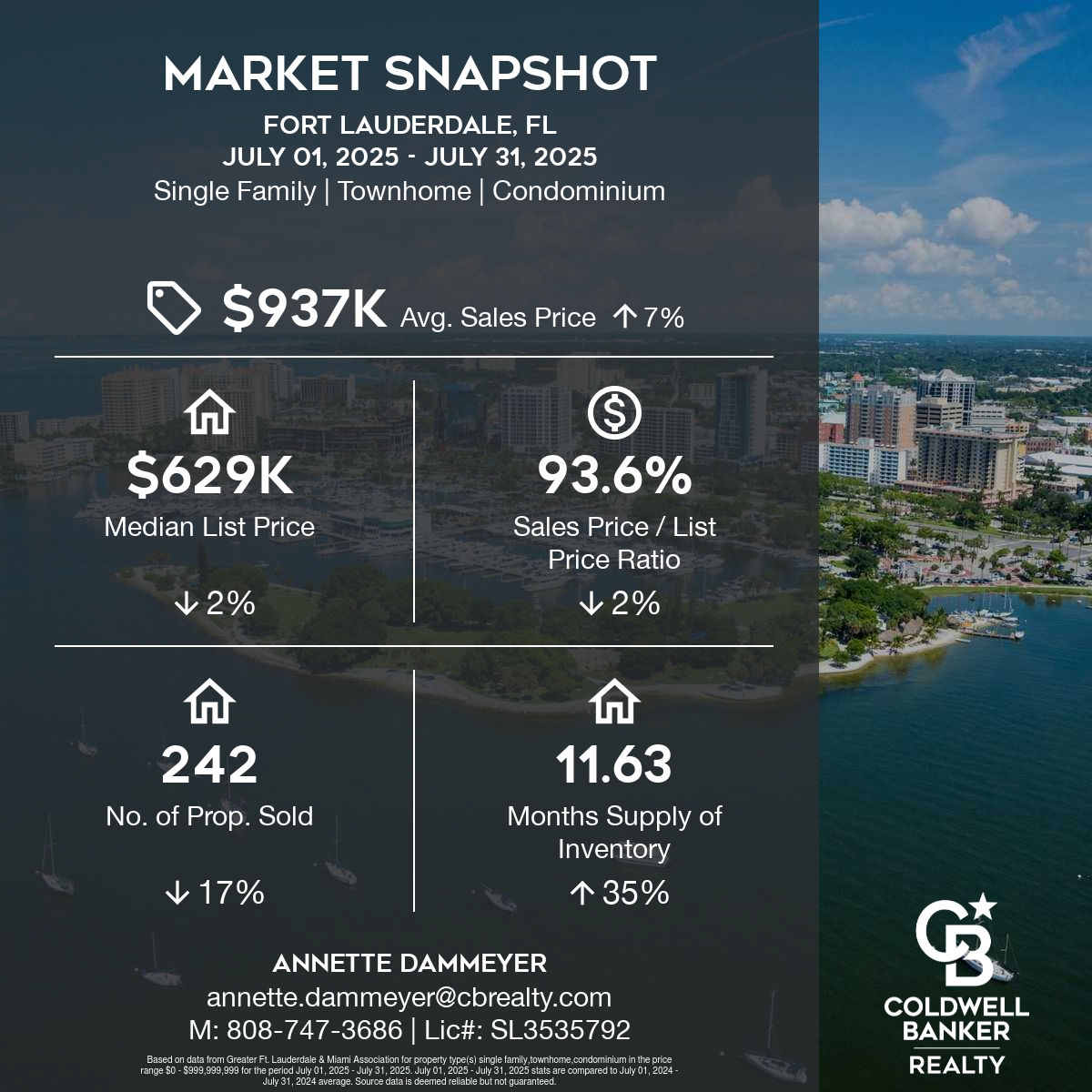
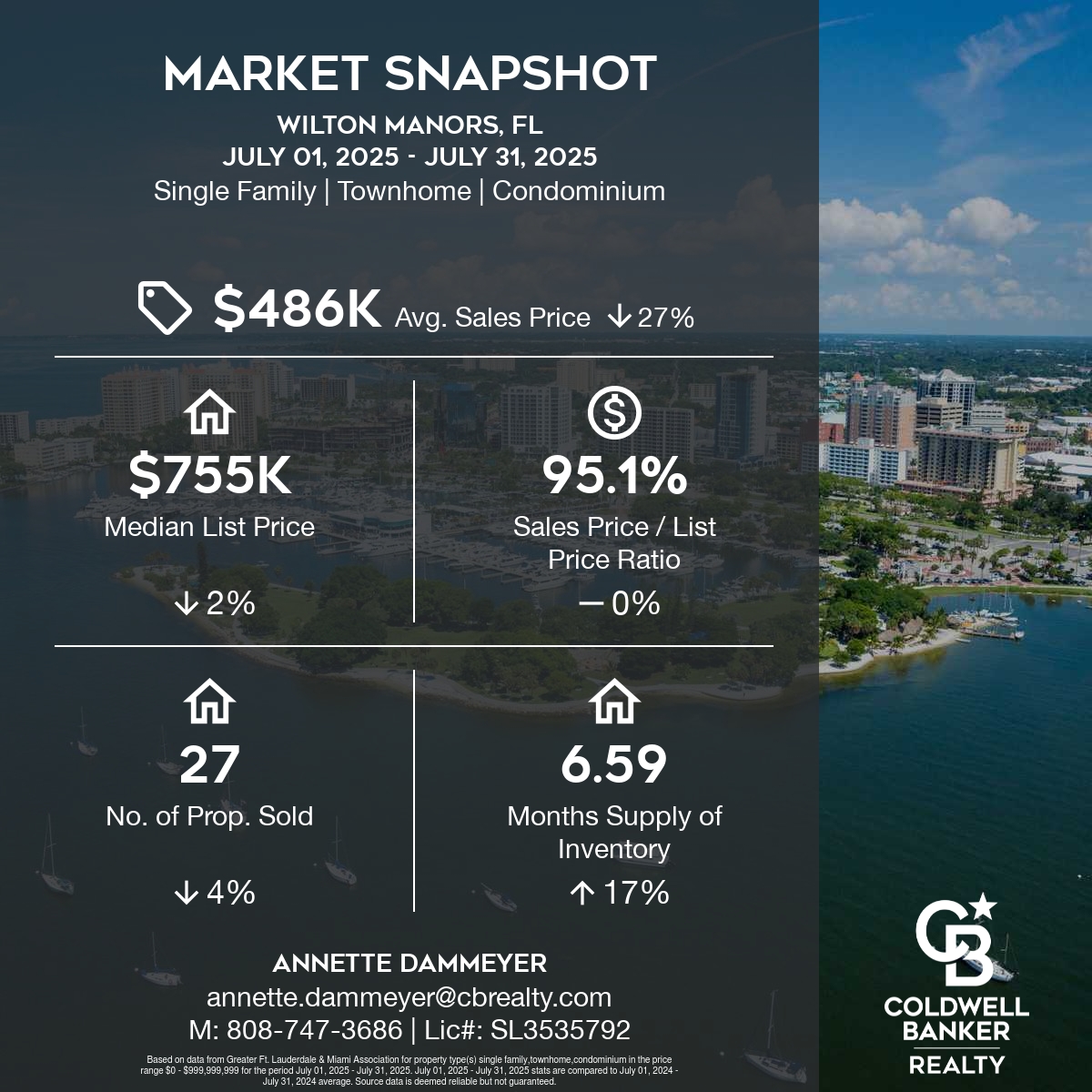
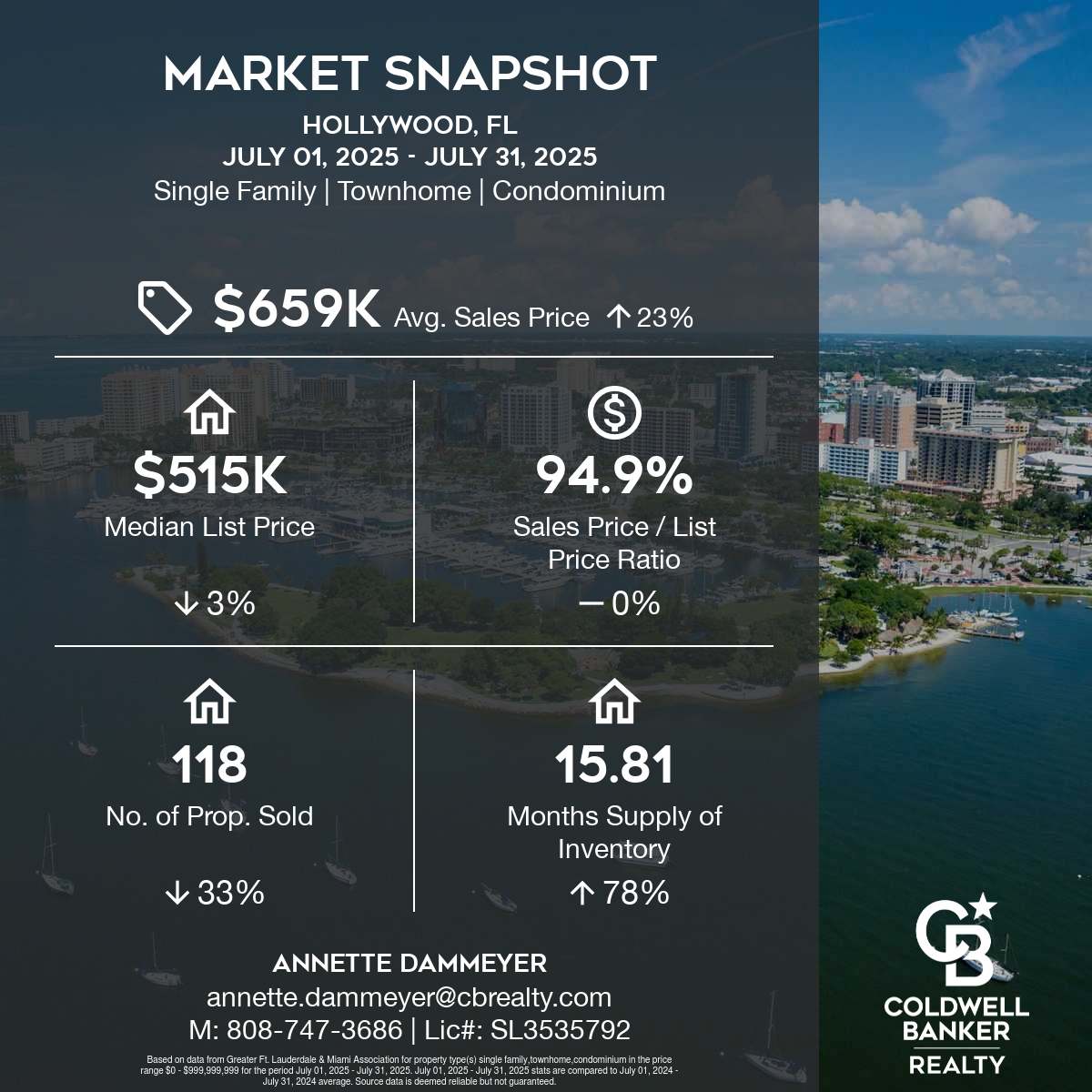
The real estate market is adjusting. With the increase in months of supply of inventory, SE Florida is leaning towards a “buyer’s market”. Seller’s are now reassessing their asking price on their properties for sale. It is crucial to examine other similar homes on the market to establish an aggressive original listing price, generating multiple buyer’s attention to your property. This is also an important time to consider a decrease in asking price if the property has been on the market without active offers. I welcome any discussions you may want to have regarding your neighborhood trends. Please reach out to chat, even if you are not ready to buy or sell, but just would like to discuss current real estate updates. Here are the Market Snapshots reflecting the last month (compared to the same month last year) for the following areas:
- Fort Lauderdale
- Wilton Manors
- Hollywood
- Dania Beach
- Hallandale Beach
These take into account all property types (Single Family Homes/Condos/Townhomes).
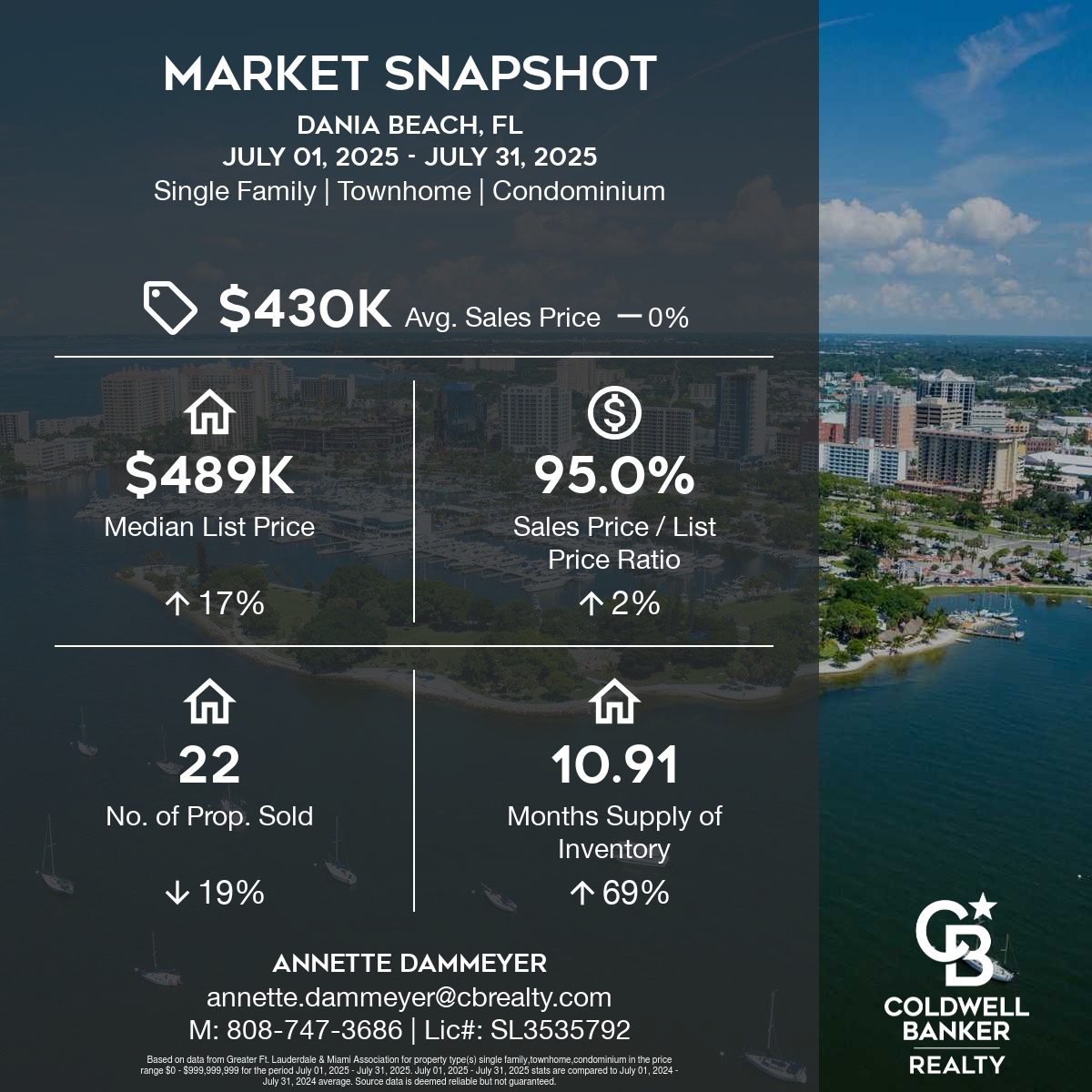
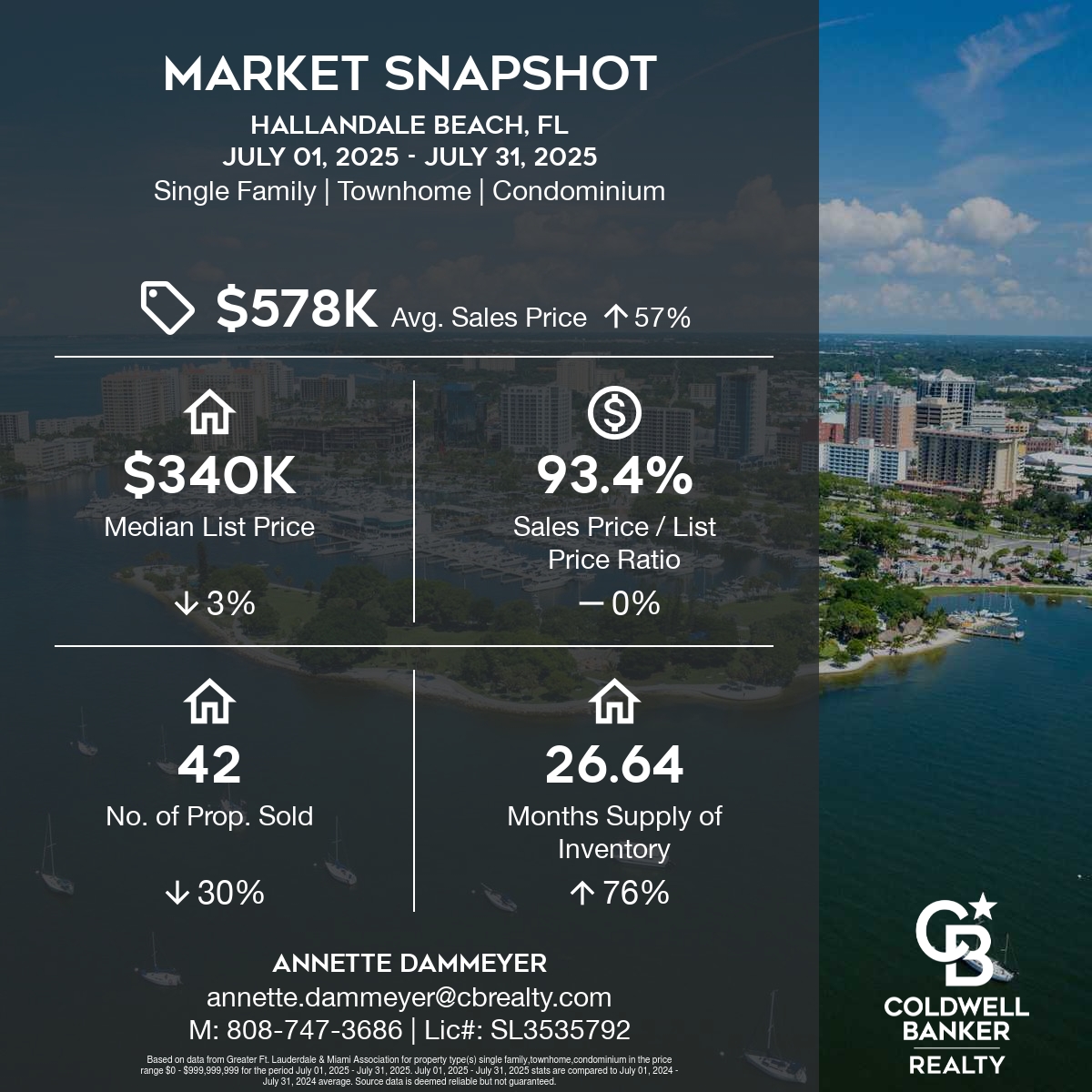
The real estate landscape in South Florida is evolving quickly—and making smart, timely decisions has never been more important. Whether you’re considering selling, buying, or simply staying informed, I’m here to be your local guide and resource.
Let’s talk about current market trends and how we can align your goals with today’s opportunities. I’d be happy to provide customized market reports for Fort Lauderdale, any SE Florida city, or even your specific neighborhood—all automatically delivered to your inbox.
Call or email me anytime. I’m here to help you move forward with clarity and confidence
CONTACT ANNETTE
Let’s start working together!
Annette Dammeyer, REALTOR®, ABR®, AHWD®
Coldwell Banker Realty
901 E Las Olas Blvd STE 101, Fort Lauderdale, FL 33301
808.747.3686
SL 3535792
July 2025 ~ Unlock Equity, Spark Joy & Celebrate!

July 2025 NewsletterJuly is nearly here, and you know what that means—fireworks, family, and a fresh batch of inspiration to make your home sparkle all year long! I’m delighted to bring you this month’s newsletter, filled with practical tips and creative ideas to elevate your space and your equity. Whether you’re cooling off poolside or prepping your patio for the perfect Fourth of July bash, I’ve curated articles that speak to the way we live—and dream—here in beautiful South Florida. This issue, we’re exploring:
Wherever you are on your homeownership journey, I’m here to help you make informed, confident, and creative choices—every step of the way. Wishing you a safe, joyful and fun-filled July! Warmly, |
|||||||||||
National Stories
|
|||||||||||
|
|
|||||||||||
|
Real Estate Updates | Area Reports | May 2025
|


Enjoy your July and celebrate in style! If you are interested in evaluating your home equity, I offer complimentary comparative market analyses to give you a clear picture of your home’s value in today’s SE Florida market. I’m here to help and guide you every step of the way with experience and integrity.
CONTACT ANNETTE
Let’s start working together!
Annette Dammeyer, REALTOR®, ABR®, AHWD®
Coldwell Banker Realty
901 E Las Olas Blvd STE 101, Fort Lauderdale, FL 33301
808.747.3686
SL 3535792
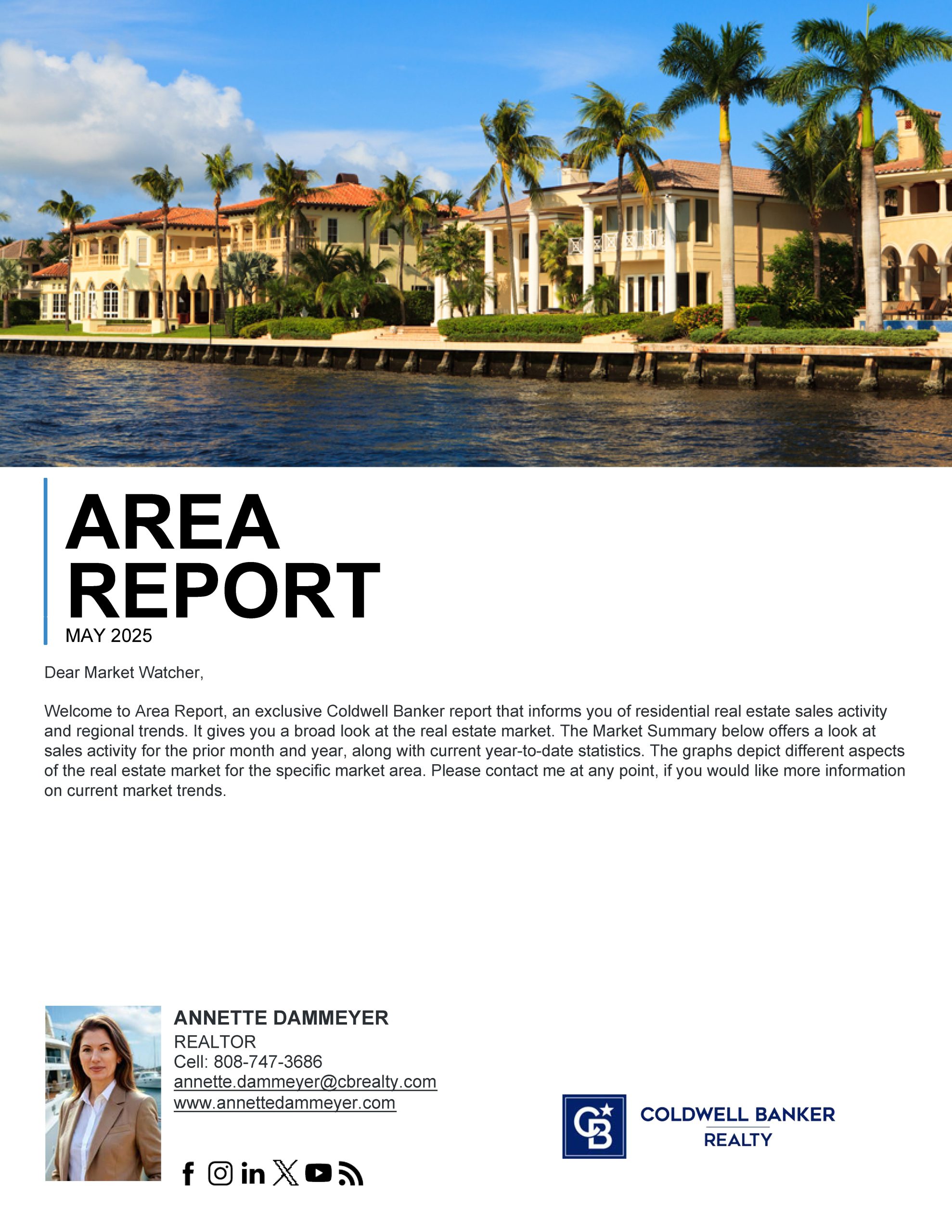
Fort Lauderdale May 2025 Area Report
Fort Lauderdale May 2025 real estate statistics have been released.
Fort Lauderdale Area Reports
Single Family Homes
Condominium & Townhouses
Fort Lauderdale Real Estate Market Overview
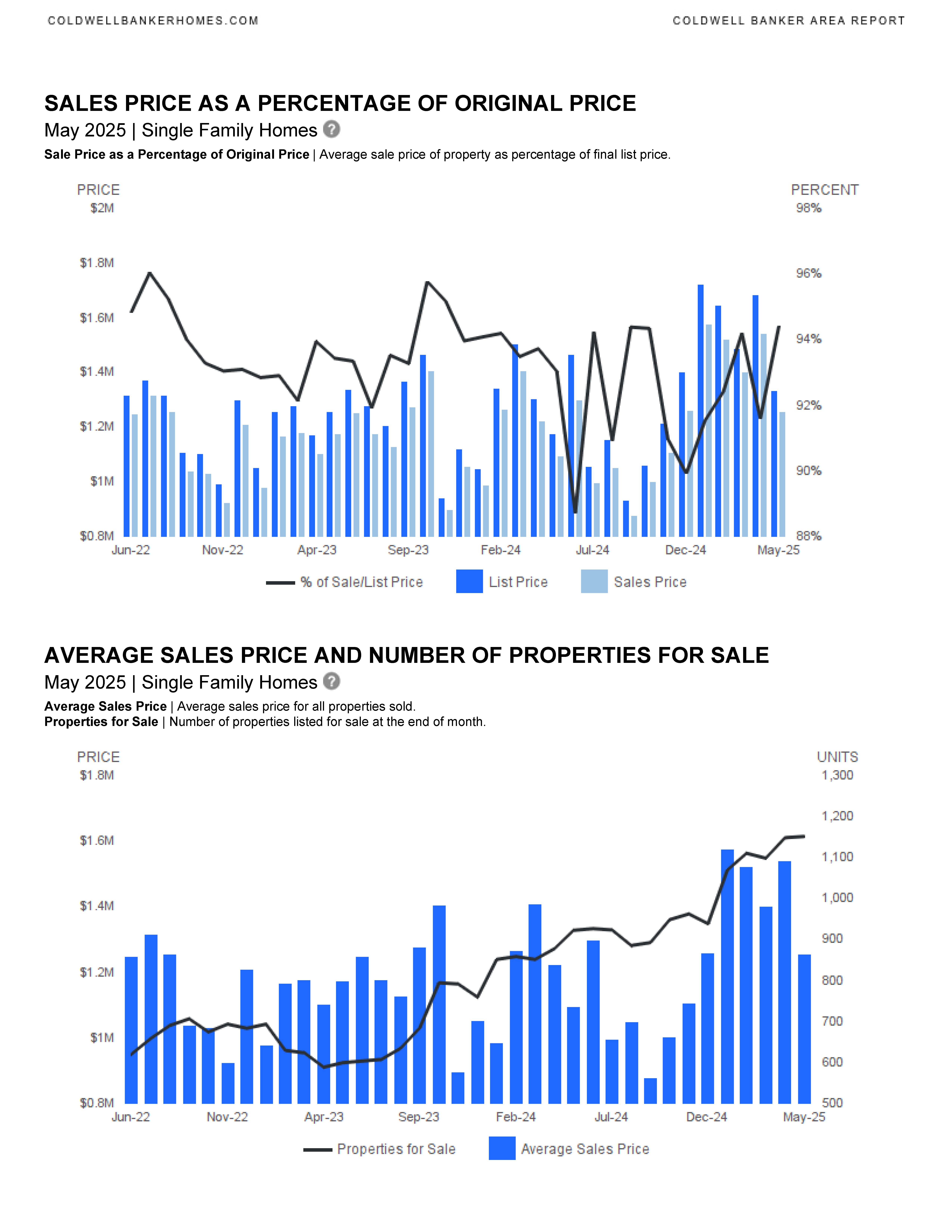
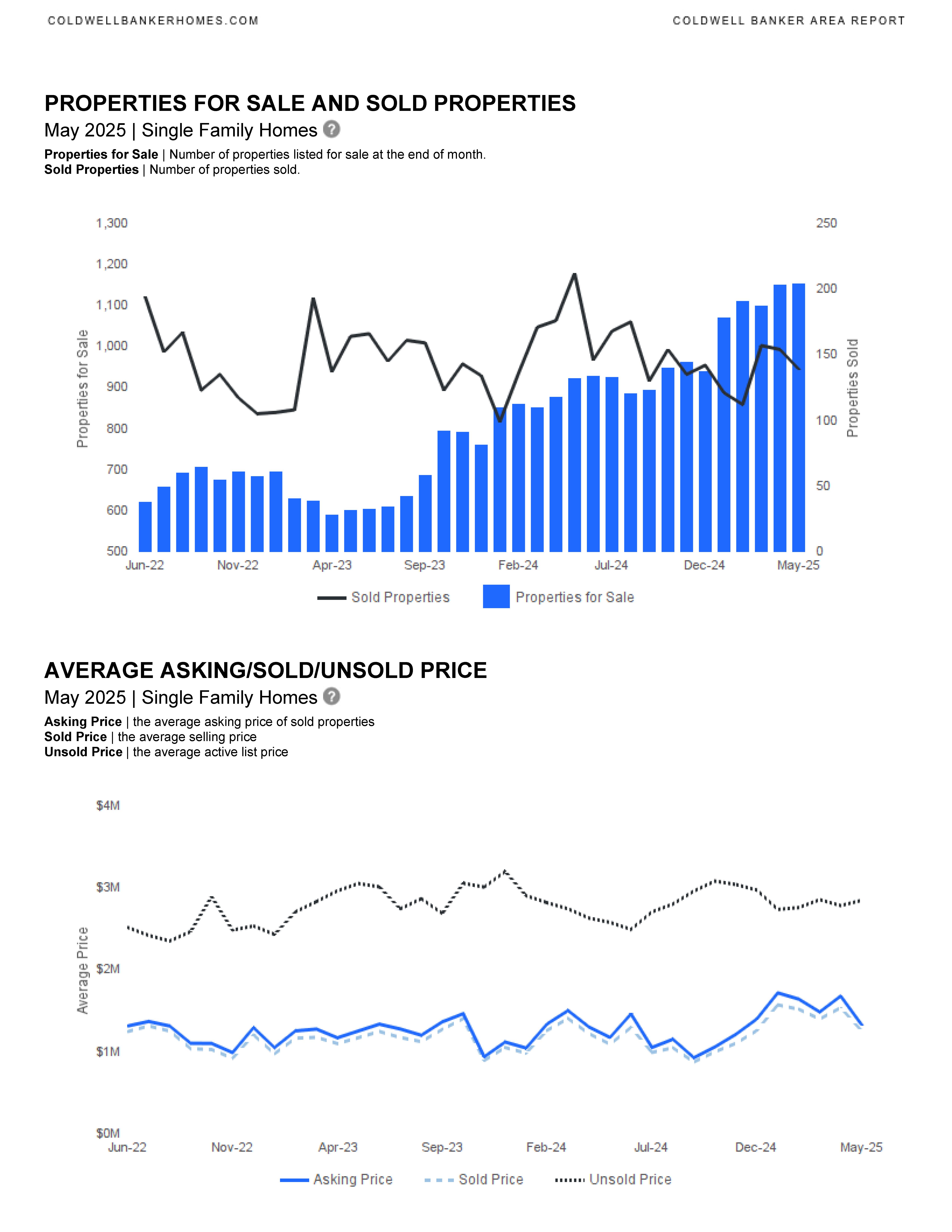
The Fort Lauderdale real estate market has experienced significant changes in sales activity and pricing trends over the past year. Both single-family homes and condo/townhouse markets show a decline in sales volume, while prices have generally increased.
Summary:
Single Family Homes Sales Activity
Sales of single-family homes in Fort Lauderdale have decreased significantly compared to last year. The median sales price has risen, indicating a shift towards higher-value properties.
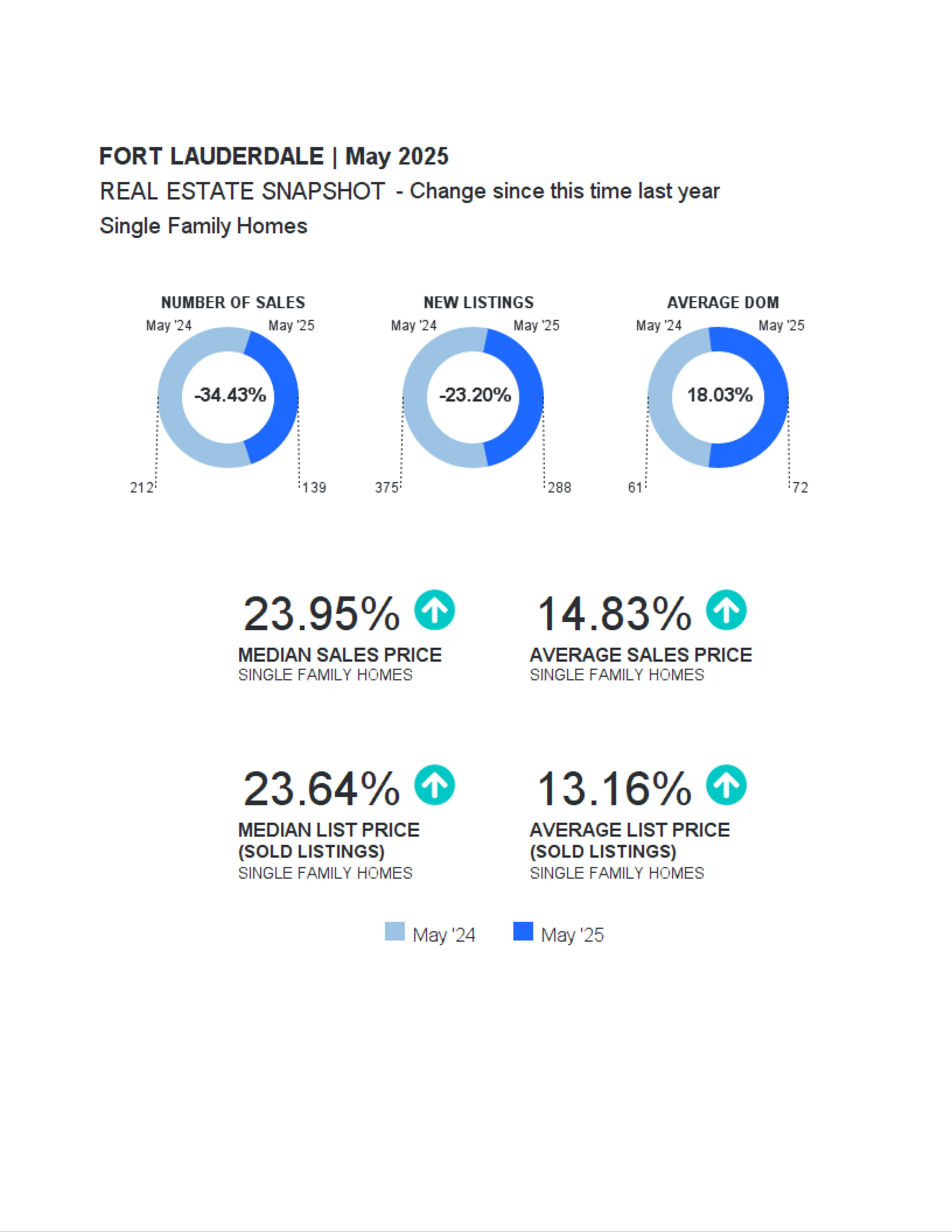
- Number of sales decreased from 212 in May ’24 to 139 in May ’25, a drop of 34.43%.
- New listings fell from 375 in May ’24 to 288 in May ’25, a decrease of 23.2%.
- Median sales price increased by 23.95%, from $536,500 to $665,000.
- Average sales price rose by 14.83%, from $1,091,613 to $1,253,547.
- Average days on market increased from 61 to 72 days, an 18.03% rise.
Condo/Townhouse Market Trends
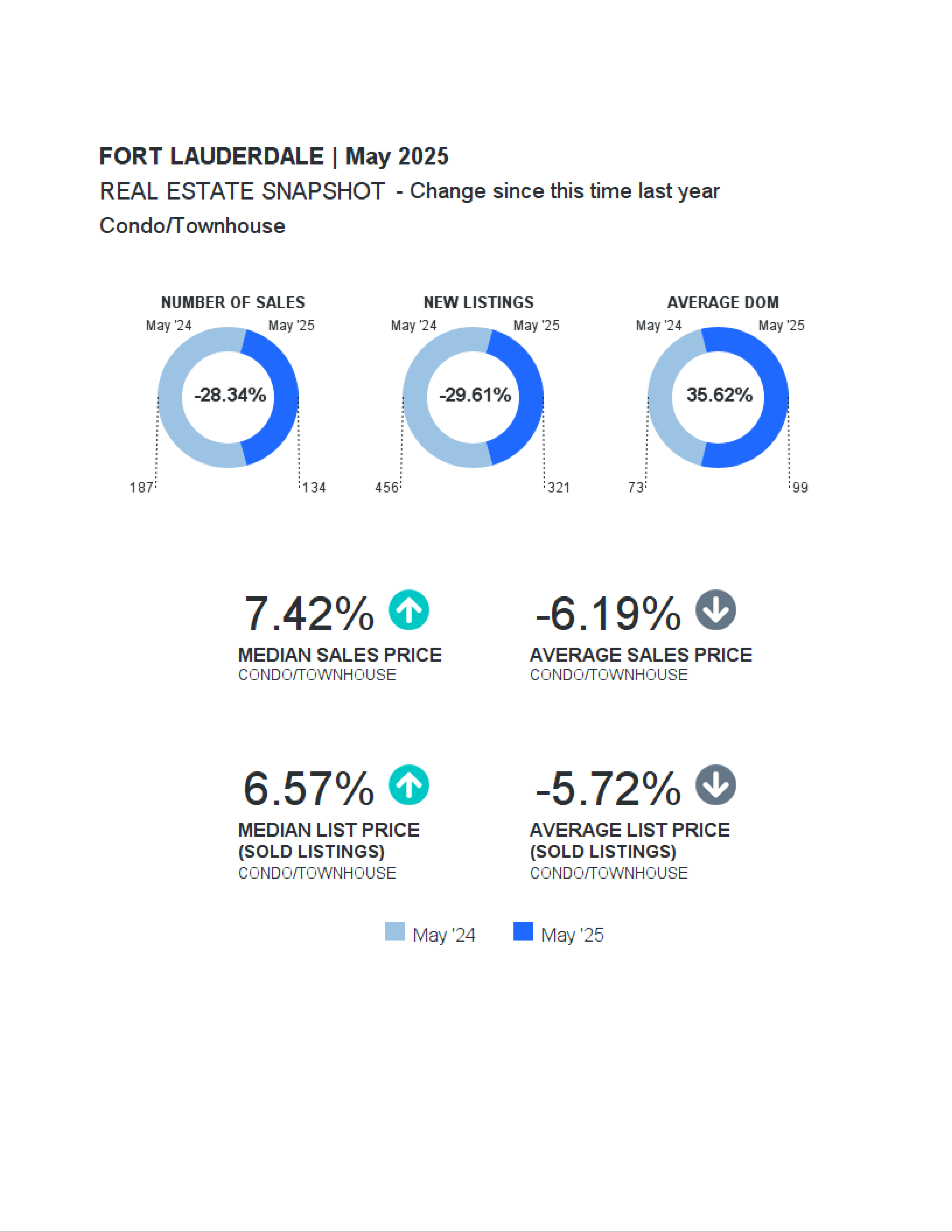
The condo/townhouse market in Fort Lauderdale has also seen a decline in sales, with a slight increase in median prices. This indicates a competitive market despite fewer transactions.
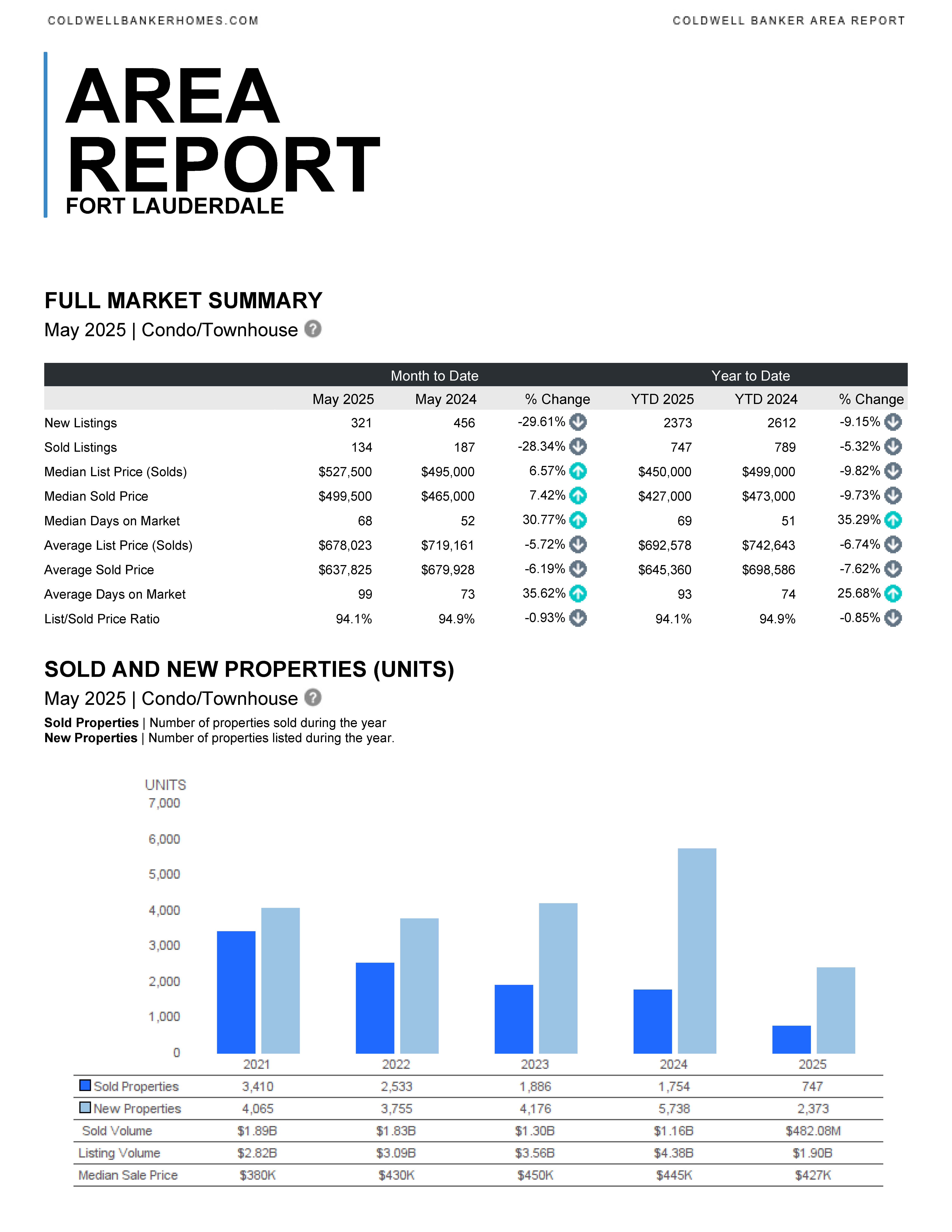
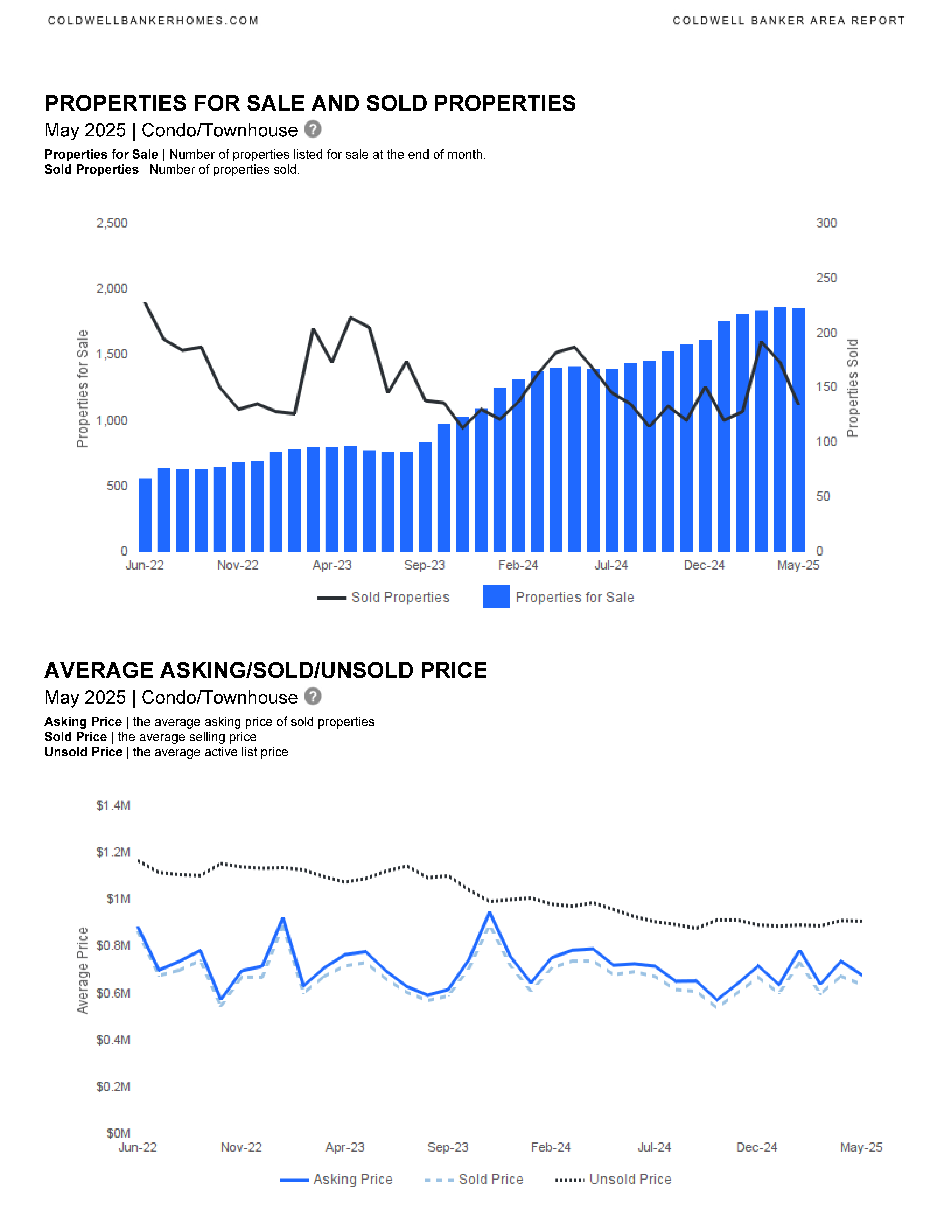
- Number of sales decreased from 187 in May ’24 to 134 in May ’25, a decline of 28.34%.
- New listings dropped from 456 in May ’24 to 321 in May ’25, a decrease of 29.61%.
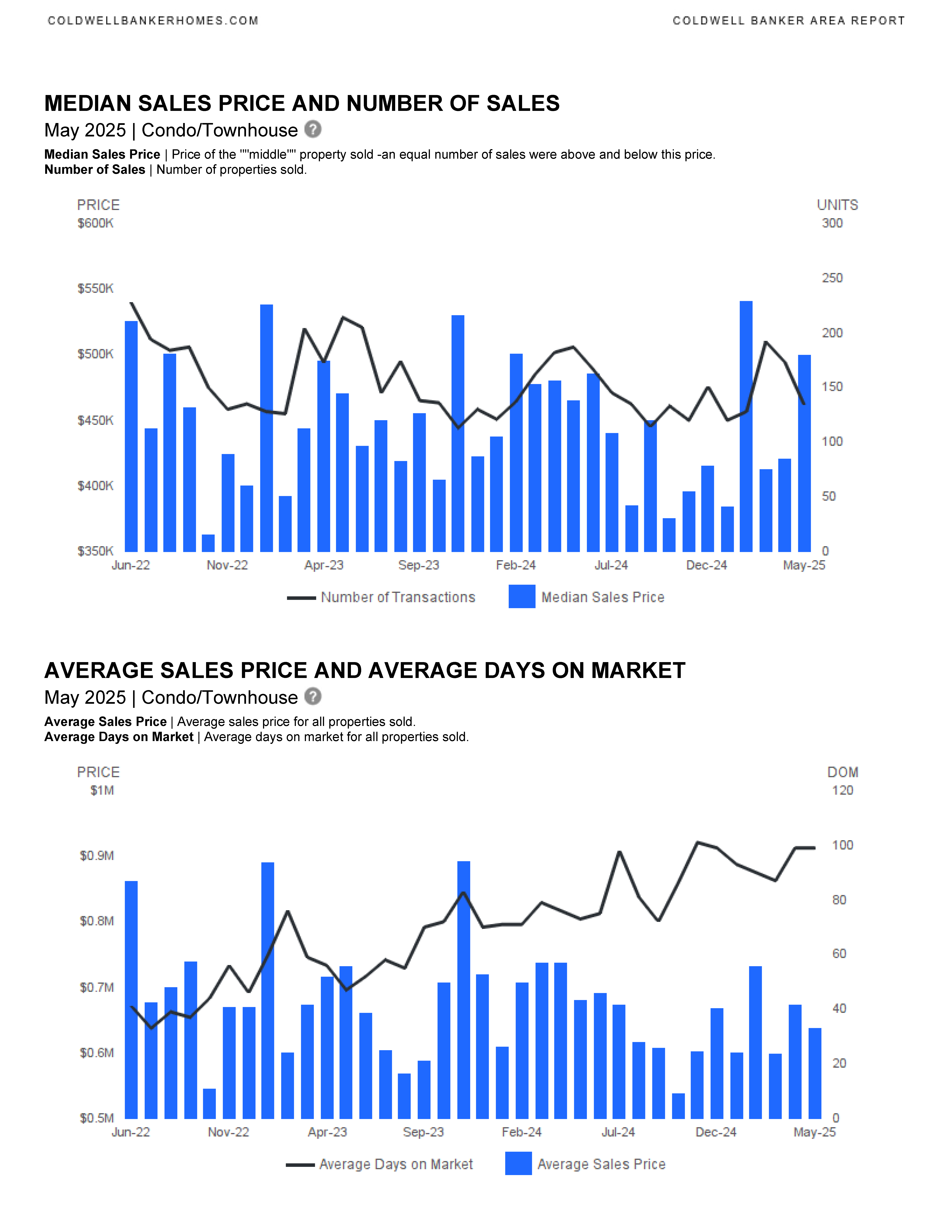
- Median sales price increased by 7.42%, from $465,000 to $499,500.
- Average sales price decreased by 6.19%, from $679,928 to $637,825.
- Average days on market increased from 73 to 99 days, a rise of 35.62%.
Market Summary and Key Statistics
The overall market summary highlights the trends in listings, sales, and pricing for both single-family homes and condos/townhouses. The data reflects a tightening inventory and rising prices.
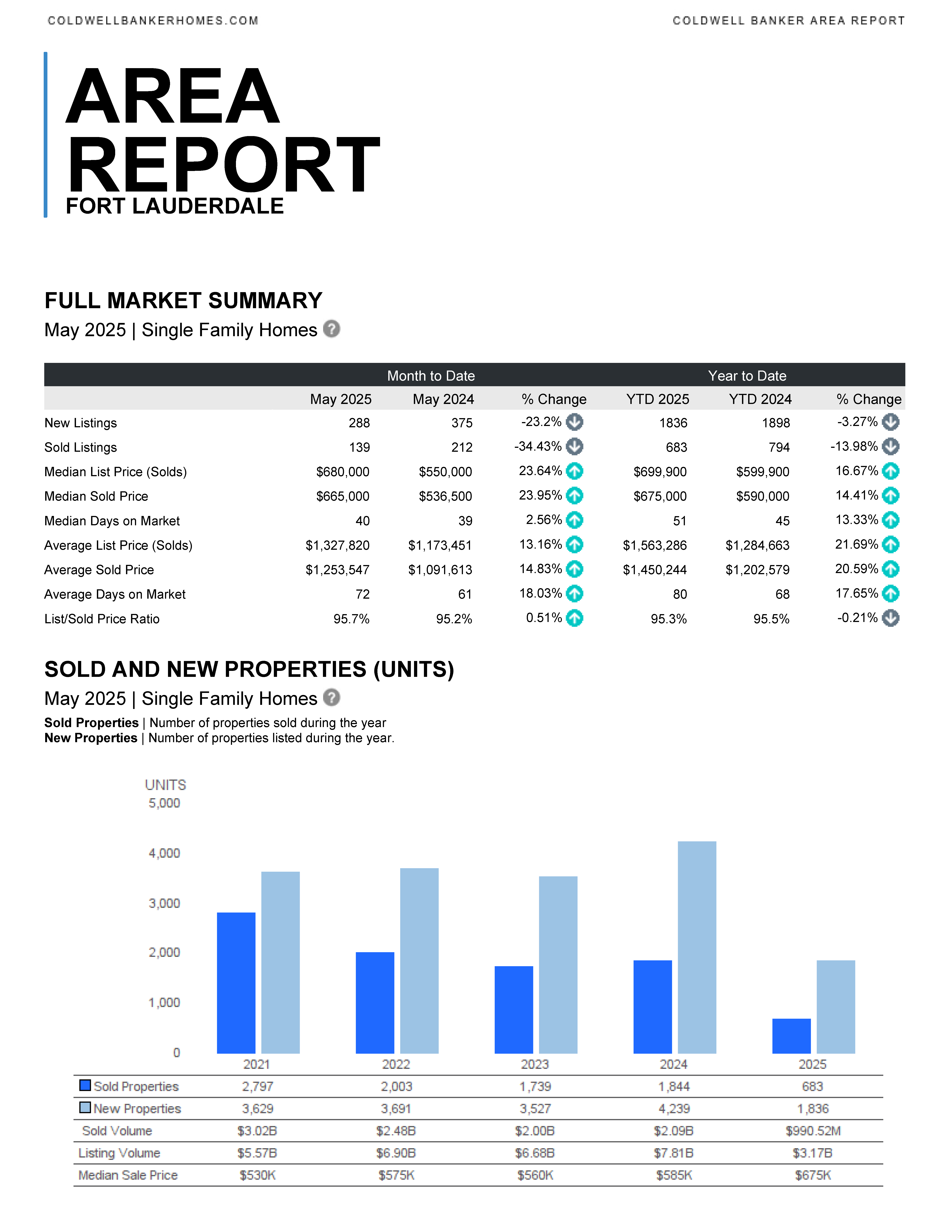
- Total new listings for single-family homes year-to-date: 1,898, down 3.27% from last year.
- Total sold listings for single-family homes year-to-date: 794, down 13.98% from last year.
- Total new listings for condos/townhouses year-to-date: 2,612, down 9.15% from last year.
- Total sold listings for condos/townhouses year-to-date: 789, down 5.32% from last year.
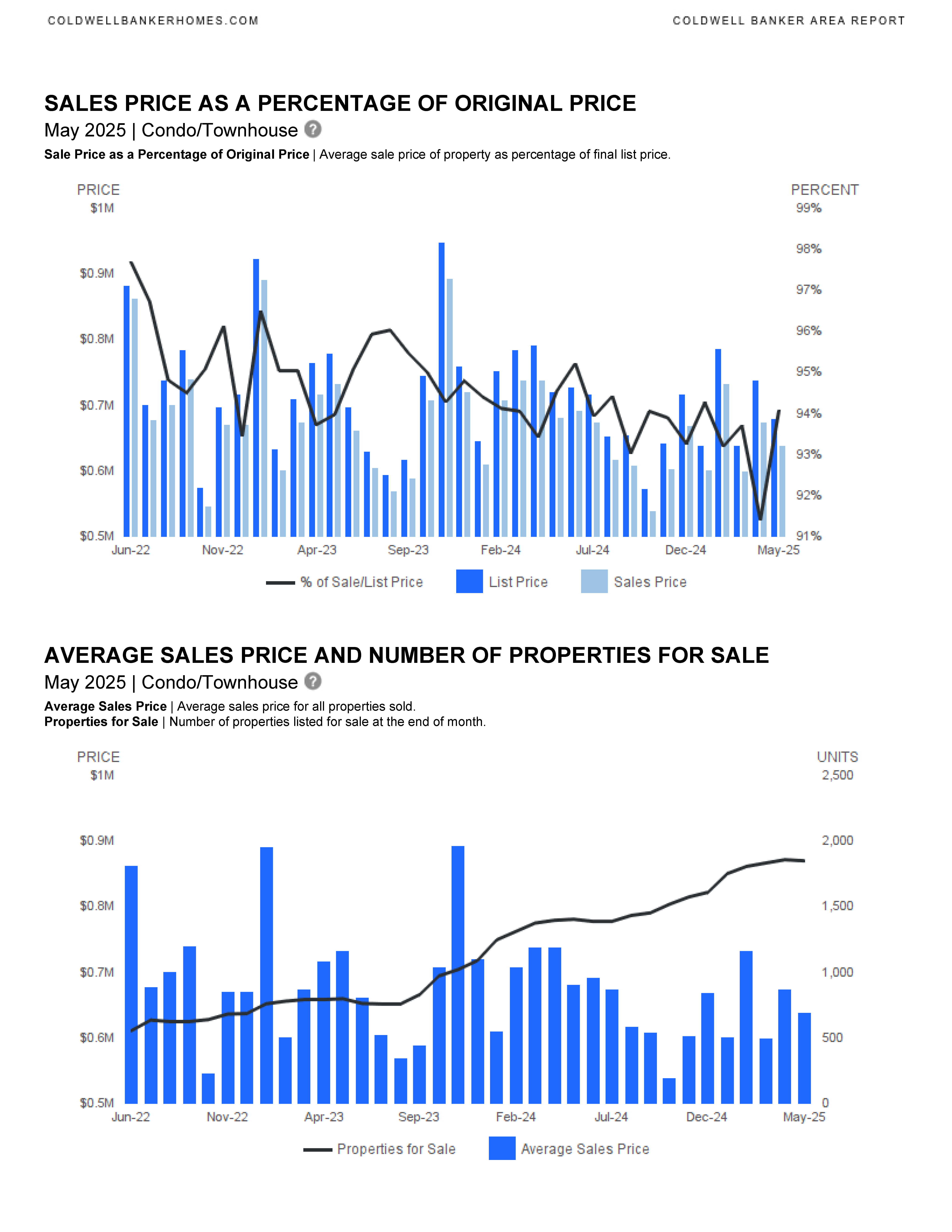
- The list/sold price ratio for single-family homes is 95.7%, while for condos/townhouses it is 94.1%.
Commonly asked questions while reviewing the reports:
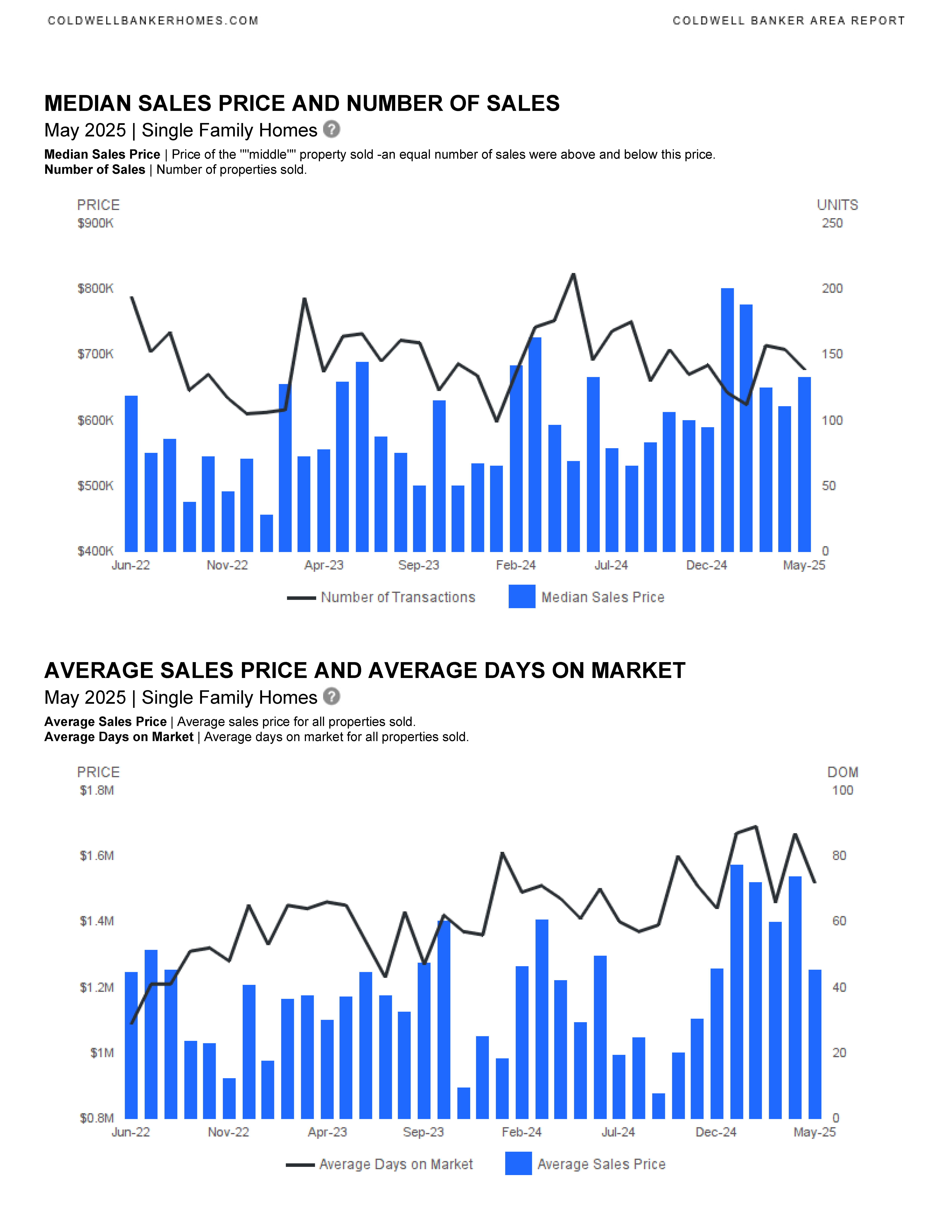
What is the difference between “Median Sales Price” and “Average Sales Price”?
Median Sales Price | Price of the “”middle”” property sold -an equal number of sales were above and below this price.
Average Sales Price | Average sales price for all properties sold.
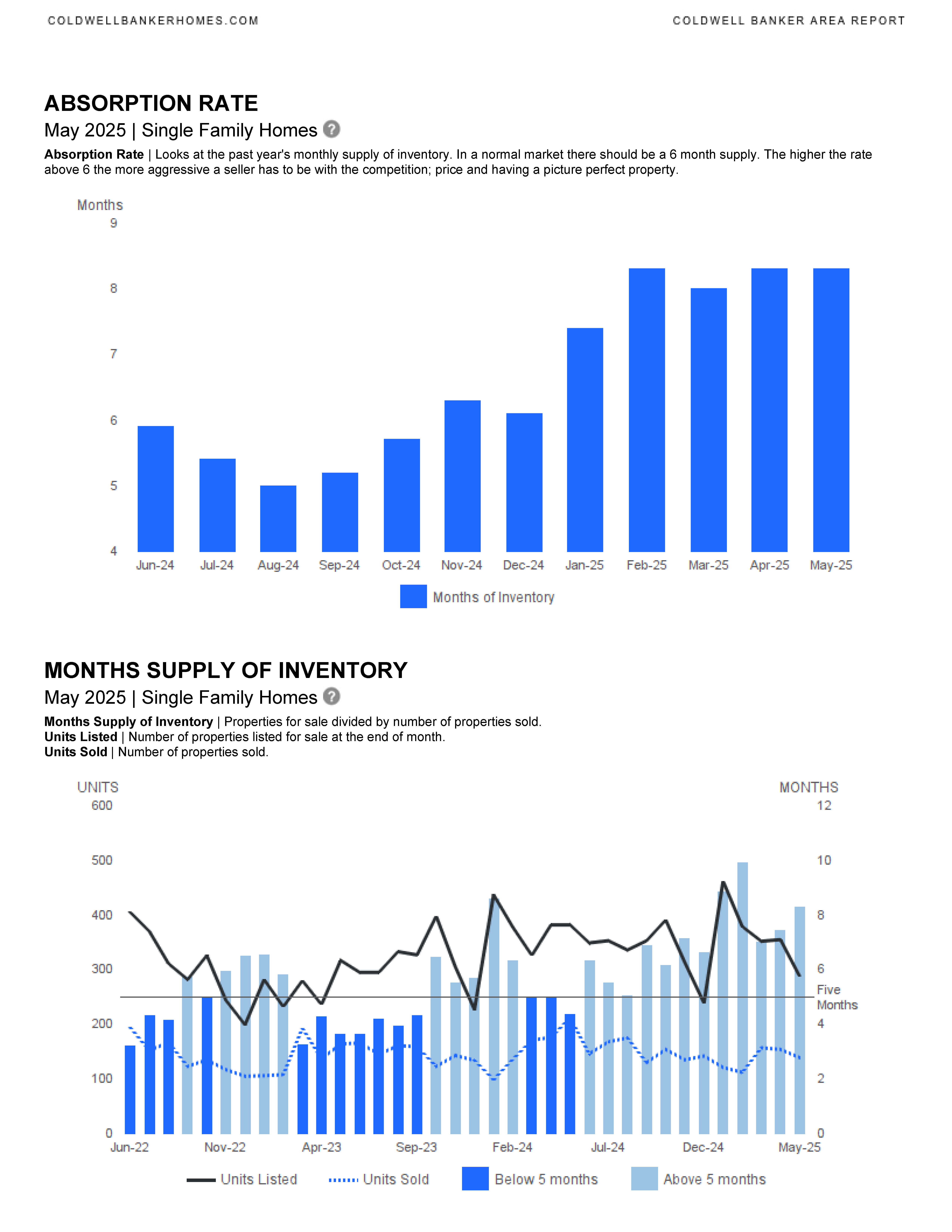
What does “Absorption Rate” mean?
Absorption Rate | Looks at the past year’s monthly supply of inventory. In a normal market there should be a 6 month supply. The higher the rate above 6 the more aggressive a seller has to be with the competition; price and having a picture perfect property.
Single Family Home Area Report listed first, Condo/Townhouses listed second:
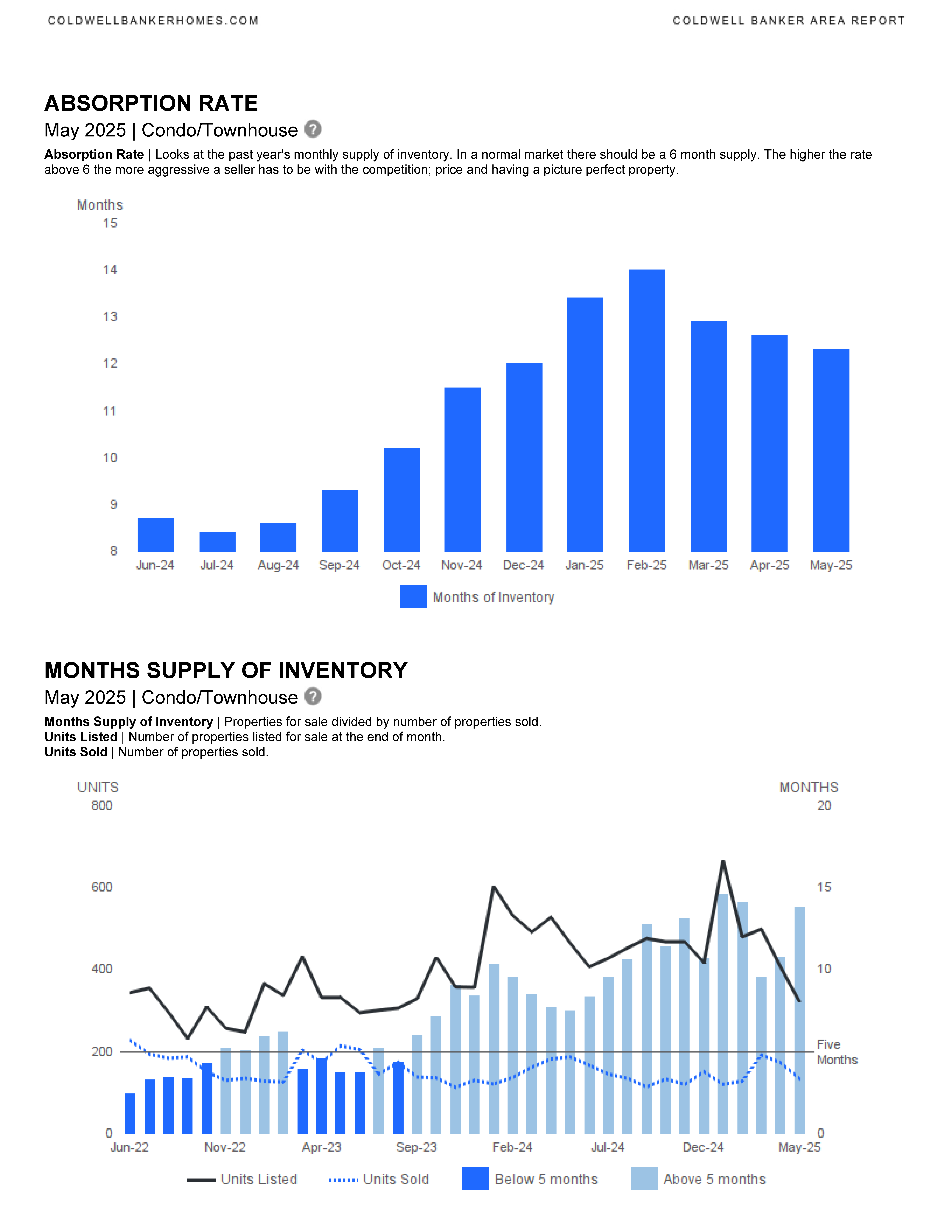

We are entering a new real estate market in SE Florida. This is the time to work with an experienced and knowledgeable real estate professional. Please contact me if you would like to be sent updated market reports for Fort Lauderdale, or another SE Florida city. We can discuss the market, current trends and how we can work together to accomplish your real estate goals. I am here to help.
CONTACT ANNETTE
Let’s start working together!
Annette Dammeyer, REALTOR®, ABR®, AHWD®
Coldwell Banker Realty
901 E Las Olas Blvd STE 101, Fort Lauderdale, FL 33301
808.747.3686
SL 3535792
Guide for Boaters Buying SE Florida Waterfront Homes with Docks
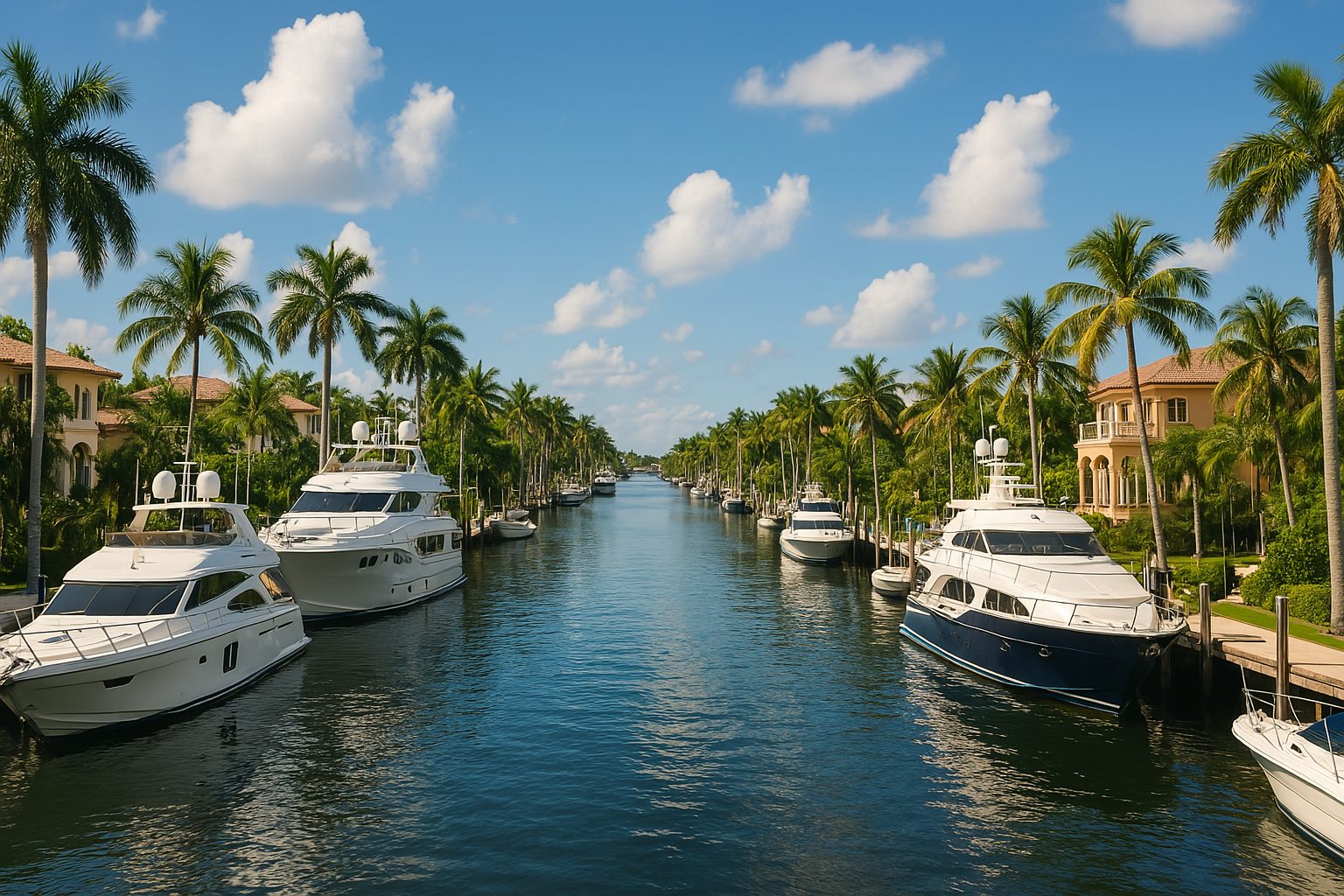
Navigating Waterfront Home Purchases in Southeast Florida: A Comprehensive Guide for Boating Enthusiasts
As a seasoned real estate professional specializing in waterfront properties in Southeast Florida, I understand the unique considerations that boating enthusiasts must address when purchasing a home. Beyond the allure of scenic views, it’s essential to ensure that the property meets your specific boating needs. Here’s a list of considerations to help you make an informed decision.
1. Assess Dock Dimensions and Setbacks
Before finalizing a purchase, verify that the property’s dock can accommodate your vessel’s length and beam. Florida regulations often mandate setbacks from neighboring property lines to ensure safety and environmental compliance. It’s crucial to consult local zoning laws to determine specific setback requirements for the area you’re considering. The linear length of the waterfront must be able to accommodate the total length of the vessel plus the setback requirement.
-
Setbacks:Docks are generally setback 5 feet from the property line, but in some cases, 10 feet is required. This setback is calculated from the property line at the bow and stern sides of the vessel.
2. Evaluate Waterway Accessibility
Determine the property’s proximity to open waters, inlets, and the ocean. Consider the presence of fixed bridges along your intended route. Most fixed bridges over the Atlantic Intracoastal Waterway in Florida offer a vertical clearance of 65 feet above mean high water, except for the Julia Tuttle Causeway in Miami, which has a 56-foot clearance. Ensure that your vessel’s height, especially with antennas or towers, can safely pass under these structures at high tide.
3. Check Water Depth and Draft Compatibility
Assess the water depth at the property’s dock during both high and low tides. Ensure that the depth accommodates your boat’s draft to prevent grounding. A minimum depth of 3 feet at mean low water is often required for single-family docks. Consult tide charts and, if possible, conduct a depth survey to confirm suitability. In my experience, it is smart to ask the current property owner if the waterway has been previously dredged. This may indicate a need for dredging in the future.
4. Inspect Seawall Integrity
A sturdy seawall is vital for protecting your property from erosion and storm surges. Regular inspections are recommended, with experts advising annual checks in areas prone to severe weather. Look for signs of wear, such as cracks, rust stains, or soil erosion. Engage a professional to assess the seawall’s condition and determine if repairs or replacements are necessary. Click link for: Broward County Regional Standards for Seawalls & Flood Barriers
The new Miami-Dade County regional seawall ordinance mandates that all new seawalls must be constructed to a minimum elevation of 5.7 feet NAVD, or 4 feet NAVD if designed to support a future elevation of 5.7 NAVD, according to the City of Miami Beach – Rising Above. It also codifies that seawalls must be upgraded if the property undergoes new construction or substantial improvements, and establishes overtopping as a trigger for seawall elevation and maintenance requirements.
5. Verify Shore Power Availability
Ensure the dock is equipped with adequate shore power to meet your vessel’s electrical needs. This includes checking for appropriate voltage, amperage, and the condition of power pedestals. Proper shore power is essential for charging batteries, running onboard systems, and ensuring comfort during docked periods.
6. Confirm Channel Width and Navigability
The waterway leading to your dock should be wide enough to allow safe maneuvering without encroaching on neighboring properties. In Broward County, Florida, a 30% rule limits the width of a docked vessel to 30% of the canal’s width, measured from the recorded property line. Also, in canals or waterways 50 feet or less wide, fixed or floating docks can extend a maximum of 5 feet from the measurement reference line. Boats cannot be moored to or tied to a seawall or other mooring structure without the owner’s permission, except in cases of distress. Ensure that the channel’s width and depth are sufficient for your vessel’s size and handling characteristics.
7. Evaluate Dock Condition and Boat Lift Feasibility
Inspect the existing dock for structural integrity and maintenance. If you plan to install a boat lift, determine whether the current dock can support it or if extensive repairs are needed. Consult with marine contractors to assess feasibility and compliance with local regulations.
-
Constructing or installing docks, boat lifts, and other structures in waterways requires permits from the city engineer and building official.
8. Understand Wake Zone Regulations
If the property is located on the Intracoastal Waterway, be aware of designated wake zones. These areas require vessels to operate at idle speed to minimize wake, protecting both the shoreline and other vessels. Understanding these regulations is crucial for planning your boating activities. It is very common for waterfront home owners on the ICW to have boatlifts due to the waterway’s fluctuating water levels and potential for damage from weather and tides. A boat lift elevates the vessel above the waterline, protecting it from corrosion, algae buildup, and accidental impacts.
9. Know Flood Insurance Requirements
When purchasing a waterfront property in Southeast Florida, particularly in Broward and Miami-Dade Counties, it’s crucial to understand the implications of flood insurance:
-
Mandatory for High-Risk Zones: If your property is located in a Special Flood Hazard Area (SFHA) and you have a mortgage from a federally regulated or insured lender, flood insurance is required.
-
Recommended for All: Even if your property is outside of designated high-risk zones, flood insurance is strongly recommended. Flooding can occur due to heavy rains, storm surges, or infrastructure failures, and standard homeowners’ insurance policies typically do not cover flood damage.
-
30-Day Waiting Period: Be aware that there is typically a 30-day waiting period after purchasing flood insurance before the policy becomes effective.
-
Assessing Flood Risk: Use local resources to determine your property’s flood zone designation. Miami-Dade County provides flood zone maps, and Broward County offers an interactive flood map viewer.
Understanding and securing appropriate flood insurance is essential to protect your investment and ensure peace of mind in your waterfront home.
10. Familiarize Yourself with Local and State Regulations
Waterfront properties are subject to various local and state regulations. The Florida Department of Environmental Protection (FDEP) oversees environmental compliance, including dock construction and maintenance. Ensure that any modifications or additions to the property comply with FDEP guidelines and obtain necessary permits.
- If your property is within the BMSD (unincorporated area), you’ll need to contact the Broward County Zoning department directly. You can find their contact information and meeting schedule on their website.
- If your property is within a city or town (like Fort Lauderdale, Pompano Beach, etc.), you’ll need to contact the city or town’s zoning department.
Links to Consult Local Resources for Additional Information:
- Florida Department of Environmental Protection (FDEP)
- Broward County Zoning
- Miami-Dade County Zoning
- Dock Permitting in Florida
- Broward Safe Boating Guide (a VERY comprehensive guide on boating!)
Purchasing a waterfront home in Southeast Florida is a significant investment, especially for boating enthusiasts. By thoroughly evaluating dock specifications, waterway access, and structural integrity, you can ensure that your new home aligns with your maritime lifestyle. Partnering with a knowledgeable real estate professional can provide invaluable insights and guidance throughout this process.
Feel free to reach out if you have any questions or need assistance in finding the perfect waterfront property tailored to your boating needs.
CONTACT ANNETTE
Let’s start working together!
Annette Dammeyer, REALTOR®, ABR®, AHWD®
Coldwell Banker Realty
901 E Las Olas Blvd STE 101, Fort Lauderdale, FL 33301
808.747.3686
SL 3535792


