Facebook
 X
X
 Pinterest
 Copy Link
What to Look for During a Home Inspection
What to Look for During a Home Inspection: A Real Estate Professional’s Guide
Whether you’re buying a home or selling one, a home inspection is a vital step that can save you time, money, and stress. As an experienced real estate professional, I’ve helped both buyers and sellers navigate the inspection process. Here’s what you need to know to make the most of this crucial stage, whether you’re preparing to close on a home or getting your property ready for the market.
Why a Home Inspection Matters for Buyers and Sellers
For buyers, a home inspection is your chance to uncover potential issues before finalizing your purchase. It provides peace of mind and ensures you’re making a sound investment. For sellers, a pre-listing home inspection helps you identify and address problems upfront, streamlining the selling process and potentially increasing your home’s value.
Key Areas to Focus On During a Home Inspection
1. Foundation and Structure
For both buyers and sellers, the foundation is critical to a home’s integrity. Look for:
- Cracks in walls, floors, or ceilings.
- Doors or windows that stick or don’t align properly.
- Uneven floors or signs of settling.
2. Roof and Attic
A damaged roof can deter buyers and lead to expensive repairs. Check for:
- Missing, curling, or damaged shingles.
- Signs of water damage or leaks.
- Proper ventilation in the attic to prevent mold and mildew.
3. Plumbing System
Plumbing issues can be costly if overlooked. Pay attention to:
- Water pressure and flow in all faucets and showers.
- Signs of leaks under sinks or in visible pipes.
- The condition of the water heater, including its age and potential rust.
4. Electrical System
Outdated or faulty electrical systems can pose safety hazards. Look for:
- Outlets that don’t work or are outdated (two-prong instead of grounded three-prong).
- Exposed wiring or overloaded breaker panels.
- The age and condition of the electrical panel.
5. HVAC System
Heating, ventilation, and air conditioning systems impact comfort and energy efficiency. Ask about:
- The age and maintenance history of the furnace and air conditioner.
- Visible signs of wear or unusual noises during operation.
- Proper insulation and ductwork.
6. Windows and Doors
Energy efficiency and security depend on well-maintained windows and doors. Inspect for:
- Drafts or difficulty opening and closing.
- Cracks or condensation between panes in double-paned windows.
- Adequate weatherstripping to prevent energy loss.
7. Basement and Crawl Spaces
Moisture issues in these areas can lead to bigger problems. Look for:
- Signs of water intrusion, such as dampness or a musty smell.
- Cracks in the foundation walls.
- Evidence of termites or other pests.
8. Exterior Features
The home’s exterior sets the first impression and protects it from the elements. Examine:
- The condition of siding, brick, or stucco.
- Drainage around the property to ensure water flows away from the foundation.
- Decks, patios, and fences for rot or structural issues.
Benefits of a Pre-Listing Inspection for Sellers
A pre-listing inspection offers sellers several advantages:
- Avoid Surprises: Address issues before buyers discover them.
- Streamline Negotiations: Reduce the likelihood of repair requests or credits.
- Enhance Marketability: Showcase your home as move-in ready.
Additional Tips for Buyers and Sellers
- Be Present: Attend the inspection to ask questions and see issues firsthand.
- Hire a Qualified Inspector: Look for licensed and experienced professionals with good reviews.
- Request a Detailed Report: Ensure the inspector provides a comprehensive report with photos and descriptions of any concerns.
- Prioritize Repairs: For sellers, focus on cost-effective fixes that add value and attract buyers.
What to Do After the Inspection
For Buyers:
- Review the report with your real estate agent.
- Negotiate repairs or credits with the seller if necessary.
- Decide to move forward with the purchase, renegotiate, or walk away if issues are significant.
For Sellers:
- Use the inspection report to make strategic repairs.
- Highlight completed repairs in your listing to attract buyers.
- Work with your agent to set a competitive price based on the home’s condition.
Whether you’re buying or selling, a home inspection is a valuable tool for making informed decisions. By addressing potential issues upfront and working with trusted professionals, you can ensure a smoother transaction and a better outcome.
If you’re navigating the real estate process and have questions about inspections or other steps, feel free to reach out. I’m here to guide you every step of the way!
CONTACT ANNETTE
Let’s start working together!

Annette Dammeyer, REALTOR®, ABR®, AHWD®
Coldwell Banker Realty
901 E Las Olas Blvd STE 101, Fort Lauderdale, FL 33301
808.747.3686
SL 353579
What is a 4-Point Inspection?
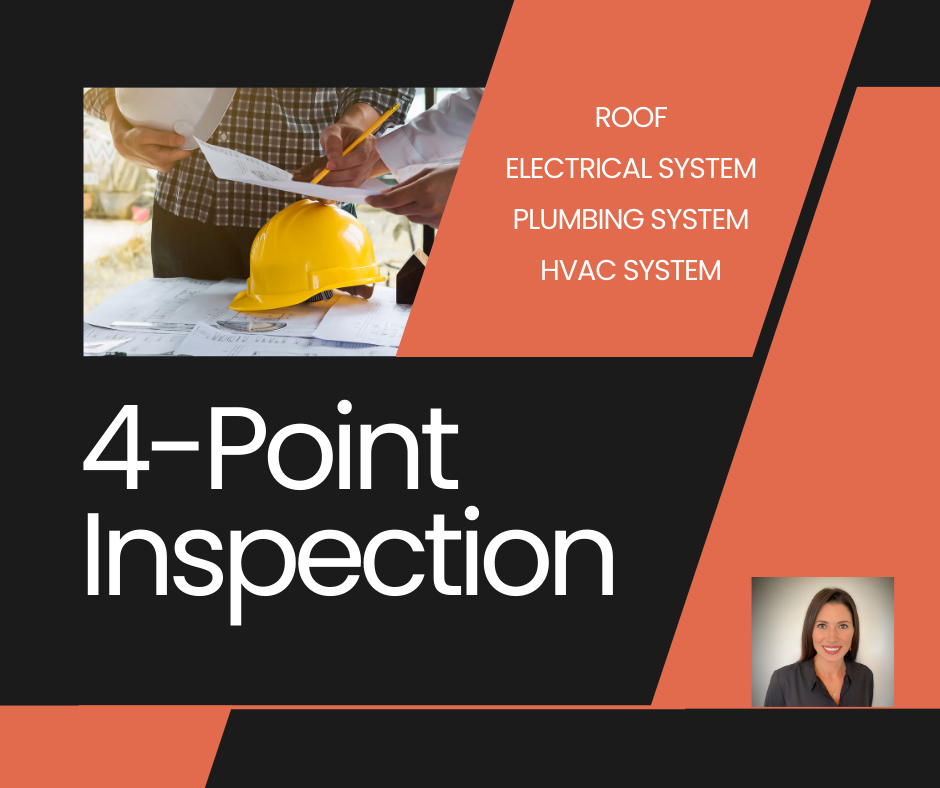
4-Point Inspection for Residential Homes
In Florida, a four-point inspection is a specialized assessment of four key systems in a residential property: the roof, electrical system, plumbing system, and HVAC (heating, ventilation, and air conditioning) system. This inspection is often required by insurance companies for homeowners seeking or renewing insurance policies, particularly for older homes.
Here’s why each component is assessed:
- Roof: The inspector evaluates the age, condition, and integrity of the roof covering material (such as shingles or tiles), signs of damage, and any areas of concern like leaks or missing shingles. Roofs are crucial for protecting the home from weather elements, and their condition affects insurance risk.
- Electrical System: This part of the inspection focuses on the electrical wiring, panel, and fixtures. The inspector looks for outdated wiring, overloaded circuits, faulty connections, and potential fire hazards. Ensuring the electrical system is up to code and safe reduces the risk of fire, which is a significant concern for insurance companies.
- Plumbing System: The plumbing inspection assesses the condition of pipes, fixtures, and water heaters. The inspector checks for leaks, corrosion, water pressure issues, and signs of water damage. A properly functioning plumbing system is essential for preventing water damage and maintaining the integrity of the home’s structure.
- HVAC System: The inspection of the heating, ventilation, and air conditioning system involves checking for proper installation, age, condition, and efficiency. Inspectors look for signs of wear and tear, malfunctioning components, and potential safety hazards. A well-maintained HVAC system ensures comfort and safety for occupants and reduces the risk of damage or accidents.
The importance of a four-point inspection for home insurance lies in risk assessment. Insurance companies need to understand the condition of these critical systems to determine the level of risk associated with insuring the property. Older homes, in particular, may have outdated or deteriorating systems, which could pose higher risks for insurance providers.
By requiring a four-point inspection, insurance companies can:
- Assess Risk: Inspectors provide detailed information about the condition of the home’s key systems, allowing insurance companies to assess the level of risk accurately.
- Prevent Claims: Identifying potential issues before they become major problems helps prevent costly insurance claims. For instance, discovering a leaky roof or faulty wiring early on allows homeowners to address these issues proactively, reducing the likelihood of future damage.
- Determine Premiums: The results of the inspection can influence insurance premiums. Homes with well-maintained systems may qualify for lower premiums, while those with significant issues may face higher costs or require repairs before coverage can be approved.
In summary, a four-point inspection in Florida is a vital tool for insurance underwriting, providing insurers with essential information about the condition of a home’s roof, electrical, plumbing, and HVAC systems. By identifying potential risks and ensuring the property meets safety standards, insurers can offer appropriate coverage and premiums while helping homeowners maintain a safe and secure living environment.
All 4-Point Inspection Forms must be completed and signed by a verifiable Florida-licensed inspector.
Contact me today for any real estate assistance you may need, including resources and referrals for home inspections. I am here to help!
Let’s start working together!
CONTACT ANNETTE
Annette Dammeyer, REALTOR®, ABR®, AHWD®
Coldwell Banker Realty
901 E Las Olas Blvd STE 101, Fort Lauderdale, FL 33301
808.747.3686
SL 3535792