
 Facebook
 X
X
 Pinterest
 Copy Link
Navigating Home Insurance in Southeast Florida
🏡 Navigating Home Insurance in Southeast Florida: What Every Homeowner Needs to Know
As a local real estate professional in South Florida’s waterfront and lifestyle-driven communities, I know firsthand how confusing—and crucial—home insurance can be. With recent shifts in the market, including rate reductions from select private insurers (excluding Citizens), now is the time to get informed and empowered.
Let’s break down the essentials so you can protect your investment with confidence.
📉 Positive Trends: Some Insurers Are Lowering Rates
After years of skyrocketing premiums, private insurers are beginning to file for rate decreases in 2025. This is a welcome shift, especially for homeowners in Fort Lauderdale, Hollywood, and surrounding areas who’ve been navigating a volatile insurance market.
Note: Citizens Insurance is not included in these reductions, but its policy count is dropping as private carriers re-enter the market.
🆕 New Home Insurance Providers Entering the SE Florida Market
Thanks to recent legislative reforms aimed at curbing litigation abuse and stabilizing the insurance market, several new private insurers have entered Florida in the past year. These companies are offering competitive rates and broader coverage options, especially in areas like Hollywood, Fort Lauderdale, and Dania Beach.
✨ Notable New Entrants (2024–2025)
Here are some of the most promising new providers now serving SE Florida:
- Viceroy Preferred Insurance
Focused on personalized property coverage with competitive premiums.- Vision Insurance Exchange
Offers flexible policy structures and is gaining traction for its customer-first approach.- Tailrow Insurance Company
Specializes in homeowners insurance with a niche focus on Florida’s unique risks.- Mainsail Insurance Company
Provides bundled options (home, auto, commercial) for convenience and savings.- Orange Insurance Exchange
A Florida-based startup offering innovative, locally tailored solutions.- Trident Reciprocal Exchange
One of the newer carriers authorized to operate statewide.- Ovation Home Insurance Exchange
Known for tech-forward underwriting and streamlined claims processing.These companies are helping to restore competition and lower premiums—a welcome shift for homeowners who’ve faced steep rate hikes in recent years.
🛡️ What Is Citizens Insurance—and Why Are They Depopulating?
Citizens Property Insurance Corporation is Florida’s state-backed insurer of last resort. It was created to provide coverage when private insurers won’t, especially in high-risk areas.
Why It Matters:
- Citizens grew rapidly during the insurance crisis, becoming the largest insurer in Florida.
- However, it’s not designed to be a long-term solution—its rates are often capped and don’t reflect actual market risk.
- If Citizens faces massive claims (e.g., after a hurricane), all Florida policyholders may be assessed fees to cover shortfalls.
🚪 Depopulation Explained:
- As private insurers return to the market, Citizens is encouraging policyholders to switch to private carriers.
- This reduces Citizens’ exposure and helps stabilize the overall insurance ecosystem.
- Homeowners may receive offers from private insurers to take over their Citizens policy—often with better coverage or pricing.
🧮 Understanding Replacement Cost vs. Purchase Price
Insurance premiums are based on replacement cost, not market value.
- Replacement Cost: What it would cost to rebuild your home today using current labor and materials.
- Purchase Price: Influenced by location, demand, and market trends.
💡 Example: A home purchased for $500K may cost $600K to rebuild—your insurance is based on the latter.
🌤️ Best Time to Shop for Insurance: Avoid Hurricane Season
Timing matters.
- Ideal Window: Late fall through early spring (November–April)
- Why: During hurricane season (June–November), insurers often restrict new policies or raise rates due to increased risk.
📍 Zip Code Eligibility Can Change Fast—Act Quickly
Insurance companies frequently open and close zip codes based on risk models.
- If you find a favorable quote, bind it immediately.
- If your home purchase falls through, you can cancel the policy—no harm done.
🏠 Home Age Matters—Even If It’s Renovated
Insurance rates are heavily influenced by the year the home was built, not when it was renovated.
- A renovated 1950s home is still considered a 1950s home.
- To be considered “new construction,” the property must be:
- Completely torn down (no walls left)
- Rebuilt with permits
- Issued a new Certificate of Occupancy
🛠️ Lower Your Premium with a 4-Point Inspection
A 4-point inspection evaluates key systems in older homes and can help reduce your premium if deficiencies are corrected.
What’s Included:
1. 🏚️ Roof
- Inspectors look for:
- Age, condition, leaks, and remaining life
- Typical lifespans:
- Flat: 10–20 years
- Shingle: 15–30 years
- Tile: 25–50 years
- Insurers require at least 5 years of life left (5 years beyond the closing date).
🚫 The Problem with Roof Coatings in SE Florida Insurance
While roof coatings (like acrylic, silicone, or elastomeric sealants) can help protect and extend the life of a roof by sealing cracks and improving water resistance, insurance providers in Southeast Florida typically do not recognize coatings as valid roof replacements.
Why It Matters:
- Coating ≠ Replacement: Insurers view coatings as cosmetic or temporary fixes—not structural upgrades.
- Coverage Denial Risk: If a roof is coated instead of replaced, it may be deemed ineligible for coverage, especially by Citizens Insurance and many private carriers.
- Age Still Counts: Even with a fresh coating, the roof’s original age remains unchanged in the eyes of insurers.
Citizens Insurance explicitly states that using coatings in place of full replacement makes the property ineligible for coverage.
🔍 Bottom Line for Homeowners:
If you’re trying to insure or sell a home with a coated roof, be prepared for:
- Higher premiums
- Limited carrier options
- Possible denial of coverage
For insurance purposes, a roof must be structurally replaced—not just cosmetically refreshed—to be considered compliant.
2. ⚡ Electrical
- Inspectors check:
- Panel type, wiring, grounding, and safety
- Panels often rejected:
- Federal Pacific (FPE)
- Zinsco
- Challenger
- Sylvania (certain models)
- Stab Lok
3. ❄️ HVAC & Water Heater
- Life expectancies:
- AC/HVAC: 10–15 years
- Water Heater: 8–12 years
- Tip: Water-related claims are the #1 source of insurance payouts—keep these systems updated.
4. 🚰 Plumbing
- Inspectors assess:
- Pipe material, leaks, water pressure
- Preferred pipes:
- Copper, CPVC, PEX
- Problem pipes:
- Polybutylene (gray plastic, often stamped “PB2110”)
- These must be replaced to avoid coverage denial.
🌬️ Wind Mitigation Inspection: Save Big with Impact Protection
A wind mitigation inspection can significantly reduce your premium.
- What it checks:
- Roof shape and attachment
- Impact-rated windows and doors
- Shutters and garage door reinforcement
- All windows and doors must be impact
- 🪟 Partial Impact Protection: How It Affects Insurance Premiums in SE Florida
In Southeast Florida, insurance companies reward homes with full impact protection—meaning all exterior openings (windows, doors, skylights, and garage doors) must be impact-rated or have approved shutters.
🔍 What Happens If Only Some Are Impact?
- No Full Credit: If only some windows or doors are impact-rated, the home typically does not qualify for the highest wind mitigation discounts.
- Tiered Discounts: Florida law allows insurers to offer tiered credits, but partial protection often falls into a lower category—sometimes resulting in minimal or no premium reduction.
- Uniform Mitigation Verification Form: Inspectors must document each opening. If any are unprotected, the form reflects that, and insurers adjust the discount accordingly.
Example: A home with 80% impact windows but a non-impact front door and garage door may still be considered unprotected under wind mitigation standards.
🏷️ Why Full Impact Matters
- Windstorm coverage is a major portion of Florida premiums—often 60–70% of the total.
- Homes with full impact protection can save 10–45% on that portion of the premium.
- Partial protection may only qualify for basic credits, or none at all, depending on the carrier.
⚠️ Pro Tip: Never Remove Impact Labels
To qualify for discounts, insurers require:
- Visible labels with product approval codes (e.g., Miami-Dade= NOA or ASTM standards, Broward= TAS/Product Approval #)
- Documentation from the manufacturer or installer
Removing labels can make it impossible to verify compliance—even if the product is impact-rated.
🌊 Flood Insurance: Always a Smart Move in SE Florida
Flooding isn’t just a coastal issue—it can happen anywhere.
- Covers:
- Water damage from rising water, storm surge, and seepage
- Flood insurance rates are not decreasing and remain essential.
- Flood zones:
- Zone A & V: Mandatory insurance if you have a mortgage
- Zone X: Optional but recommended (not optional for Citizens)
💡 Even if you’re in Zone X, a low-cost policy can protect you from unexpected events.
💬 Final Thoughts from Your Local Real Estate Ally
I hope this guide helps you feel more confident navigating home insurance in Southeast Florida. Whether you’re buying, selling, or simply reviewing your current policy, knowledge is power—and protection.
If you’d like trusted referrals to local insurance providers or want to review your own policy, I’m happy to connect you with professionals who understand our unique market.
Let’s keep your home—and peace of mind—secure.
Your SE Florida Real Estate Guide & Advocate
CONTACT ANNETTE
Let’s start working together!

Annette Dammeyer, REALTOR®, ABR®, AHWD®
Coldwell Banker Realty
901 E Las Olas Blvd STE 101, Fort Lauderdale, FL 33301
808.747.3686
SL 3535792
Hollywood Homeowners: Navigating Challenges, Building Resilience

🌴 Hollywood Homeowners Sound the Alarm: What You Need to Know & How to Protect Your Property
Hollywood, Florida may be known for its breezy boardwalks and waterfront charm, but behind the palm trees, many homeowners are facing a storm of financial and structural challenges. From soaring insurance premiums to surprise condo assessments, the landscape is shifting—and fast. If you own property in Hollywood, here’s what’s happening, why it matters, and how to stay ahead of the curve.
💸 1. Insurance Costs Are Among the Highest in the Country
Florida’s property insurance market is evolving. Rates have jumped 34% statewide, and coastal homeowners are seeing premiums of $5,000–$8,000+ annually—with some projections nearing $15,000 by 2025.
Why it matters:
• Many insurers have pulled out of Florida, reducing competition.
• Climate risks and litigation have driven up costs.
• Homeowners are struggling to find affordable, comprehensive coverage.
What you can do:
✅ Shop around: Use platforms like Policygenius or Insurify to compare quotes. FLOIR.com has state resources as well.
✅ Mitigate risk: Install storm shutters, reinforce roofing, and document upgrades—these can reduce premiums.
✅ Explore Citizens Insurance: Florida’s state-backed insurer may be a fallback option if private coverage is unavailable.
✅ Consult a local insurance advisor: They can help navigate exclusions and find hidden savings. Note: I have insurance advisor referrals for you if needed.
🧾 2. Special Assessments & Condo Reform Fallout
Florida has implemented significant condo reform following the Surfside collapse, impacting structural integrity, financial transparency, and reserve requirements for condominium associations. These reforms have implications for special assessments, which are charges levied on unit owners in addition to regular fees, often to cover unexpected costs or major repairs.
Why it matters:
• Post-Surfside safety reforms require costly upgrades.
• Boards may push assessments without full transparency.
• Owners feel blindsided by sudden financial burdens.
What you can do:
✅ Attend board meetings: Stay informed and ask questions.
✅ Review your condo docs: Understand your rights and obligations.
✅ Join or form owner coalitions: Collective voices can influence board decisions.
✅ Consult legal aid: Organizations like Legal Aid Service of Broward County offer guidance.
🧱 3. Aging Infrastructure & Mandatory Recertifications
The 40-year building recertification process is revealing structural issues that require expensive repairs. Some boards are pushing for upgrades that go beyond safety requirements.
Why it matters:
• Repairs can trigger assessments or loan obligations.
• Delays or noncompliance can lead to fines or evacuation orders.
• Owners are questioning the necessity and scope of proposed work.
What you can do:
✅ Request engineering reports: Ask for third-party evaluations.
✅ Challenge excessive upgrades: Push for cost-effective solutions.
✅ Explore financing options: Look into PACE programs or low-interest loans for necessary repairs.
✅ Stay proactive: Schedule your own inspections to anticipate future needs.
🗣️ 4. Trust & Governance
Many homeowners feel disconnected from their boards, citing poor communication and lack of transparency.
Why it matters:
• Mismanaged funds and opaque decisions erode trust.
• Boards may not reflect the community’s best interests.
• Owners are demanding accountability.
However, there have been recent changes to be aware of: Florida has implemented new legislation, primarily House Bill 1203, impacting Homeowners Associations (HOAs) with the goal of enhancing transparency and accountability.
Key Changes in Florida HOA Documentation Laws:
- Online Posting of Governing Documents:
HOAs with 100 or more parcels must make their governing documents (including the Declaration, Articles of Incorporation, Bylaws, and Rules and Regulations) accessible online through a website or mobile application, starting January 1, 2025.
- Financial Transparency:
HOAs with at least 1,000 parcels are required to prepare audited financial statements annually, regardless of total revenue. Smaller associations must also provide detailed financial reports based on revenue thresholds.
- Access to Official Records:
HOAs must provide access to official records within 10 business days of a written request from a parcel owner. Official records include meeting minutes, financial reports, and other documents related to the HOA’s operation.
What you can do:
✅ Run for a board seat: Bring fresh perspective and transparency.
✅ Use platforms like HOA Express: Improve communication and document access.
✅ Request audit reports: Ensure financial clarity.
✅ Educate your neighbors: Host informal meetups or share resources to build community awareness.
🌟 Final Thoughts: Empowerment Starts with Information
Hollywood homeowners are resilient, but navigating these challenges requires vigilance, collaboration, and smart planning. Whether you’re in a single-family home or a high-rise condo, staying informed and proactive is your best defense.
As a longtime real estate professional and a neighbor here in the Hollywood area, I know how overwhelming these changes can feel. But you’re not alone—and you’re not powerless. Whether you’re navigating rising insurance costs, condo board decisions, or planning for long-term property health, knowledge is your greatest asset.
If you have questions about your home’s value, want help interpreting your condo docs, or simply need a sounding board, I’m here. Let’s turn uncertainty into clarity, and challenges into smart, confident moves.
📩 Feel free to reach out—whether it’s for a consultation, a coffee, or a conversation. Together, we can protect what matters most.
CONTACT ANNETTE
Let’s start working together!
Annette Dammeyer, REALTOR®, ABR®, AHWD®
Coldwell Banker Realty
901 E Las Olas Blvd STE 101, Fort Lauderdale, FL 33301
808.747.3686
SL 3535792
Wind Inspection and Mitigation in Florida
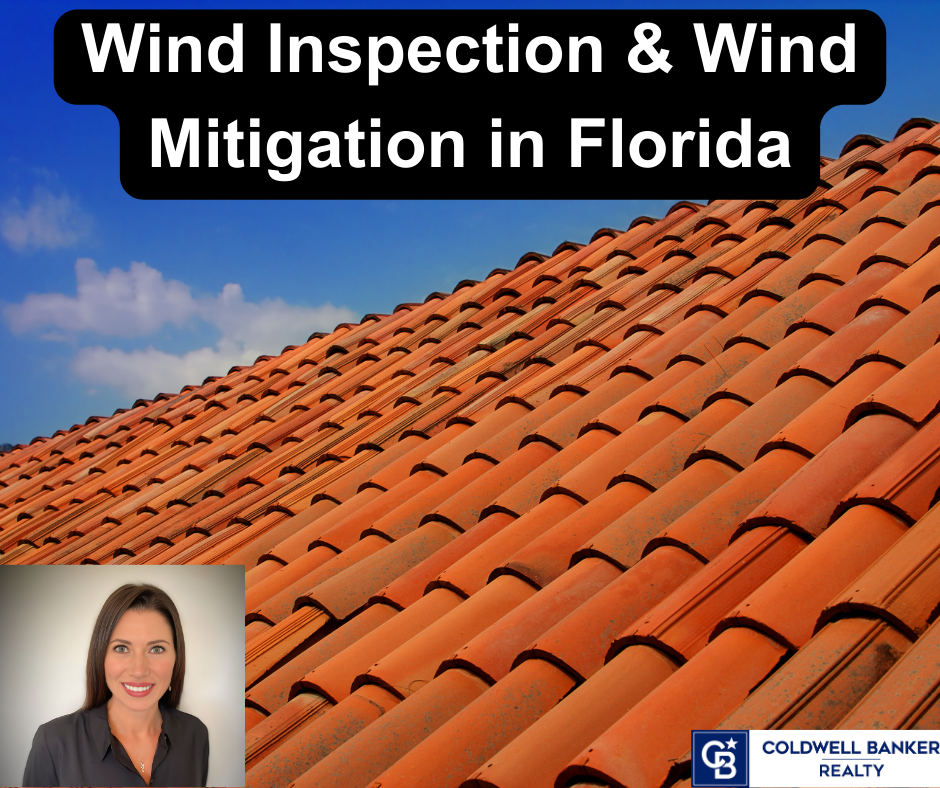
Contact me if you would like referrals for wind inspectors. I am here to help.

Annette Dammeyer, REALTOR
Coldwell Banker Realty
901 E Las Olas Blvd STE 101, Fort Lauderdale, FL 33301
808.747.3686
SL 3535792


