
 Facebook
 X
X
 Pinterest
 Copy Link
August 2025 Essentials: Seller Checklist, Curb Appeal Tips & Buying Smarts

August 2025 Newsletter
|
August is nearly here, and with it comes a renewed focus on the essentials. Whether you’re prepping to list your home or simply refreshing your space, this month’s newsletter dives into the real estate fundamentals that matter most in our Southeast Florida market. Inside, you’ll find my Ultimate Home Seller’s Checklist — a must-have guide to navigate your sale with confidence, plus stylish updates that add curb appeal, like outdoor water features and statement garage doors. And for those exploring homeownership, check out the 7 clear and practical steps to help you understand what you can afford and how to get started. Let’s simplify the process, elevate the experience, and keep our community inspired. I’m here for any questions or consultations — just reach out! Warm regards, |
|||||||||||
|
|||||||||||
|
Real Estate Updates | Area Reports | June 2025
|
|||||||||||
|
|
|||||||||||
If you have any questions or simply want to talk through your options, I’m here for you. Let’s have a conversation tailored to your goals, and map out the next steps together. I’m here to help and guide you every step of the way with experience and integrity.CONTACT ANNETTELet’s start working together!
Annette Dammeyer, REALTOR®, ABR®, AHWD® Coldwell Banker Realty 901 E Las Olas Blvd STE 101, Fort Lauderdale, FL 33301 808.747.3686 SL 3535792
|
|||||||||||

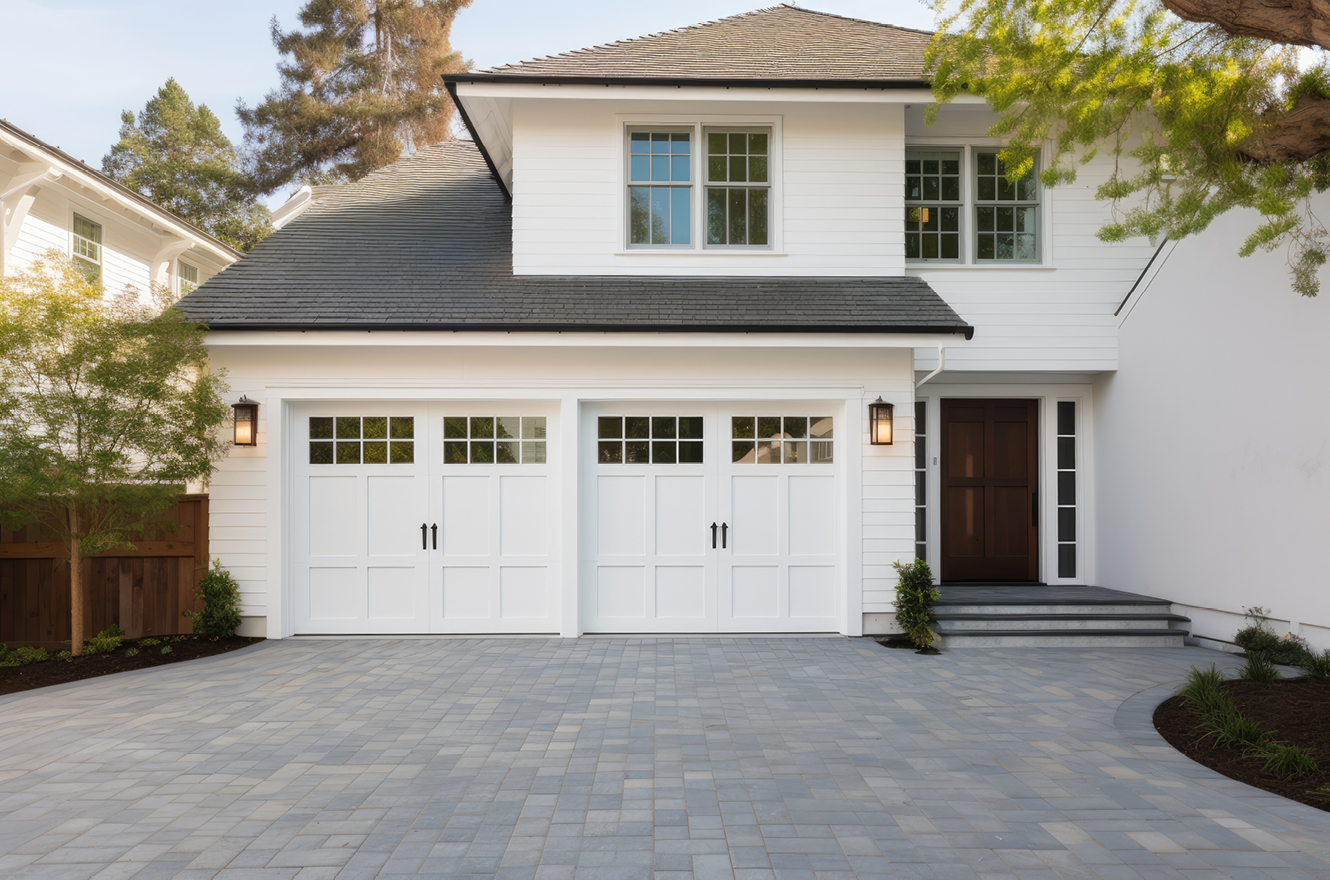


The Ultimate Home Seller Checklist for SE Florida

🌴 The Ultimate Home Seller Checklist for SE Florida: From Decision to Closing
Selling your home in Southeast Florida isn’t just a transaction — it’s a transformation. Whether you’re downsizing, moving closer to family, or simply ready for a change, I know how emotional and overwhelming this process can be. I’ve walked many sellers through this journey, and when you have a clear path forward, you’ll feel more in control, more confident, and ready to celebrate when the keys are handed over.
So, here’s the roadmap — a comprehensive checklist designed especially for SE Florida homeowners. Use this as your guide from that first “maybe it’s time” moment all the way to a victorious closing day.
🧭 Step 1: Deciding to Sell
- Identify your “why” — downsizing, relocation, lifestyle upgrade?
- Research local trends in your neighborhood (Fort Lauderdale, Hollywood, Boca, etc.)
- Estimate equity and potential profits
- Consider seasonal timing (yes, even in sunny Florida — buyer demand fluctuates)
- Talk to a trusted real estate professional (like me!) to run through your options
- Agree on a Listing Price after reviewing a Comparative Market Analysis (CMA)
I will provide you with a CMA that takes into account your neighborhood’s recently sold homes, the current competition and local market conditions.
🛠️ Step 2: Preparing the Property
- Declutter and depersonalize — less is more when buyers tour your home
- Handle repairs and maintenance: roof, HVAC, plumbing
- Boost curb appeal — South Florida buyers notice landscaping!
- Schedule a pre-listing home inspection and seawall/dock inspection if applicable (optional but smart)
- Consider professional staging (especially helpful in open layouts)
- If interested, take advantage of the RealVitalize® program that provides home sellers with home improvement resources during the listing period, with no upfront costs or interest fees.
🎨 Step 3: Marketing & Listing
- Take professional photos to showcase your property effectively online, attracting more buyers*
- Complete the Seller’s Property Disclosure Statement
- Complete the Flood Disclosure
- If applicable, order all HOA documents for disclosure
- Create emotional, lifestyle-driven marketing materials*
- Launch the listing on the MLS and other platforms*
- Feature your home in email campaigns, social posts, and open houses*
- Target buyers relocating to SE Florida — they’re often driven by lifestyle and climate*
*I will take the lead on these items. Please click link to view my Marketing Strategy:

💼 Step 4: Navigating Offers
- Review offers carefully: price, contingencies, closing timelines
- Strategically counter or accept offers based on your goals
- Handle negotiations with clarity and confidence
- Don’t forget: emotional intelligence matters here as much as market savvy
I will promptly present all offers to you so we can discuss them and prepare an appropriate response for the buyer.
📜 Step 5: Under Contract
- Handle any lender-required repairs
- Cooperate with inspections and appraisals and keep communication open
- Complete all remaining required disclosures to provide to the buyer
- Coordinate with the title company and attorney (if needed)
- Keep the property “show-ready” until all contingencies are cleared
I will keep you apprised of all appointments including inspections, appraisals and document signing. I will also make sure all required disclosures are completed and delivered by the deadlines.
🎉 Step 6: Closing Day
- Do your final walk-through the day before (yes, even sellers should check everything)
- Sign final documents and celebrate a smooth transaction
- Transfer keys, garage openers, and final information
- Celebrate!
I hope this comprehensive guide gives you clarity and confidence as you consider selling your home in beautiful Southeast Florida. Every seller’s journey is unique — and the right guidance makes all the difference.
If you have any questions, are curious about your home’s current value, or simply want to talk through your options, I’m here for you. Let’s have a conversation tailored to your goals, and map out the next steps together.
Feel free to reach out anytime to schedule a consultation — whether you’re ready to list or just exploring. Your next chapter starts with a confident first step.
CONTACT ANNETTE
Let’s start working together!

Annette Dammeyer, REALTOR®, ABR®, AHWD®
Coldwell Banker Realty
901 E Las Olas Blvd STE 101, Fort Lauderdale, FL 33301
808.747.3686
SL 3535792
Fort Lauderdale June 2025 Area Report
Fort Lauderdale June 2025 real estate statistics have been published.
Fort Lauderdale Area Reports
Single Family Homes
Condominium & Townhouses
Fort Lauderdale Real Estate Market Overview
The following is a real estate market report for Fort Lauderdale, detailing sales activity, trends, and statistics for single-family homes and condos/townhouses as of June 2025.
Summary:
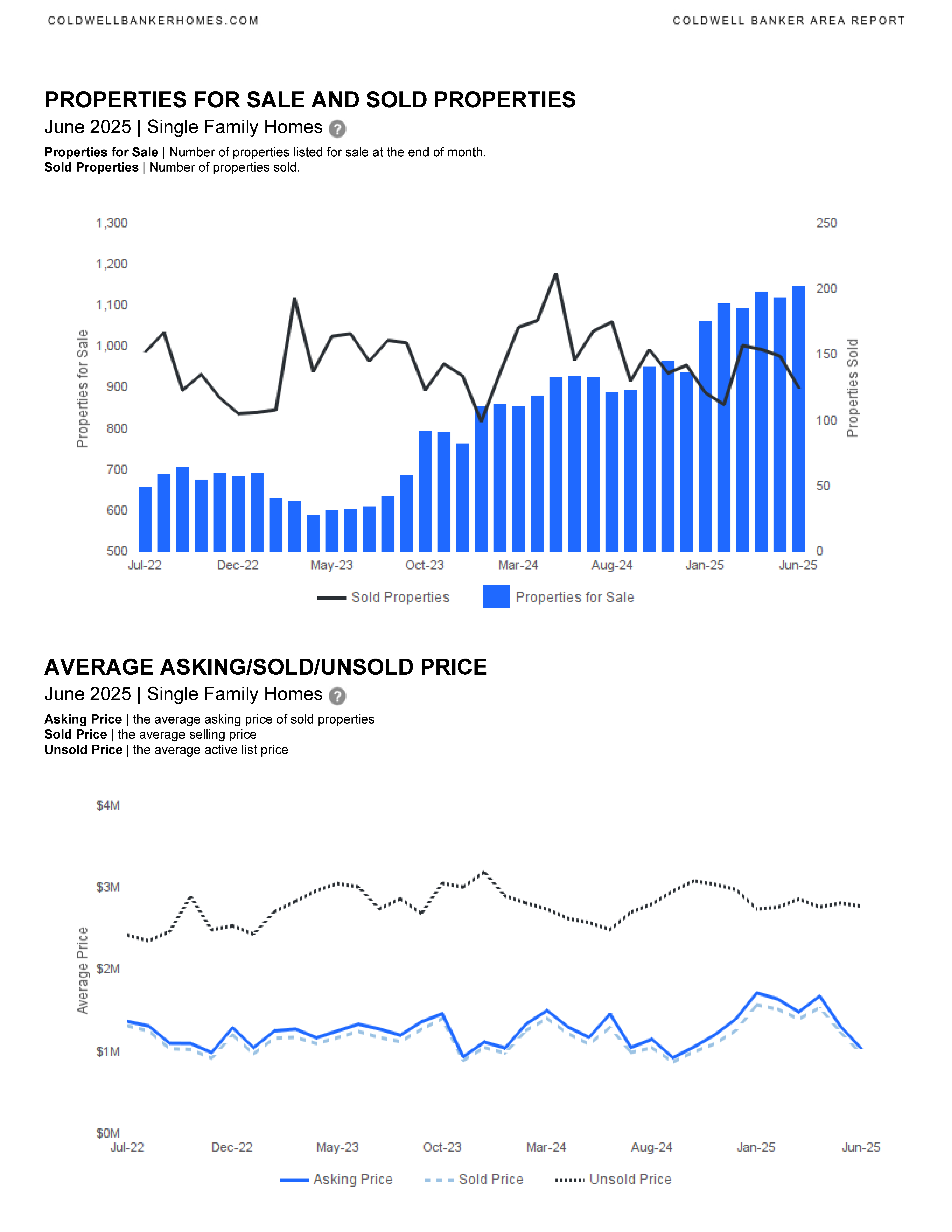
Single Family Homes Sales Overview
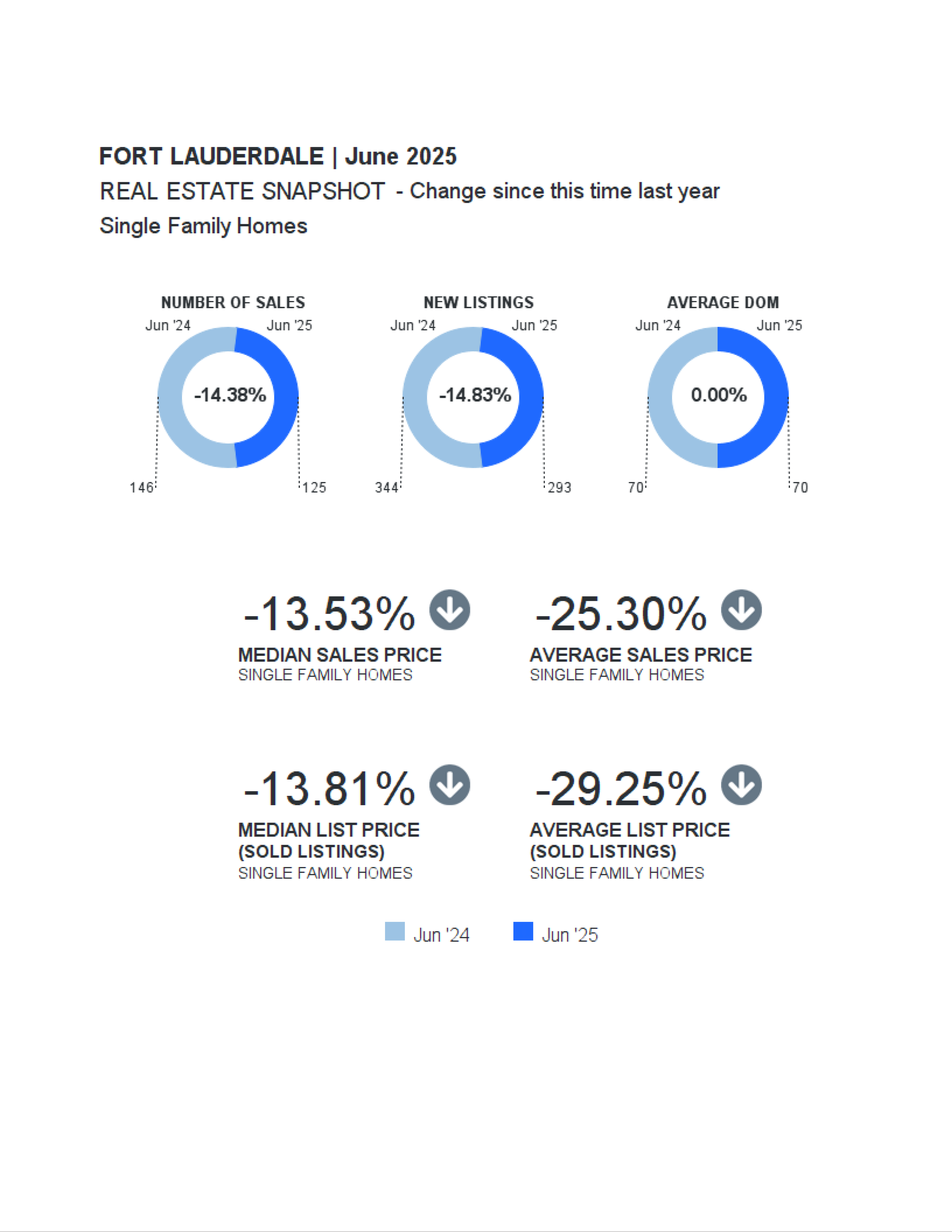
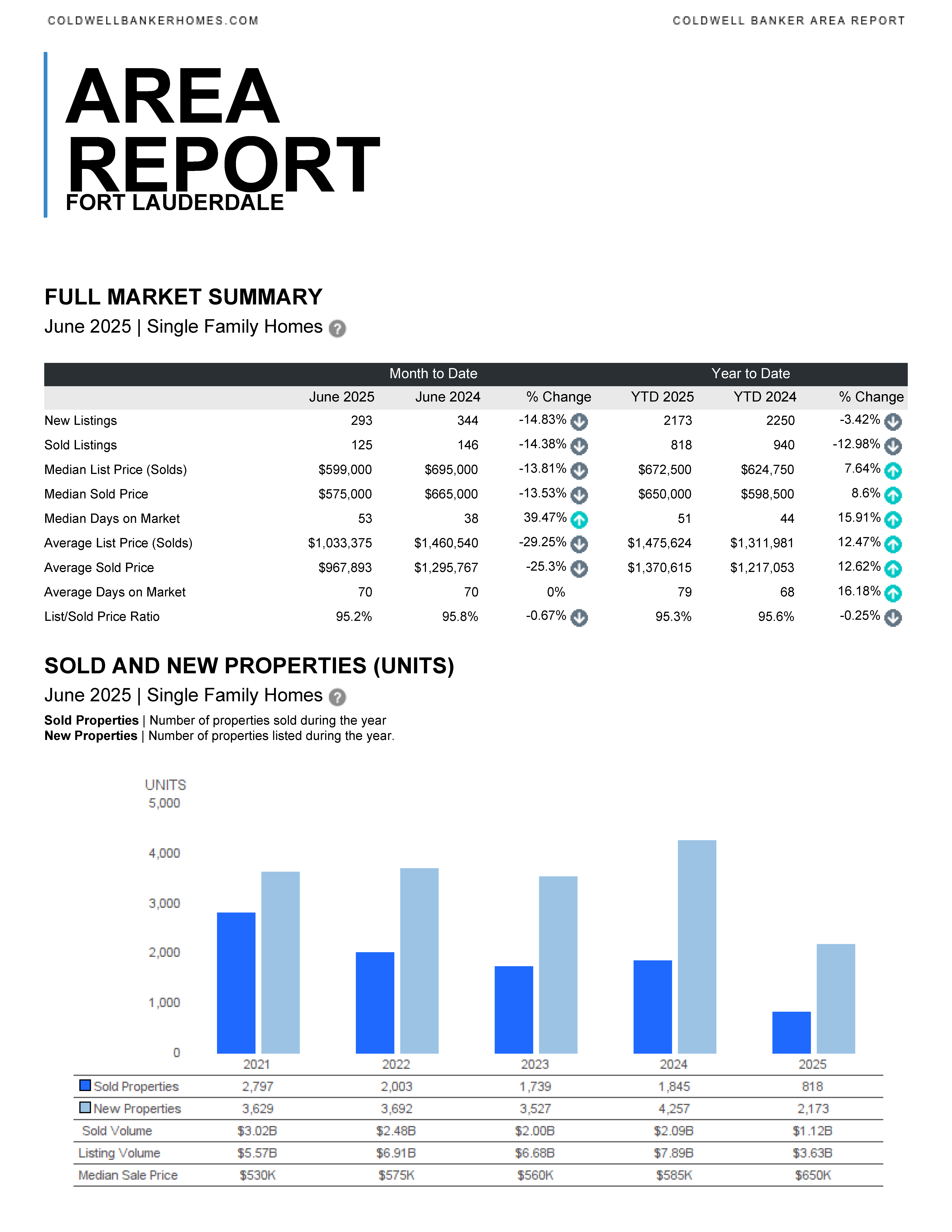
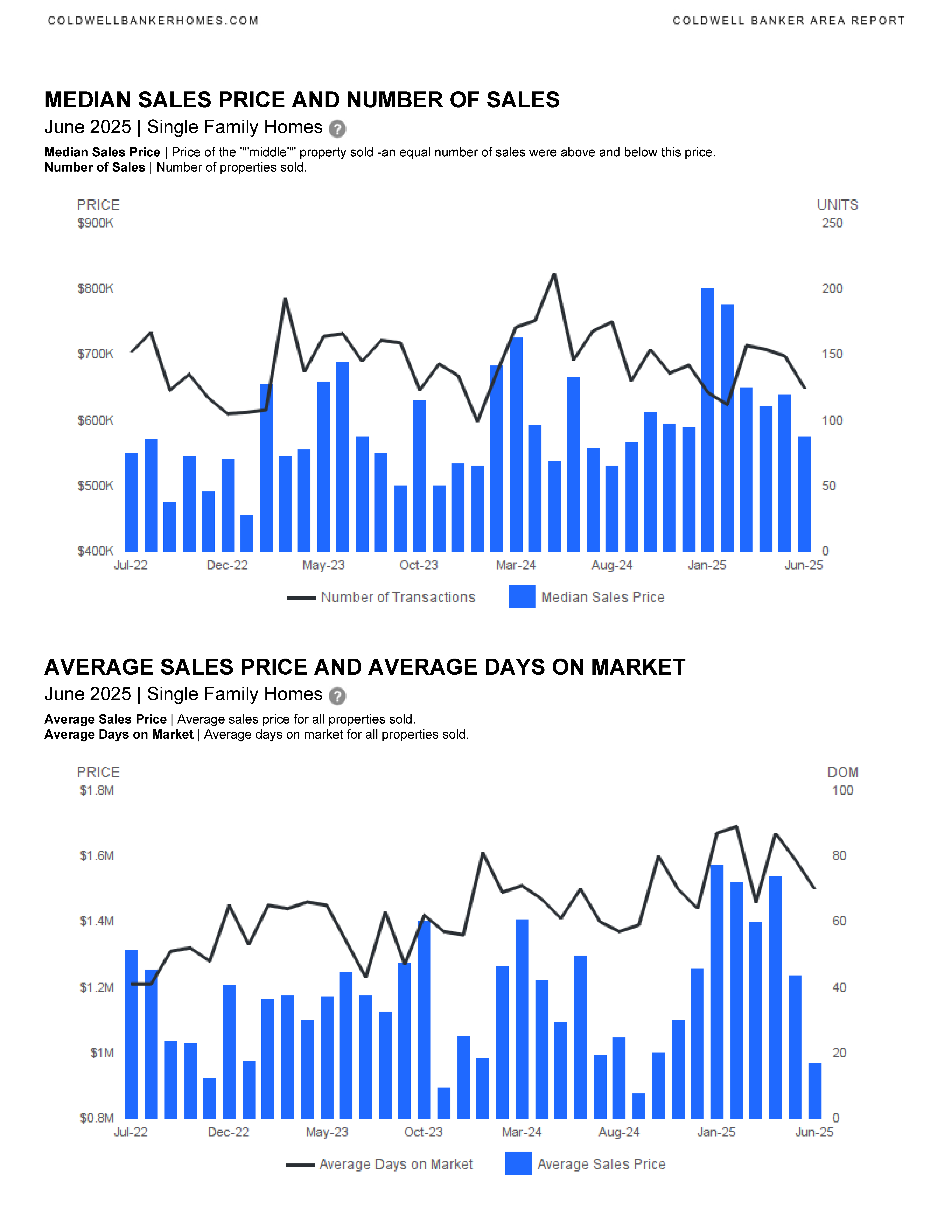
The single-family homes market has experienced a decline in sales and prices compared to last year. Key metrics indicate a significant drop in both the number of sales and average prices, reflecting a challenging market environment.
- Number of Sales: 146 (down 13.53% from last year)
- New Listings: 293 (down 14.83% month-to-date)
- Median Sales Price: $575,000 (down 13.53% year-over-year)
- Average Sales Price: $967,893 (down 25.3% year-over-year)
- Median Days on Market: 53 (up 39.47% year-over-year)
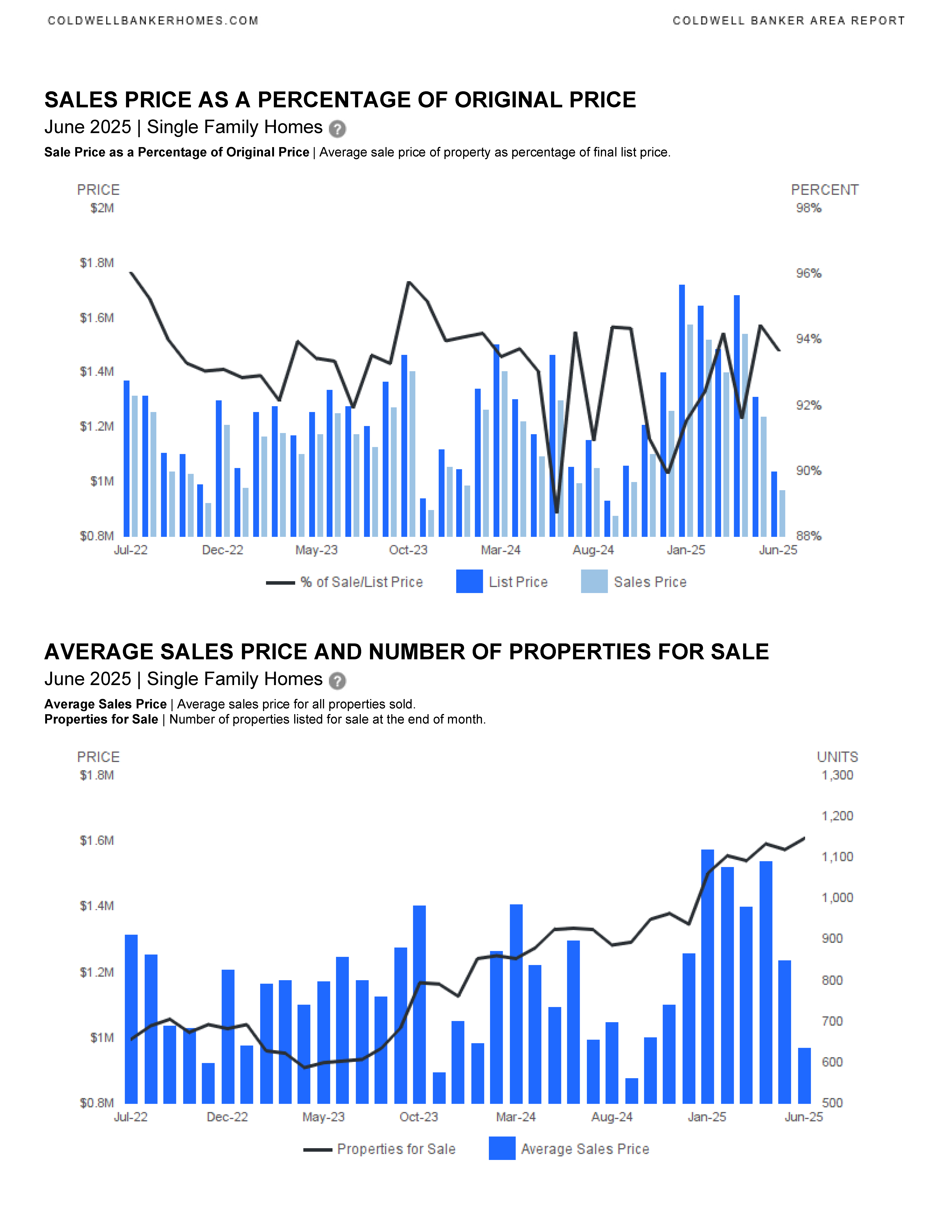
- List/Sold Price Ratio: 95.2% (down 0.67% from last year)
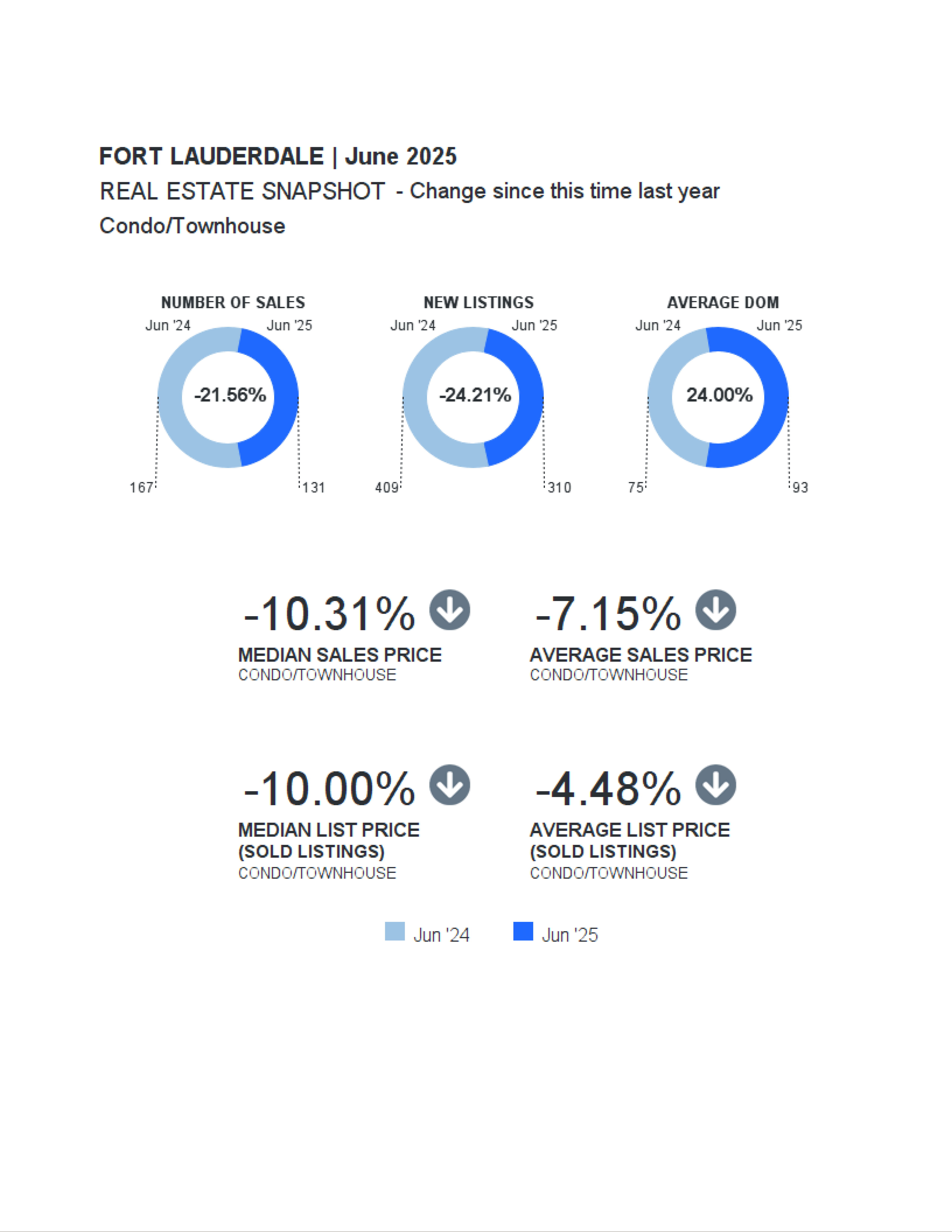
Condo/Townhouse Market Overview
The condo/townhouse market has also seen a decrease in sales and prices, with notable declines in both new listings and sold properties. This trend suggests a tightening market for these types of properties.
- Number of Sales: 167 (down 10.31% from last year)
- New Listings: 310 (down 24.21% month-to-date)
- Median Sales Price: $435,000 (down 10.31% year-over-year)
- Average Sales Price: $641,687 (down 7.15% year-over-year)
- Median Days on Market: 70 (up 27.27% year-over-year)
- List/Sold Price Ratio: 93.2% (down 2.02% from last year)
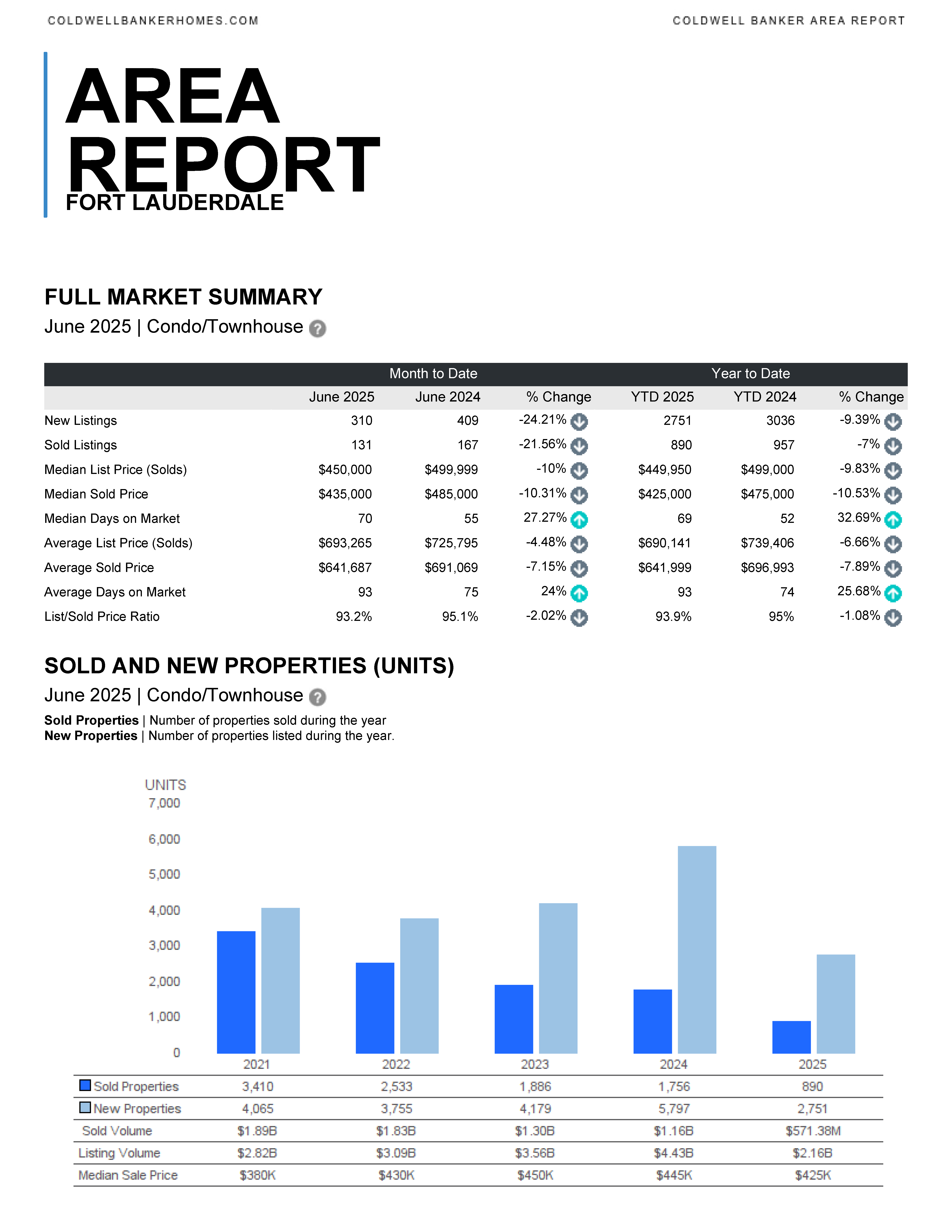
Year-to-Date Market Trends
Year-to-date statistics reveal a consistent decline in both single-family homes and condo/townhouse sales, indicating a broader trend in the real estate market.
- Year-to-Date Sold Listings for Single Family Homes: 818 (down 12.98% from last year)
- Year-to-Date Sold Listings for Condo/Townhouse: 890 (down 7% from last year)
- Year-to-Date Median List Price for Single Family Homes: $672,500 (up 7.64% from last year)
- Year-to-Date Median List Price for Condo/Townhouse: $449,950 (down 9.83% from last year)
Market Dynamics and Inventory Insights
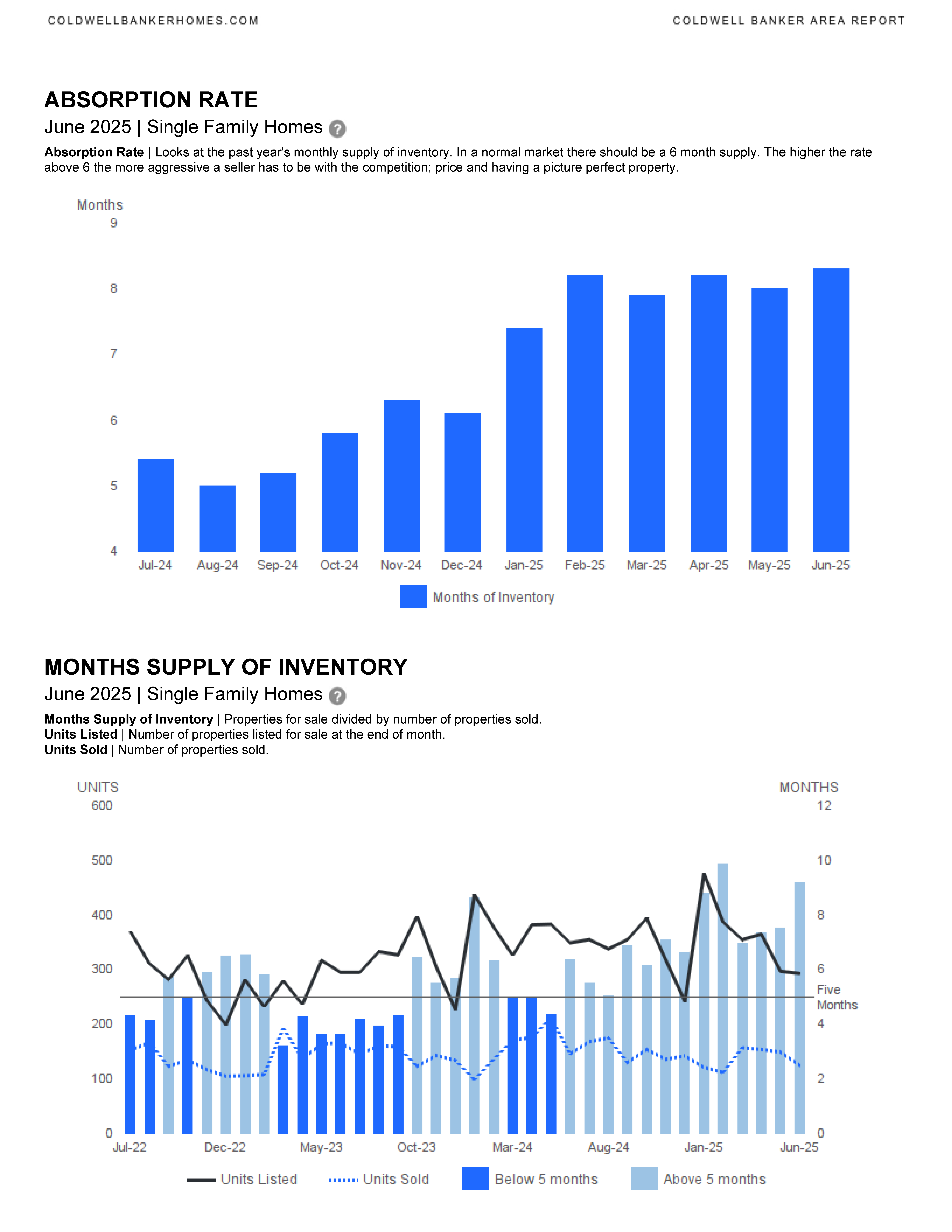
The market dynamics show an increase in the average days on market, suggesting a shift towards a buyer’s market. The absorption rate indicates a need for sellers to be competitive.
- Average Days on Market for Single Family Homes: 70 (no change year-over-year)
- Average Days on Market for Condo/Townhouse: 93 (up 24% year-over-year)
- Months Supply of Inventory: Indicates a need for a competitive pricing strategy for sellers.
- Higher absorption rates suggest a more aggressive approach is necessary for sellers to attract buyers.
Conclusion
The report highlights significant trends in the residential real estate market, with declines in sales and prices for both single-family homes and condos/townhouses. For further insights and personalized information, contact me, I’m always available to talk.
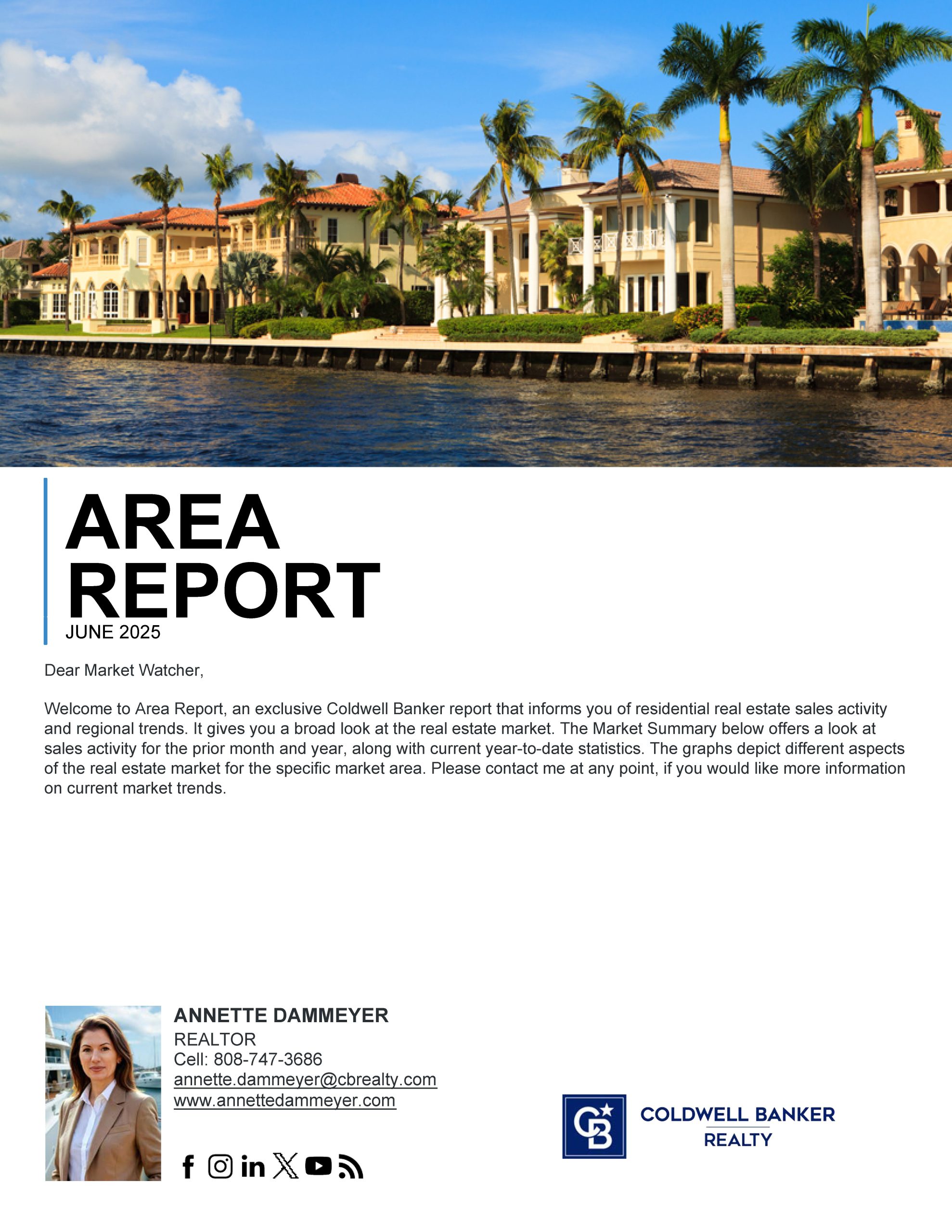
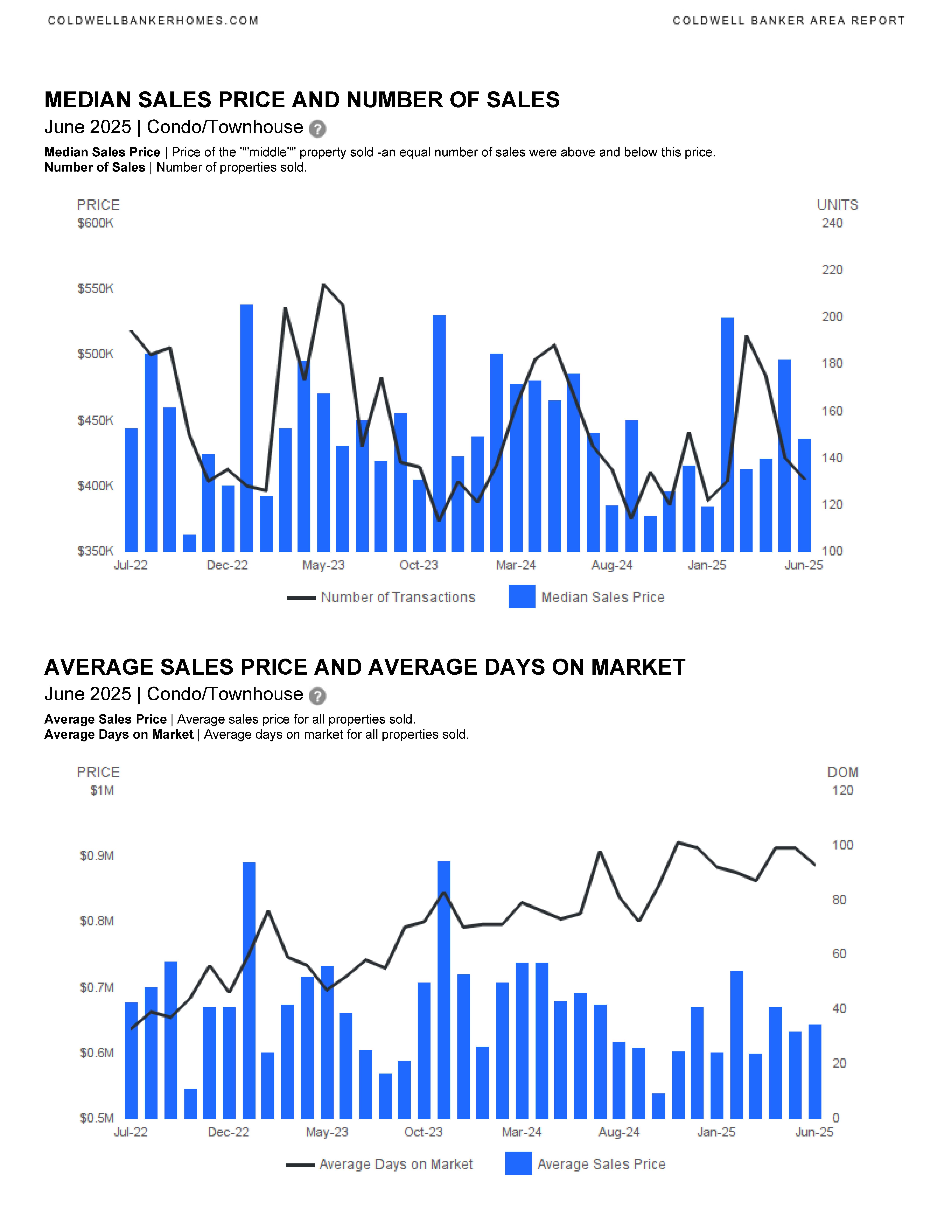
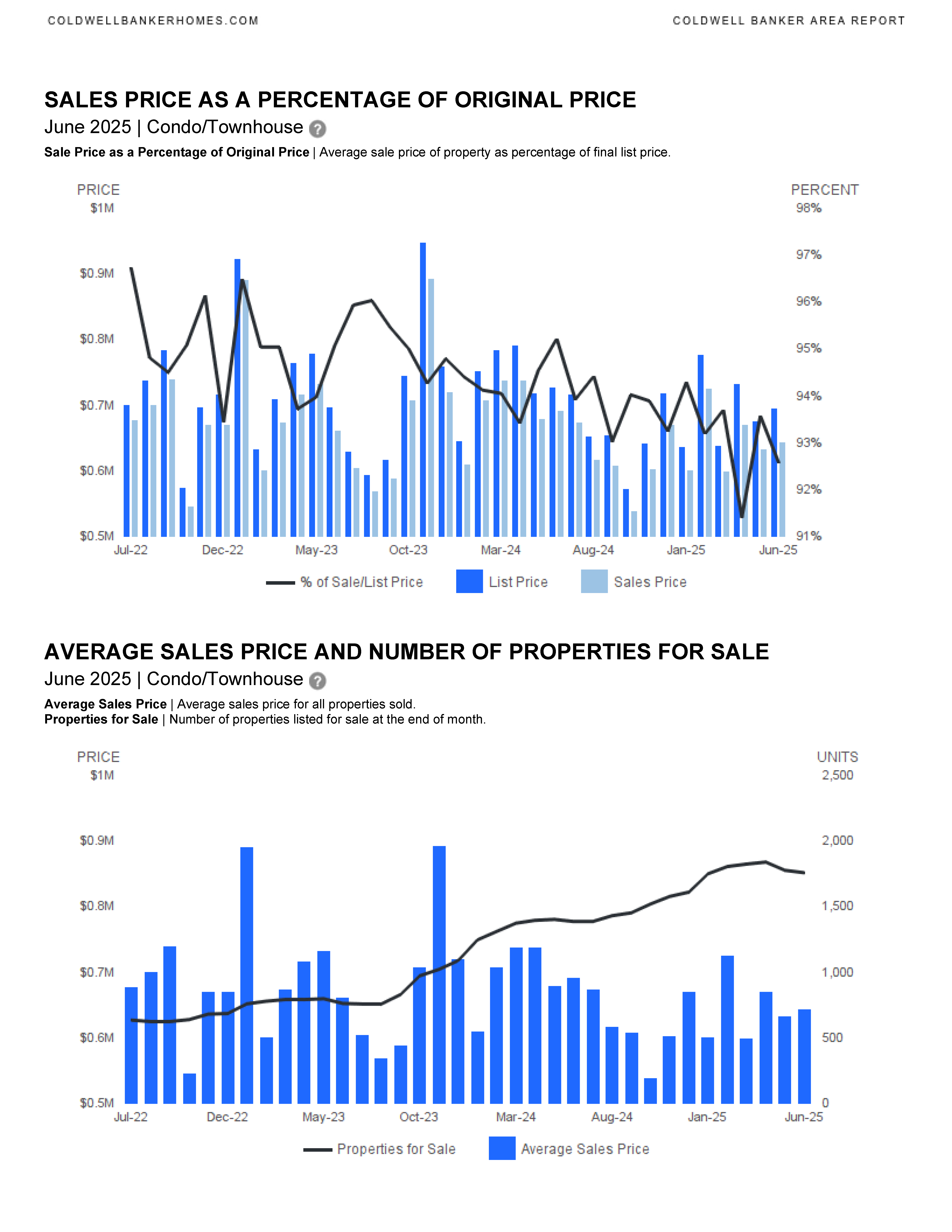
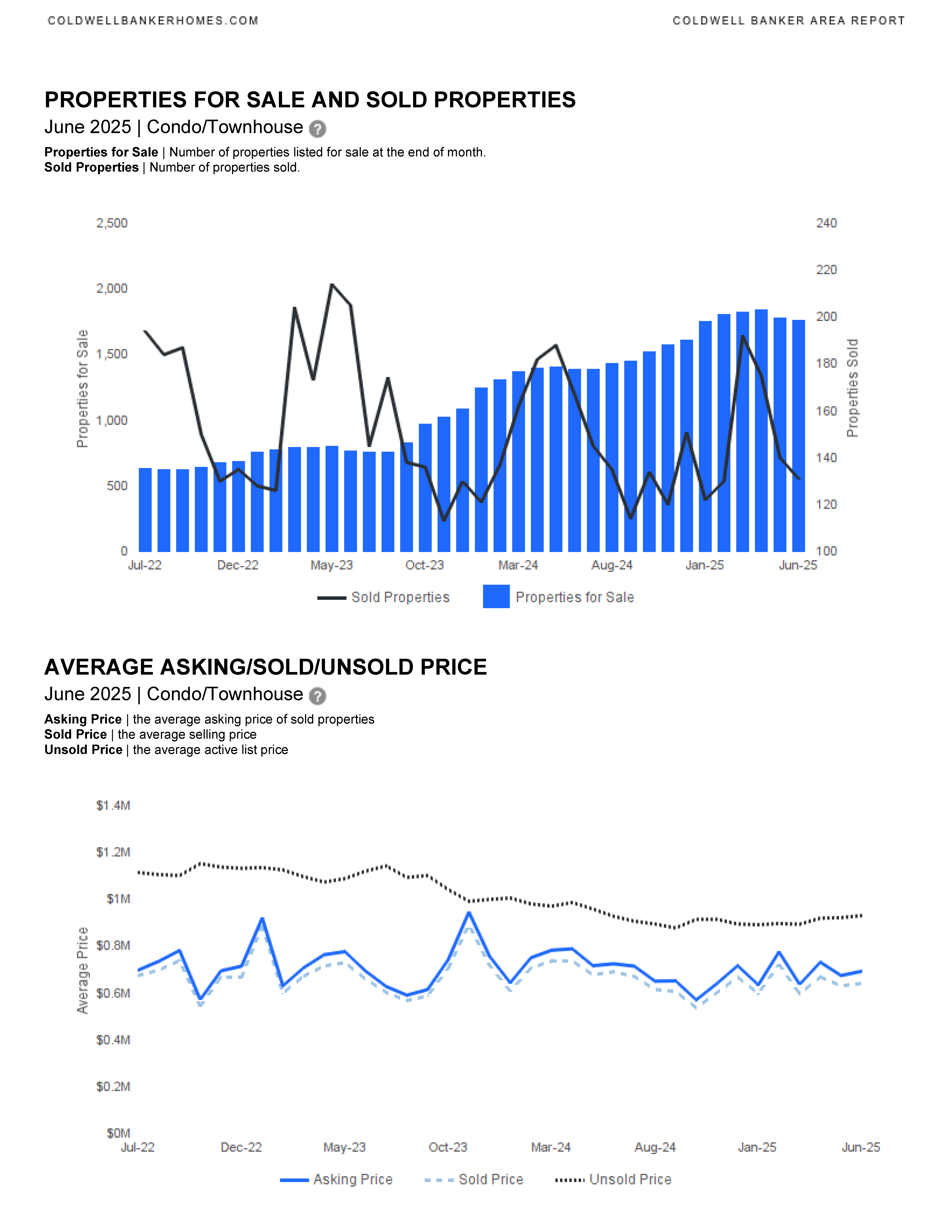
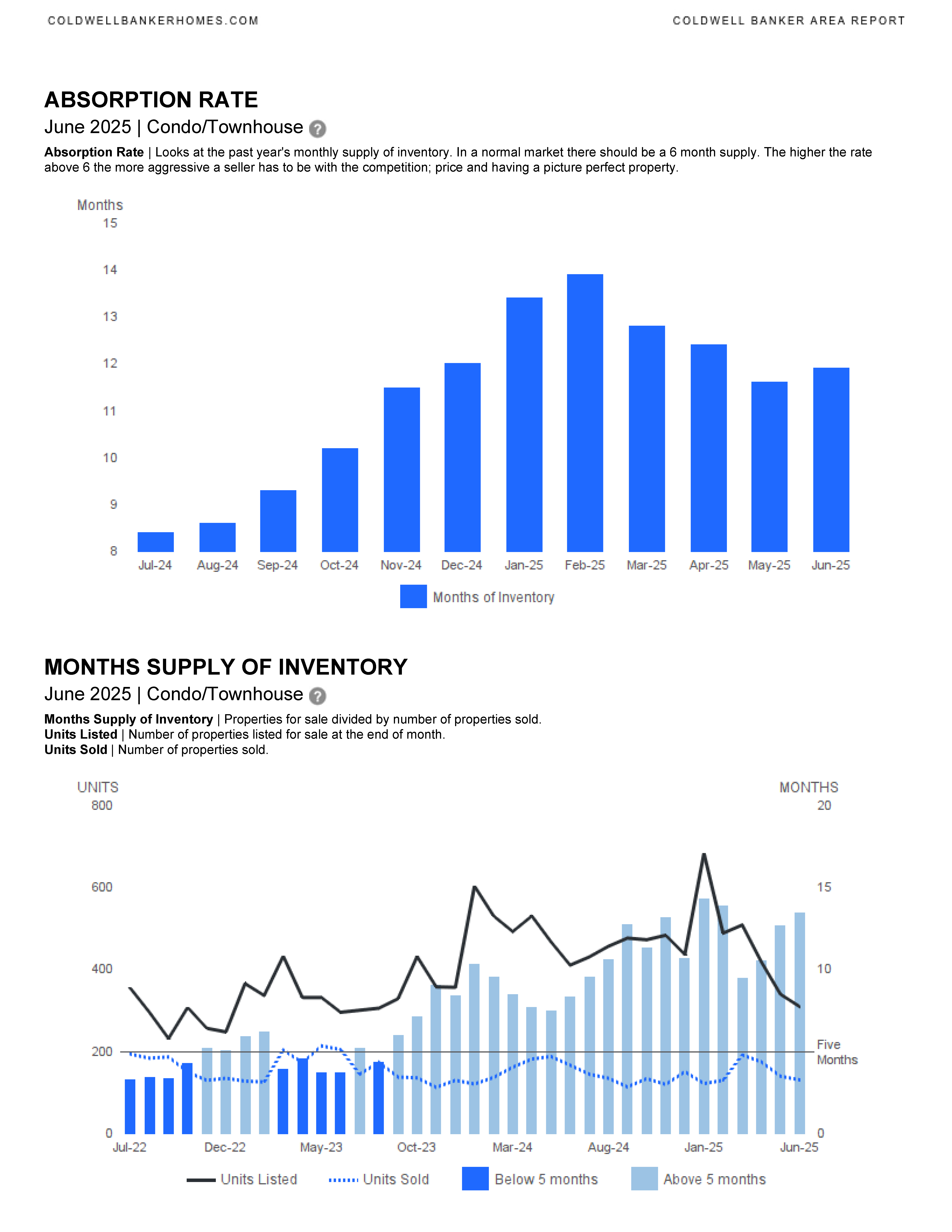

We are entering a new real estate market in SE Florida. This is the time to work with an experienced and knowledgeable real estate professional. Please contact me if you would like to be sent updated market reports for YOUR specific neighborhood, Fort Lauderdale, or another SE Florida city. We can discuss the market, current trends and how we can work together to accomplish your real estate goals. I am here to help.
CONTACT ANNETTE
Let’s start working together!
Annette Dammeyer, REALTOR®, ABR®, AHWD®
Coldwell Banker Realty
901 E Las Olas Blvd STE 101, Fort Lauderdale, FL 33301
808.747.3686
SL 3535792
SE Florida Market Snapshot – June 2025
Market Trends in SE Florida
The real estate market is adjusting. With the increase in months of supply of inventory, SE Florida is leaning towards a “buyer’s market”. Seller’s are now reassessing their asking price on their properties for sale. It is crucial to examine other similar homes on the market to establish an aggressive original listing price, generating multiple buyer’s attention to your property. This is also an important time to consider a decrease in asking price if the property has been on the market without active offers. I welcome any discussions you may want to have regarding your neighborhood trends. Please reach out to chat, even if you are not ready to buy or sell, but just would like to discuss current real estate updates. Here are the Market Snapshots reflecting the last month (compared to the same month last year) for the following areas:
- Fort Lauderdale
- Wilton Manors
- Hollywood
- Dania Beach
- Hallandale Beach
These take into account all property types (Single Family Homes/Condos/Townhomes).
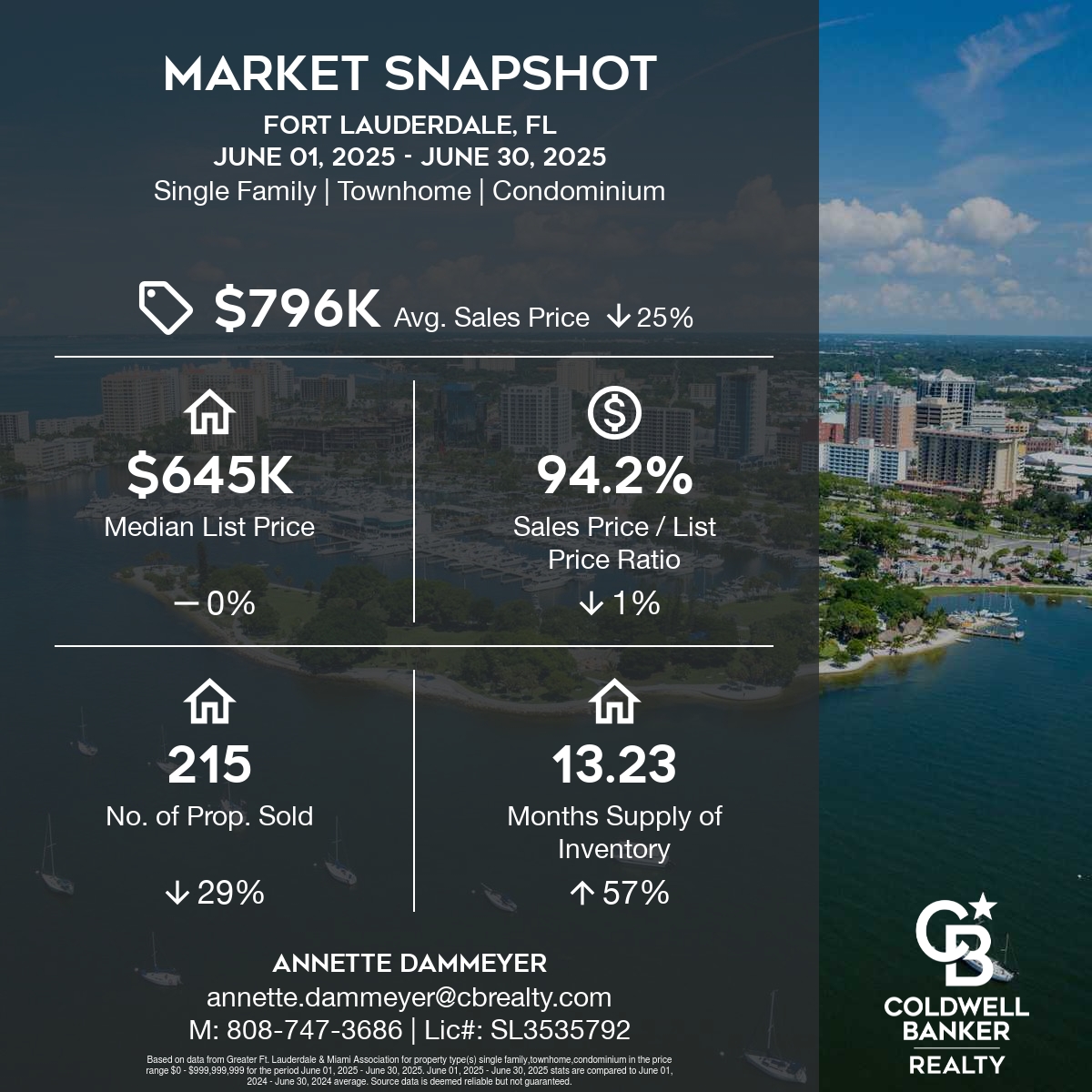
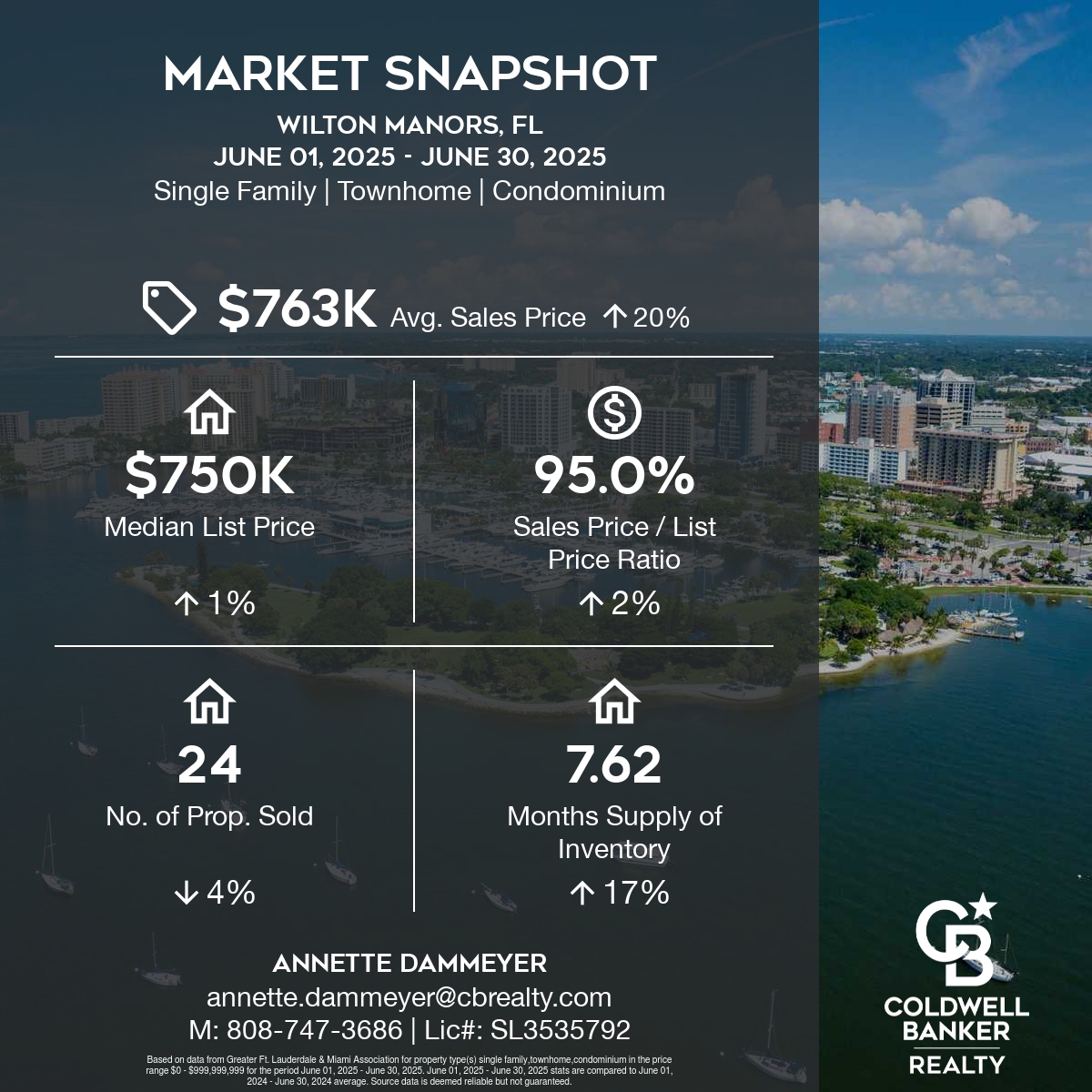
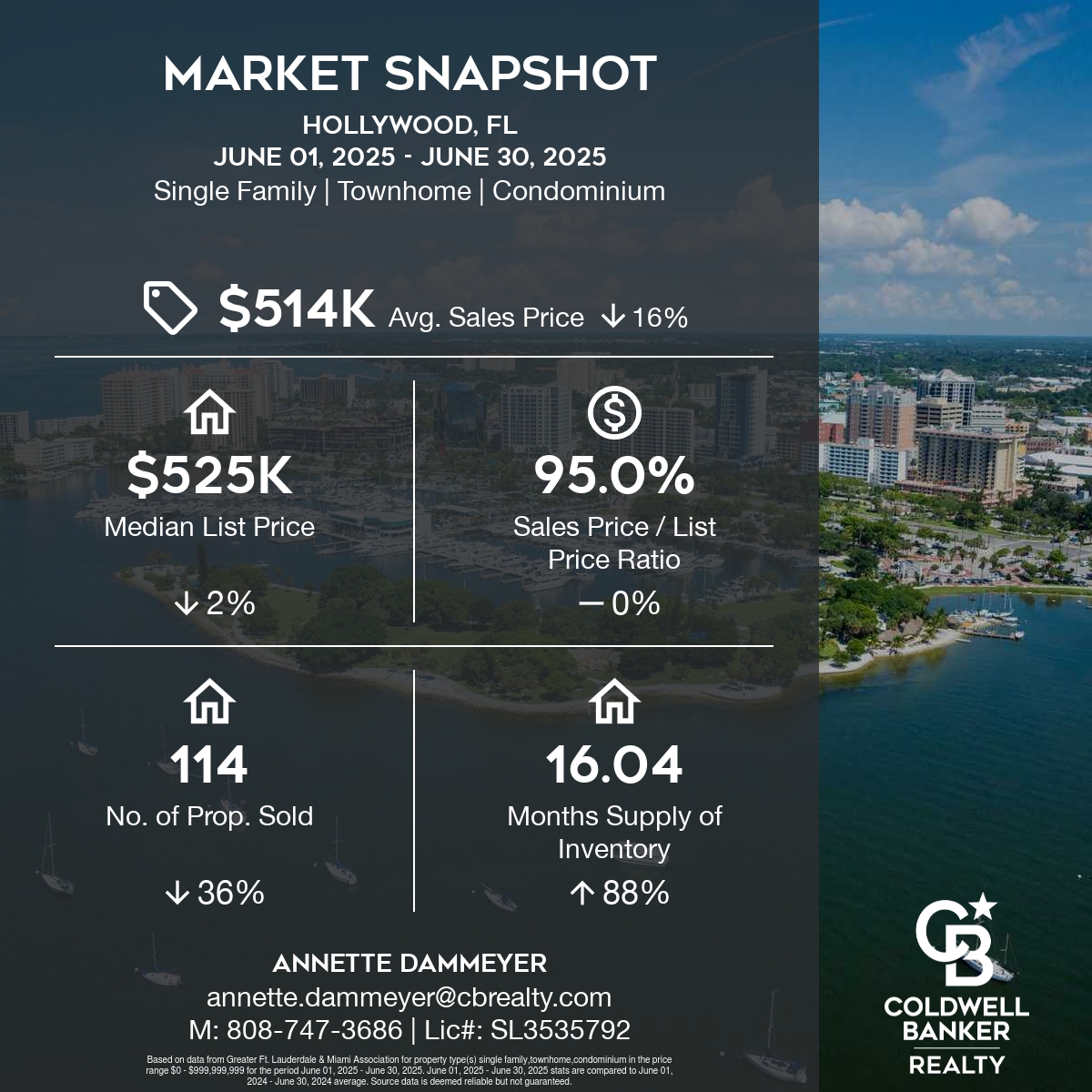
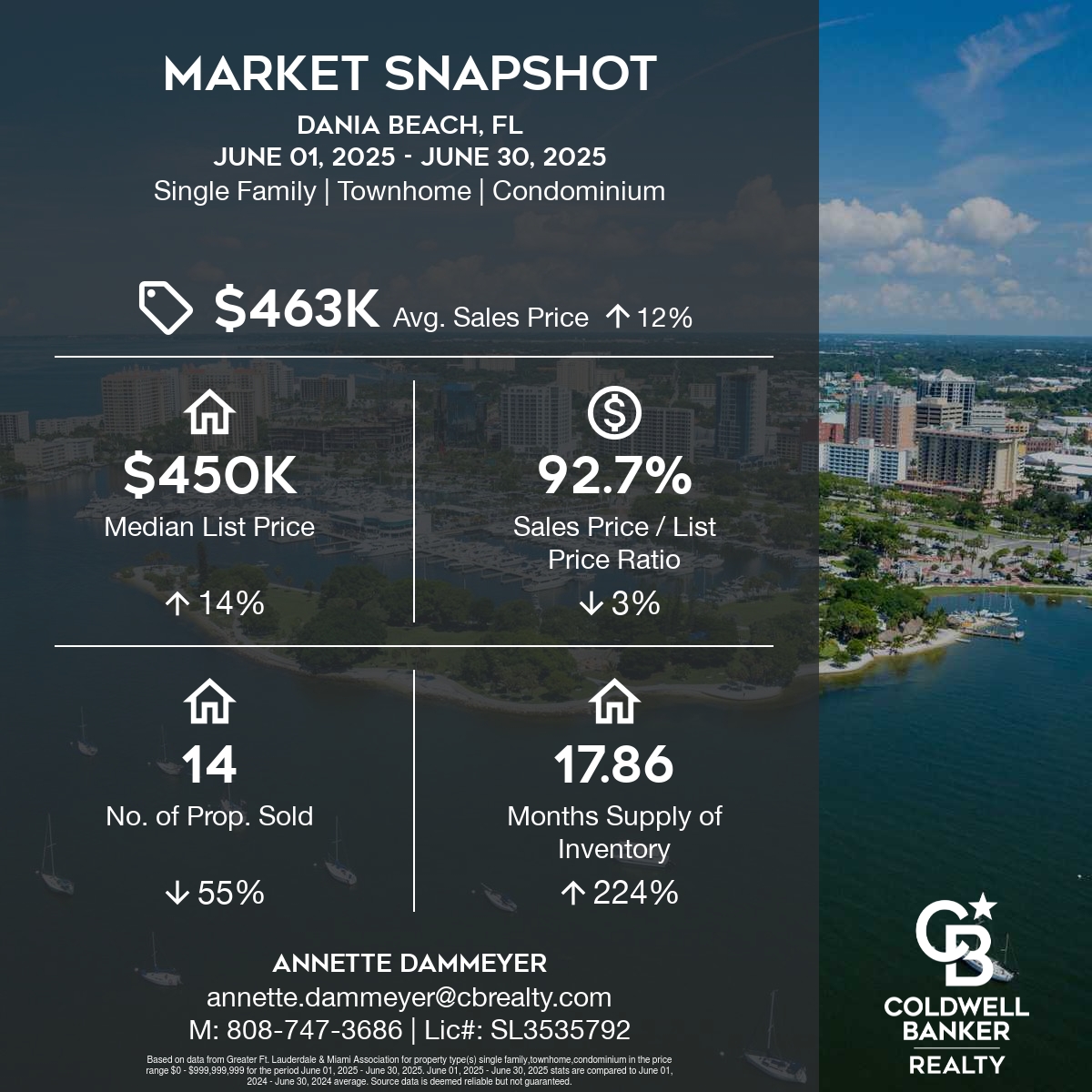
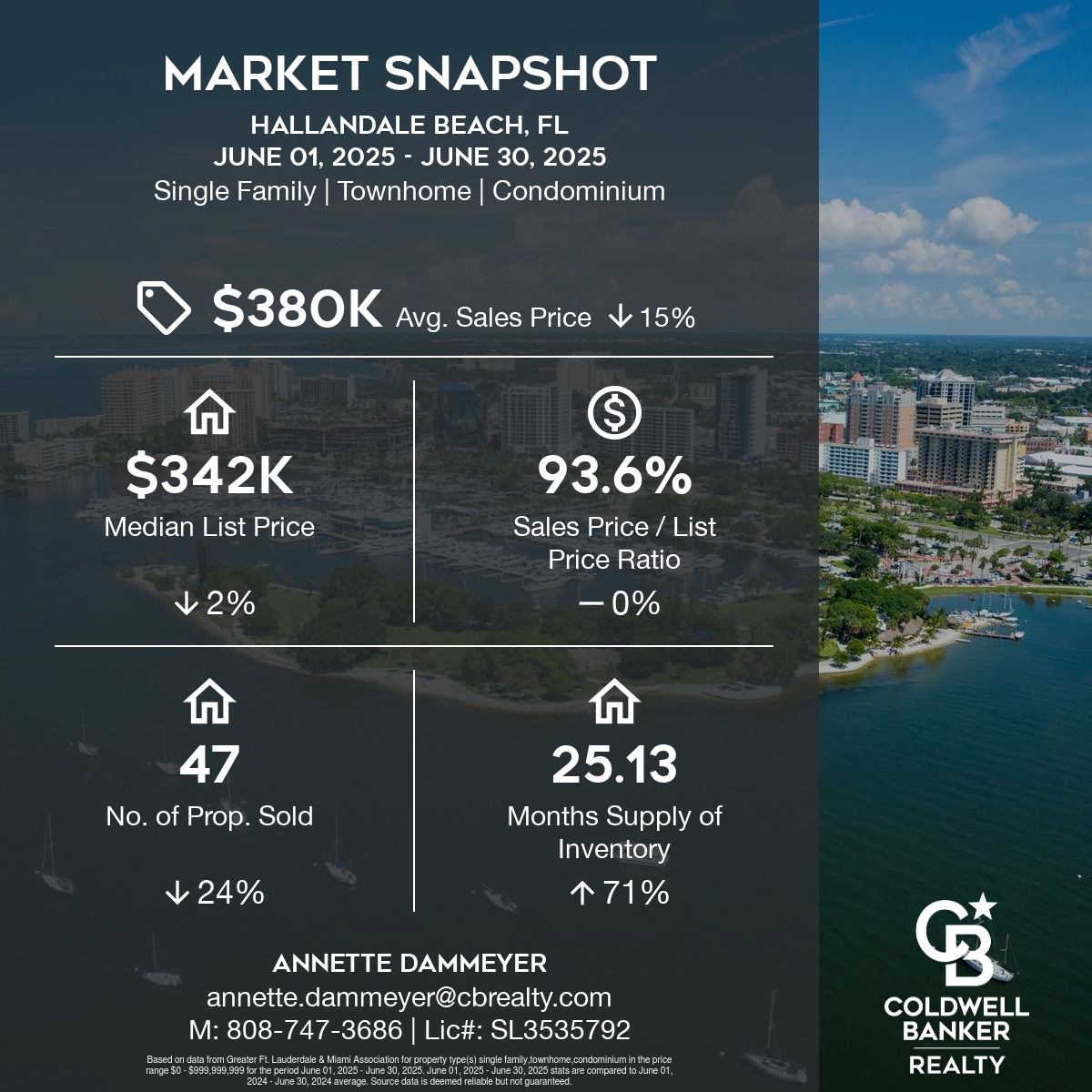
With the rapidly changing real estate market, now is the time to make informed decisions. Contact me today to discuss the current market trends and how we can work together to accomplish your real estate goals. Please call or email me if you would like to be automatically sent detailed market reports for Fort Lauderdale, another SE Florida city, or your specific neighborhood. I am here to help.
CONTACT ANNETTE
Let’s start working together!
Annette Dammeyer, REALTOR®, ABR®, AHWD®
Coldwell Banker Realty
901 E Las Olas Blvd STE 101, Fort Lauderdale, FL 33301
808.747.3686
SL 3535792
July 2025 ~ Unlock Equity, Spark Joy & Celebrate!

July 2025 NewsletterJuly is nearly here, and you know what that means—fireworks, family, and a fresh batch of inspiration to make your home sparkle all year long! I’m delighted to bring you this month’s newsletter, filled with practical tips and creative ideas to elevate your space and your equity. Whether you’re cooling off poolside or prepping your patio for the perfect Fourth of July bash, I’ve curated articles that speak to the way we live—and dream—here in beautiful South Florida. This issue, we’re exploring:
Wherever you are on your homeownership journey, I’m here to help you make informed, confident, and creative choices—every step of the way. Wishing you a safe, joyful and fun-filled July! Warmly, |
|||||||||||
National Stories
|
|||||||||||
|
|
|||||||||||
|
Real Estate Updates | Area Reports | May 2025
|


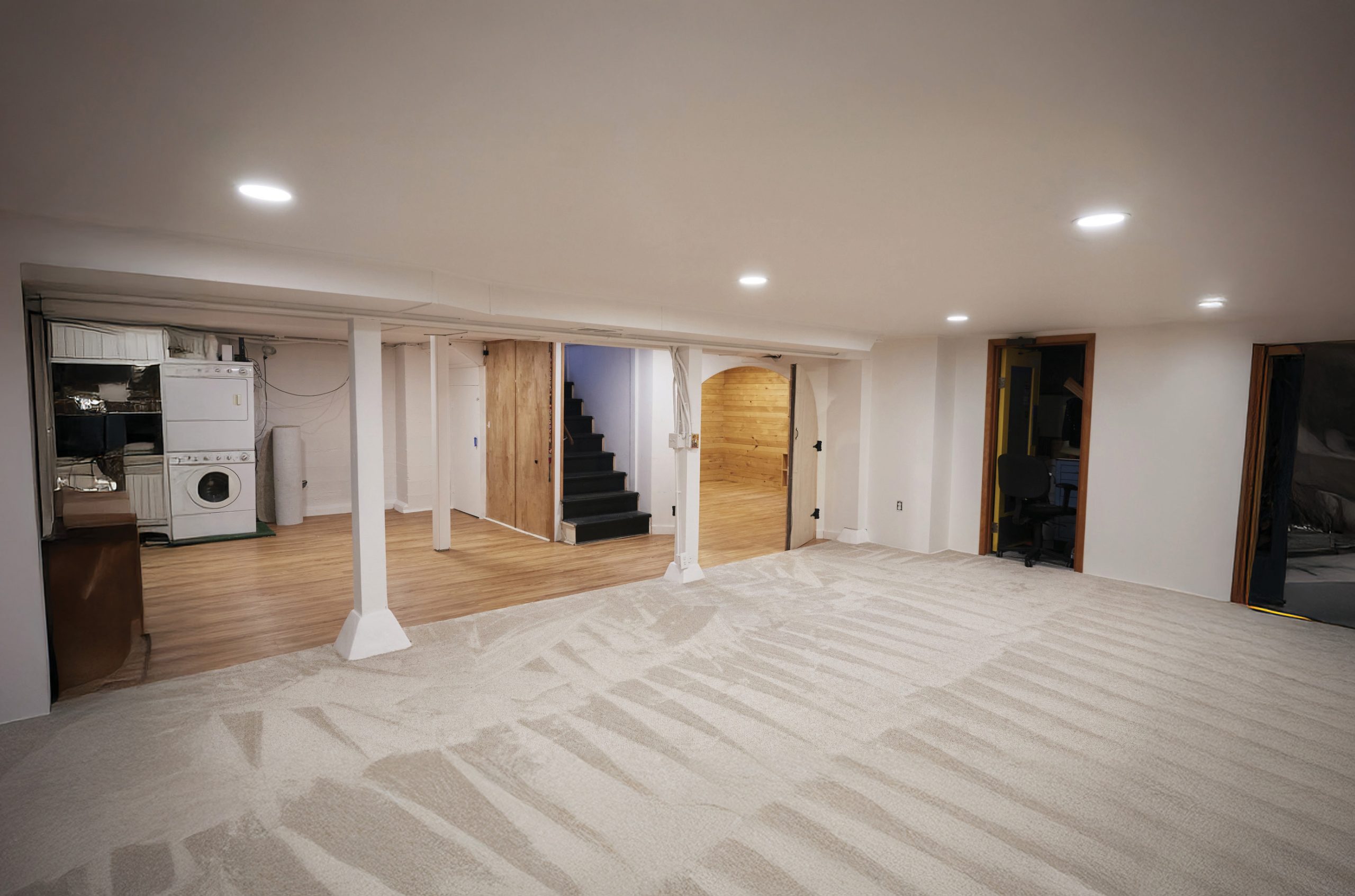
Enjoy your July and celebrate in style! If you are interested in evaluating your home equity, I offer complimentary comparative market analyses to give you a clear picture of your home’s value in today’s SE Florida market. I’m here to help and guide you every step of the way with experience and integrity.
CONTACT ANNETTE
Let’s start working together!
Annette Dammeyer, REALTOR®, ABR®, AHWD®
Coldwell Banker Realty
901 E Las Olas Blvd STE 101, Fort Lauderdale, FL 33301
808.747.3686
SL 3535792
Confused About Your “Home Equity”?
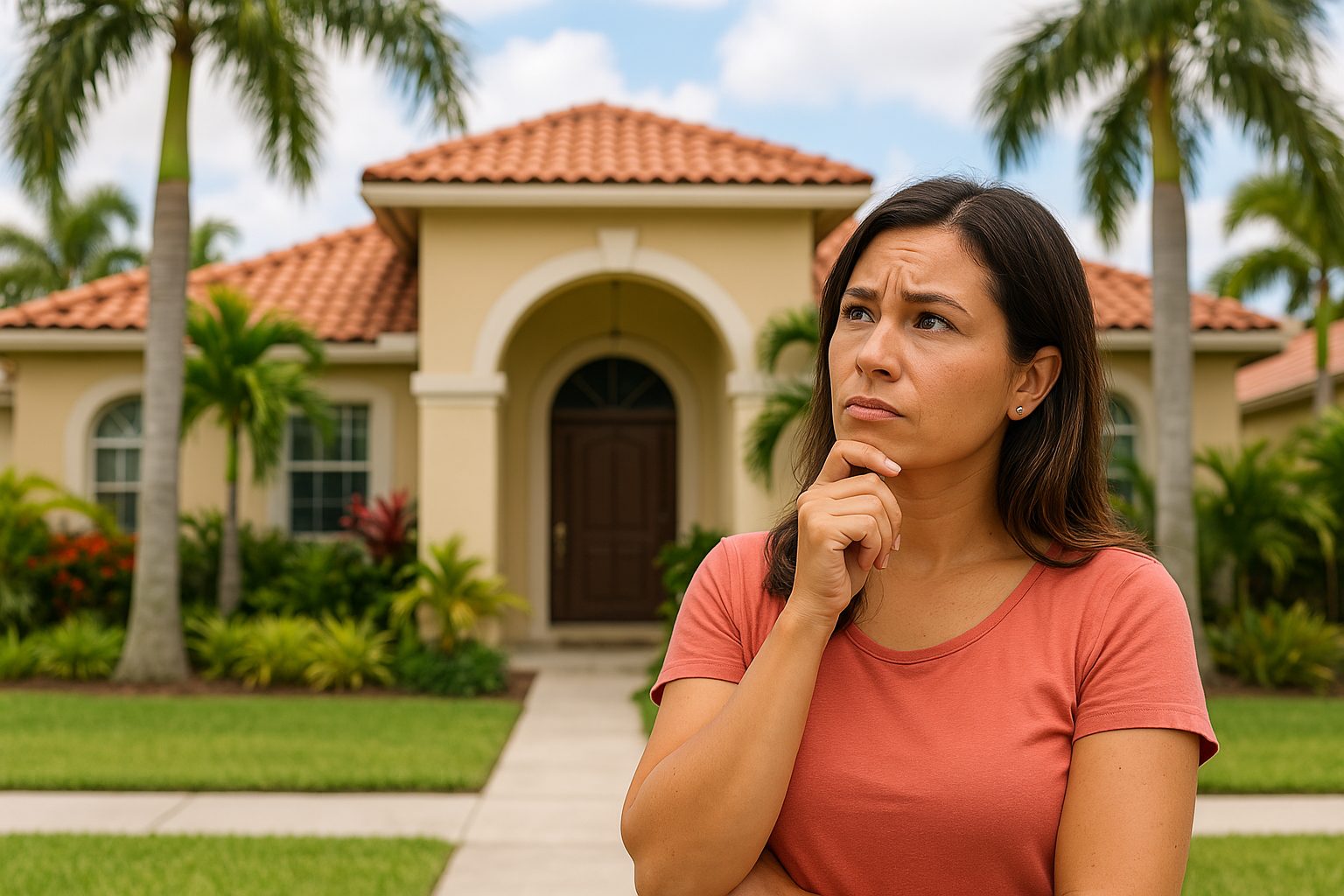
Your Home Equity: What Every SE Florida Homeowner Needs to Know
Understanding Home Equity in Simple Terms
Home equity is the portion of your home that you truly own—think of it as the difference between your home’s current market value and what you still owe on your mortgage. For example, if your home is worth $500,000 and you owe $300,000, you have $200,000 in equity.
Equity builds over time as you pay down your mortgage and as your home’s value appreciates. In SE Florida, where property values can fluctuate based on demand, location, and local market conditions, understanding your equity is crucial for making smart financial decisions.
Factors That Impact Your Home Equity
Several key factors influence equity:
- Home Value – Your property’s worth is determined by market trends, location, and home improvements. Regularly monitoring your home’s value helps you understand how much equity you have.
- Mortgage Payments – Each monthly payment increases your equity by reducing the outstanding loan balance.
- APR (Annual Percentage Rate) – APR refers to the total cost of your mortgage, including interest rates and fees. A lower APR means you’re paying less over time, helping you build equity faster.
- Market Conditions – SE Florida’s real estate market can see rapid changes, influenced by local demand, tourism, and economic shifts. These conditions directly affect your home’s value.
- Home Improvements – Strategic upgrades like kitchen renovations or landscaping can boost your home’s value, increasing equity.
Why Home Equity Matters
Your home equity gives you financial leverage. Whether you’re considering selling, refinancing, or borrowing against it, knowing where you stand can help you make informed decisions.
Get Your Personalized Home Equity Analysis
Want to know exactly how much equity you have in your home? I offer comparative market analyses to give you a clear picture of your home’s value in today’s SE Florida market. Reach out today to get your personalized report and expert insights on maximizing your investment!
CONTACT ANNETTE
Let’s start working together!
Annette Dammeyer, REALTOR®, ABR®, AHWD®
Coldwell Banker Realty
901 E Las Olas Blvd STE 101, Fort Lauderdale, FL 33301
808.747.3686
SL 3535792
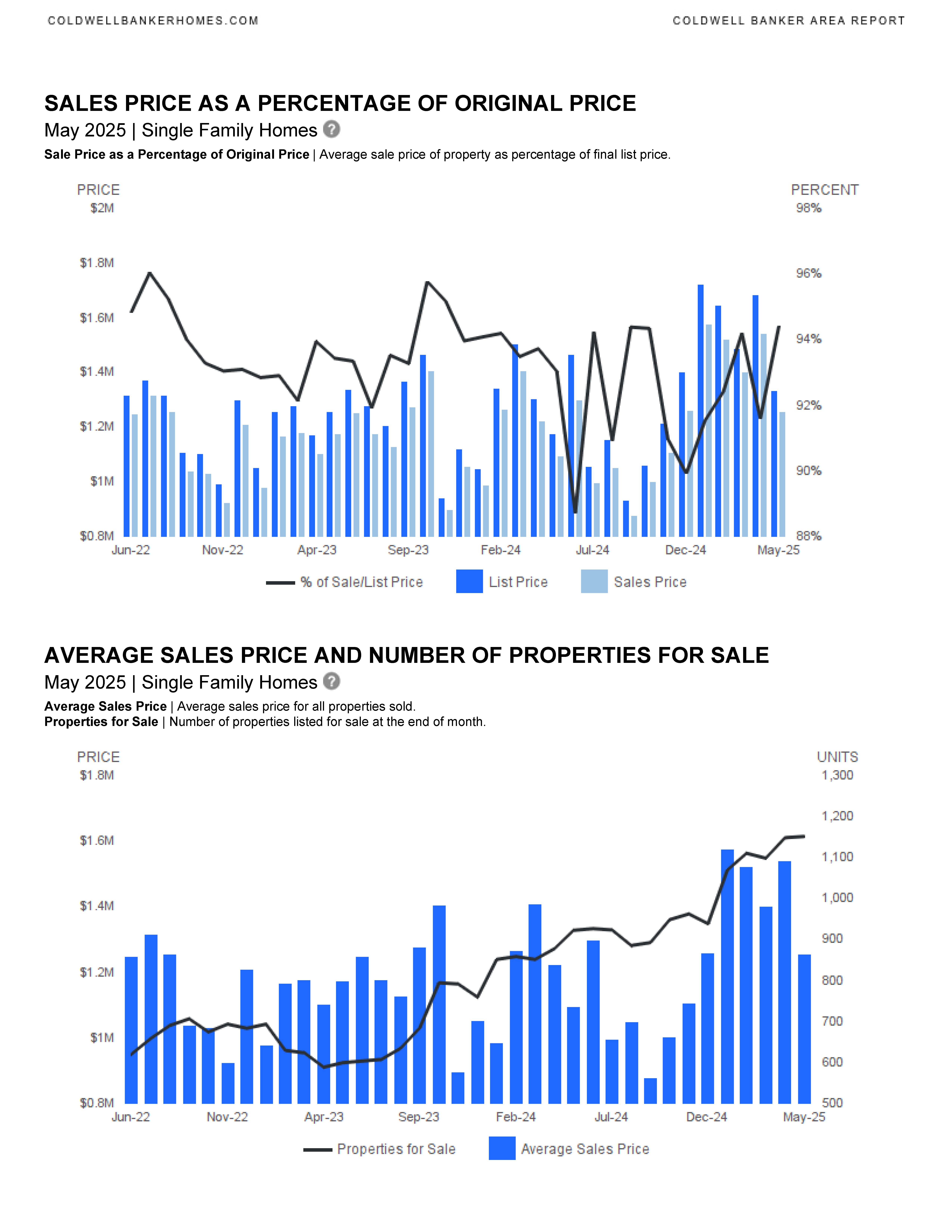
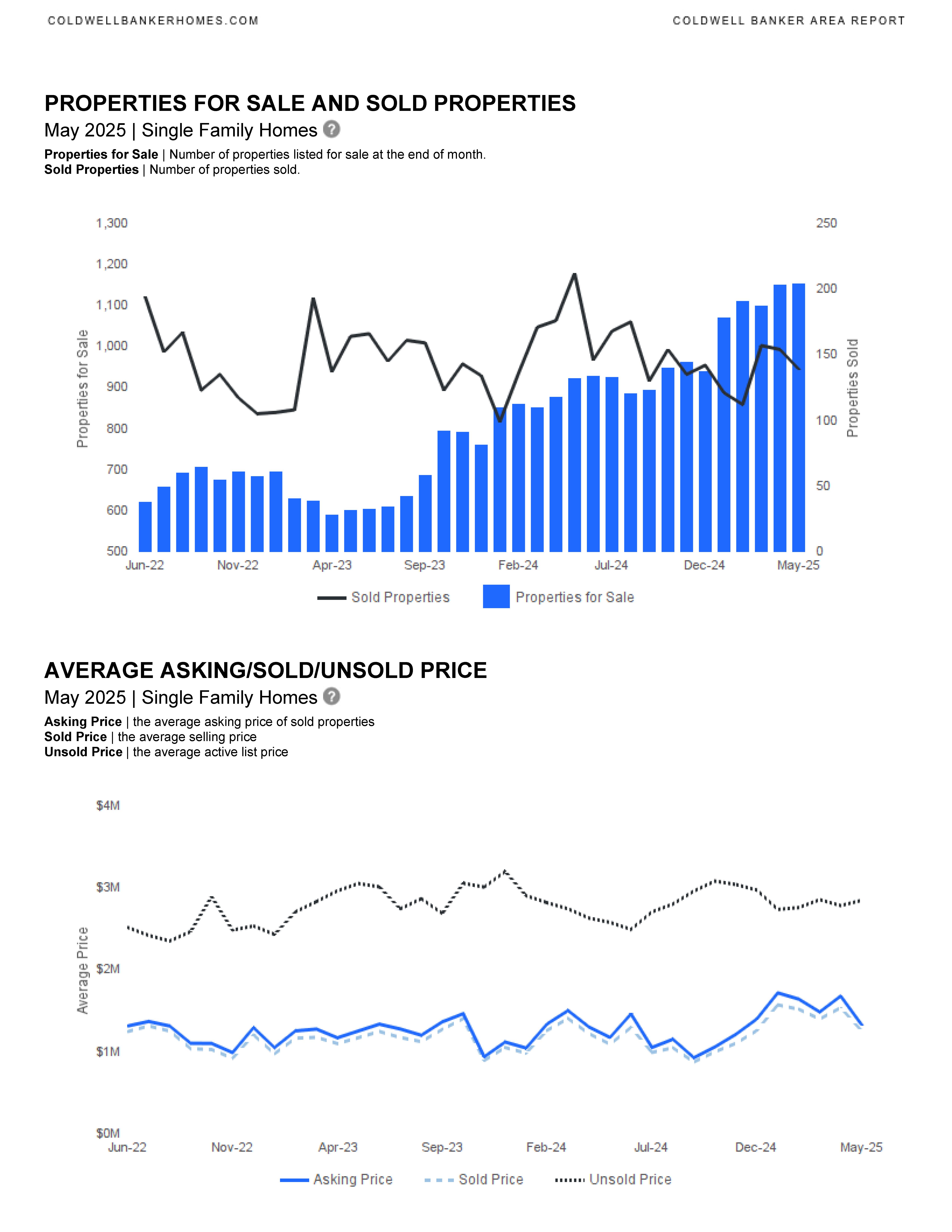
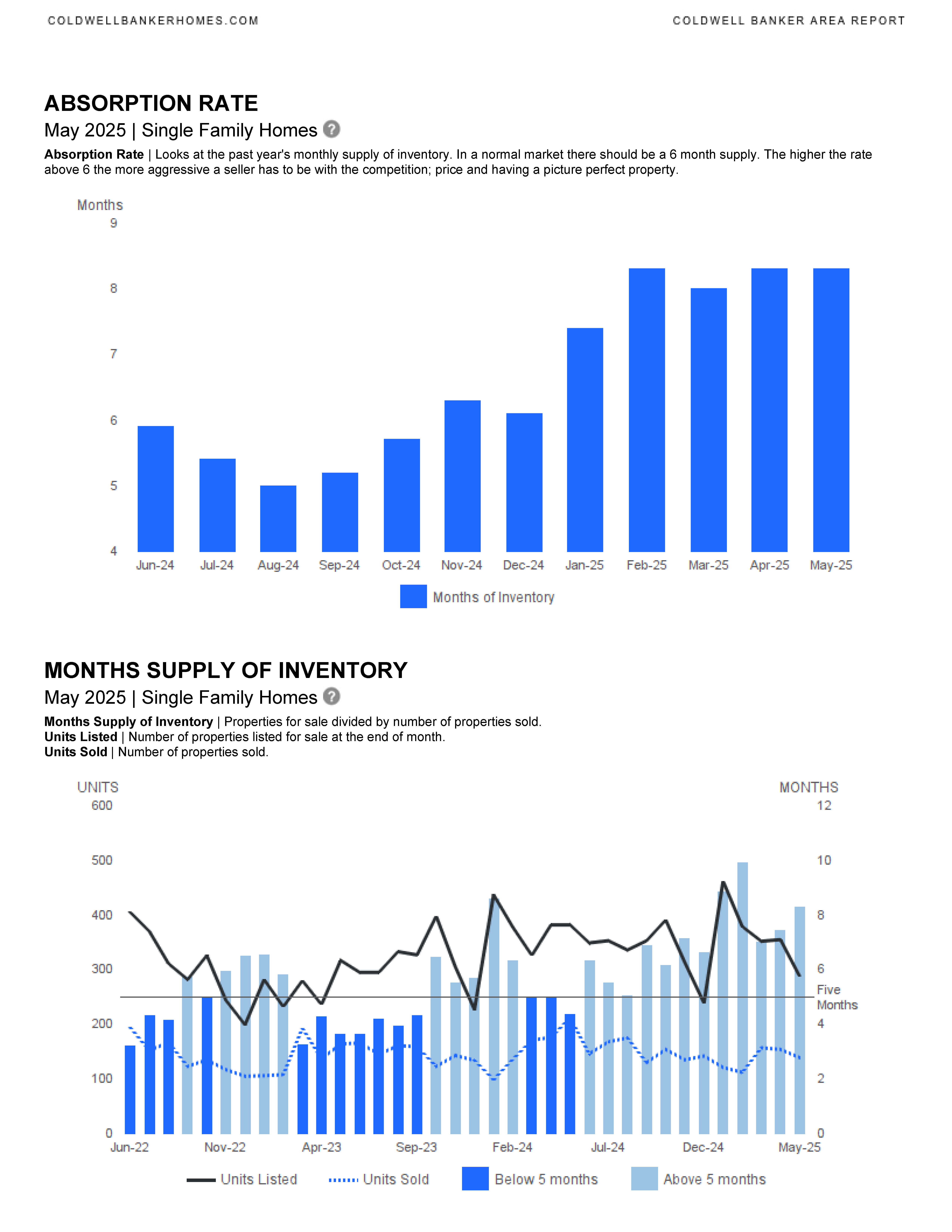
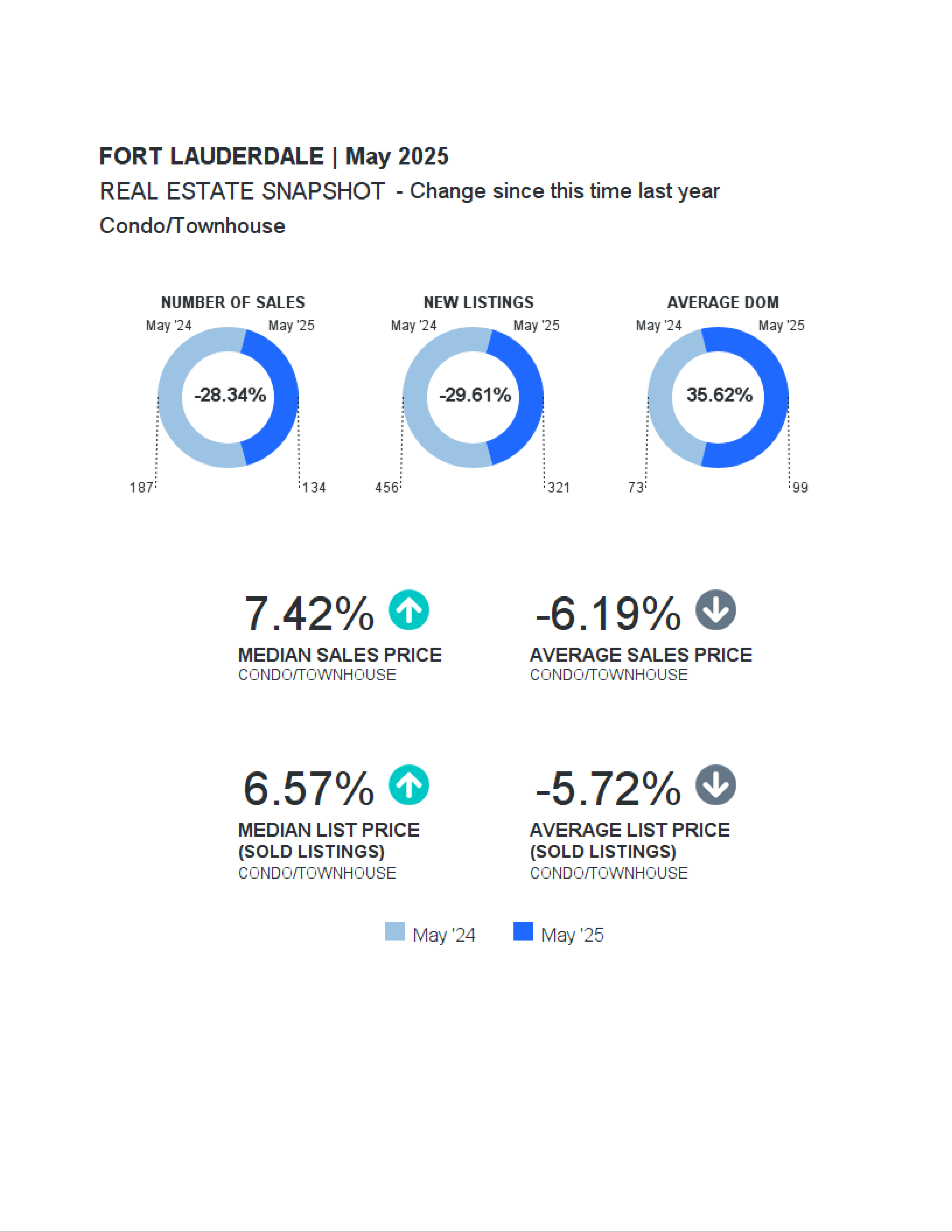
Fort Lauderdale May 2025 Area Report
Fort Lauderdale May 2025 real estate statistics have been released.
Fort Lauderdale Area Reports
Single Family Homes
Condominium & Townhouses
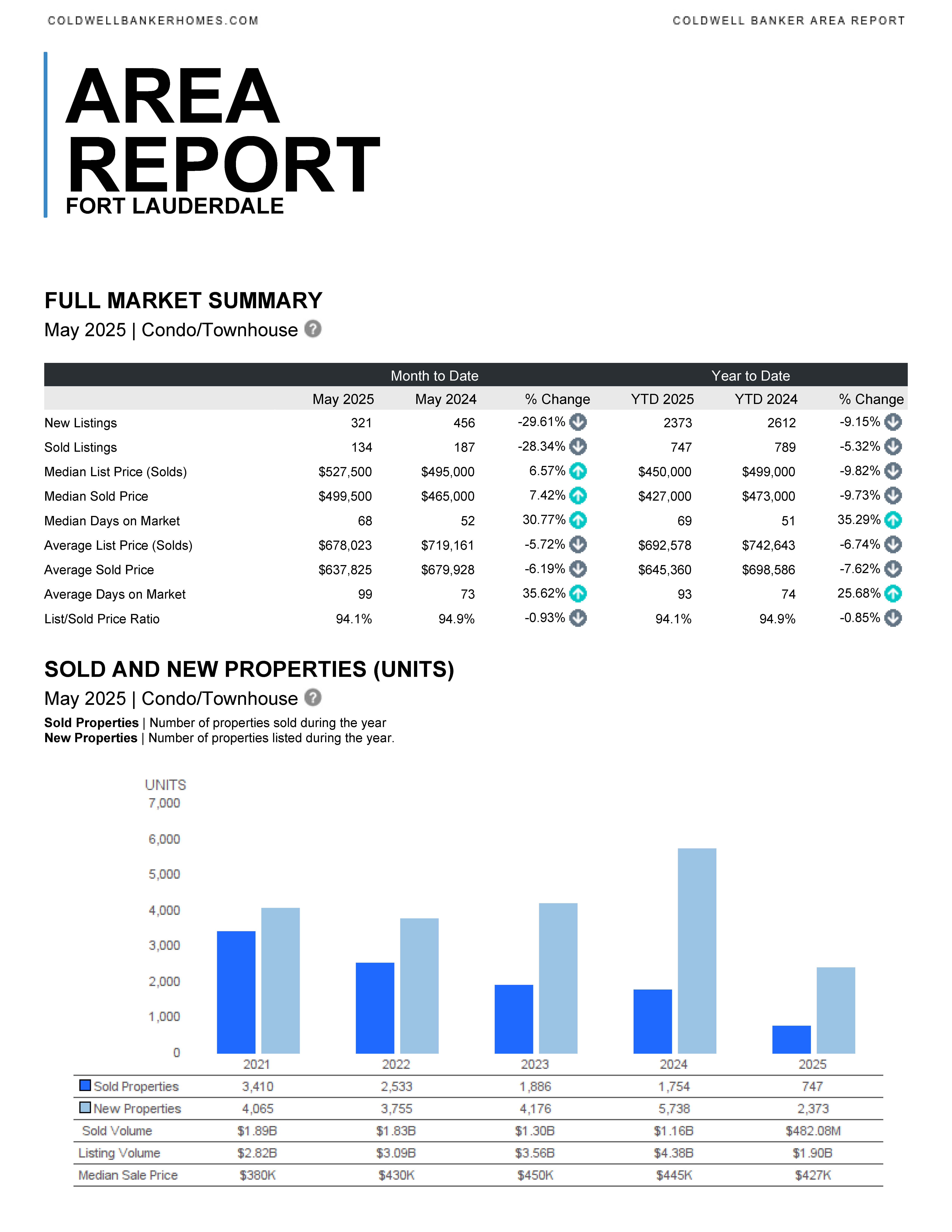
Fort Lauderdale Real Estate Market Overview
The Fort Lauderdale real estate market has experienced significant changes in sales activity and pricing trends over the past year. Both single-family homes and condo/townhouse markets show a decline in sales volume, while prices have generally increased.
Summary:
Single Family Homes Sales Activity
Sales of single-family homes in Fort Lauderdale have decreased significantly compared to last year. The median sales price has risen, indicating a shift towards higher-value properties.
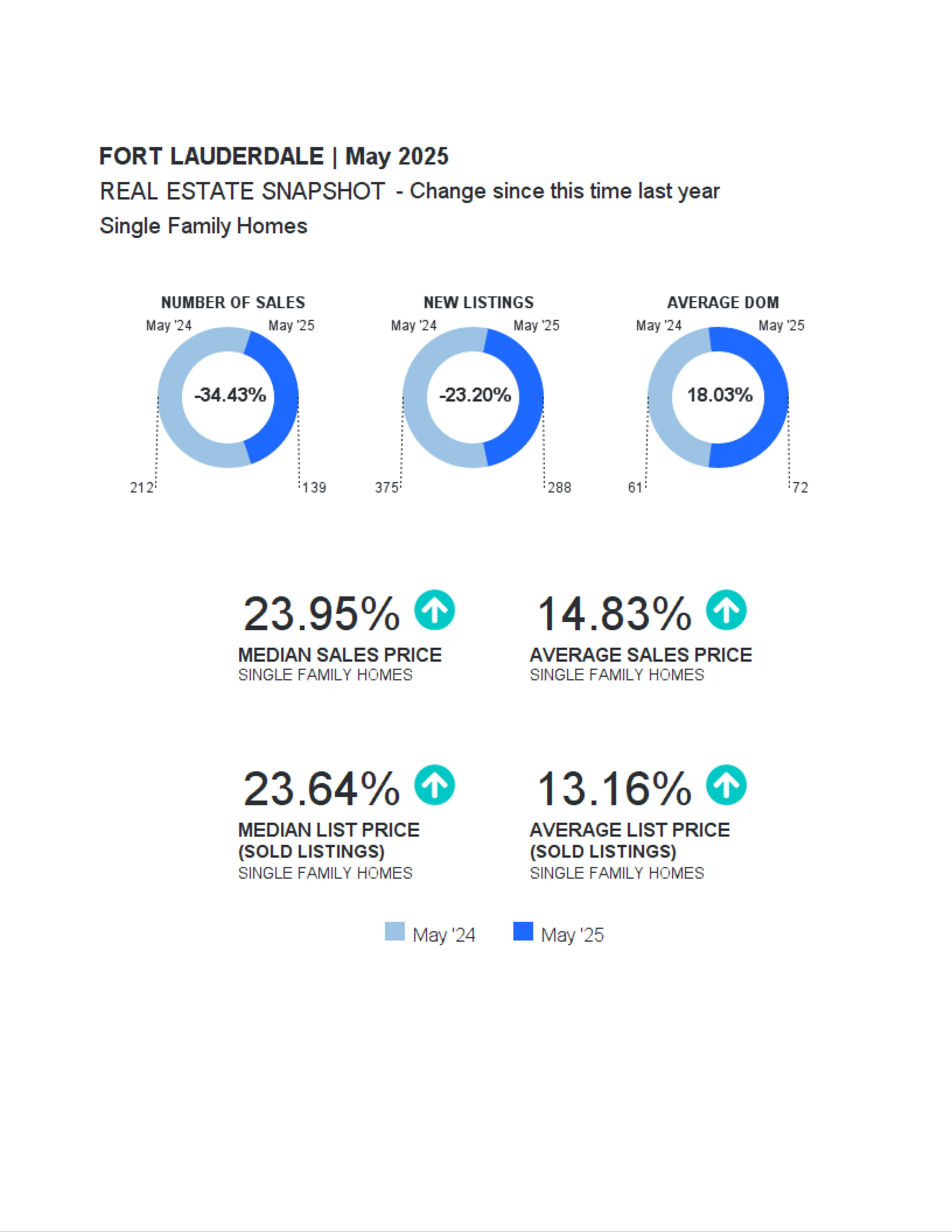
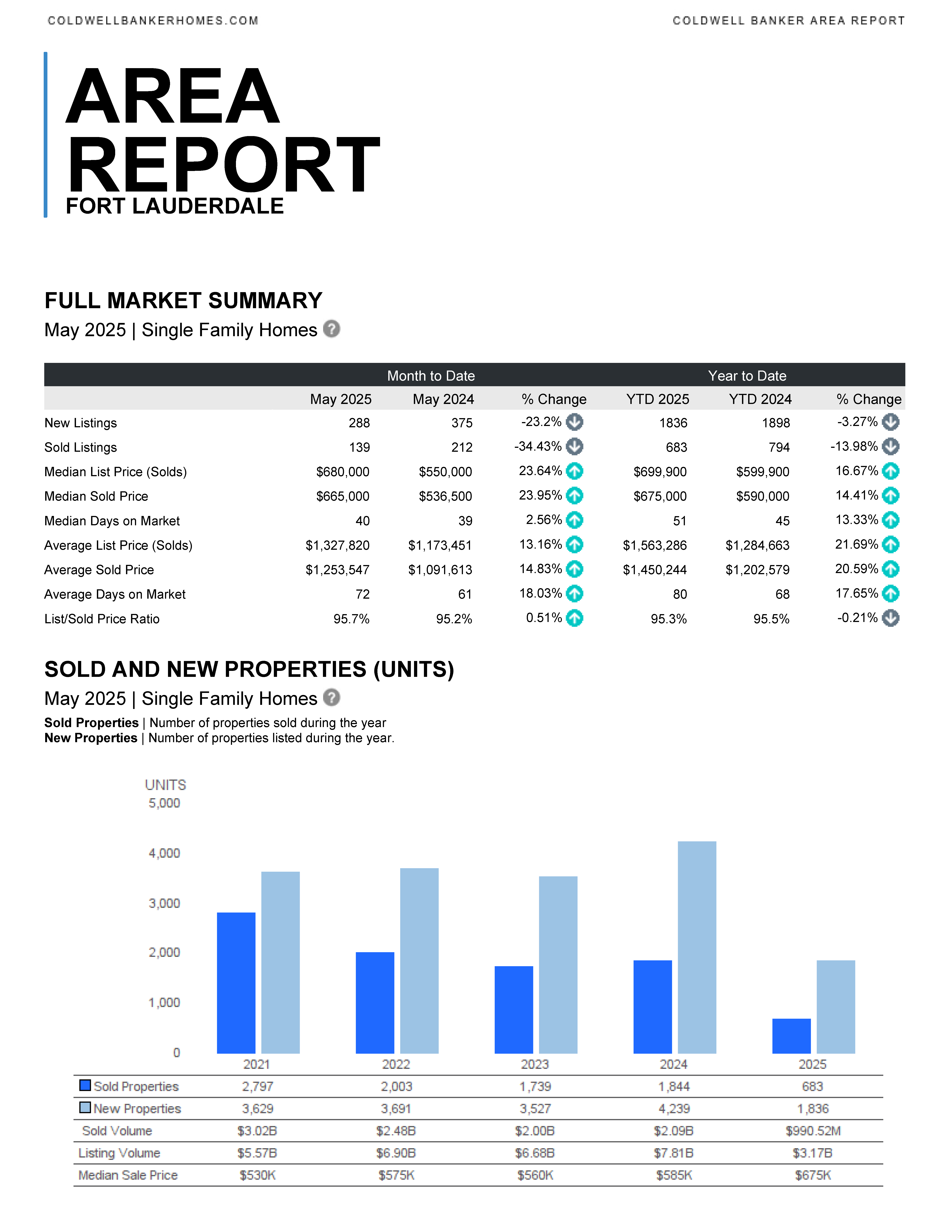
- Number of sales decreased from 212 in May ’24 to 139 in May ’25, a drop of 34.43%.
- New listings fell from 375 in May ’24 to 288 in May ’25, a decrease of 23.2%.
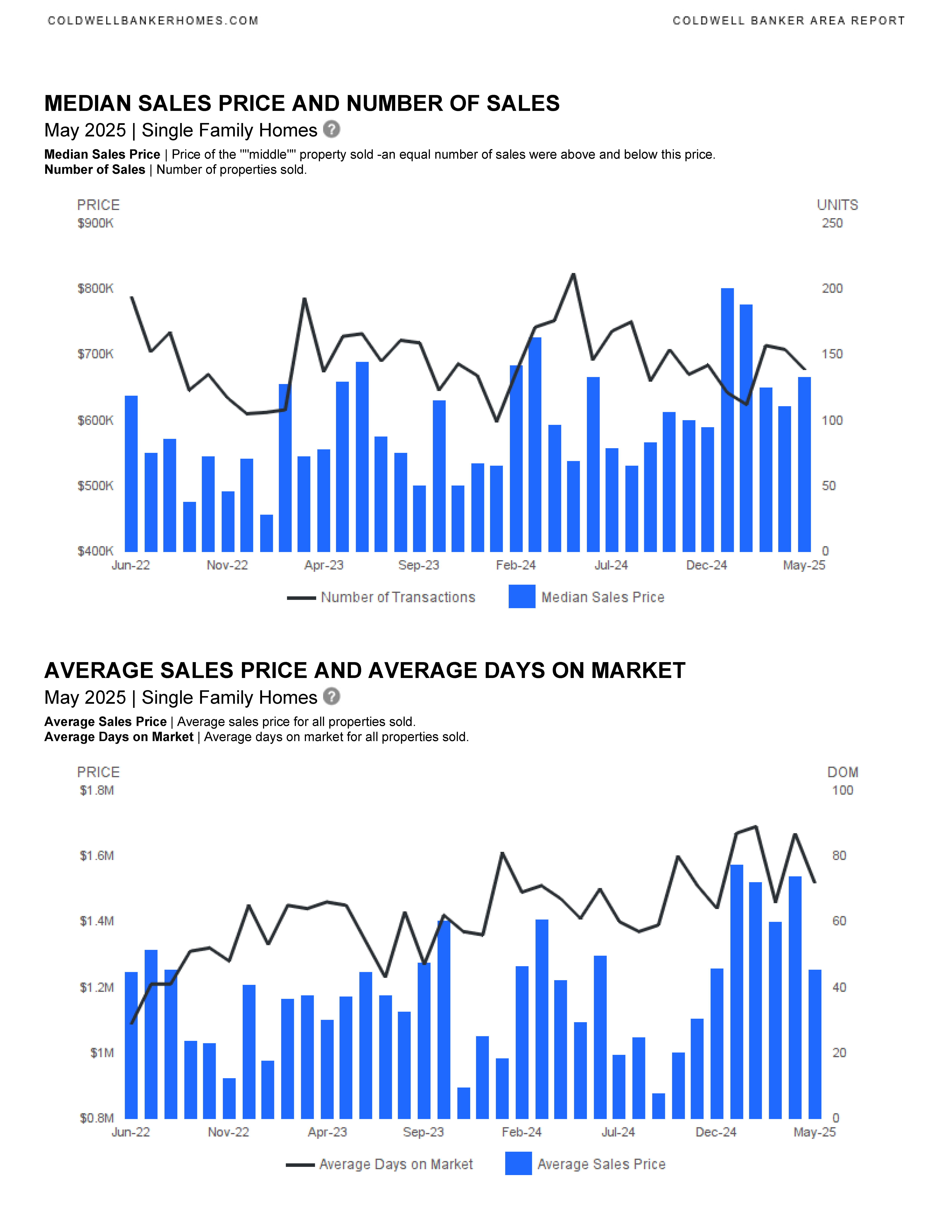
- Median sales price increased by 23.95%, from $536,500 to $665,000.
- Average sales price rose by 14.83%, from $1,091,613 to $1,253,547.
- Average days on market increased from 61 to 72 days, an 18.03% rise.
Condo/Townhouse Market Trends
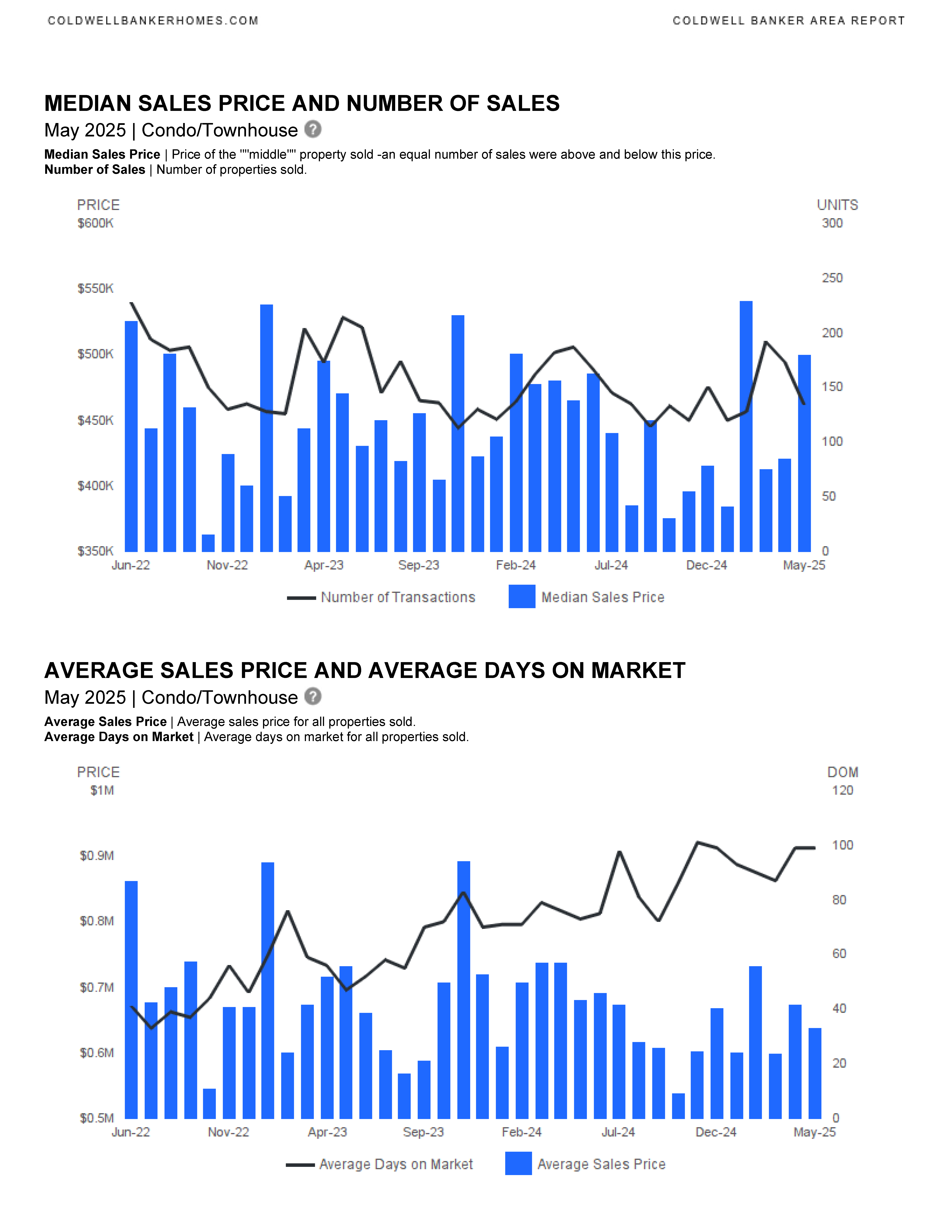
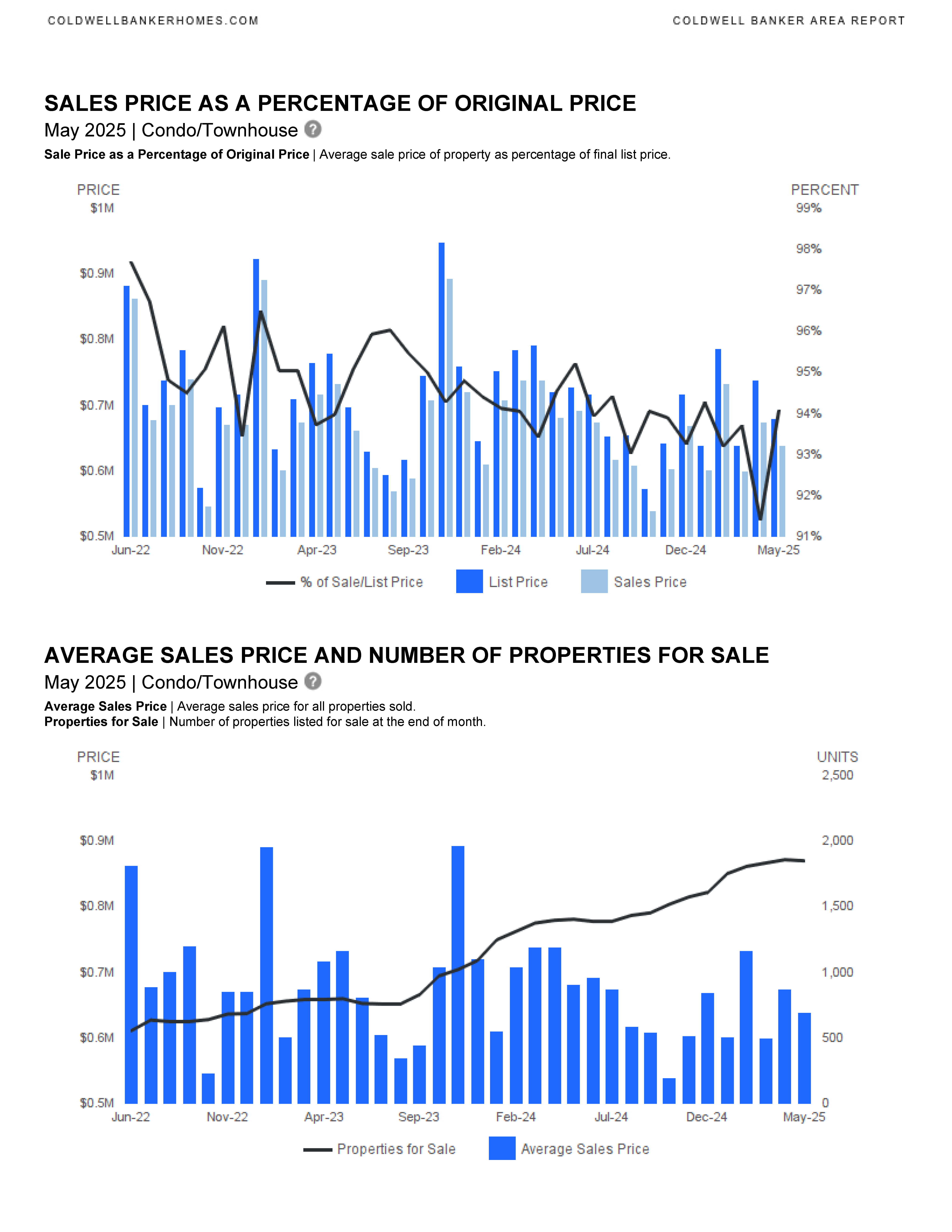
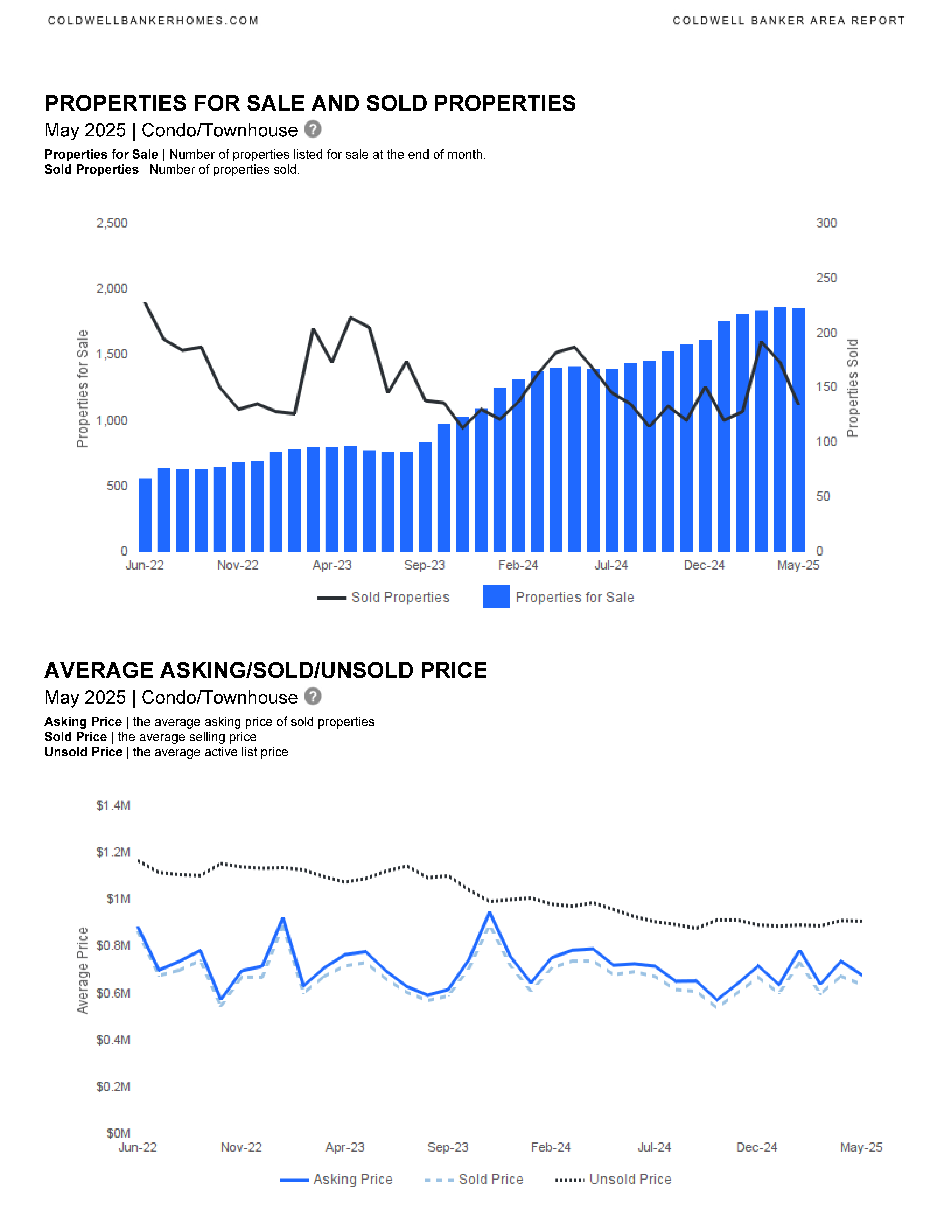
The condo/townhouse market in Fort Lauderdale has also seen a decline in sales, with a slight increase in median prices. This indicates a competitive market despite fewer transactions.
- Number of sales decreased from 187 in May ’24 to 134 in May ’25, a decline of 28.34%.
- New listings dropped from 456 in May ’24 to 321 in May ’25, a decrease of 29.61%.
- Median sales price increased by 7.42%, from $465,000 to $499,500.
- Average sales price decreased by 6.19%, from $679,928 to $637,825.
- Average days on market increased from 73 to 99 days, a rise of 35.62%.
Market Summary and Key Statistics
The overall market summary highlights the trends in listings, sales, and pricing for both single-family homes and condos/townhouses. The data reflects a tightening inventory and rising prices.
- Total new listings for single-family homes year-to-date: 1,898, down 3.27% from last year.
- Total sold listings for single-family homes year-to-date: 794, down 13.98% from last year.
- Total new listings for condos/townhouses year-to-date: 2,612, down 9.15% from last year.
- Total sold listings for condos/townhouses year-to-date: 789, down 5.32% from last year.
- The list/sold price ratio for single-family homes is 95.7%, while for condos/townhouses it is 94.1%.
Commonly asked questions while reviewing the reports:
What is the difference between “Median Sales Price” and “Average Sales Price”?
Median Sales Price | Price of the “”middle”” property sold -an equal number of sales were above and below this price.
Average Sales Price | Average sales price for all properties sold.
What does “Absorption Rate” mean?
Absorption Rate | Looks at the past year’s monthly supply of inventory. In a normal market there should be a 6 month supply. The higher the rate above 6 the more aggressive a seller has to be with the competition; price and having a picture perfect property.
Single Family Home Area Report listed first, Condo/Townhouses listed second:
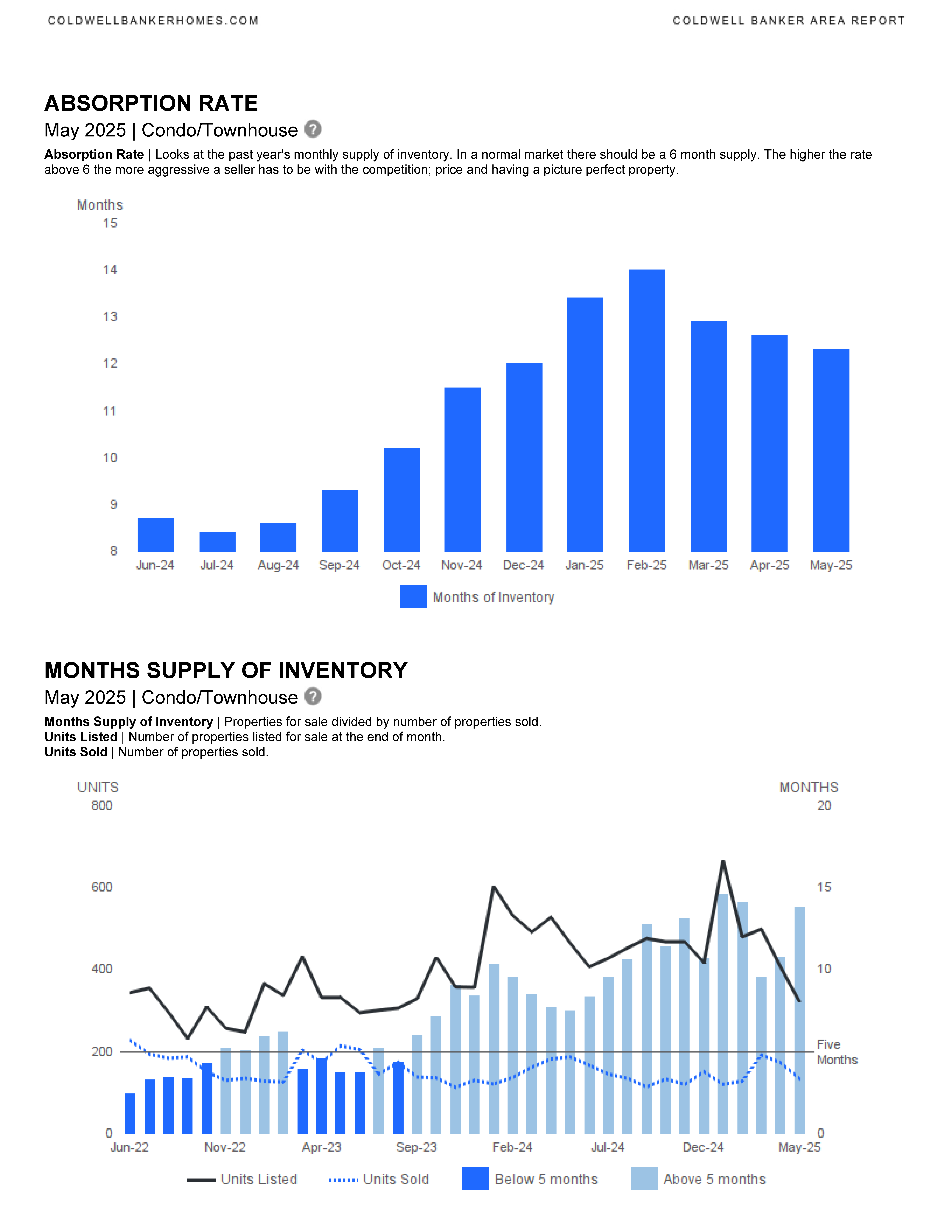

We are entering a new real estate market in SE Florida. This is the time to work with an experienced and knowledgeable real estate professional. Please contact me if you would like to be sent updated market reports for Fort Lauderdale, or another SE Florida city. We can discuss the market, current trends and how we can work together to accomplish your real estate goals. I am here to help.
CONTACT ANNETTE
Let’s start working together!
Annette Dammeyer, REALTOR®, ABR®, AHWD®
Coldwell Banker Realty
901 E Las Olas Blvd STE 101, Fort Lauderdale, FL 33301
808.747.3686
SL 3535792
SE Florida Market Snapshot – May 2025
Market Trends in SE Florida
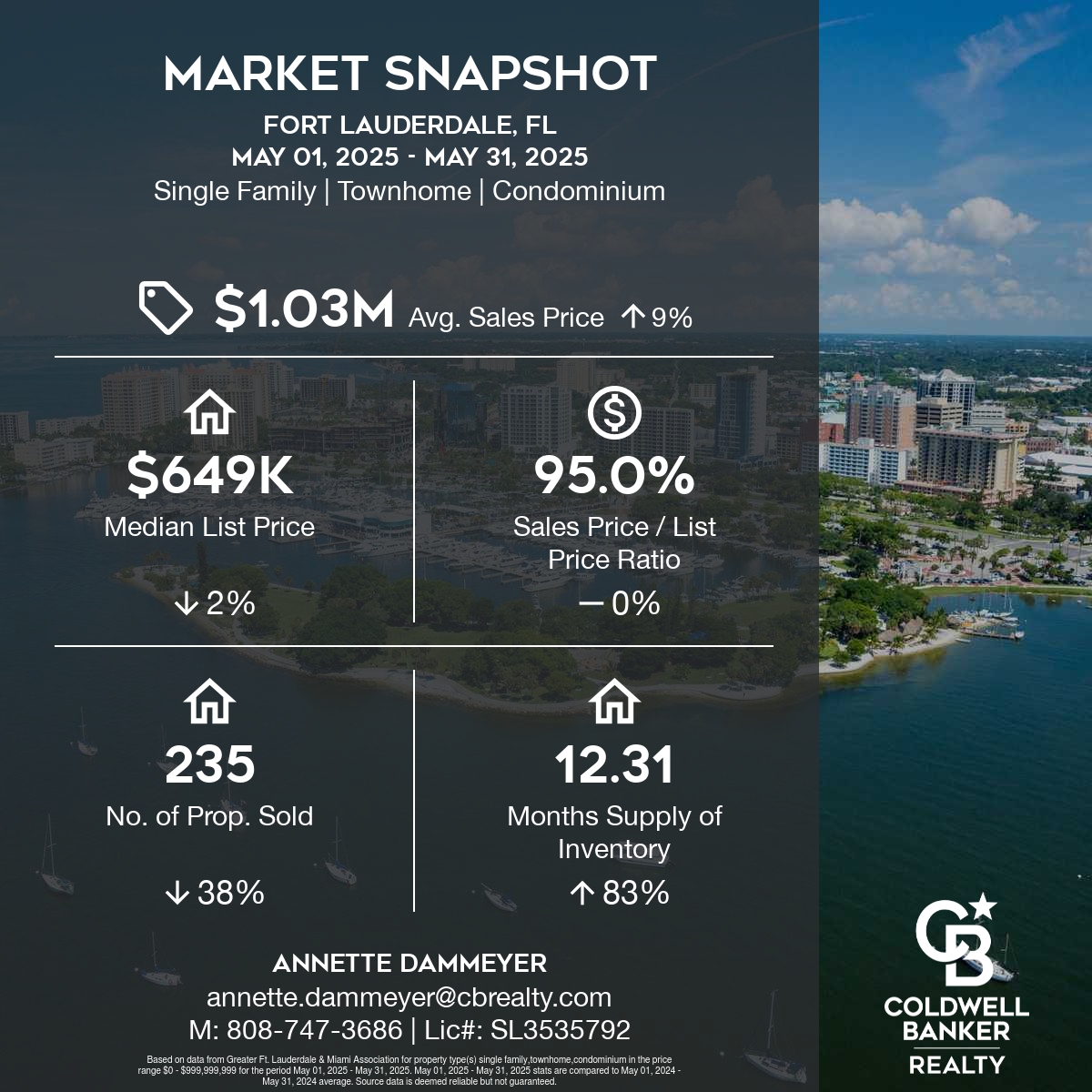
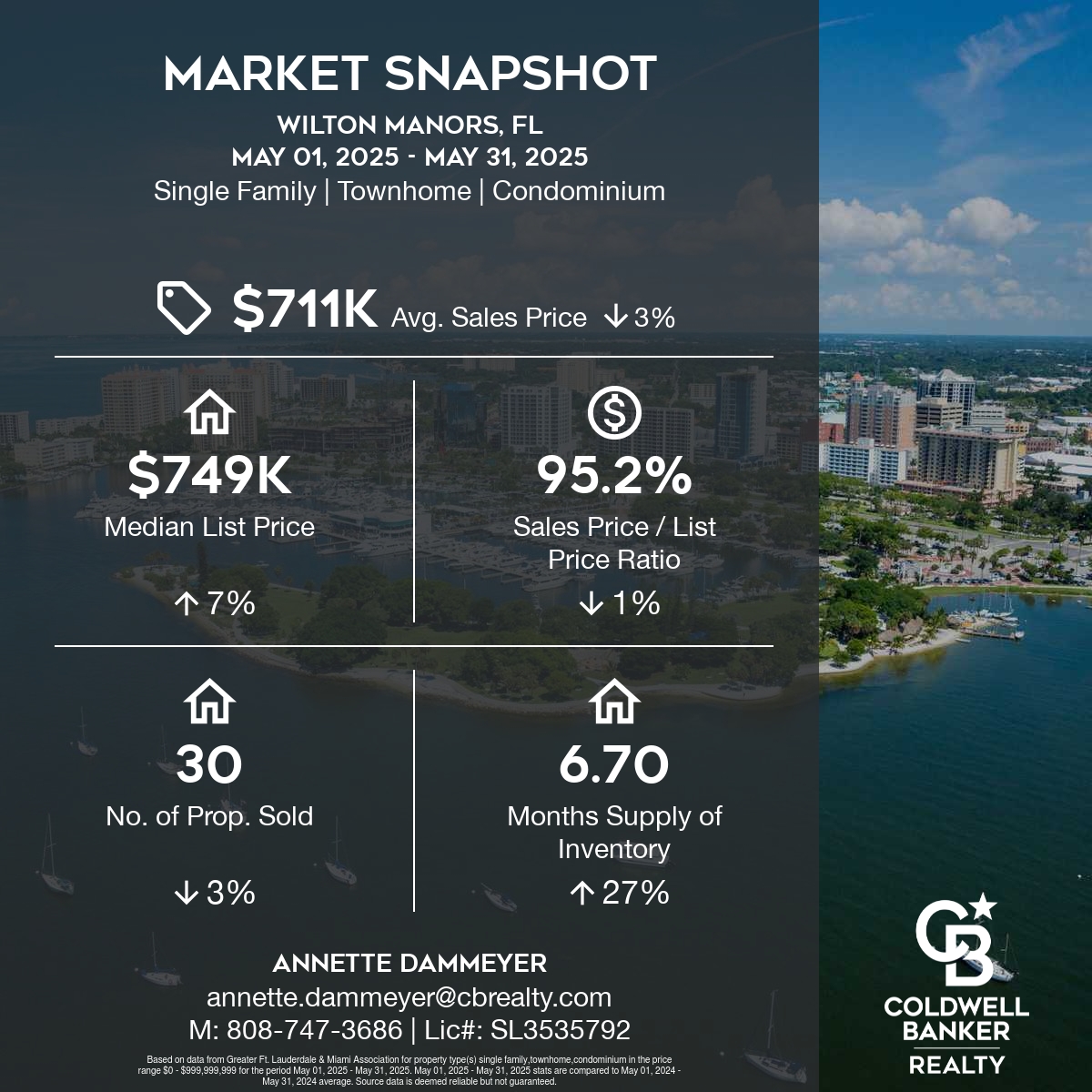
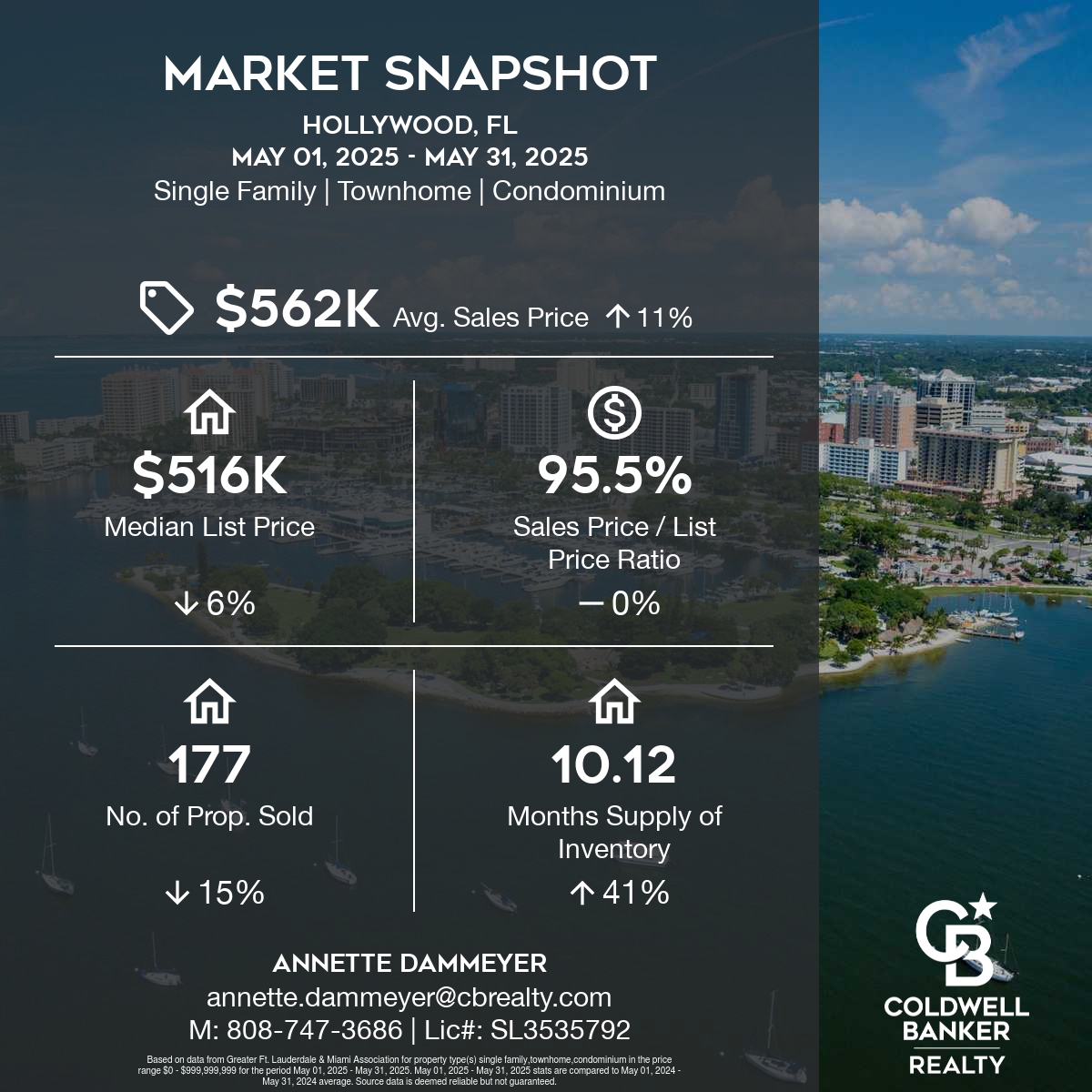
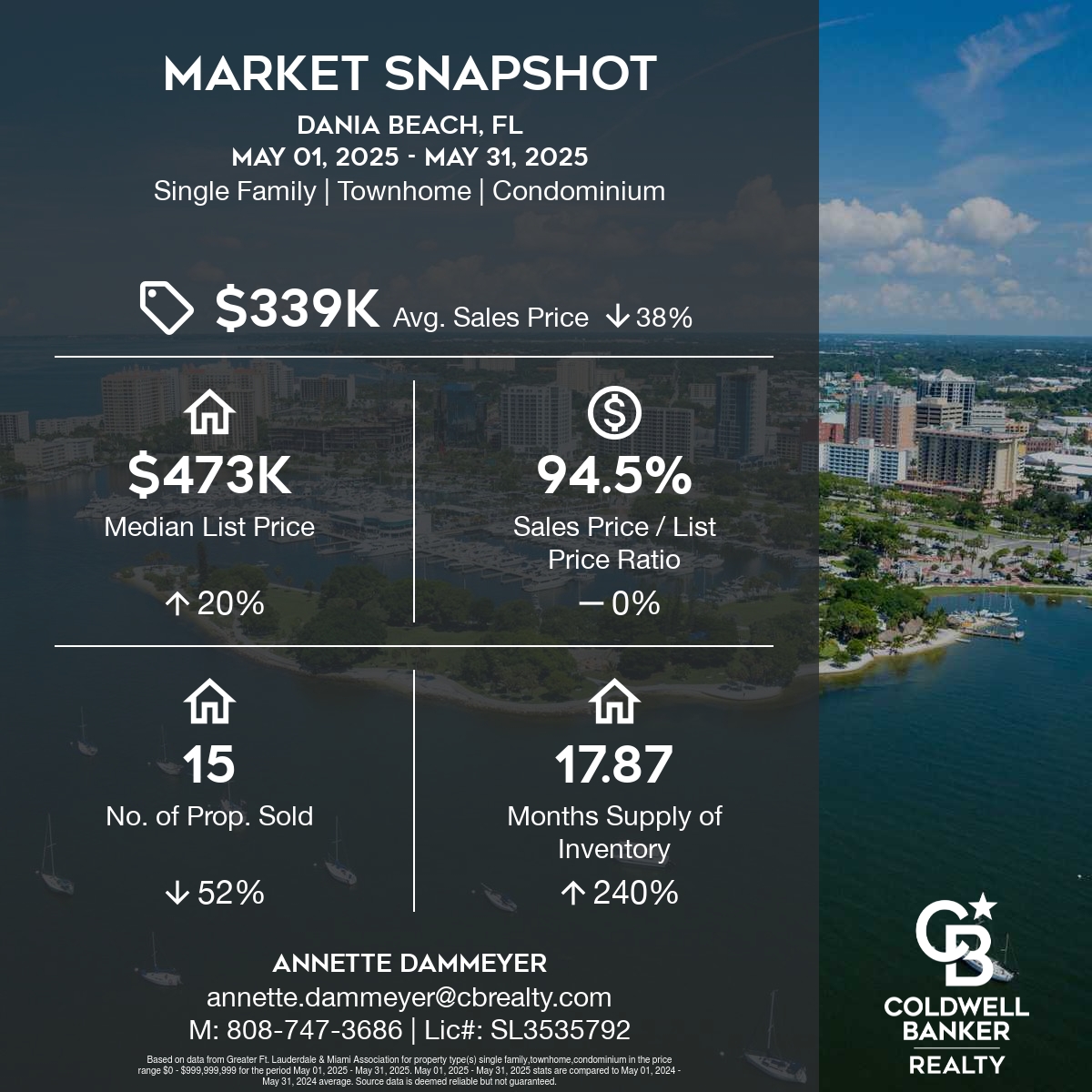
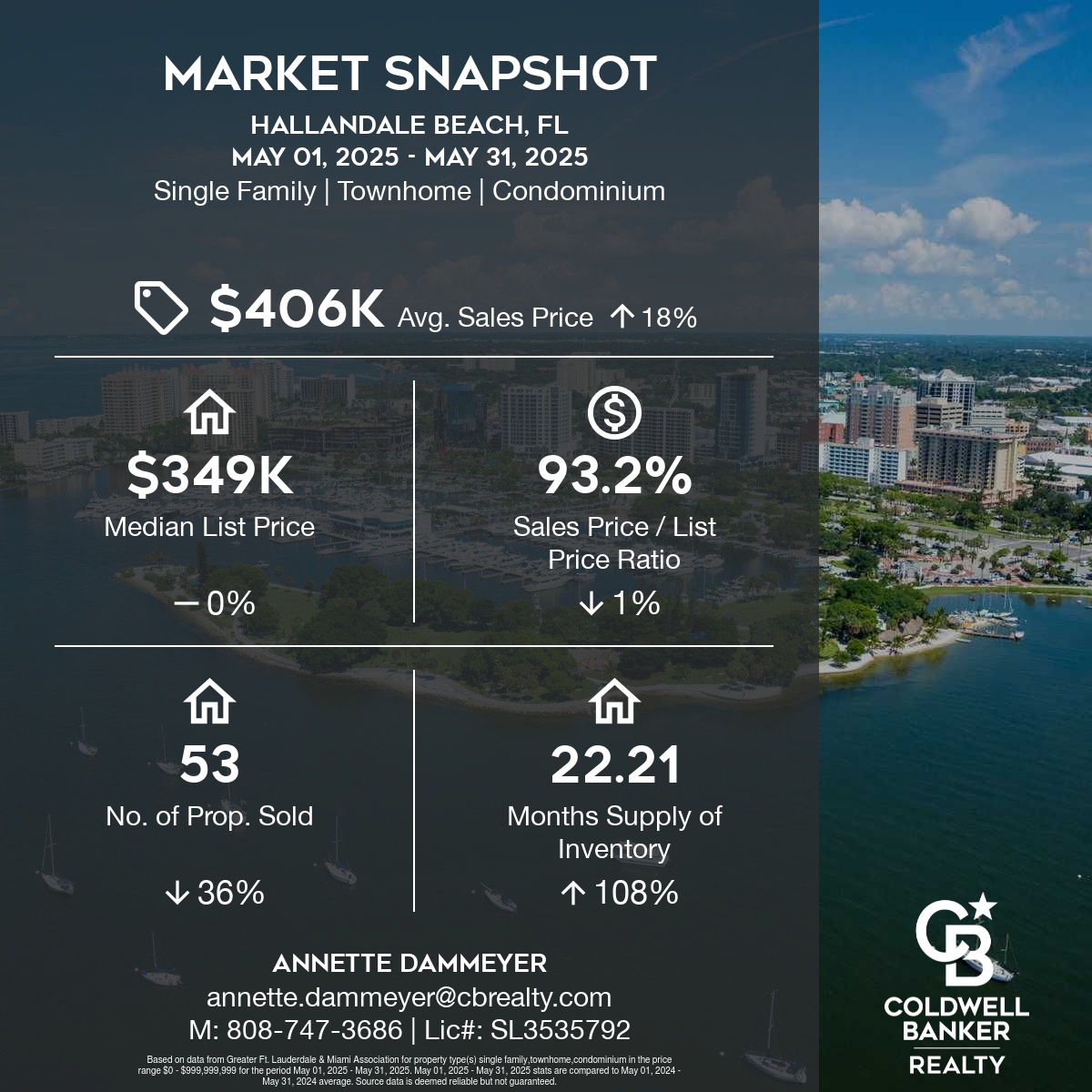
The real estate market is adjusting. The most obvious trends are fewer number of properties sold and the increase in months of supply of inventory, leaning towards a “buyer’s market”. Seller’s are now reassessing their asking price on their properties for sale. This is a great time to consider a decrease in asking price if the property has been on the market without active offers. I welcome any discussions you may want to have regarding your neighborhood or some of the headlines that have affected the real estate market. Please reach out to chat, even if you are not ready to buy or sell, but just would like to discuss current trends and updates. Here are the Market Snapshots reflecting the last month (compared to the same month last year) for the following areas:
- Fort Lauderdale
- Wilton Manors
- Hollywood
- Dania Beach
- Hallandale Beach
These take into account all property types (Single Family Homes/Condos/Townhomes).
With the rapidly changing real estate market, now is the time to make informed decisions. Contact me today to discuss the current market trends and how we can work together to accomplish your real estate goals. Please call or email me if you would like to be automatically sent detailed market reports for Fort Lauderdale, another SE Florida city, or your specific neighborhood. I am here to help.
CONTACT ANNETTE
Let’s start working together!
Annette Dammeyer, REALTOR®, ABR®, AHWD®
Coldwell Banker Realty
901 E Las Olas Blvd STE 101, Fort Lauderdale, FL 33301
808.747.3686
SL 3535792
Fort Lauderdale April 2025 Area Report
Fort Lauderdale April 2025 real estate statistics have been released.
Fort Lauderdale Area Reports
Single Family Homes
Condominium & Townhouses
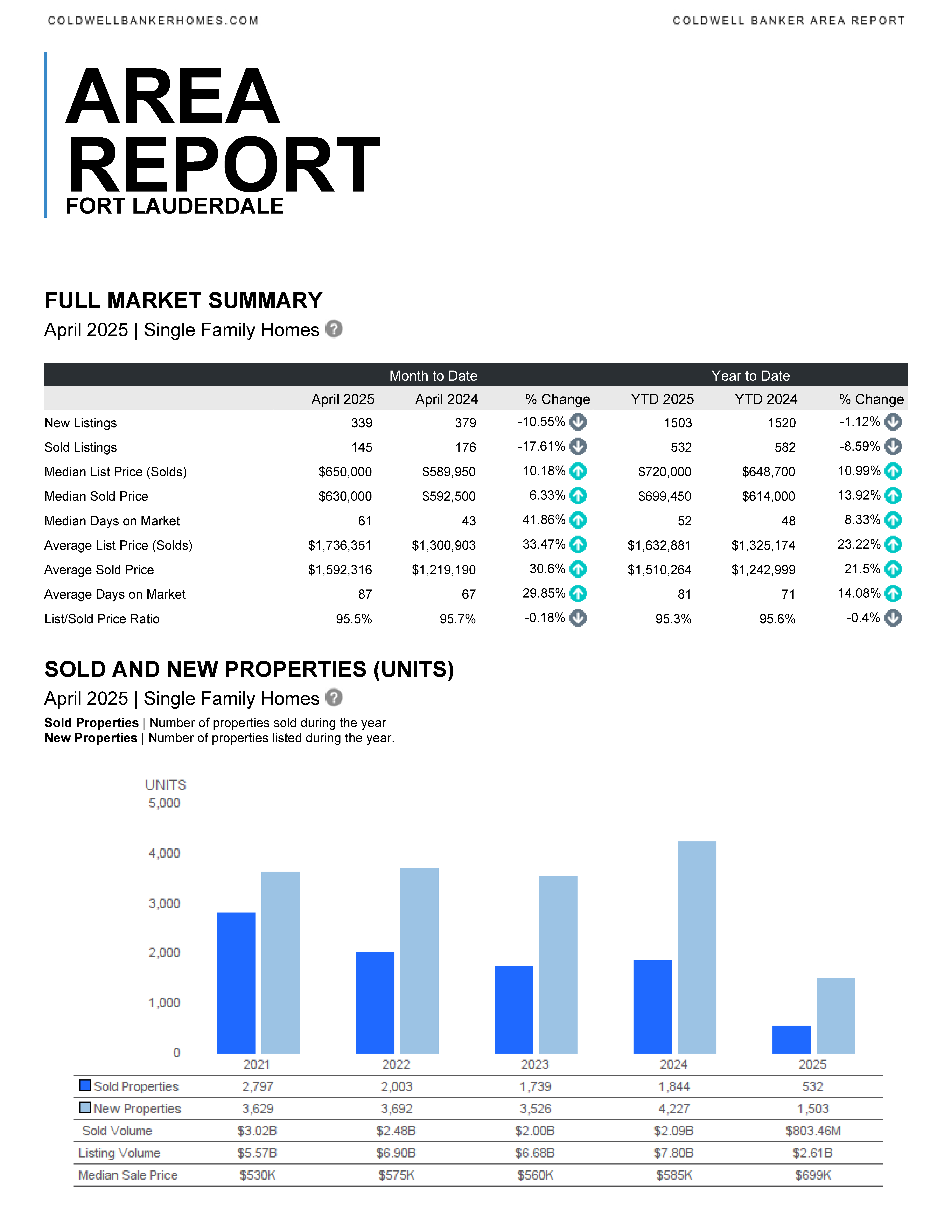
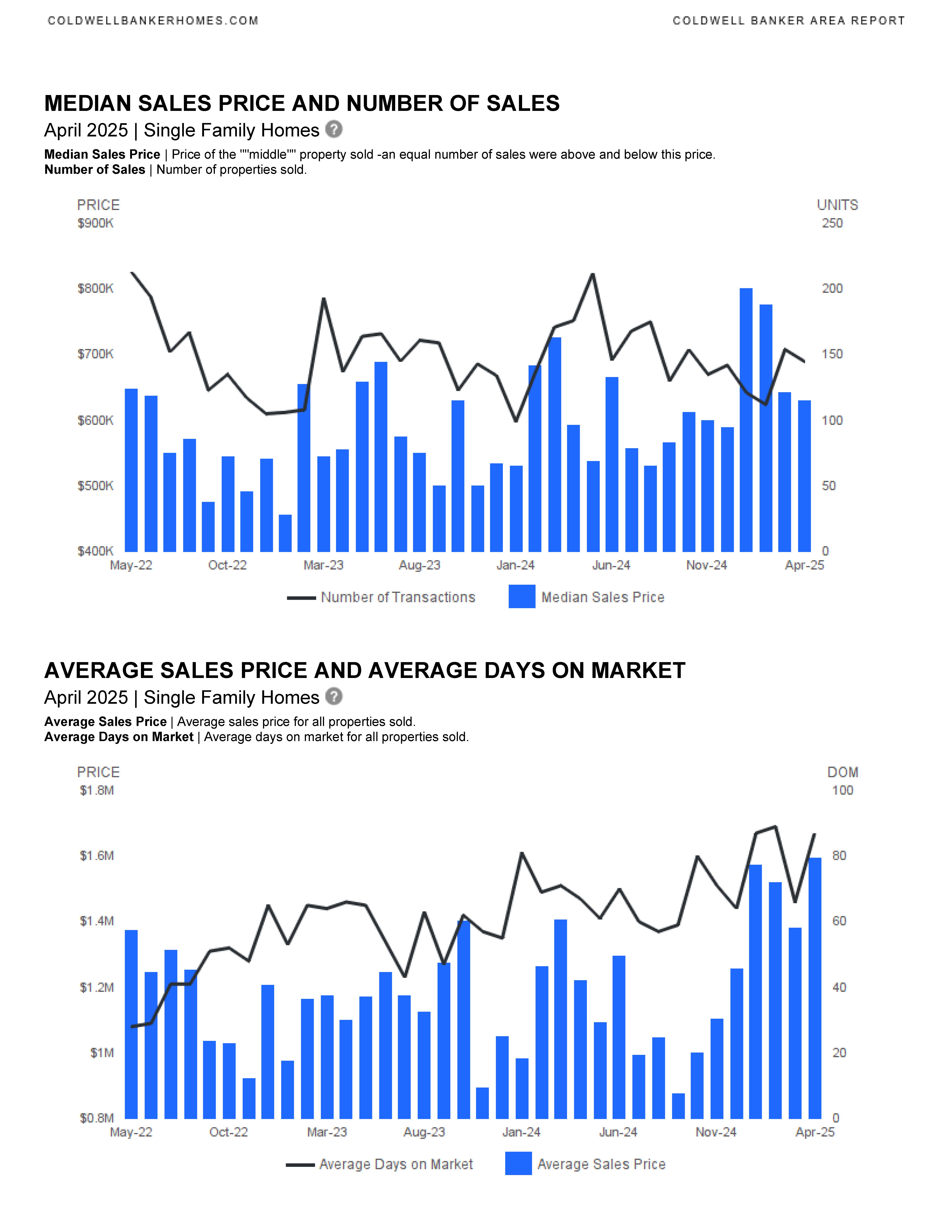
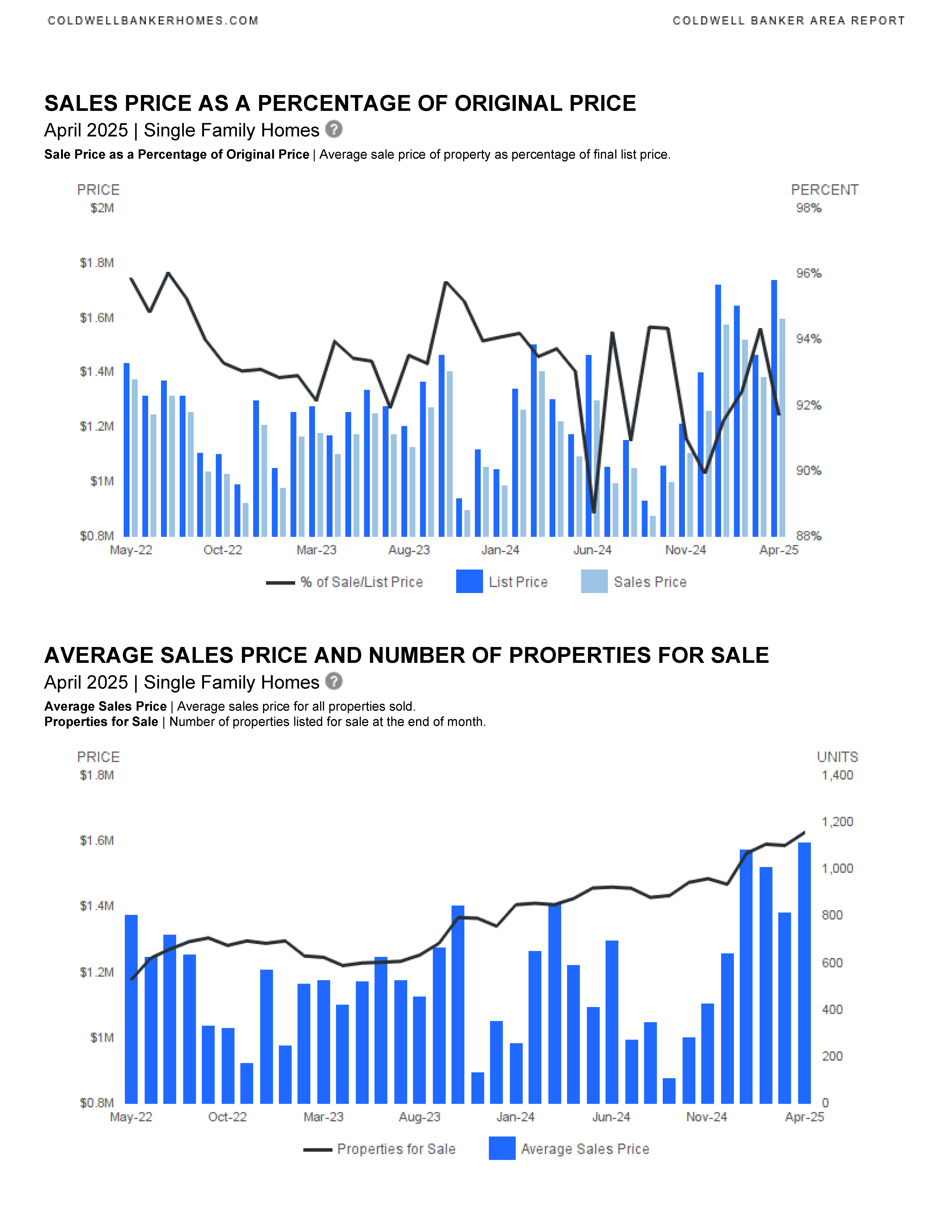
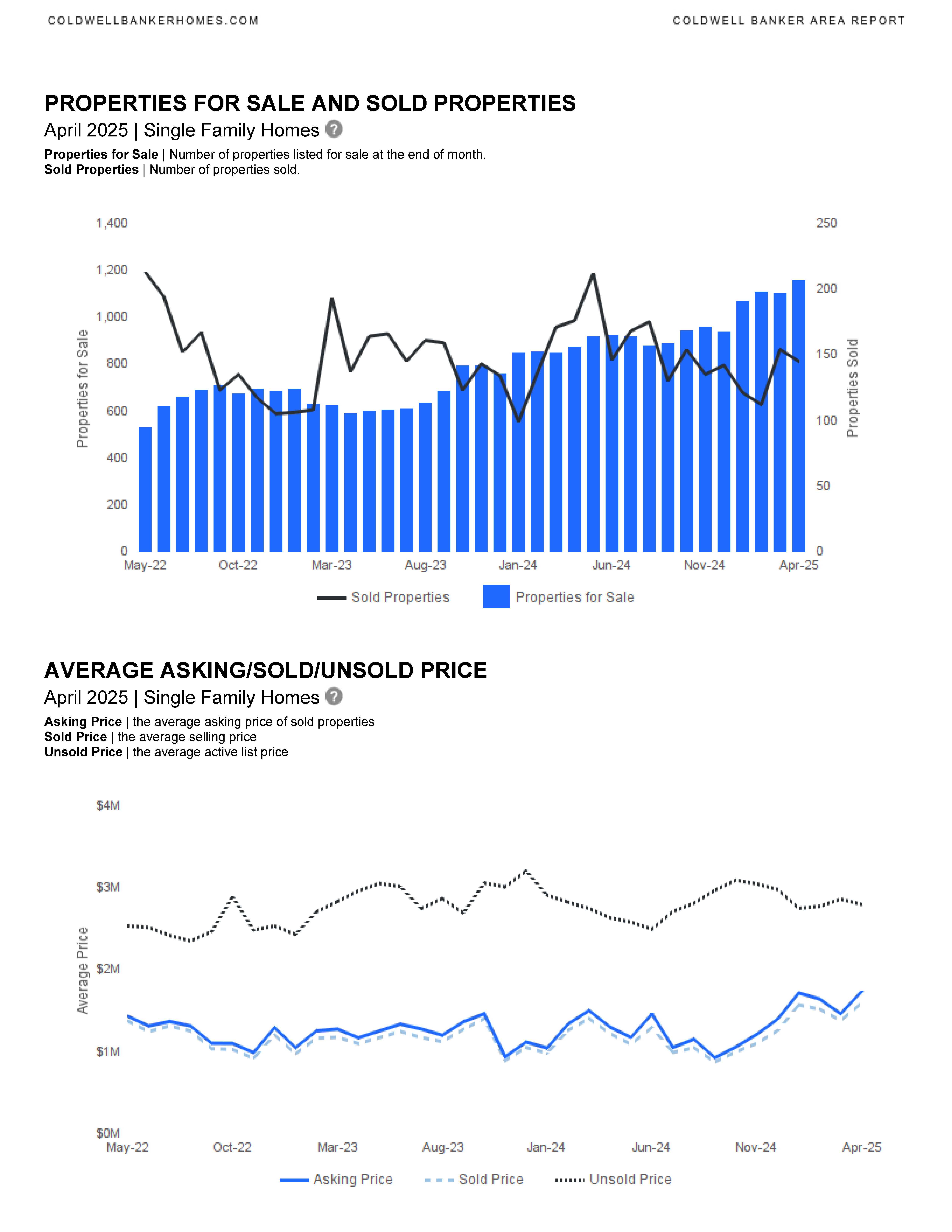
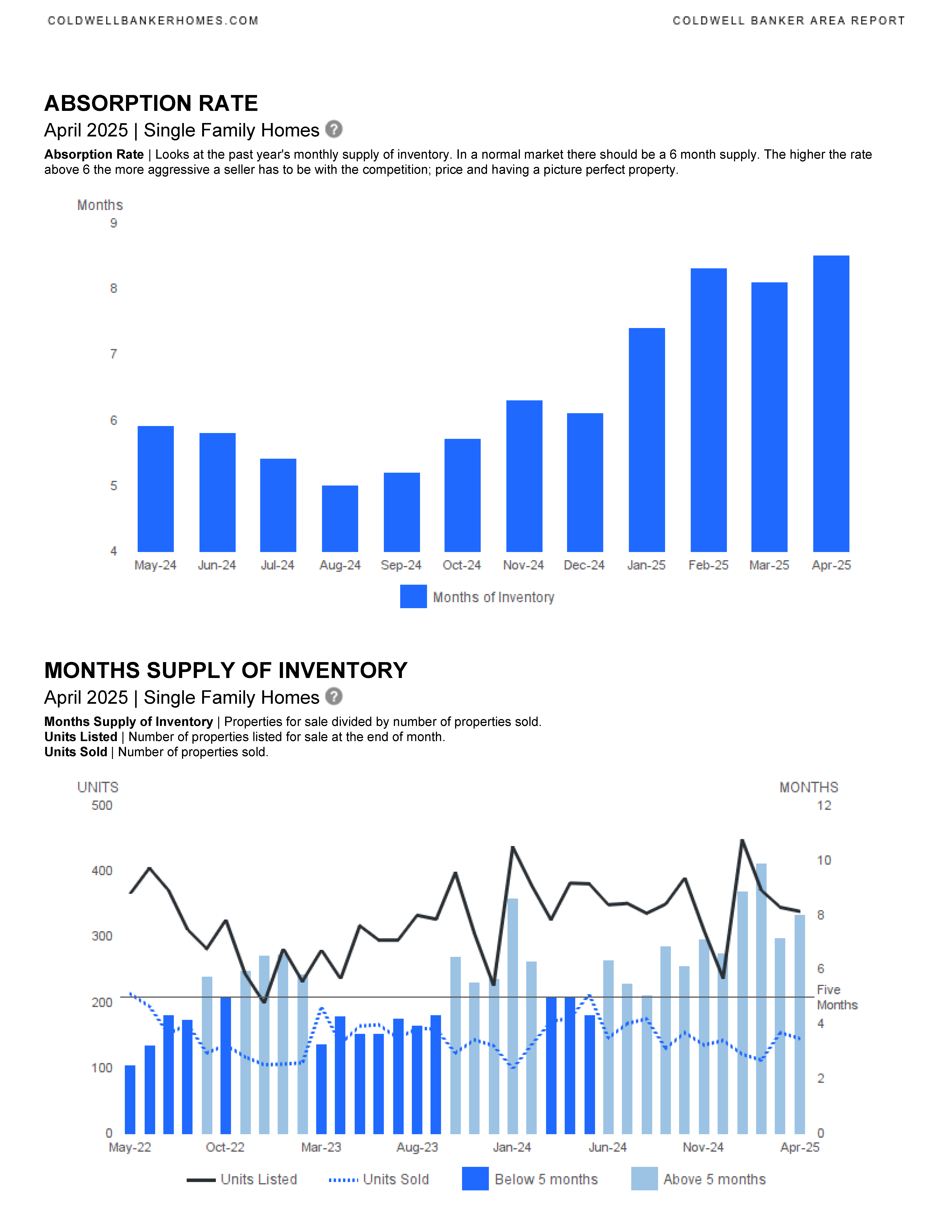
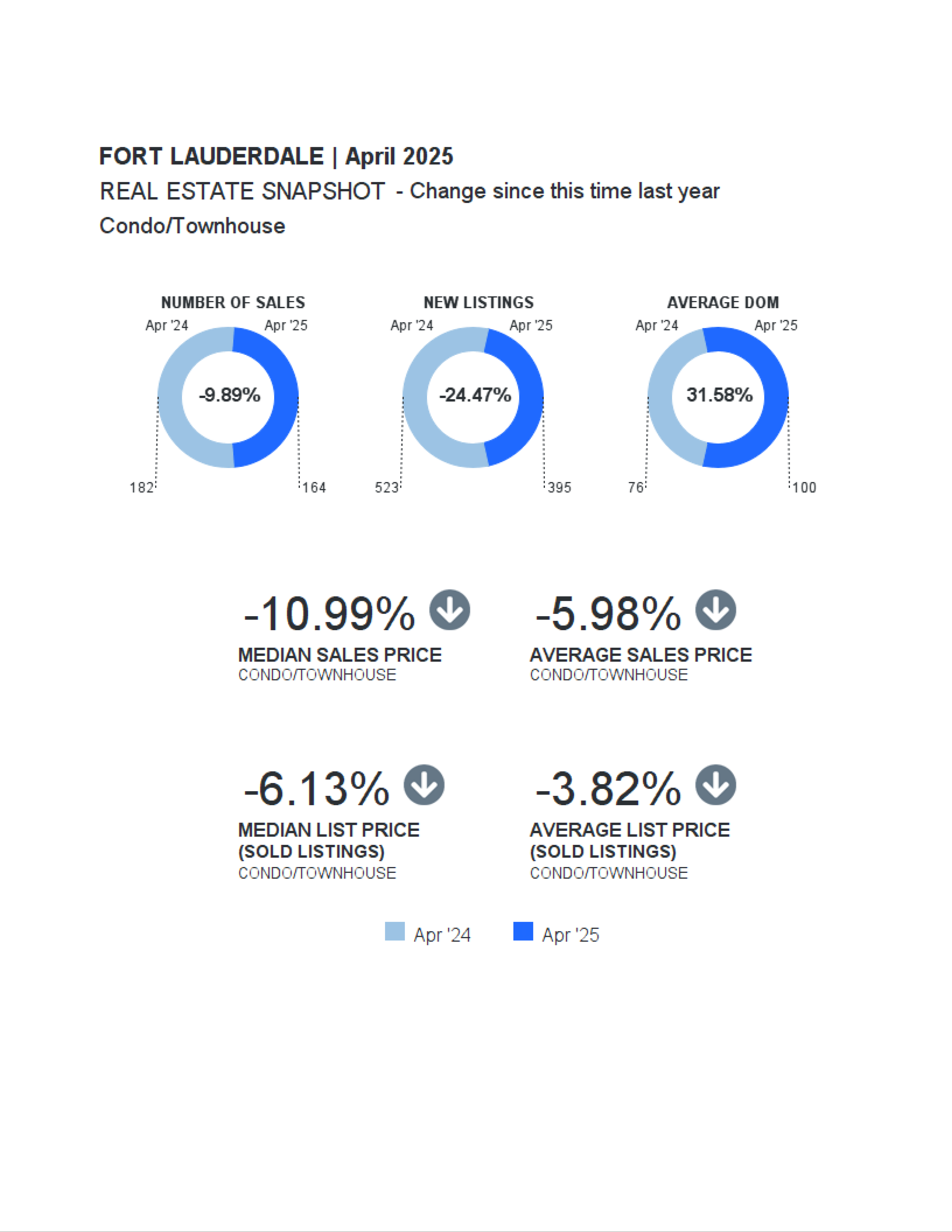
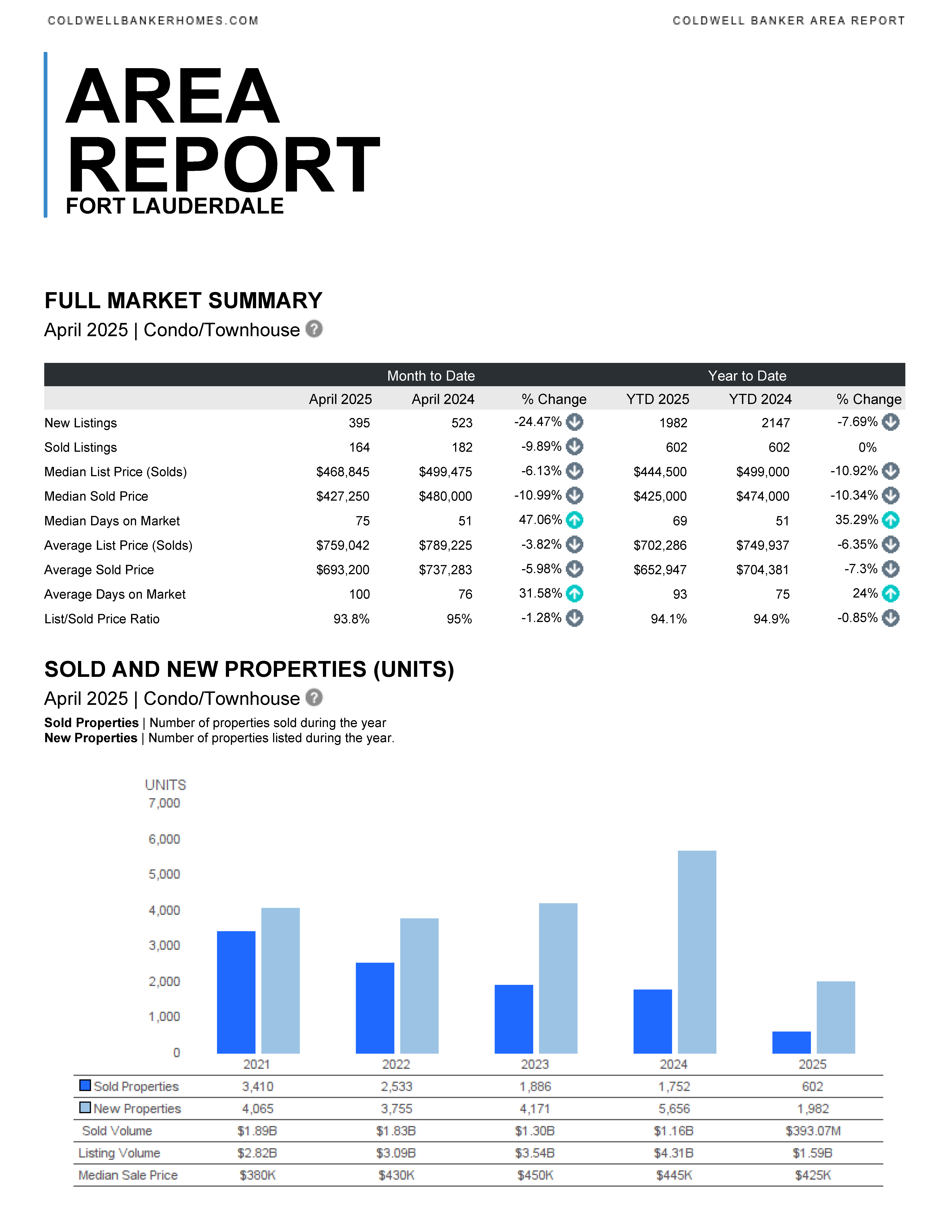
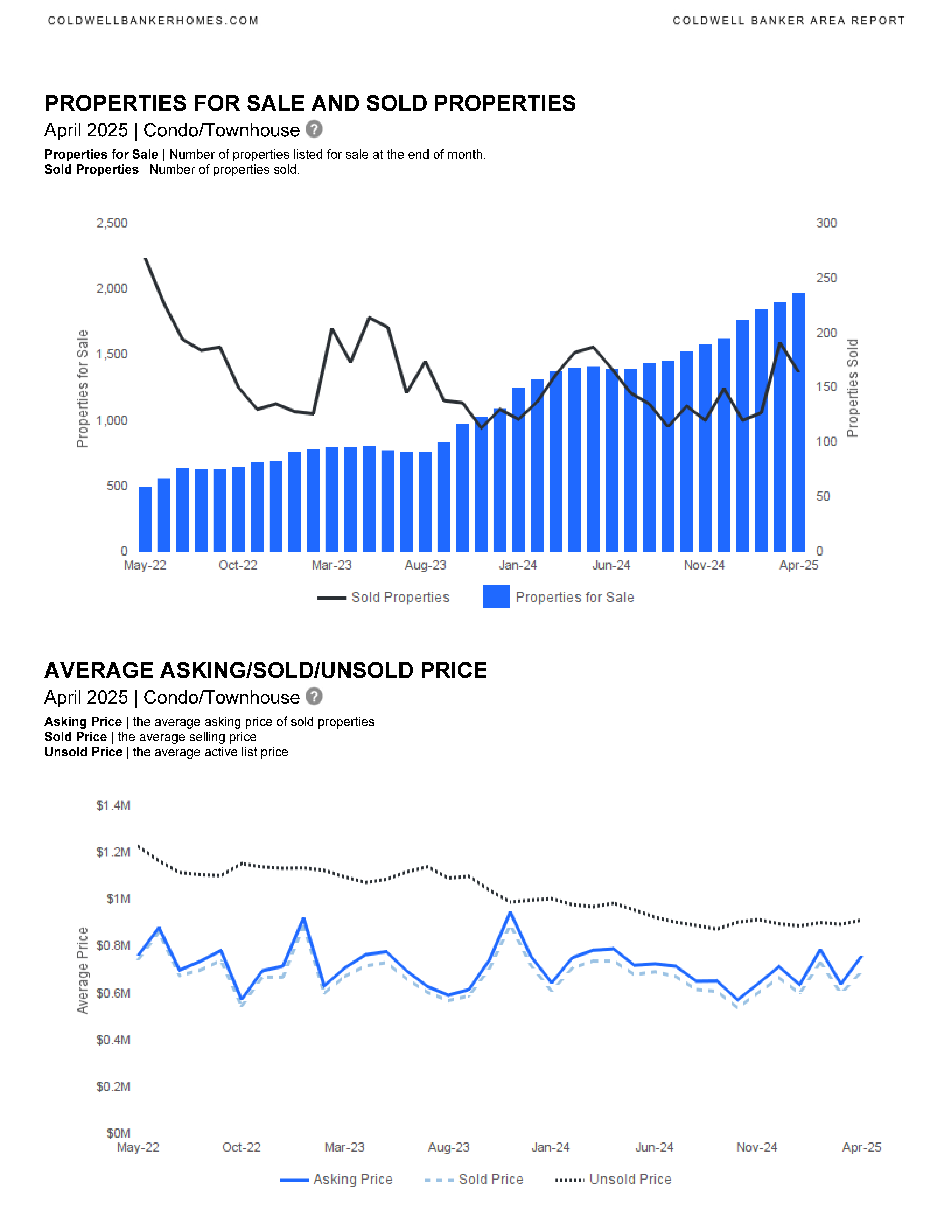
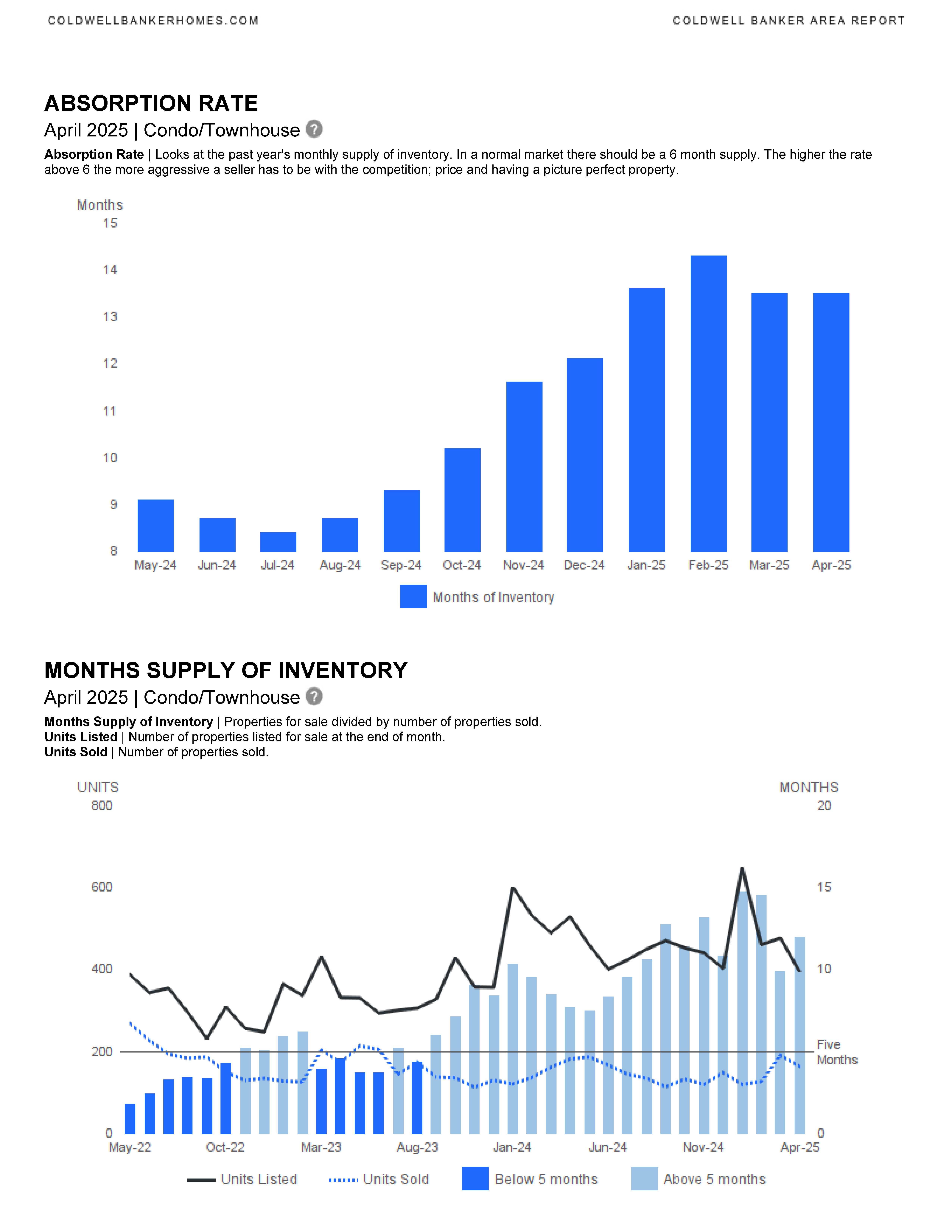
This is the April 2025 Area Report providing a detailed analysis of residential real estate market trends in Fort Lauderdale. It includes data for single-family homes and condos/townhouses, comparing April 2025 to April 2024 and year-to-date statistics.
Key Highlights
Single-Family Homes:
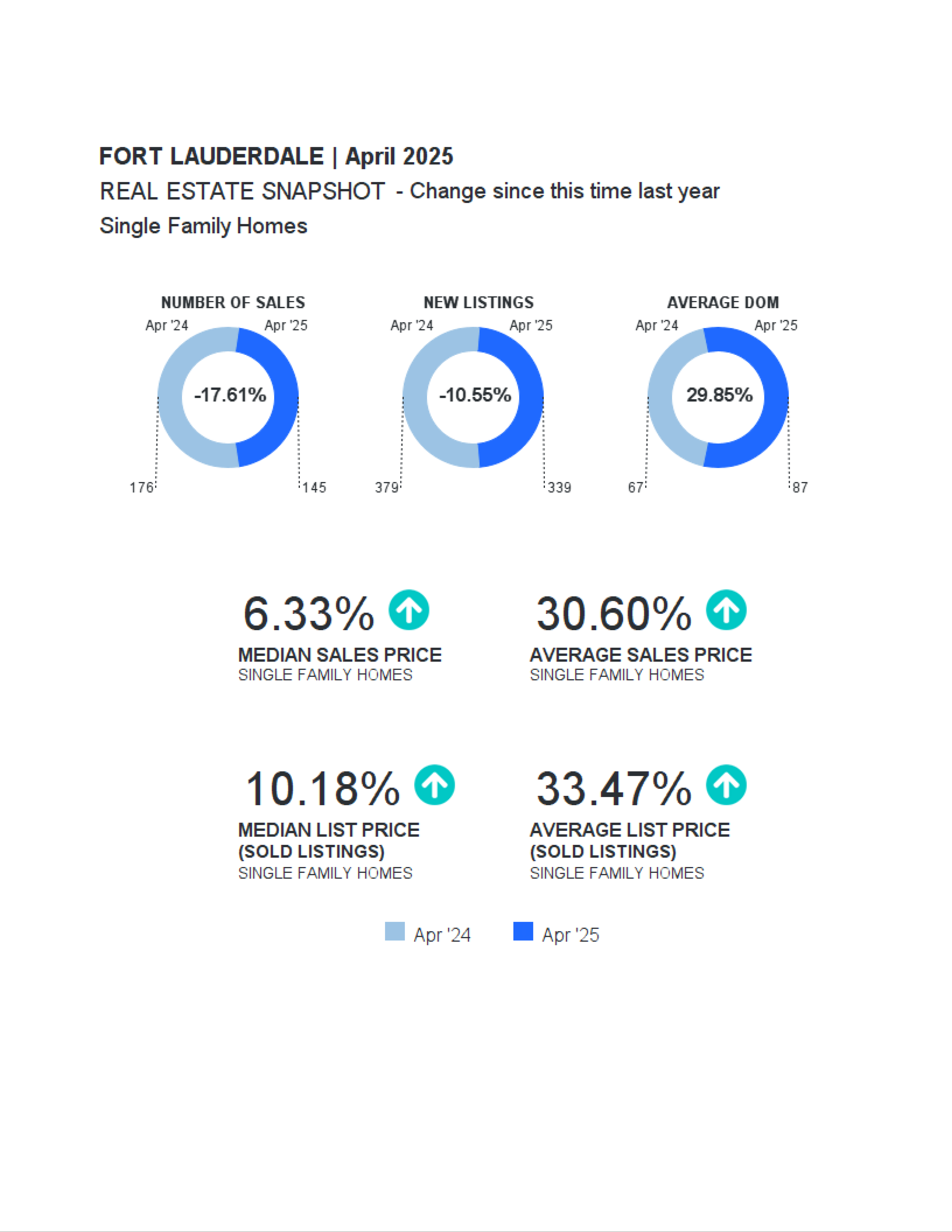
• New Listings: Down 10.55% month-to-date and 1.12% year-to-date.
• Sold Listings: Decreased by 17.61% month-to-date and 8.59% year-to-date.
• Median Sold Price: Increased by 6.33% month-to-date and 13.92% year-to-date.
• Average Sold Price: Up 30.6% month-to-date and 21.5% year-to-date.
• Median Days on Market: Increased by 41.86% month-to-date and 8.33% year-to-date.
• List/Sold Price Ratio: Slight decrease (-0.18% month-to-date, -0.4% year-to-date).
Condos/Townhouses:
• New Listings: Down 24.47% month-to-date and 7.69% year-to-date.
• Sold Listings: Decreased by 9.89% month-to-date but remained flat year-to-date.
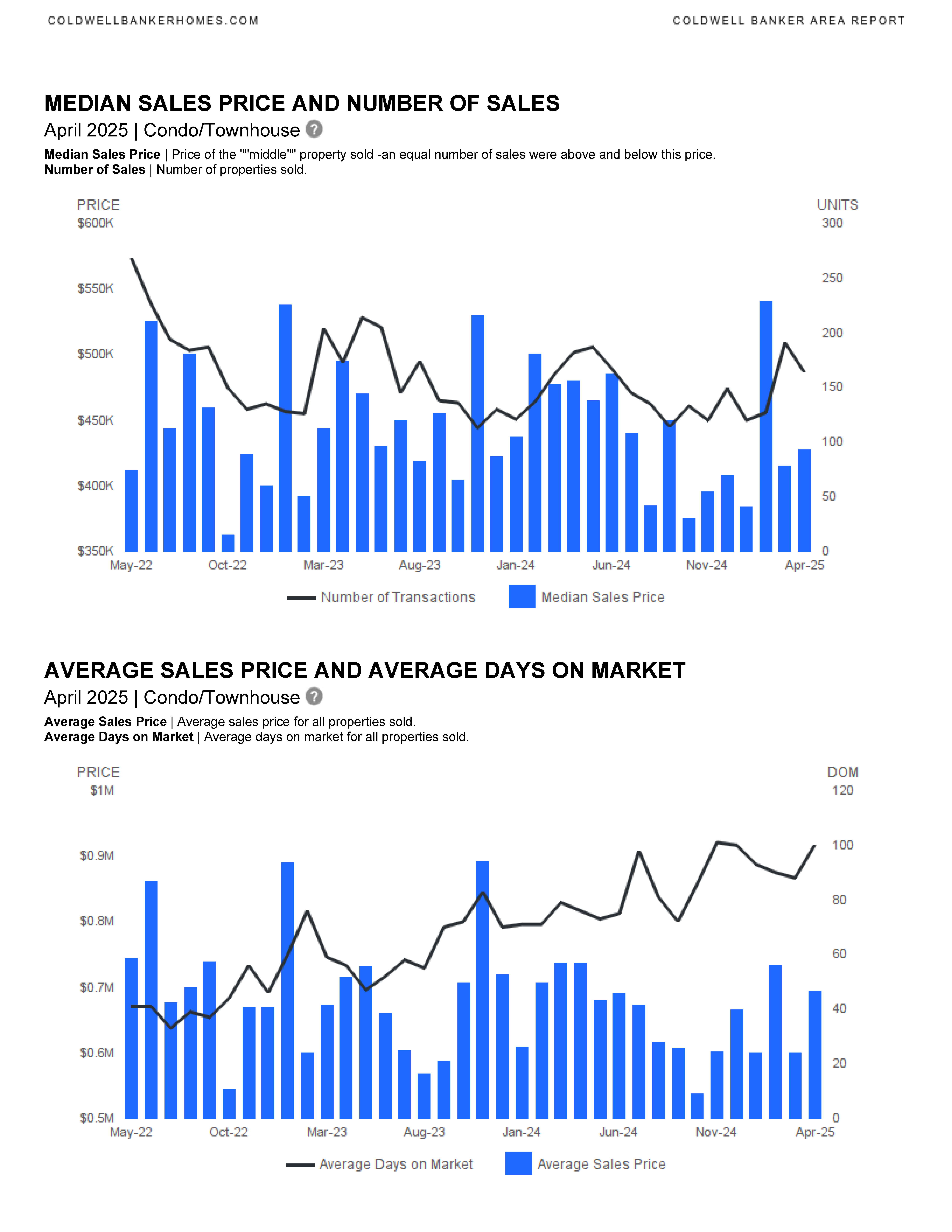
• Median Sold Price: Declined by 10.99% month-to-date and 10.34% year-to-date.
• Average Sold Price: Down 5.98% month-to-date and 7.3% year-to-date.
• Median Days on Market: Increased by 47.06% month-to-date and 35.29% year-to-date.
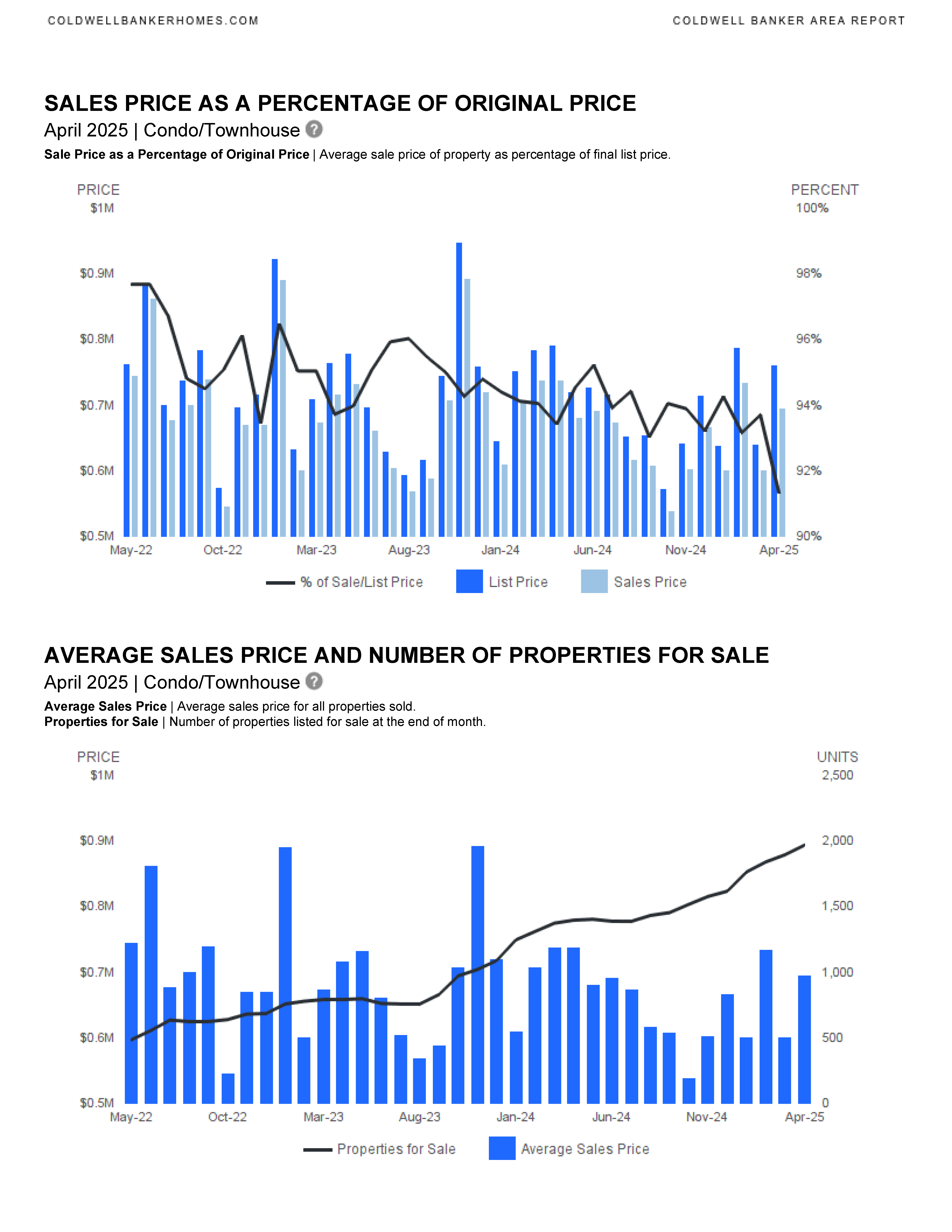
• List/Sold Price Ratio: Slight decrease (-1.28% month-to-date, -0.85% year-to-date).
Commonly asked questions while reviewing the reports:
What is the difference between “Median Sales Price” and “Average Sales Price”?
Median Sales Price | Price of the “”middle”” property sold -an equal number of sales were above and below this price.
Average Sales Price | Average sales price for all properties sold.
What does “Absorption Rate” mean?
Absorption Rate | Looks at the past year’s monthly supply of inventory. In a normal market there should be a 6 month supply. The higher the rate above 6 the more aggressive a seller has to be with the competition; price and having a picture perfect property.
Single Family Home Area Report listed first, Condo/Townhouses listed second:

We are entering a new real estate market in SE Florida. This is the time to work with an experienced and knowledgeable real estate professional. Please contact me if you would like to be sent updated market reports for Fort Lauderdale, or another SE Florida city. We can discuss the market, current trends and how we can work together to accomplish your real estate goals. I am here to help.
CONTACT ANNETTE
Let’s start working together!
Annette Dammeyer, REALTOR®, ABR®, AHWD®
Coldwell Banker Realty
901 E Las Olas Blvd STE 101, Fort Lauderdale, FL 33301
808.747.3686
SL 3535792
How to Avoid Going Over Budget in Your Home Renovation
YOUR HOME RENOVATION
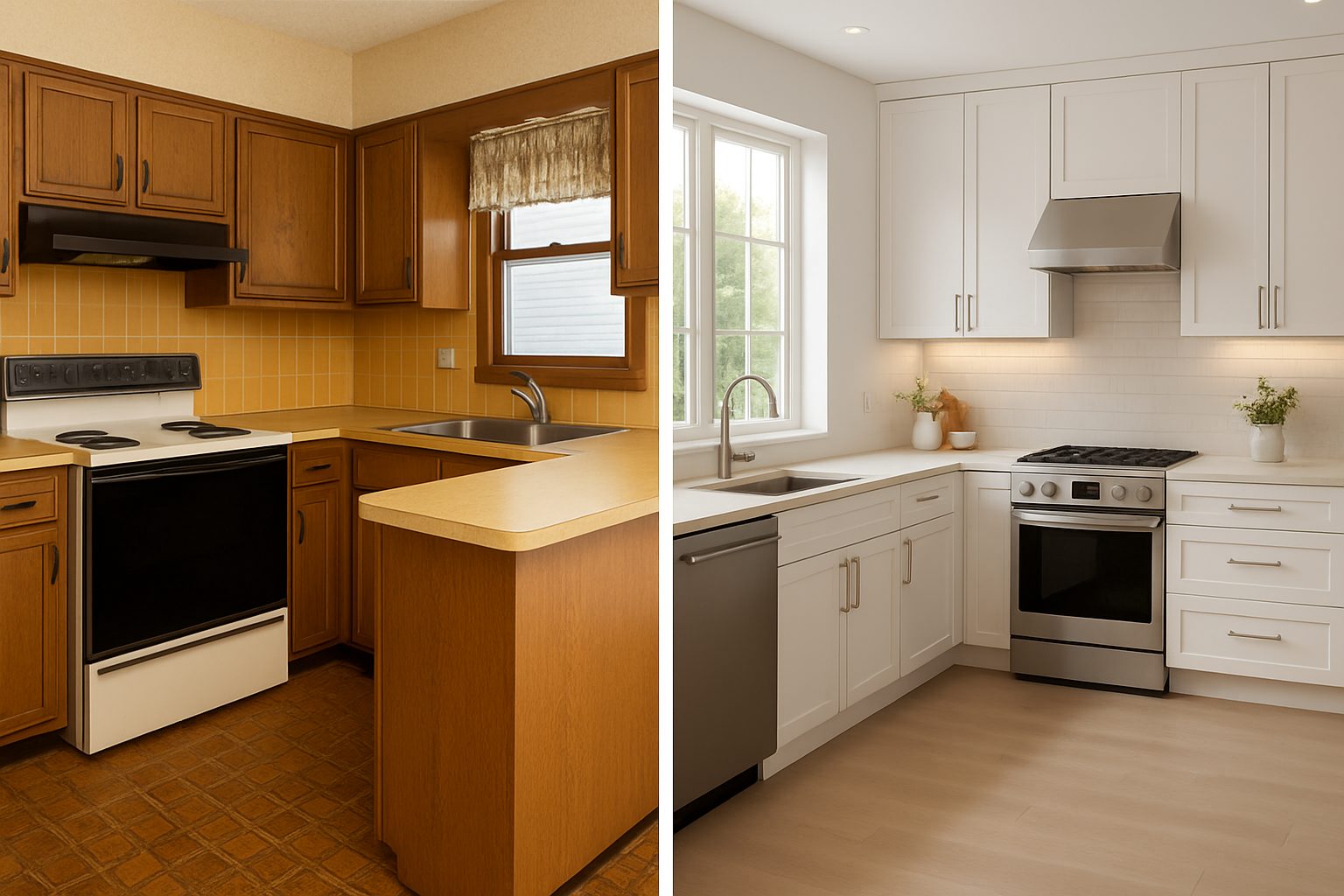
You are renovating your home? How exciting! Now is the time to carefully plan, research and create your budget. The high-impact home upgrades can deliver a substantial ROI (Return on Investment) – as long as you carefully manage the cost. ROI is calculated by dividing the net income from an investment by the original cost of the investment.
How to Avoid Going Over Budget in Your Home Renovation
Lessons from Homeowners Who Learned the Hard Way
Renovating a home can be exciting, but it’s easy for costs to spiral out of control if you’re not careful. As a real estate professional, I’ve seen firsthand how simple mistakes can lead to expensive surprises. Here’s how to stay on budget while still achieving the renovation results you want—plus real examples of costly mistakes homeowners have made.
1. Set a Realistic Budget—Then Add a Buffer
Many homeowners set their renovation budget based on best-case scenarios. The reality? Unexpected costs WILL pop up. Whether it’s hidden plumbing issues or delays in material deliveries, adding a 10–20% contingency fund to your budget can save you from financial headaches.
❌ Costly Mistake Example: A homeowner planned to renovate their kitchen for $25,000 but didn’t account for hidden electrical issues behind the walls. After hiring an electrician and bringing everything up to code, they ended up spending an additional $8,000—completely throwing their budget off track.
✅ Smart Move: Get a professional inspection of your home before finalizing your renovation budget. This way, you can anticipate potential structural, electrical, or plumbing surprises.
2. Don’t Over-Customize—Stick to Practical Upgrades
Personalizing your home is great, but going overboard with custom work can drain your budget quickly. Specialty designs, rare materials, and custom-built cabinetry or fixtures can easily cost double what standard options do.
❌ Costly Mistake Example: One homeowner insisted on custom tile work imported from Italy for their bathroom remodel. Between shipping fees, installation costs, and unexpected delays, the final bill exceeded their initial budget by 40%—all for a feature that didn’t significantly increase the home’s value.
✅ Smart Move: Focus on upgrades that balance aesthetics and resale value. Opt for high-quality but readily available materials that give a luxurious look without breaking the bank.
3. Choose the Right Contractor—Not Just the Cheapest
Hiring the lowest-bid contractor might seem like a way to save money, but it can be a costly mistake if the quality of work is poor. Cutting corners on labor can lead to more repairs and reworks down the line.
❌ Costly Mistake Example: A homeowner hired a contractor offering a kitchen remodel at half the price of competitors. Turns out, the contractor failed to get permits, used substandard materials, and left plumbing unsealed—causing leaks and damage weeks later. The homeowner ended up hiring another team to redo everything properly, doubling their initial budget.
✅ Smart Move: Get multiple quotes and check references before hiring a contractor. Look for professionals who are licensed, insured, and experienced in the type of work you need.
4. Avoid Scope Creep—Stick to the Original Plan
Many homeowners start with a simple project, only to get inspired mid-renovation and expand the scope of work. Adding extra features or changing materials mid-way can quickly inflate costs.
❌ Costly Mistake Example: A family planned a minor bathroom refresh but decided last-minute to expand the footprint by knocking down a wall. This required new flooring, plumbing adjustments, and structural reinforcements, turning what was supposed to be a $10,000 update into a $35,000 remodel.
✅ Smart Move: Set clear renovation goals upfront. If you want to make changes mid-project, assess the financial impact before moving forward.
5. Source Materials Wisely—Don’t Rush Purchases
Ordering materials on impulse or relying solely on one supplier can cost more than necessary. Many homeowners fail to shop around for better pricing, bulk deals, or alternative materials.
❌ Costly Mistake Example: A homeowner rushed to order custom countertops just before installation without comparing vendors. Later, they discovered another supplier offering the same quality for 30% less, but it was too late to cancel the original order.
✅ Smart Move: Research multiple suppliers before purchasing materials. Check for discounts, bulk deals, and seasonal promotions. Also, consider remnant sales for countertops, flooring, and other materials.
6. The Pitfalls of DIY Renovations—Know Your Limits
DIY renovations can be rewarding, but they can also lead to unexpected costs and complications if you lack the necessary skills or experience. While painting a room or updating fixtures may be manageable, major renovations require professional expertise.
❌ Costly Mistake Example: A homeowner attempted to install new flooring without professional help, mismeasuring materials and failing to level the subfloor properly. As a result, boards began warping and separating within months, requiring a full replacement—adding thousands to the overall budget.
✅ Smart Move: Be honest about your skill level and know when to hire a pro. Electrical work, plumbing updates, and structural changes should always be handled by licensed professionals to avoid safety risks and future repairs.
Home renovations don’t have to drain your savings. The key is to plan ahead, expect the unexpected, and make informed decisions along the way. By learning from common budgeting mistakes, you can ensure your renovation stays on track—without financial regrets.
If you are renovating in preparation to sell, I can introduce you to another way to control your upfront cost through RealVitalize®, our program that provides home sellers with home improvement resources during the listing period, with no upfront costs or interest fees. Reach out today, I am here to help.
CONTACT ANNETTE
Let’s start working together!
Annette Dammeyer, REALTOR®, ABR®, AHWD®
Coldwell Banker Realty
901 E Las Olas Blvd STE 101, Fort Lauderdale, FL 33301
808.747.3686
SL 3535792


