Florida Real Estate Market TrendsHome Sellers and BuyersHomeowner August 26, 2025

September 2025 ~ Navigating Today’s Market with Resilience & Autumn Comforts

September 2025 Newsletter


Hello September! As the summer sun begins to mellow and we ease into the rhythm of fall, I’m excited to welcome you to this month’s newsletter—a space where real estate meets lifestyle, and community comes first. 


In this issue, we’re diving into the unique challenges and opportunities facing Hollywood, FL homeowners today, with practical insights to help you stay confident and informed. This information also applies to other SE Florida cities. We’re also stirring up some seasonal inspiration with autumn drink ideas that bring cozy vibes to your gatherings, plus a look at multi-use furniture that blends style with smart living—perfect for maximizing space without sacrificing charm. And for those thinking ahead, we’re spotlighting the sustainable home features today’s buyers are actively seeking—because eco-conscious upgrades aren’t just good for the planet, they’re great for your property value too.

As always, you’ll find my monthly local market reports included to keep you up to date on the latest trends and shifts in our South Florida real estate landscape.

Here’s to a season of fresh ideas, warm connections, and homes that truly reflect the lives we love.

Kind regards,
Annette

Hollywood Homeowners: Navigating Challenges, Building Resilience
Hollywood Florida Homeowners

National Stories


Toast Autumn With These Seasonal Sips

Toast autumn with this collection of seasonal sips, from apple cider m…

View More


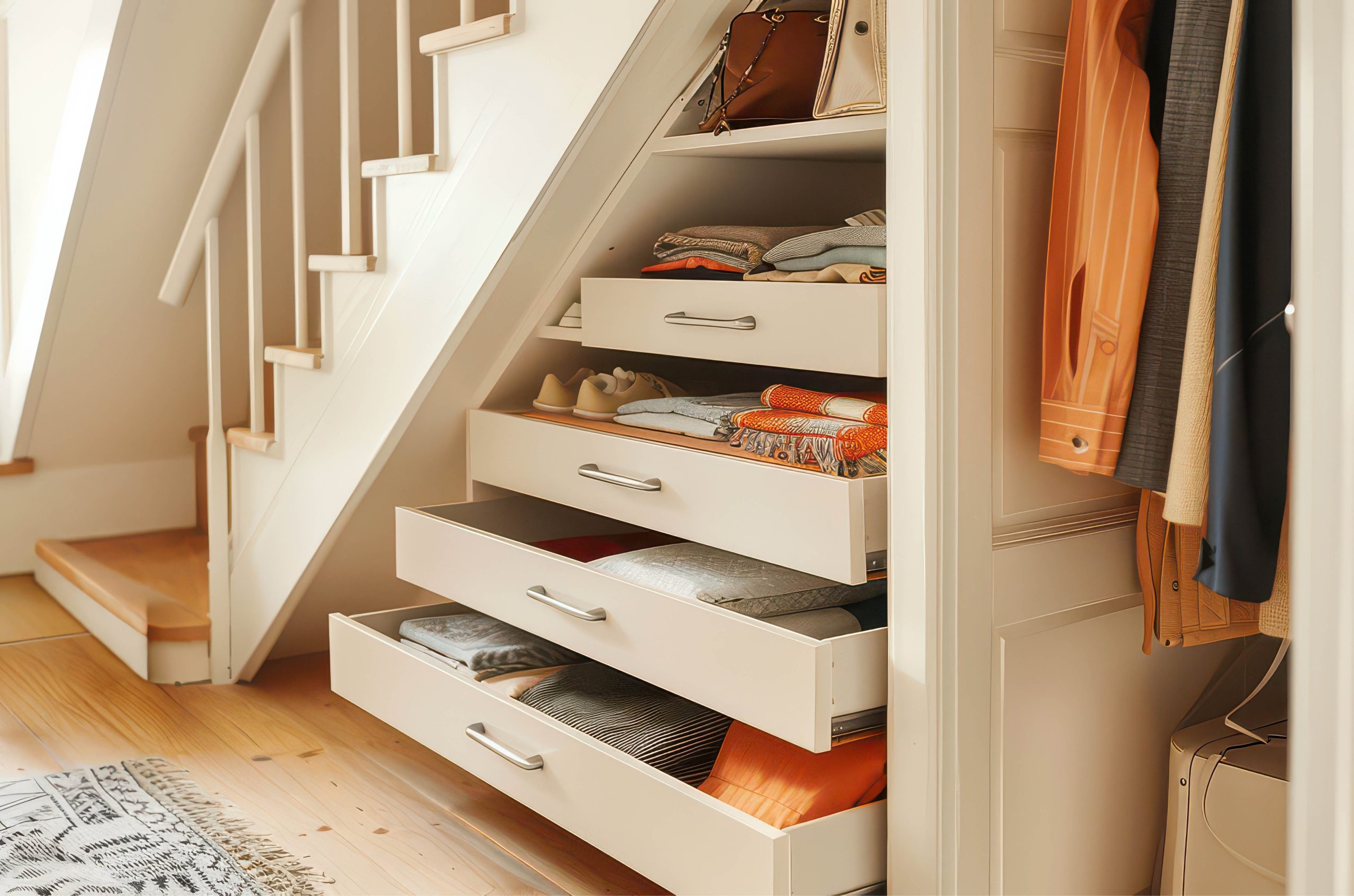
Multi-Use Furniture: Saving Space With Style

Save space with multi-use furniture, like sleeper sofas, storage ottom…

View More


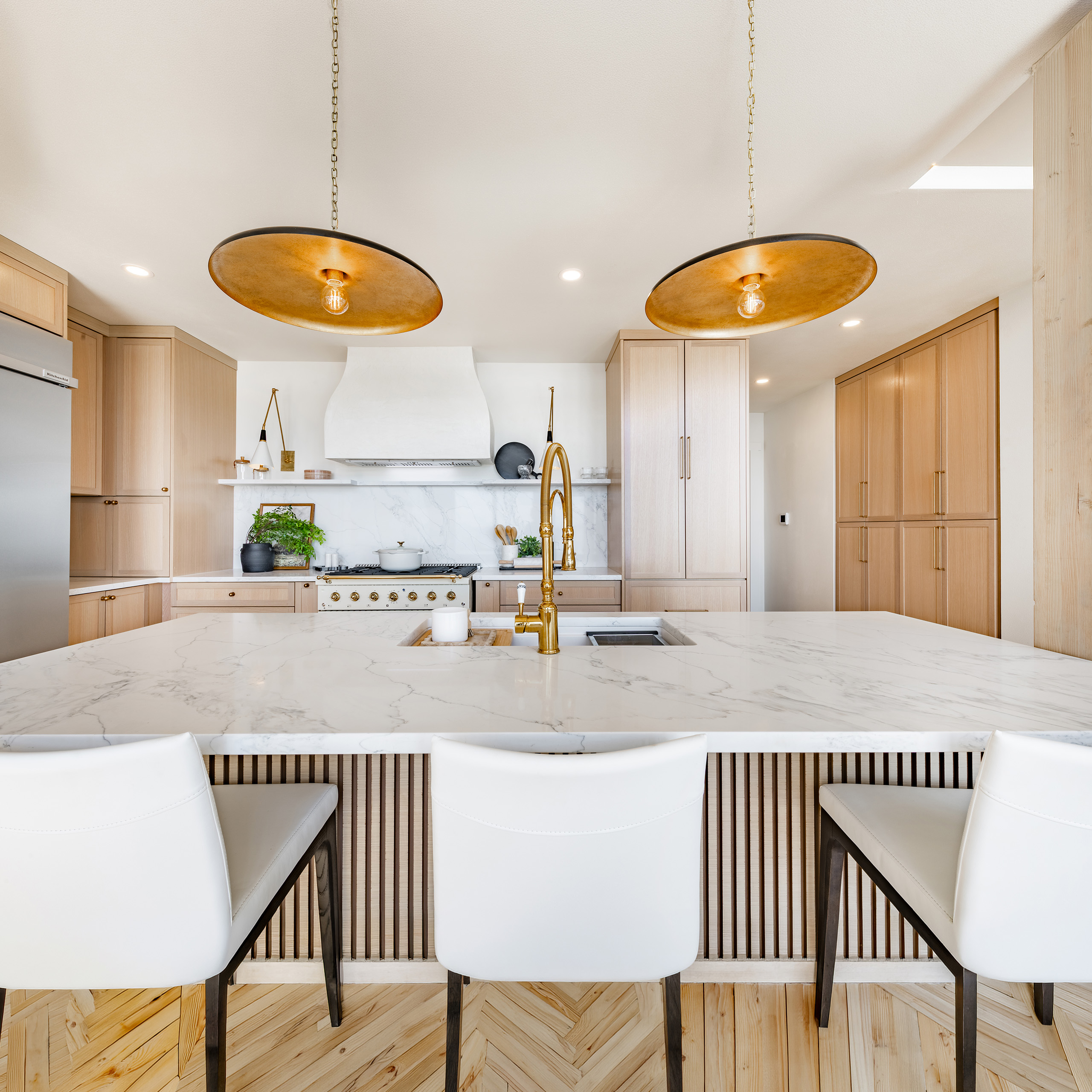
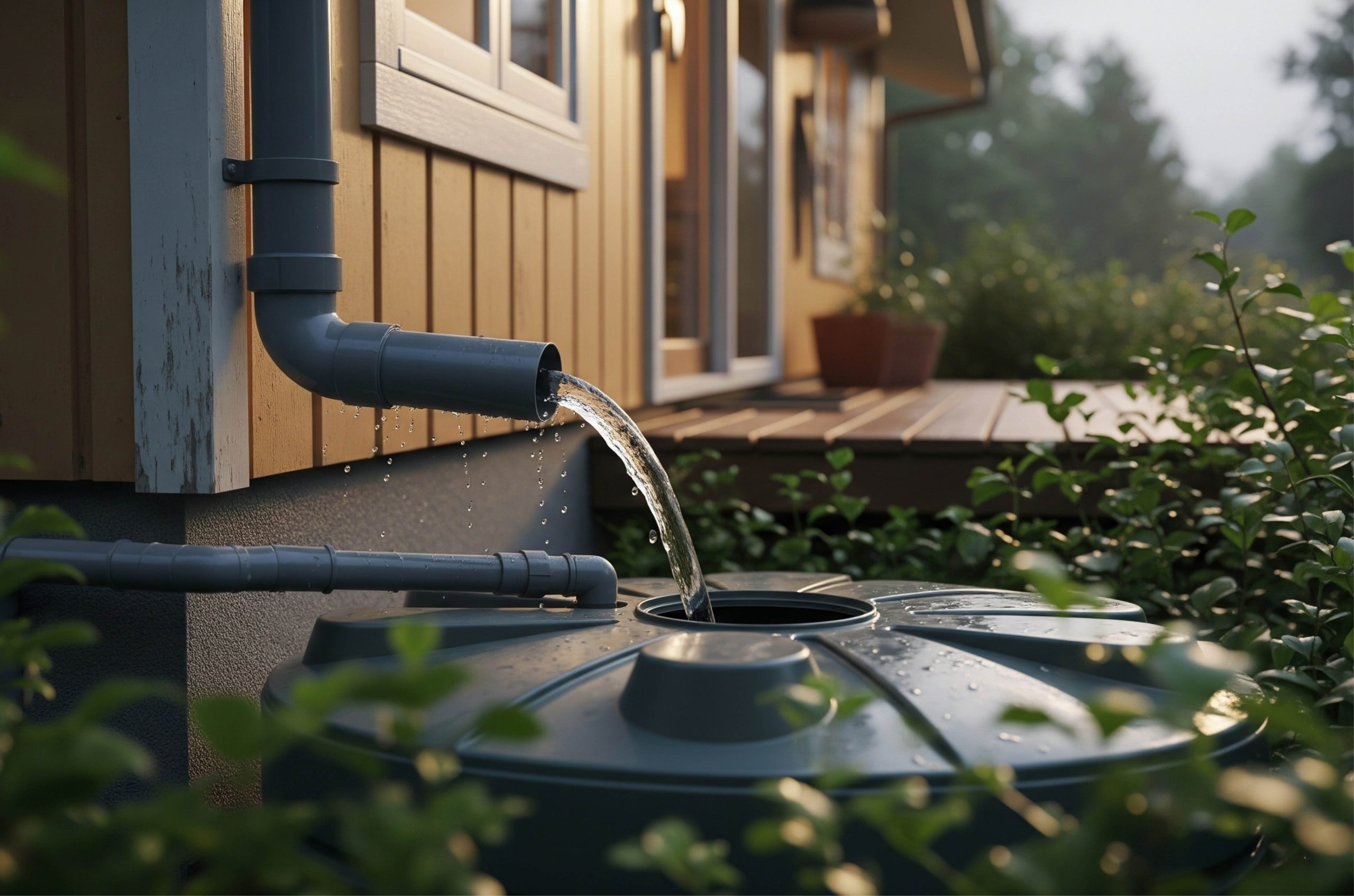
Sustainable Home Features Today’s Buyers Want

Discover the sustainable home features buyers love and learn how these…

View More


Real Estate Updates | Area Reports | July 2025
Broward County | Hollywood
View Report
Broward County | Fort Lauderdale
View Report
Broward County | Dania Beach
View Report


Autumn is a great time for a coffee walk and talk! If you have any questions or simply want to discuss your home options, I’m here for you. Let’s have a conversation tailored to your goals, and map out the next steps together. I’m here to help and guide you every step of the way with experience and integrity.

CONTACT ANNETTE

Let’s start working together!

Annette Dammeyer, REALTOR®, ABR®, AHWD®

Coldwell Banker Realty

901 E Las Olas Blvd STE 101, Fort Lauderdale, FL 33301

808.747.3686

Annette.Dammeyer@cbrealty.com

www.AnnetteDammeyer.com

SL 3535792

Florida Real Estate Market TrendsHome Sellers and BuyersHomeowner June 25, 2025

July 2025 ~ Unlock Equity, Spark Joy & Celebrate!

July 2025 Newsletter

July is nearly here, and you know what that means—fireworks, family, and a fresh batch of inspiration to make your home sparkle all year long!

I’m delighted to bring you this month’s newsletter, filled with practical tips and creative ideas to elevate your space and your equity. Whether you’re cooling off poolside or prepping your patio for the perfect Fourth of July bash, I’ve curated articles that speak to the way we live—and dream—here in beautiful South Florida.

This issue, we’re exploring:

  • Your Home Equity- What Every Homeowner Needs to Know – Understand how your home’s value works for you.
  • Fourth of July Party Ideas That Shine – Décor, dishes, and backyard fun for an unforgettable celebration.
  • Kitchen Goals: Function + Welcome – Create a space that’s equal parts efficient and inviting.
  • The Basement That Pays You Back – I get it—South Florida basements are rare birds! But the design ideas inside can boost any addition or renovation (hello, bonus rooms, guest suites, and more!).

Wherever you are on your homeownership journey, I’m here to help you make informed, confident, and creative choices—every step of the way.

Wishing you a safe, joyful and fun-filled July!

Warmly,
Annette Dammeyer
Your Local Real Estate Professional


Confused About Your “Home Equity”?
Understanding Home Equity in Simple Terms

National Stories


Get Creative With Your Fourth of July Home Party

Throw a creative Fourth of July home party with easy decor, crowd-plea…

View More


Kitchen Design Trends: Create a Welcoming, Functional Space

The latest trends in kitchen design incorporate organic shapes, sustai…

View More


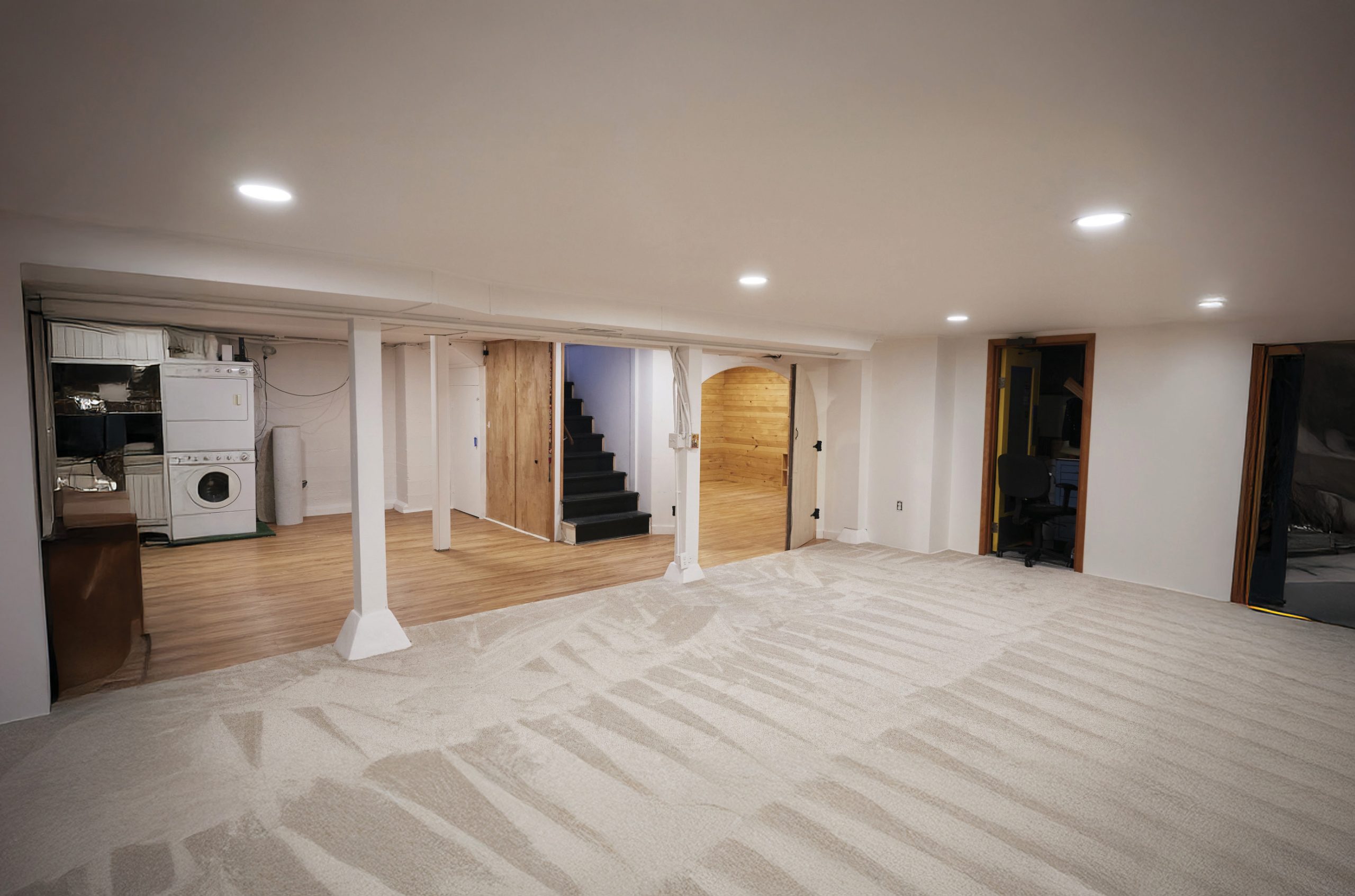
6 Steps to Increasing Value With a Basement Remodel

To maximize space and property value with a basement remodel, address …

View More


Real Estate Updates | Area Reports | May 2025
Broward County | Hollywood
View Report
Broward County | Fort Lauderdale
View Report
Broward County | Dania Beach
View Report

Enjoy your July and celebrate in style! If you are interested in evaluating your home equity, I offer complimentary comparative market analyses to give you a clear picture of your home’s value in today’s SE Florida market. I’m here to help and guide you every step of the way with experience and integrity.

CONTACT ANNETTE

Let’s start working together!

Annette Dammeyer, REALTOR®, ABR®, AHWD®

Coldwell Banker Realty

901 E Las Olas Blvd STE 101, Fort Lauderdale, FL 33301

808.747.3686

Annette.Dammeyer@cbrealty.com

www.AnnetteDammeyer.com

SL 3535792

Home Sellers and Buyers January 21, 2025

What to Look for During a Home Inspection

What to Look for During a Home Inspection: A Real Estate Professional’s Guide

Whether you’re buying a home or selling one, a home inspection is a vital step that can save you time, money, and stress. As an experienced real estate professional, I’ve helped both buyers and sellers navigate the inspection process. Here’s what you need to know to make the most of this crucial stage, whether you’re preparing to close on a home or getting your property ready for the market.

Why a Home Inspection Matters for Buyers and Sellers

For buyers, a home inspection is your chance to uncover potential issues before finalizing your purchase. It provides peace of mind and ensures you’re making a sound investment. For sellers, a pre-listing home inspection helps you identify and address problems upfront, streamlining the selling process and potentially increasing your home’s value.

Key Areas to Focus On During a Home Inspection

1. Foundation and Structure

For both buyers and sellers, the foundation is critical to a home’s integrity. Look for:

  • Cracks in walls, floors, or ceilings.
  • Doors or windows that stick or don’t align properly.
  • Uneven floors or signs of settling.

2. Roof and Attic

A damaged roof can deter buyers and lead to expensive repairs. Check for:

  • Missing, curling, or damaged shingles.
  • Signs of water damage or leaks.
  • Proper ventilation in the attic to prevent mold and mildew.

3. Plumbing System

Plumbing issues can be costly if overlooked. Pay attention to:

  • Water pressure and flow in all faucets and showers.
  • Signs of leaks under sinks or in visible pipes.
  • The condition of the water heater, including its age and potential rust.

4. Electrical System

Outdated or faulty electrical systems can pose safety hazards. Look for:

  • Outlets that don’t work or are outdated (two-prong instead of grounded three-prong).
  • Exposed wiring or overloaded breaker panels.
  • The age and condition of the electrical panel.

5. HVAC System

Heating, ventilation, and air conditioning systems impact comfort and energy efficiency. Ask about:

  • The age and maintenance history of the furnace and air conditioner.
  • Visible signs of wear or unusual noises during operation.
  • Proper insulation and ductwork.

6. Windows and Doors

Energy efficiency and security depend on well-maintained windows and doors. Inspect for:

  • Drafts or difficulty opening and closing.
  • Cracks or condensation between panes in double-paned windows.
  • Adequate weatherstripping to prevent energy loss.

7. Basement and Crawl Spaces

Moisture issues in these areas can lead to bigger problems. Look for:

  • Signs of water intrusion, such as dampness or a musty smell.
  • Cracks in the foundation walls.
  • Evidence of termites or other pests.

8. Exterior Features

The home’s exterior sets the first impression and protects it from the elements. Examine:

  • The condition of siding, brick, or stucco.
  • Drainage around the property to ensure water flows away from the foundation.
  • Decks, patios, and fences for rot or structural issues.

Benefits of a Pre-Listing Inspection for Sellers

A pre-listing inspection offers sellers several advantages:

  • Avoid Surprises: Address issues before buyers discover them.
  • Streamline Negotiations: Reduce the likelihood of repair requests or credits.
  • Enhance Marketability: Showcase your home as move-in ready.

Additional Tips for Buyers and Sellers

  • Be Present: Attend the inspection to ask questions and see issues firsthand.
  • Hire a Qualified Inspector: Look for licensed and experienced professionals with good reviews.
  • Request a Detailed Report: Ensure the inspector provides a comprehensive report with photos and descriptions of any concerns.
  • Prioritize Repairs: For sellers, focus on cost-effective fixes that add value and attract buyers.

What to Do After the Inspection

For Buyers:

  • Review the report with your real estate agent.
  • Negotiate repairs or credits with the seller if necessary.
  • Decide to move forward with the purchase, renegotiate, or walk away if issues are significant.

For Sellers:

  • Use the inspection report to make strategic repairs.
  • Highlight completed repairs in your listing to attract buyers.
  • Work with your agent to set a competitive price based on the home’s condition.

Whether you’re buying or selling, a home inspection is a valuable tool for making informed decisions. By addressing potential issues upfront and working with trusted professionals, you can ensure a smoother transaction and a better outcome.


If you’re navigating the real estate process and have questions about inspections or other steps, feel free to reach out. I’m here to guide you every step of the way!

CONTACT ANNETTE

Let’s start working together!

Annette Dammeyer, REALTOR®, ABR®, AHWD®

Coldwell Banker Realty

901 E Las Olas Blvd STE 101, Fort Lauderdale, FL 33301

808.747.3686

Annette.Dammeyer@cbrealty.com

www.AnnetteDammeyer.com

SL 353579

Homeowner December 17, 2024

7 Sounds Homeowners Should Never Ignore

Sounds Homeowners Should Never Ignore and What They Could Mean

Your home speaks to you in subtle ways. Some sounds are routine—the hum of the refrigerator or the creak of a floorboard. However, others can signal serious problems that, if ignored, may result in costly repairs or dangerous situations. As a homeowner, learning to identify which sounds warrant immediate attention can save you money, stress, and even protect your family’s safety.

Here are seven common household sounds you should never ignore and what they might mean.


1. Banging or Knocking in the Pipes

What it sounds like: A loud banging or knocking noise coming from your plumbing when you turn on the water or shut it off.

What it means: This is often referred to as water hammer, caused by a sudden stop or change in water flow. The force sends shockwaves through the pipes, resulting in a loud noise. If left unchecked, it can loosen pipe connections, damage valves, or cause leaks.

What to do: Install a water hammer arrestor or have a plumber inspect your pipes to prevent long-term damage.


2. Scratching or Scurrying in the Walls or Attic

What it sounds like: Persistent scratching, rustling, or scurrying sounds coming from behind walls, ceilings, or in the attic.

What it means: These noises often indicate rodents, insects, or other pests have made your home theirs. Mice, rats, squirrels, and raccoons can cause extensive damage by chewing wires, insulation, and structural materials.

What to do: Contact a pest control professional immediately. Ignoring this sound could lead to infestations or even fire hazards from chewed electrical wiring.


3. Hissing Near Gas Appliances or Lines

What it sounds like: A faint hissing sound near a gas stove, water heater, or gas line.

What it means: This could indicate a gas leak, which is extremely dangerous. Natural gas leaks can cause health problems, explosions, or fires.

What to do: Leave the house immediately if you suspect a gas leak. Do not use electrical switches or create sparks. Call your gas company or emergency services for assistance.


4. Grinding from Your HVAC System

What it sounds like: A loud grinding or squealing noise coming from your furnace, air conditioning unit, or vents.

What it means: Grinding noises typically occur when HVAC components, like the blower motor or fan blades, are wearing down or obstructed. It can also signify a failing compressor or loose parts.

What to do: Turn off the system immediately and call an HVAC technician. Prolonged operation can cause further damage or expensive repairs.


5. Dripping or Running Water Sounds

What it sounds like: The sound of water dripping, running, or trickling when no faucets are in use.

What it means: This often signals a hidden leak in your plumbing, walls, or roof. Undetected water leaks can cause mold growth, structural damage, and costly repairs over time.

What to do: Check for visible signs of water damage, like stains or mold. Contact a plumber or home inspector to identify and repair the source of the leak.


6. Buzzing from Electrical Outlets or Panels

What it sounds like: A faint buzzing or humming noise near electrical outlets, breaker panels, or light switches.

What it means: This can indicate a loose wire, overloaded circuit, or faulty electrical system. Electrical problems are serious and can result in fires or electrocution if left unresolved.

What to do: Turn off the power to the affected area and contact a licensed electrician immediately.


7. Loud Pops or Cracks in the Walls or Ceilings

What it sounds like: Sharp cracking, popping, or snapping sounds, especially during changes in temperature.

What it means: These noises can be caused by natural expansion and contraction of materials like wood or drywall. However, they may also indicate structural issues, such as foundation movement or settling, particularly if accompanied by visible cracks.

What to do: If you notice frequent or worsening sounds, along with visible cracks in walls or ceilings, consult a structural engineer to assess the foundation.


Why You Should Pay Attention to These Sounds

While some household noises are harmless, ignoring the wrong ones can lead to bigger issues. Water damage, electrical fires, pest infestations, and structural failures often start with subtle sounds. Taking action early can mean the difference between a simple fix and a catastrophic repair.


Final Thoughts

Your home is one of your biggest investments, and learning to listen to it can keep it safe, functional, and in great condition. If you hear any of the sounds mentioned above, don’t wait to take action. Call the appropriate professional—whether it’s a plumber, electrician, pest control expert, or HVAC technician—to diagnose and resolve the issue before it escalates.

Remember: When it comes to unusual sounds in your home, it’s always better to be safe than sorry.


Please contact me to set up a meet and greet and discuss how we can work together to accomplish your real estate goals.

CONTACT ANNETTE

Let’s start working together!

Annette Dammeyer, REALTOR®, ABR®, AHWD®

Coldwell Banker Realty

901 E Las Olas Blvd STE 101, Fort Lauderdale, FL 33301

808.747.3686

Annette.Dammeyer@cbrealty.com

www.AnnetteDammeyer.com

SL 353579

Home Sellers and BuyersHomeowner August 27, 2024

17 Things to Never, Ever, EVER Do to Your House

17 Things to Never, Ever, EVER Do to Your House

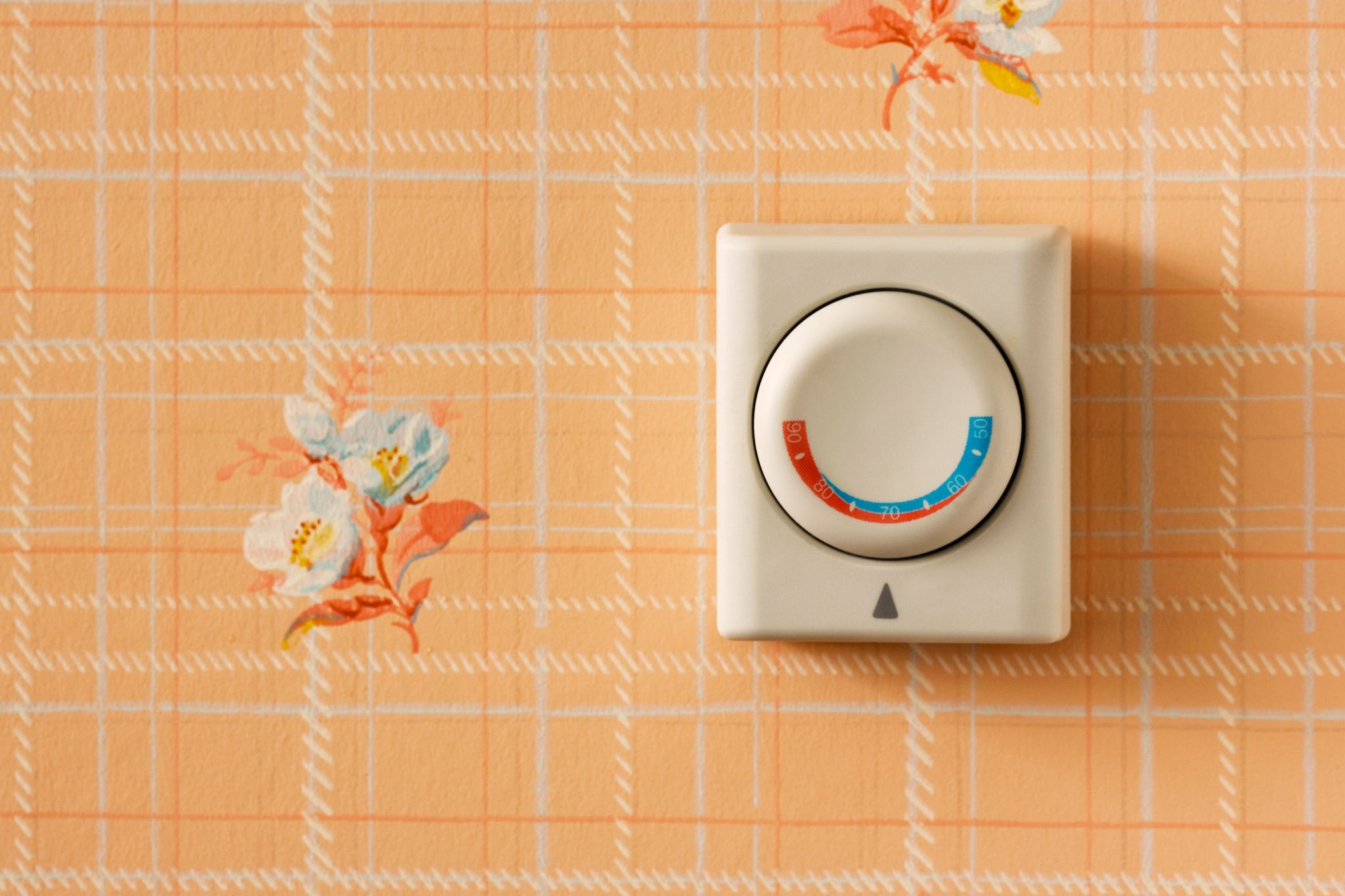
Keep the vintage wallpaper, but upgrade that time- and money-draining retro thermostat to programmable.

common easy home mistakes old thermostat on peach and floral wallpaper
Image: Joe Clark/Getty


What may seem like a good idea often isn’t.


Here are 17 common mistakes new homeowners may make:

#1 Getting Rid of Your Only Tub


A white cast iron tub in a white bathroom

If resale value is important to you, don’t get rid of your only bathtub, no matter how dreamy that walk-in shower looks.

It will make it harder to sell when the time comes. You’ll flat-out lose buyers who love a good soak or need a tub to bathe little ones (both human and four-legged).

#2 Leaving Cabinet Doors on While Painting

Painting your kitchen cabinets pays off big at resale — it’s a small investment for a big wow. But the job’s time-consuming, so it’s tempting to leave the doors on.

Resist. At all costs.

Because no matter how hard you try, it’s not going to look good. Even the pros don’t do it. That should tell you something.

#3 Putting Starchy Food Down the Disposal

Today’s garbage disposals can handle more challenging foods than earlier models, but starchy comestibles like potatoes, rice, and oatmeal still stump them.

Fun fact: Every Halloween, plumbers see an increase in calls because people are dumping pumpkin guts into the disposal.

Starchy foods clump when they hit water, clogging disposals and pipes. Instead, put them in the garbage can or, even better, your compost pile.

#4 Planting a Tree Close to Your House


Large tree planted too close to a house
Image: Blend/Offset

That young sapling just a few feet from your door seems so harmless. Until it grows up.

In addition to the risk of falling limbs, tree roots from mature trees can weaken your home’s foundation and clog plumbing and sewer pipes.

Plant medium and large trees at least 30 to 50 feet from the house. Put small trees (30 feet tall or less) at least eight, preferably 10, feet away.

#5 Flushing ‘Flushable’ Wipes

Sewer systems are facing a growing menace: flushable wipes. Despite the name, most don’t disintegrate, even after 10 minutes (compared to a few seconds for toilet paper).

Until a truly flushable wipe exists, don’t flush them — or anything nonorganic, for that matter. Stick with good ol’ TP instead.

#6 Covering Wallpaper With Water-based Paint

You don’t have to remove that dated wallpaper — simply paint over it. Just don’t do it with water-based paint. It can reactivate wallpaper glue and cause the paper to peel. Instead, use oil-based primer, let it dry completely, then apply latex paint over it. Oil-based primer has long been the industry standard and works well with oil and latex paints.

#7 Painting Exterior Brick


common easy home mistakes photograph of adjoining brick walls painted red and bluish-green colors
Image: John C Magee/Getty

Brick needs to breathe. Paint chokes it.

Paint can destroy the brick and mortar and even cause the foundation to crumble. Talk about a hidden cost!

If you’re itching for a new exterior look, try new shutters, paint the front door, or update your landscaping. Those moves can scratch your itch and boost your curb appeal. If you just can’t live with your brick color, try brick stain, which bonds with the brick, allowing it to breathe.

#8 Skipping the Last Mow Before Winter

Tempting as it is to skip that last mow before winter, leaving the lawn too tall in cold months gives mice and other rodents good cover from predators, like hawks. Which means they’ve got safe passage to work their way into your warm and cozy home for the winter. Plus, keeping grass short keeps it healthier.

#9 Letting Ceiling Fans Run Forever

Ceiling fans don’t decrease the temperature in a room; they increase how quickly your sweat evaporates, making you feel cooler.

Since running ceiling fans is only beneficial when people are in the rooms to enjoy their breeze, save money by turning them off when you’re out.

#10 Tearing Out Original Architectural Features
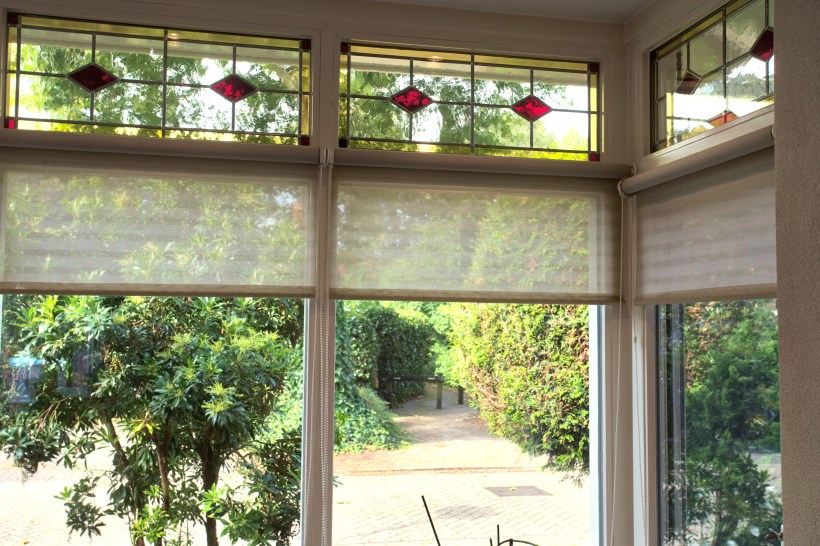
 

common easy home mistakes closeup of stained glass windows with red and yellow colors
Image: cerro_photography/Getty

Custom millwork, tin ceiling tiles, and mid-century modern brick give your home its character, so keep them if you’re remodeling (assuming they’re not in awful condition). Buyers appreciate these one-of-a-kind details, and preserving them sets your home apart. They can put your house at the top of house hunters’ lists when it’s time to sell.

#11 Changing Your Mailbox Without Checking With Your HOA

Or making any other change to your home’s exterior, such as replacing your front steps, adding shutters, etc. Homeowners associations work to keep neighborhood elements maintained and consistent in an effort to protect everyone’s home value.

That often includes seemingly small details, so let your HOA know of your upgrade plans. Otherwise, you could risk a citation or fine. Or worse, be told to undo it.

#12 Leaving Hoses Connected in Winter

When you retire your lawnmower each fall, disconnect and store hoses, too. Leaving them attached during cold weather can trap water in the pipes, causing them (and possibly the faucets) to freeze. BTW, leaving a hose connected in winter also ruins the hose.

#13 Keeping an Old-Fashioned Thermostat


Vintage wallpaper with outdated thermostat in a home

Maintaining a cozy home temp while you’re at work or sleeping wastes money and energy. If your house came with a nonprogrammable thermostat, you’ll have to manually change it multiple times a day to avoid all that waste. (Like you need another task on the way out the door.)

Install a programmable thermostat, stat. Spending about $100-200 for a single smart thermostat sounds pricey, but most homes can recoup that investment from energy savings in less than two years. Plus, many energy companies offer rebates that greatly reduce the price of a thermostat. Some may even provide one for free.

#14 Putting a Brick in Your Toilet Tank

To decrease water use and save money, many people put bricks in their older, high-water-use toilets. But bricks crumble in water and can damage or clog pipes.

Replace the toilet (average cost is $615 including installation, according to Fixr) or fill a half-gallon milk jug with sand and drop it in the tank instead (saving about half a gallon per flush).

#15 Watering Grass at Night

It may seem smart to water in the evening — especially if you have a sprinkler system — because electrical rates are lower. But without sun to evaporate it, water is more likely to cling to grass at night, promoting fungus. Instead, water in the morning when the air is cool, the sun is arriving, and there’s less wind than at midday.

#16 Cleaning Windows on a Sunny Day

Doesn’t a warm, sunny day seem like the perfect time to wash windows? Counter-intuitively, it’s the worst, because the sun dries windows too quickly and causes smears. Instead, save this chore for a cloudy day.

#17 Pouring Bleach or Drain Cleaner Down Pipes

Bleach seems like a great agent for keeping pipes unclogged and smelling fresh — and drain cleaner is literally for pipes, right?

Unfortunately, bleach can react with substances in your pipes and cause more clogs than it prevents. Even drain cleaner is rough on pipes — and both are environmentally awful. (Plus, as little as a teaspoon of drain cleaner can destroy a septic field.)

Instead, use a pipe snake (also known as an auger) to keep pipes running smoothly.


Article credit: Kelley Walters, a Southern writer and editor. She focuses on interior design and home improvement at outlets from HGTV to Paintzen. She lives in Italy a month every year, drinking Negronis and writing in internet cafes. 

Keep your home in great shape in case you decide to sell! If you decide the time is now, call me!

CONTACT ANNETTE

Let’s start working together!

Annette Dammeyer, REALTOR

Coldwell Banker Realty

901 E Las Olas Blvd STE 101, Fort Lauderdale, FL 33301

808.747.3686

Annette.Dammeyer@cbrealty.com

www.AnnetteDammeyer.com

SL 353579