Facebook
 X
X
 Pinterest
 Copy Link
Fort Lauderdale August 2026 Area Report
Fort Lauderdale August 2026 real estate statistics have been published.
Single Family Homes
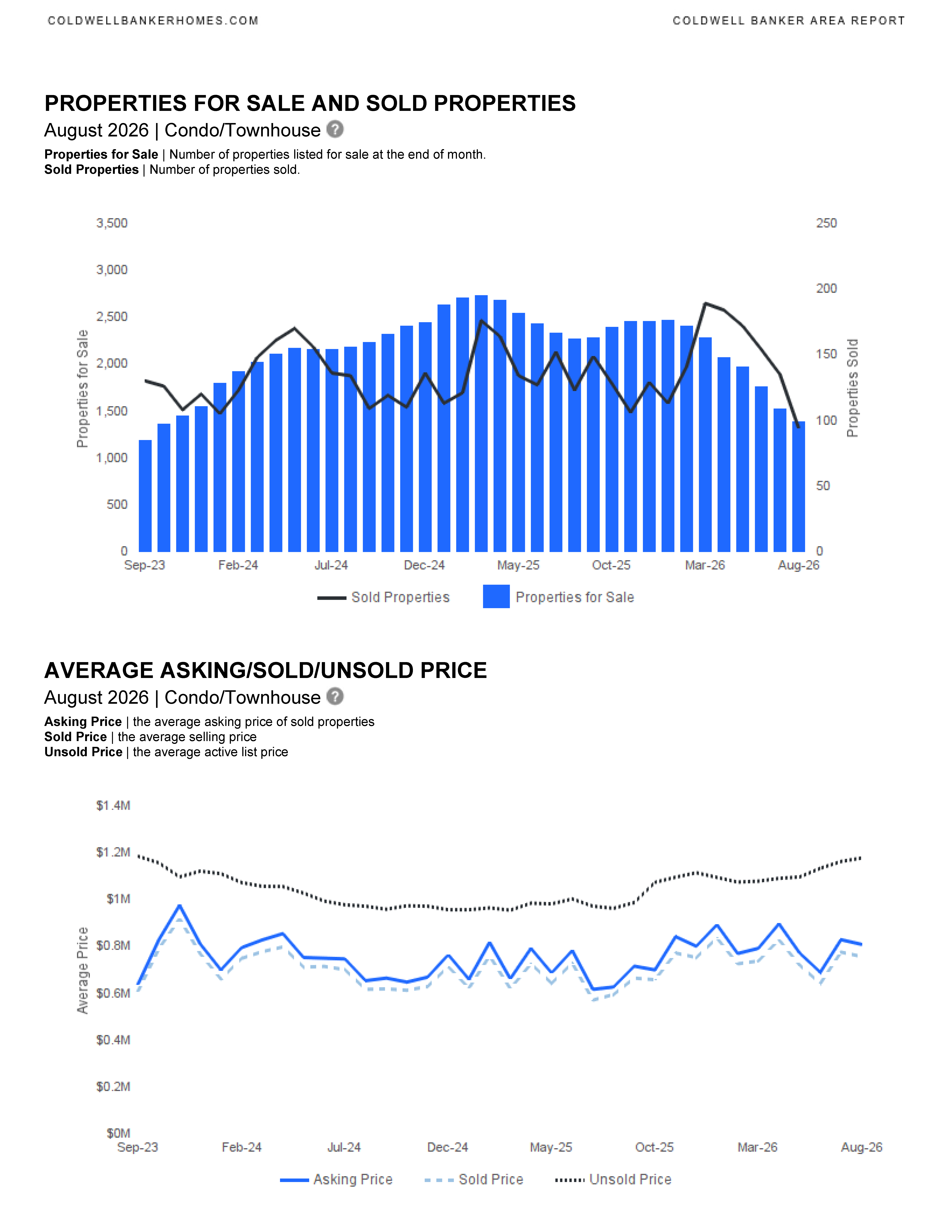
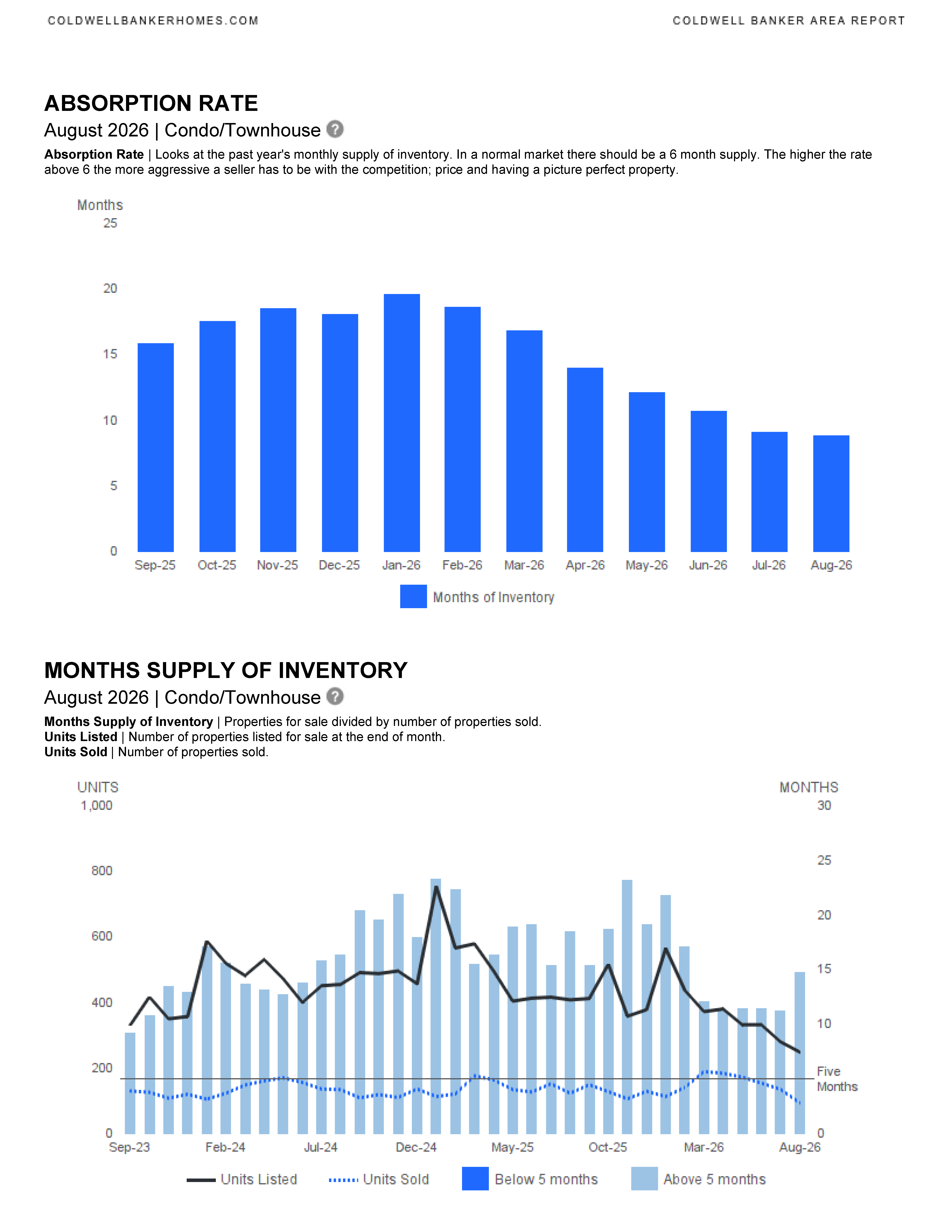
Condominium & Townhouses
As your local Fort Lauderdale REALTOR®, I like to keep our community informed about what’s happening in the housing market in plain English. The latest data shows that while fewer homes and condos are coming on the market, property values remain strong and buyers are still active. Overall, Fort Lauderdale continues to be a healthy and desirable market for both buyers and sellers.
🏡 Single-Family Home Market Highlights
What Sellers Should Know
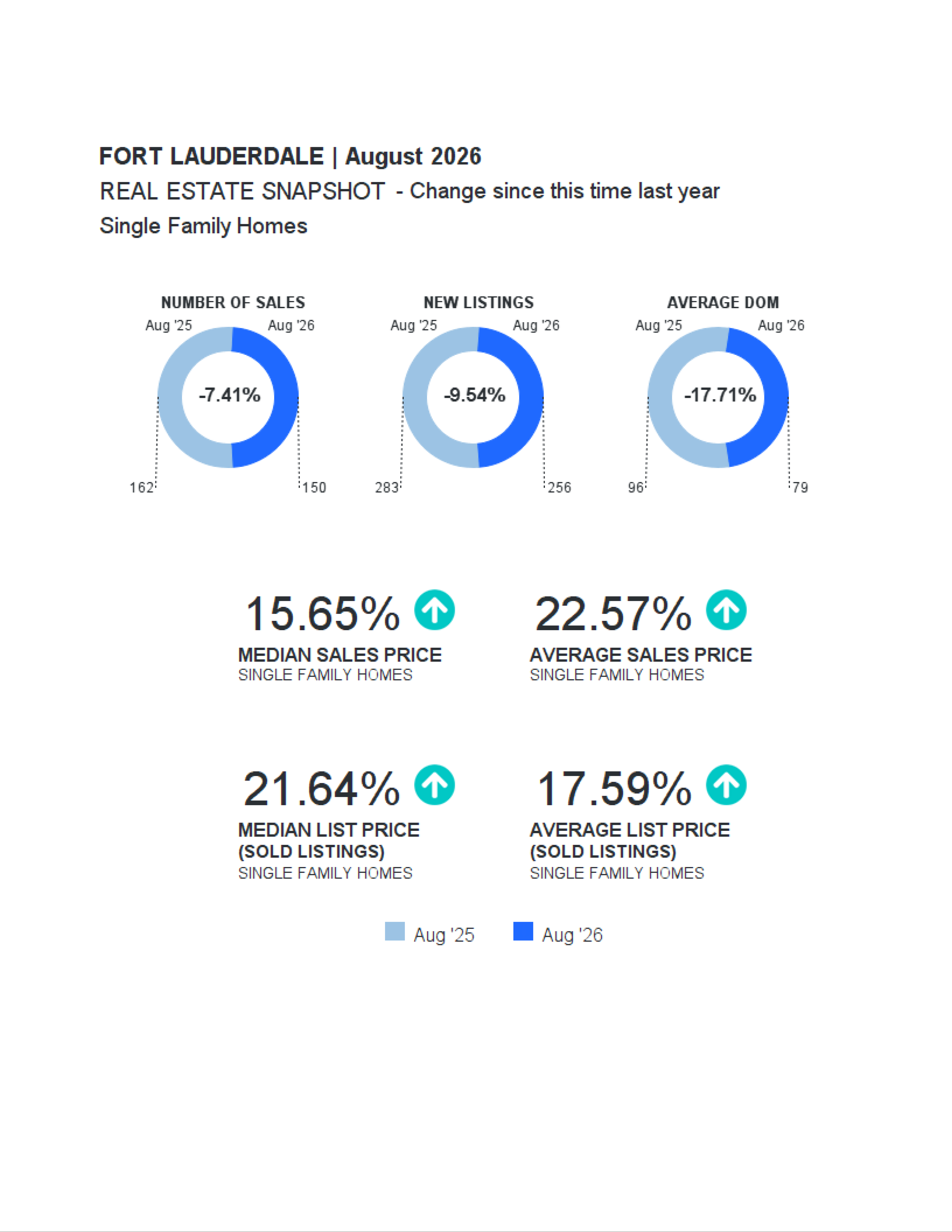
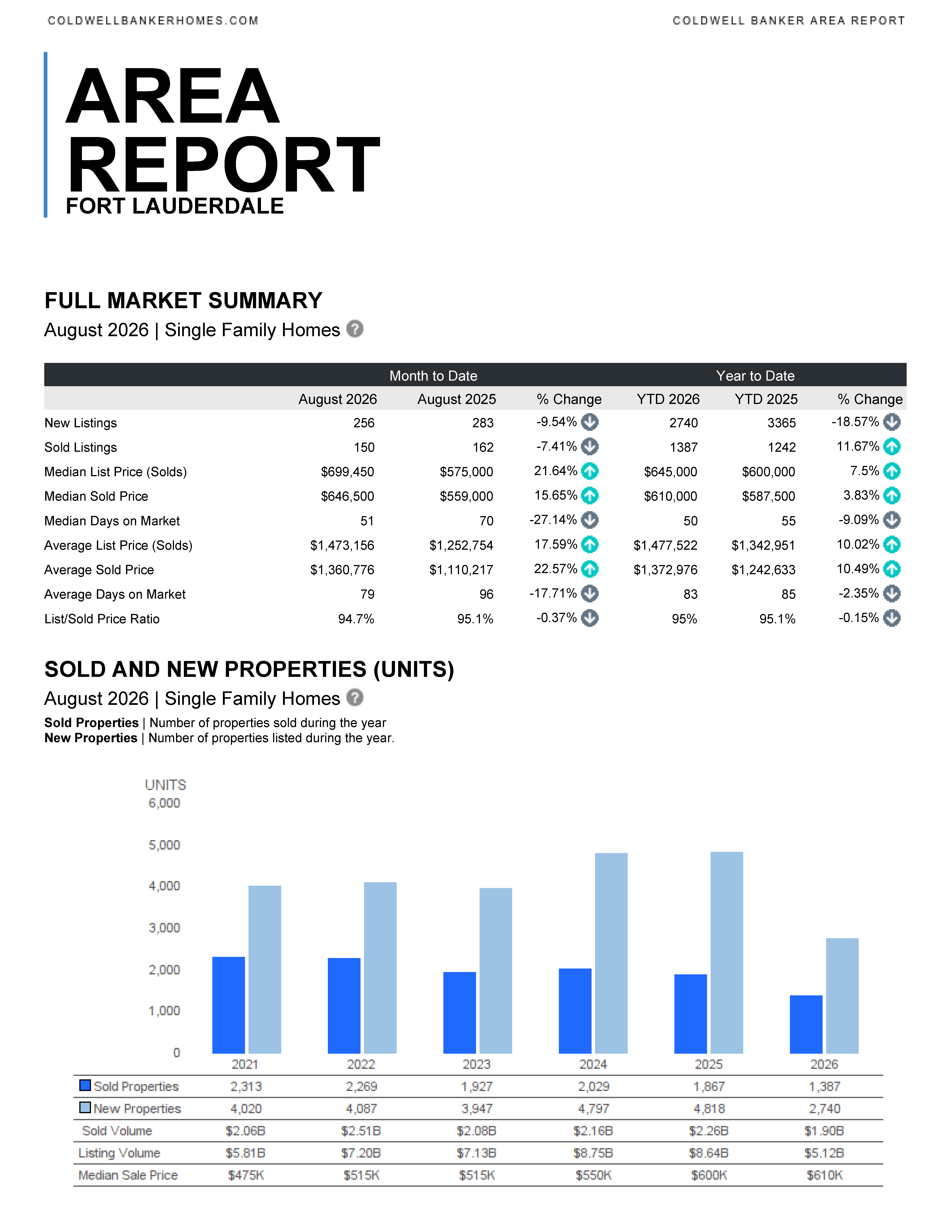
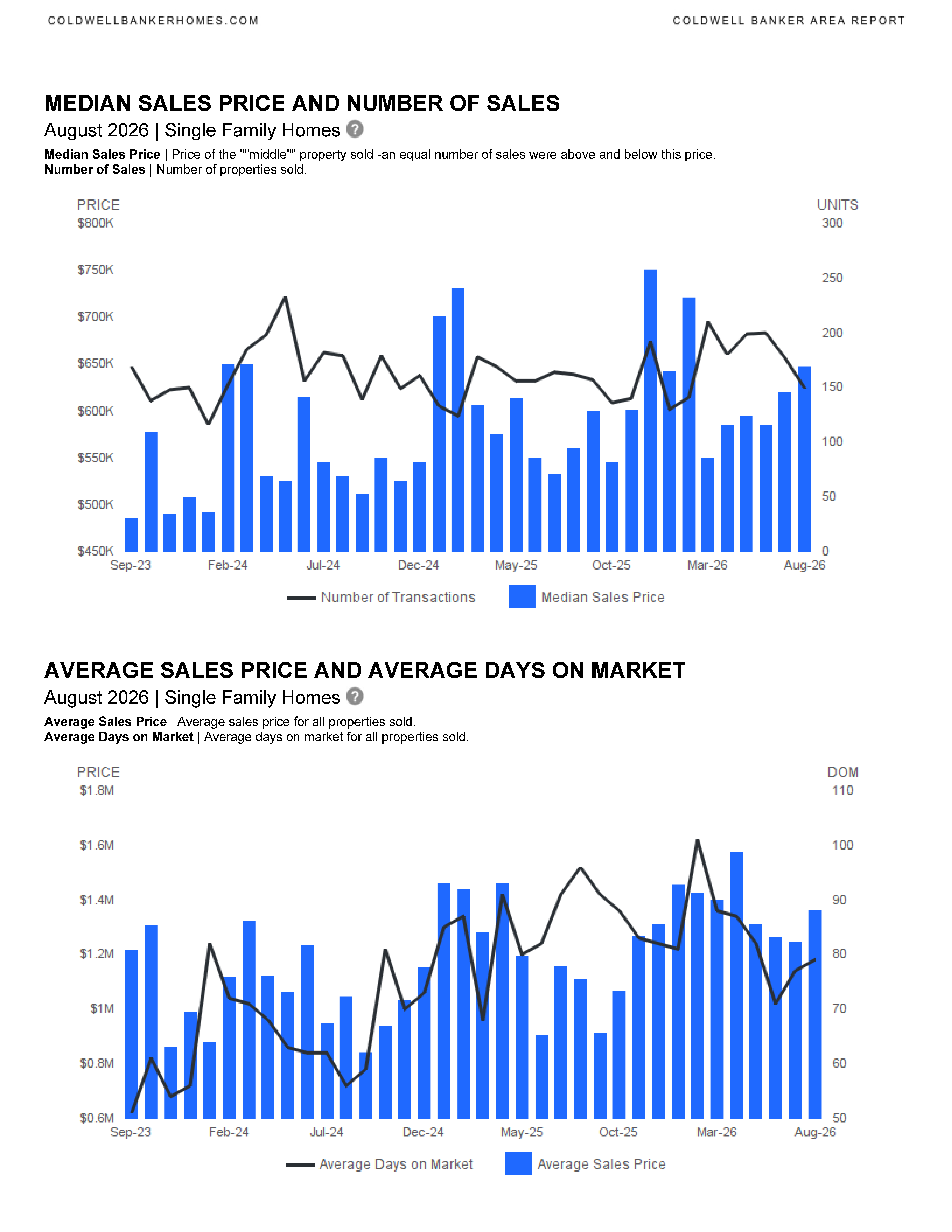
- Home prices continue to rise. The median sold price increased to $646,500, up 15.7% from August 2025.
- The average sold price reached $1.36 million, a 22.6% increase year over year.
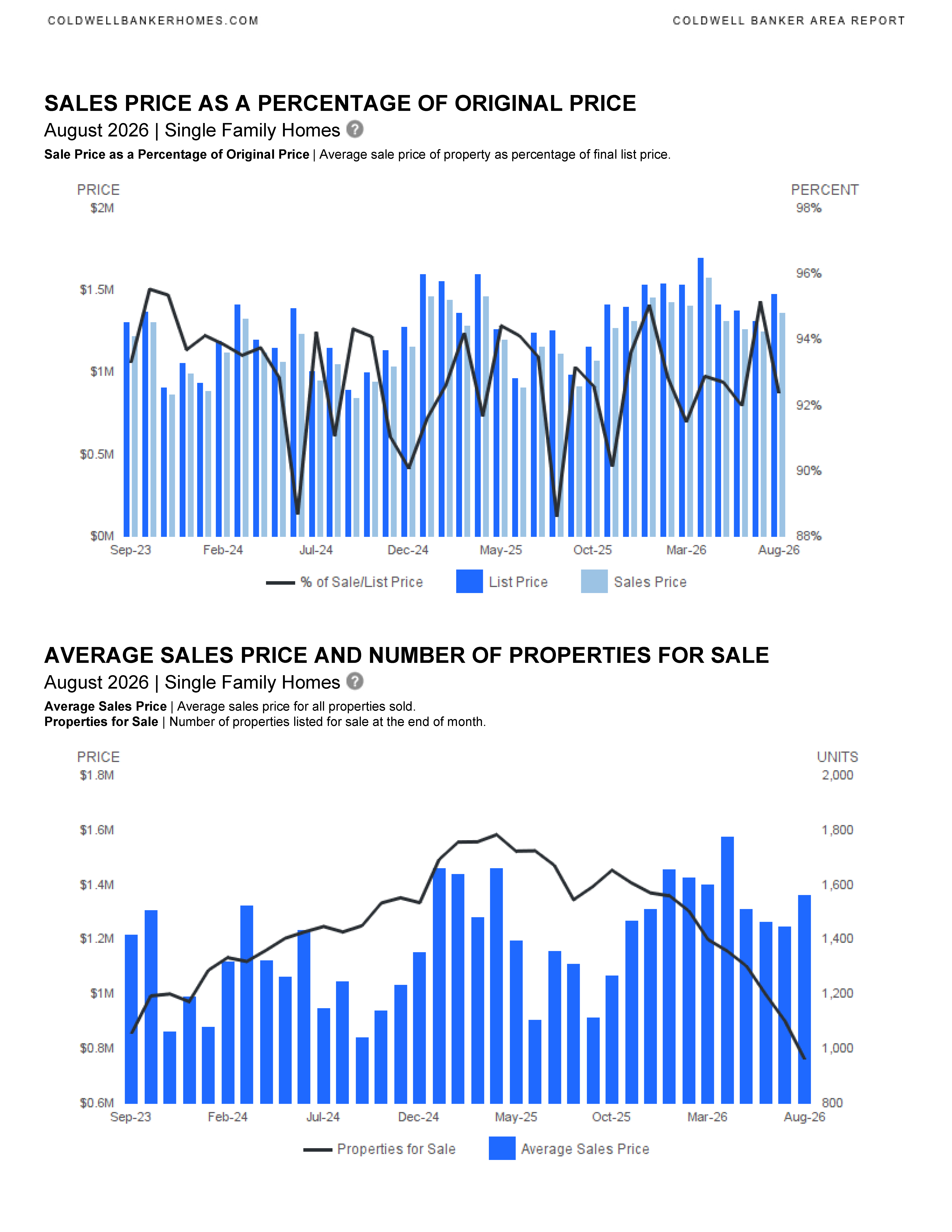
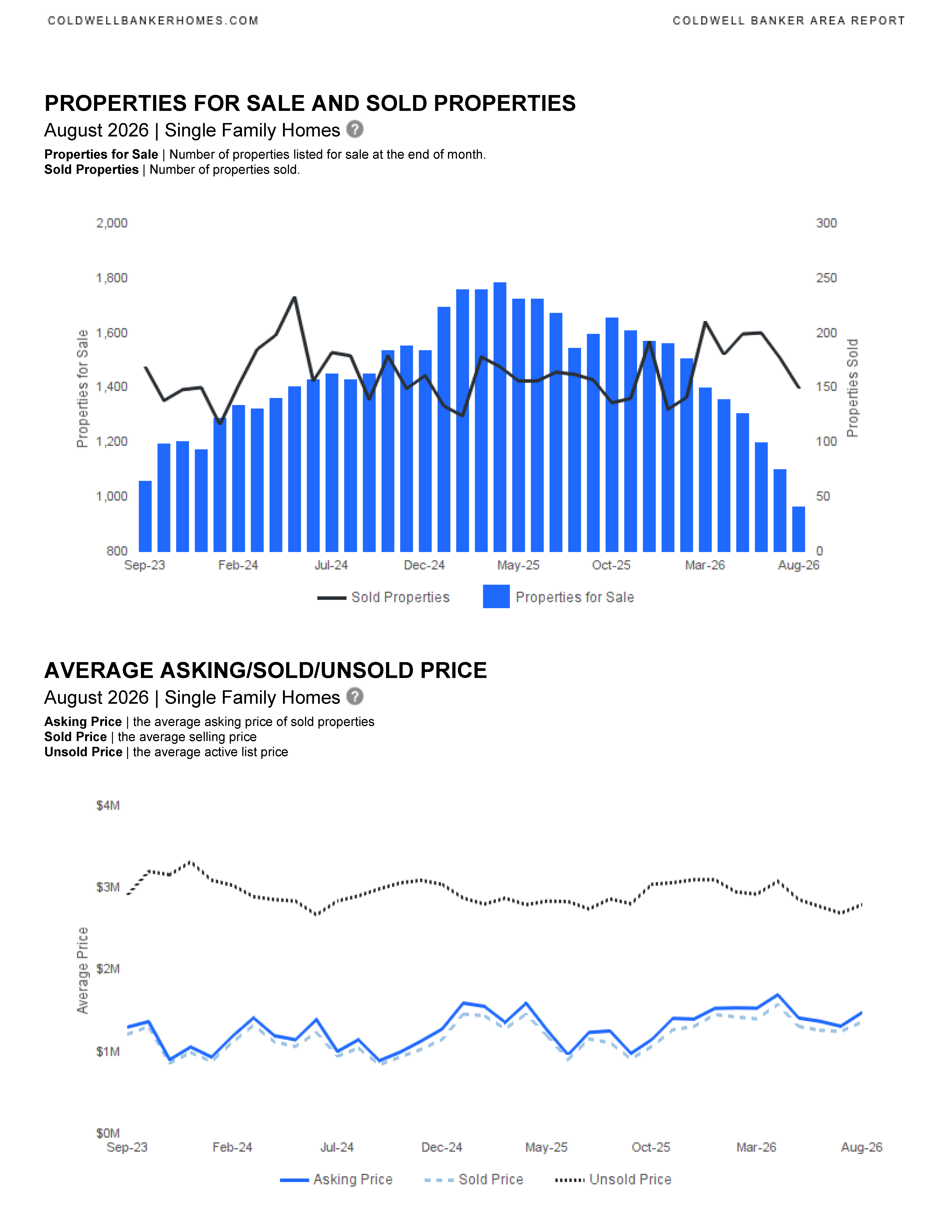
- Fewer homeowners are listing their properties, with new listings down 9.5% from last year.
- Homes are selling faster, averaging 51 days on market, compared to 70 days last year.
What Buyers Should Know
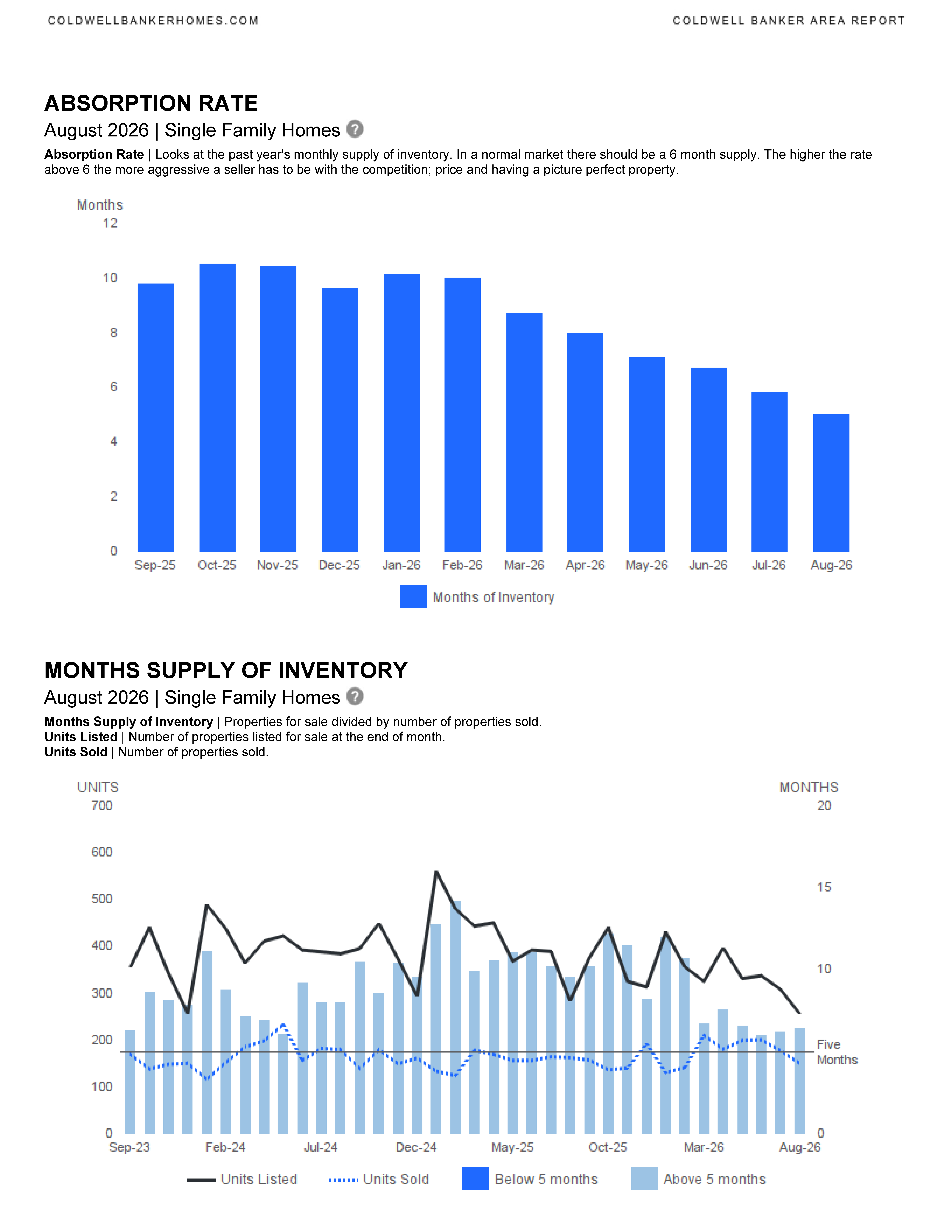
- Inventory has improved compared to recent years, giving buyers more choices.
- Sellers are receiving about 95% of their asking price, meaning there is still some room for negotiation.
- Higher-priced properties continue to drive much of the market activity.
Bottom Line for Single-Family Homes
✅ Prices remain strong
✅ Homes are selling more quickly
✅ Buyers have more opportunities than during the peak seller’s market years
✅ Well-priced homes continue to attract attention quickly
🏙️ Condo & Townhome Market Highlights
What Sellers Should Know
- Condo and townhome prices showed significant growth.
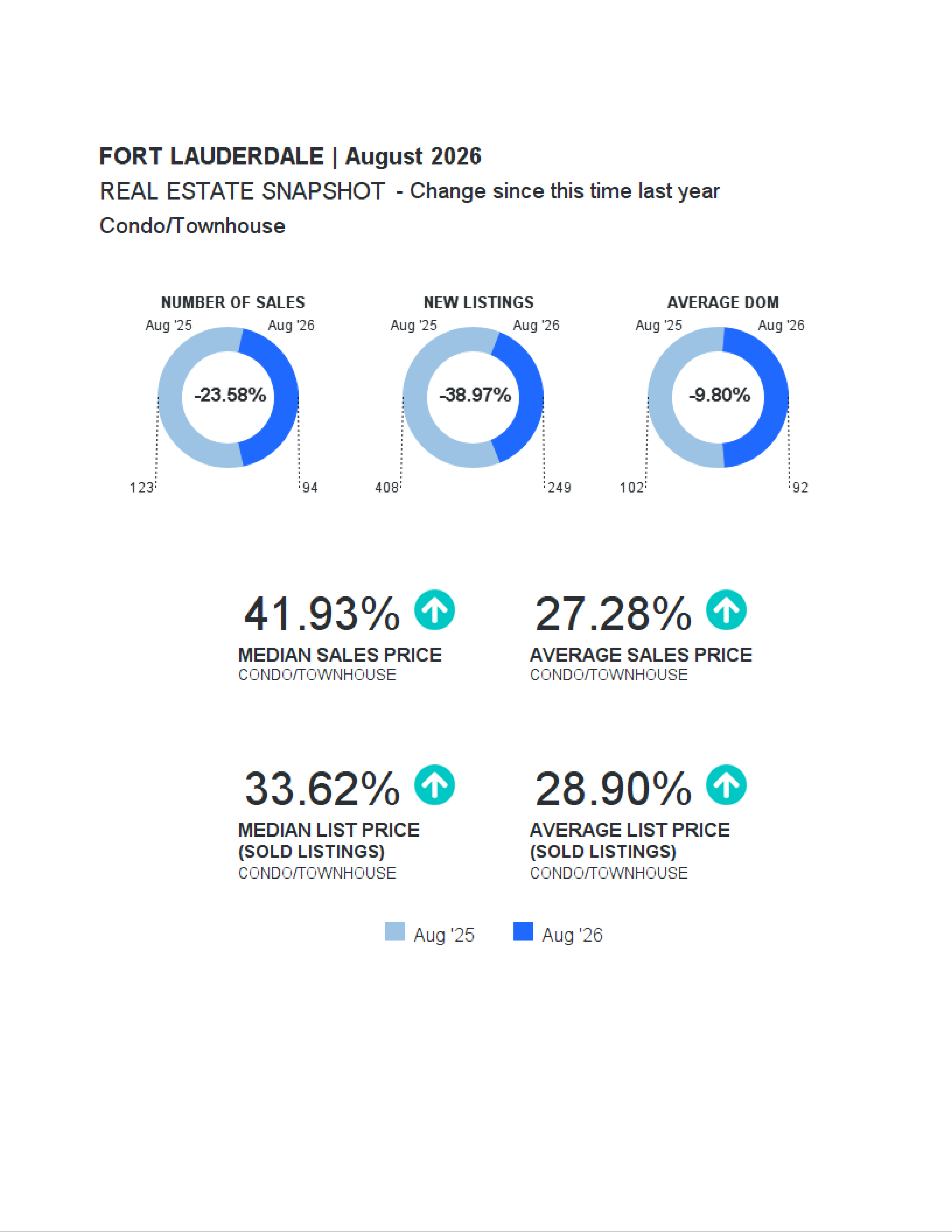
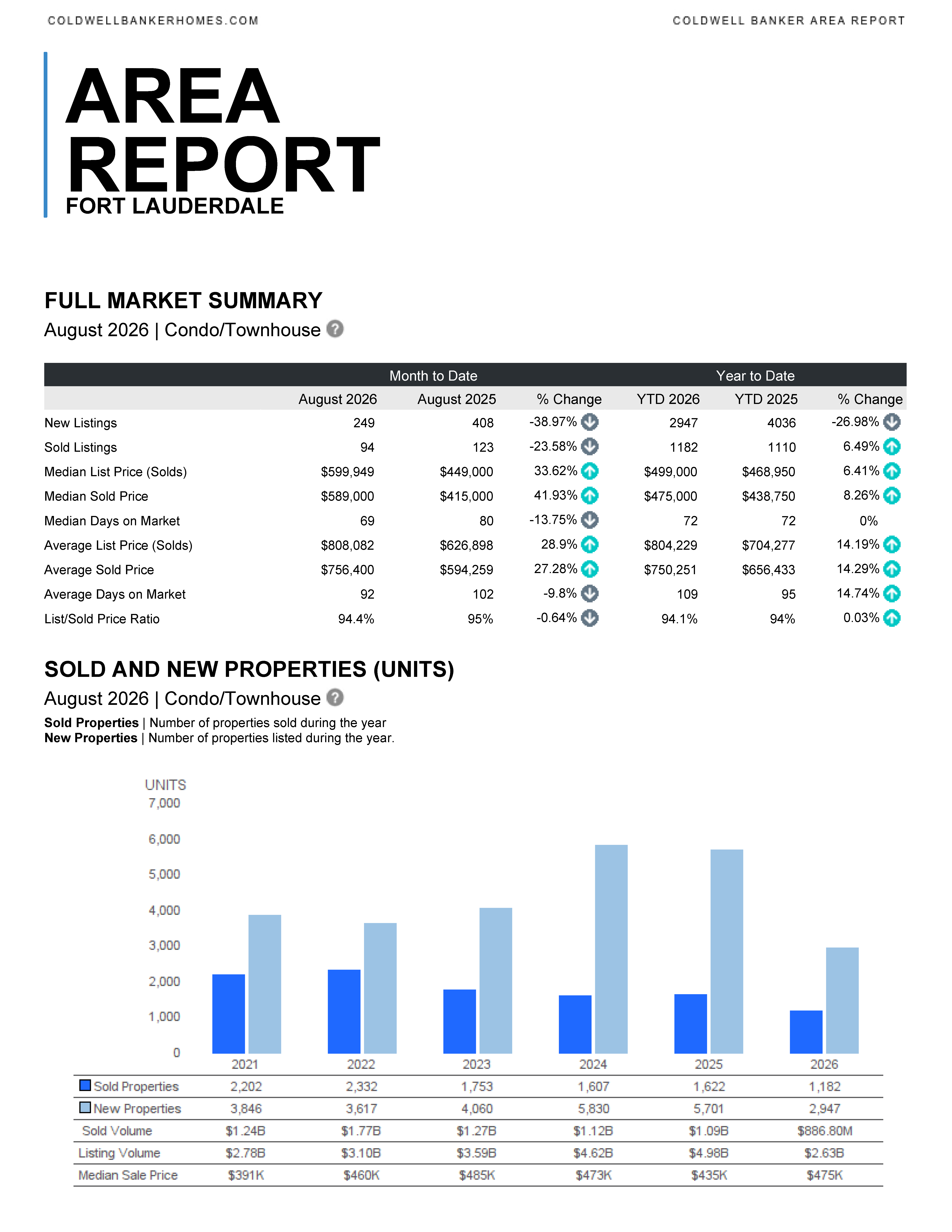
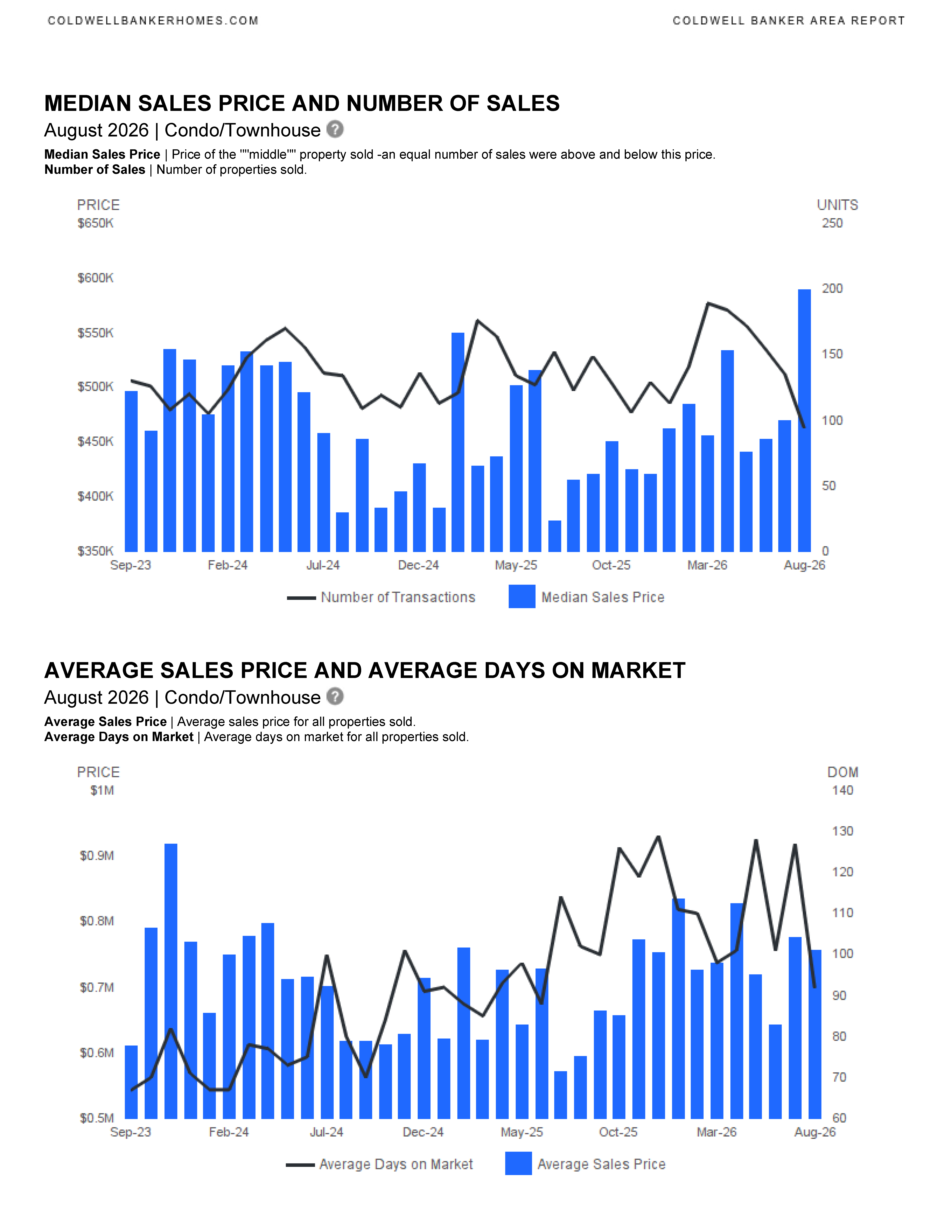
- The median sold price climbed to $589,000, up nearly 42% from a year ago.
- The average sold price increased to $756,400, up 27.3% year over year.
- New listings fell sharply, down almost 39% compared to August 2025.
What Buyers Should Know
- Sales activity slowed, with condo and townhome sales down 23.6% from last year.
- Properties are spending about 69 days on market, giving buyers more time to evaluate options.
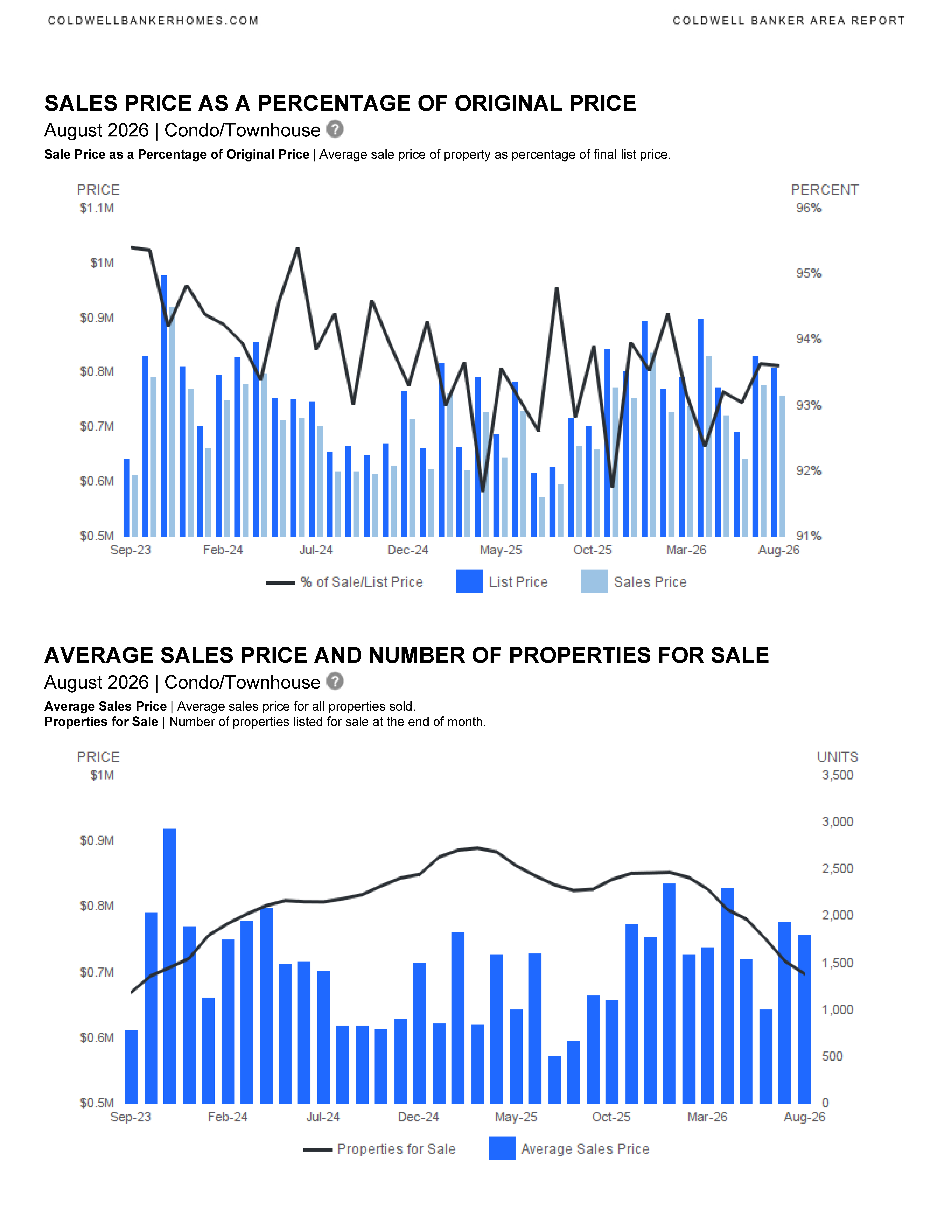
- Sellers typically received about 94% of their asking price, leaving room for negotiations.
Bottom Line for Condos & Townhomes
✅ Prices remain on an upward trend
✅ Buyers have increased negotiating power
✅ Inventory levels offer more selection than in recent years
✅ Sellers need strong pricing and presentation to stand out

📈 Fort Lauderdale Market Takeaway
The Fort Lauderdale real estate market remains resilient. Home values continue to appreciate across both single-family homes and condos, while inventory levels have improved enough to give buyers more options and negotiating leverage. For sellers, realistic pricing and property presentation are becoming more important as buyers have more choices. For buyers, this may be one of the best opportunities we’ve seen in recent years to enter the market while still benefiting from a growing South Florida economy and strong long-term housing demand.
Whether you’re considering buying, selling, investing, or simply curious about your home’s value, staying informed about local market trends can help you make smarter real estate decisions.
Thinking about making a move in Fort Lauderdale? Let’s connect and discuss your options and goals.
CONTACT ANNETTE
Let’s start working together!

Annette Dammeyer, REALTOR®, ABR®, AHWD®
Coldwell Banker Realty
901 E Las Olas Blvd STE 101, Fort Lauderdale, FL 33301
808.747.3686
SL 3535792

How to Know Your Current Home Equity

🌴 How to Know Your Current Home Equity in SE Florida (2026 Guide for Homeowners)
If you’re a homeowner in Fort Lauderdale and surrounding communities, understanding your current home equity is one of the smartest financial steps you can take. Equity is simply the portion of your home you truly own, and in SE Florida’s fast‑moving coastal market, it can shift more quickly than many people realize.
Here’s how to calculate it — and why working with a local real estate professional gives you the most accurate picture.
-
Start With Your Home’s True Market Value
Your home’s current value is the foundation of your equity. While online estimates can be a starting point, they often miss the nuances that matter most in SE Florida, such as:
- Waterfront premiums and canal access
- Impact windows, roof age, and insurance‑friendly upgrades
- Neighborhood micro‑trends within 0.25 miles
- Condo reserve strength and milestone inspection status
- Local development (Dania Pointe, Brightline expansion, new parks)
- Seasonal buyer demand and relocation patterns
This is where a local real estate agent becomes invaluable. An experienced SE Florida agent understands how these factors influence value street‑by‑street — something algorithms simply cannot do. A professional CMA (Comparative Market Analysis) reflects real buyer behavior, real neighborhood trends, and real market conditions.
-
Subtract Your Current Loan Balances
Once you know your home’s true market value, subtract:
- Your remaining mortgage principal
- Any HELOCs or second mortgages
- Any solar or improvement loans tied to the property
Your lender’s portal will show your exact payoff amount.
-
Consider SE Florida‑Specific Equity Factors
Our region has unique variables that directly affect equity:
- Insurance requirements — newer roofs, impact windows, and updated systems increase value
- Flood zone changes — Risk Rating 2.0 impacts desirability and premiums
- Waterfront infrastructure — seawall condition, dock permits, and canal depth matter
- HOA/condo reserves — strong reserves boost value; deferred maintenance lowers it
- Local revitalization — walkability improvements and new businesses raise neighborhood equity
A local agent tracks these shifts in real time, ensuring your equity estimate reflects today’s realities — not outdated data.
-
The Simple Formula
Once you have your numbers:
Current Market Value – Total Loan Balances = Your Home Equity
Example: If your home is worth $750,000 and you owe $310,000, your equity is $440,000.
🌺 Why a Local Agent Gives You the Most Accurate Equity Picture
Equity isn’t just a number — it’s a reflection of your home’s position in the current market. A seasoned SE Florida agent:
- Knows how buyers value specific upgrades
- Understands neighborhood micro‑trends
- Accounts for insurance and inspection realities
- Recognizes lifestyle-driven demand (walkability, waterfront access, outdoor living)
- Provides a personalized valuation rooted in real data, not generic algorithms
This ensures you’re making decisions based on true equity, not guesswork.
🌞 Smart Ways to Use Your Home Equity
If you’re considering tapping into your equity, the wisest uses are those that strengthen your financial stability or improve your lifestyle. Many SE Florida homeowners use equity to:
- Upgrade roofs, windows, or systems to reduce insurance costs
- Renovate kitchens, baths, or outdoor spaces
- Consolidate high‑interest debt
- Purchase a second home or investment property
- Downsize into a simpler, low‑maintenance lifestyle
As your local SE Florida real estate resource, I’m here to help you understand exactly where your equity stands — with real data, neighborhood insight, and the kind of street‑level expertise no online estimate can match. If you’re ready for a personalized equity check or want to explore what your equity could unlock in today’s market, reach out anytime. Your home’s next chapter starts with clarity, confidence, and a trusted local expert by your side. 🌴✨
CONTACT ANNETTE
Let’s start working together!
Annette Dammeyer, REALTOR®, ABR®, AHWD®
Coldwell Banker Realty
901 E Las Olas Blvd STE 101, Fort Lauderdale, FL 33301
808.747.3686
SL 3535792
Homeowner Flood Guide: Broward County

Understanding Flooding in Southeast Florida: What Fort Lauderdale and Surrounding Homeowners Need to Know (2026 Guide)
Flooding has always been part of life in Southeast Florida—but recent climate shifts, updated FEMA flood maps, and major changes to flood insurance are now reshaping what it means to own a home here. Whether you’re a long‑time local or a recent transplant to Fort Lauderdale, understanding your flood risk and insurance options is essential for protecting your home and financial security.
This guide brings together the latest information on flooding concerns, insurance changes, FEMA map updates, and how to find your flood zone, along with links to official tools and local contacts.
1. Why Flooding Is Getting Worse in Southeast Florida
Compound Flooding Is Now the New Normal
A groundbreaking Broward County study revealed that flooding in our region is no longer caused by rainfall alone. Today, rainfall, rising seas, king tides, and even groundwater rising from below combine to create compound flooding—leading to more widespread and frequent water intrusion in neighborhoods that previously stayed dry.
Many drainage canals—some more than 80 years old—can no longer drain effectively during high tides, causing backups inland and making even light rainstorms more disruptive.
Aging Infrastructure Is Falling Behind
South Florida’s flood control system was designed decades ago to manage 7–12 inches of rain in 24 hours—conditions that no longer reflect today’s climate realities. Annual flood risk in vulnerable areas has increased from under 4% to over 20%, meaning homeowners face significantly higher odds of experiencing flooding each year.
2. How Flooding Affects Fort Lauderdale Homeowners
Flooding impacts more than just the structure—it affects your home’s value, insurance costs, and long‑term financial stability.
Common Types of Damage
- Foundation cracking and settlement
- Electrical and HVAC system failure
- Mold growth from prolonged moisture
- Damage to pools, landscaping, and seawalls
- Repeated standing water affecting driveways and garages
Even neighborhoods on “high ground” have reported rising groundwater flooding, especially after large storms.
3. Flood Insurance in 2026: What’s Changed
Risk Rating 2.0: FEMA’s New Pricing Model
Flood insurance pricing is no longer dictated solely by flood zones. Under Risk Rating 2.0, premiums now reflect a property’s individual flood risk based on:
- Distance to water
- First‑floor elevation
- Flood frequency and severity
- Cost to rebuild
While some homeowners have seen premiums decrease, others—particularly in coastal or high-value areas—are experiencing annual increases of up to 18% (the legal cap).
NFIP (National Flood Insurance Program) Highlights for Florida
- Roughly two-thirds of older pre‑FIRM (Flood Insurance Rate Maps) homes see some premium decrease.
- Higher‑value homes or homes near tidal waters tend to see increases.
Growing Popularity of Private Flood Insurance
Private insurers can sometimes offer:
- Higher coverage limits
- Additional living expense coverage
- More flexible pricing
For many Fort Lauderdale homes—especially condos and waterfront properties—private flood insurance is now worth comparing.
3A. Understanding Flood Insurance: “Seeping” vs. Water Damage
Flood insurance can feel confusing, especially when terms like “water damage,” “seepage,” “intrusion,” or “flood loss” are used interchangeably. Here’s a clear, homeowner‑friendly explanation of how these concepts usually play out in policies:
What Flood Insurance Typically Covers
Flood insurance—whether through the National Flood Insurance Program (NFIP) or a private insurer—is designed primarily to protect you from sudden, temporary, external flooding events, such as:
- Water rising from outside the home
- Street or neighborhood flooding after heavy rainfall
- Canal, lake, or Intracoastal overflow
- King tides and storm surge pushing water inland
In short: flood insurance focuses on unexpected flooding caused by natural events, not long‑term maintenance issues.
What “Seepage” Usually Means
“Seepage” (also called gradual intrusion or slow water penetration) refers to moisture that enters over time—for example:
- Water wicking through foundation cracks
- Dampness around windows/doors due to aging seals
- Groundwater slowly migrating into slabs, garages, or crawlspaces
- Humidity/condensation‑related moisture
Most policies treat slow seepage as a maintenance issue, which is generally not covered—either by standard homeowners insurance or by flood insurance.
Flood Damage vs. Seepage: The Key Difference
- ✔️ Flood damage (often covered): A sudden event with a definable cause (e.g., a storm, surge, or rapid accumulation) that affects the area around you—not just your home.
- ❌ Seepage (often excluded): A gradual process linked to property condition or site drainage, not a single, sudden weather event.
Why This Matters in Southeast Florida
Because our region features high groundwater and porous limestone, homes may experience both sudden flooding and slow moisture intrusion. Knowing the difference helps you:
- Ask the right questions when buying or renewing coverage
- Avoid claim surprises tied to “gradual damage” exclusions
- Target maintenance (grading, sealing, drainage) that reduces moisture risks
Practical Steps to Reduce Seepage Risks
- Reseal windows/doors and repair stucco or slab cracks
- Maintain gutters and extend downspouts away from the foundation
- Regrade soil to slope away from the house
- Consider French drains, sump pumps, vapor barriers, or waterproof membranes
Pro tip: Document your maintenance (photos/receipts). Good records can support your claim when a sudden flood event does occur.
(Note: Policy terms vary. Always review your declarations and endorsements with a licensed agent for specifics.)
4. FEMA Flood Map Updates: Broward County & Fort Lauderdale
New FEMA Maps Effective July 31, 2024
Broward County residents are now subject to updated Flood Insurance Rate Maps (FIRMs), which expanded the Special Flood Hazard Areas (SFHAs) and adjusted many Base Flood Elevations (BFEs).
In Hollywood alone, over 11,000 properties were newly placed into high‑risk zones, requiring flood insurance for federally backed mortgages and mandating higher construction elevations.
What This Means for You
If your home’s zone changed, you may now:
- Be required to carry flood insurance
- Face higher premiums
- Need elevation documentation for remodeling or rebuilding
Checking your updated zone is crucial (see links below).
5. How to Find Your Flood Zone (Step‑By‑Step)
Below are the official, most accurate tools available to Broward County and Fort Lauderdale homeowners.
A. Fort Lauderdale GIS Flood Zone App (City Tool)
This is one of the best local tools for residents:
👉 https://www.fortlauderdale.gov/government/departments-a-h/development-services/building-services/flood/flood-risk-information
Use it to:
- Look up flood zones by address
- View local SFHAs
- Download zone information for insurance or permitting
B. Broward County Flood Zone Map (County Tool)
For countywide 2024 FEMA maps:
👉 https://www.broward.org/Environment/FloodZoneMaps/Pages/Default.aspx
Includes:
- Updated maps effective July 31, 2024
- Contact information for your Community Floodplain Manager
C. FEMA Flood Map Service Center (National Tool)
Use FEMA’s official link to search your exact address:
👉 https://msc.fema.gov/portal/search
This is the definitive source lenders use for mortgage requirements.
D. Broward County FEMA 2024 Interactive Map (Experience Builder App)
Offers parcel‑specific BFEs and legacy/comparison maps:
👉 https://experience.arcgis.com/experience/8dfc61c972e148f8b12953ddffe299c9/
6. Who to Contact for Help (Local & Federal)
Fort Lauderdale Floodplain Group
Email: PCardenas@FortLauderdale.gov
Great for:
- Flood zone questions
- Elevation certificates
- Flood risk reports
Broward County Community Floodplain Manager
Found via the county’s flood map site:
👉 https://www.broward.org/Environment/FloodZoneMaps/Pages/Default.aspx
FEMA Mapping & Insurance Exchange
Phone: 1‑877‑336‑2627
Email: FEMAMapSpecialist@riskmapcds.com
Your Local Insurance Agent
Ideal for comparing NFIP vs. private flood insurance pricing. (I have excellent referrals if needed.)
7. How to Prepare Your Home for Flooding
Elevate Utilities & Equipment
FEMA now recommends (and some insurers require) that HVAC units, electrical panels, and batteries be elevated at least one foot above the BFE (Base Flood Elevation).
Improve Drainage
- Keep gutters and downspouts clear
- Install French drains or sump pumps
- Ensure grading slopes away from the home
Use Flood‑Resistant Materials
Especially during renovations—this can reduce your claim risk and insurance costs.
Store Documents Safely
Keep insurance documents and IDs in waterproof containers or digital cloud storage.
8. Final Thoughts for Our SE Florida Community
Flooding in Southeast Florida is evolving quickly—but with the right information, preparation, and insurance strategy, homeowners can stay ahead of the risk. Understanding your flood zone, reviewing updated FEMA maps, and comparing insurance options are some of the most important steps you can take to protect your home and your long-term financial stability.
As a local experienced real estate professional, my goal is to empower our community with the knowledge we all need to protect our homes, our investments, and our peace of mind. Flooding is a growing reality in Southeast Florida, but staying informed puts you one step ahead. I’m always here to help—whether you’d like guidance understanding your flood zone, need trusted resources, or want to explore how these changes may affect your property. Please feel free to reach out anytime; it would be my pleasure to support you and our beautiful coastal community.
CONTACT ANNETTE
Let’s start working together!
Annette Dammeyer, REALTOR®, ABR®, AHWD®
Coldwell Banker Realty
901 E Las Olas Blvd STE 101, Fort Lauderdale, FL 33301
808.747.3686
SL 3535792
Confused About Your “Home Equity”?
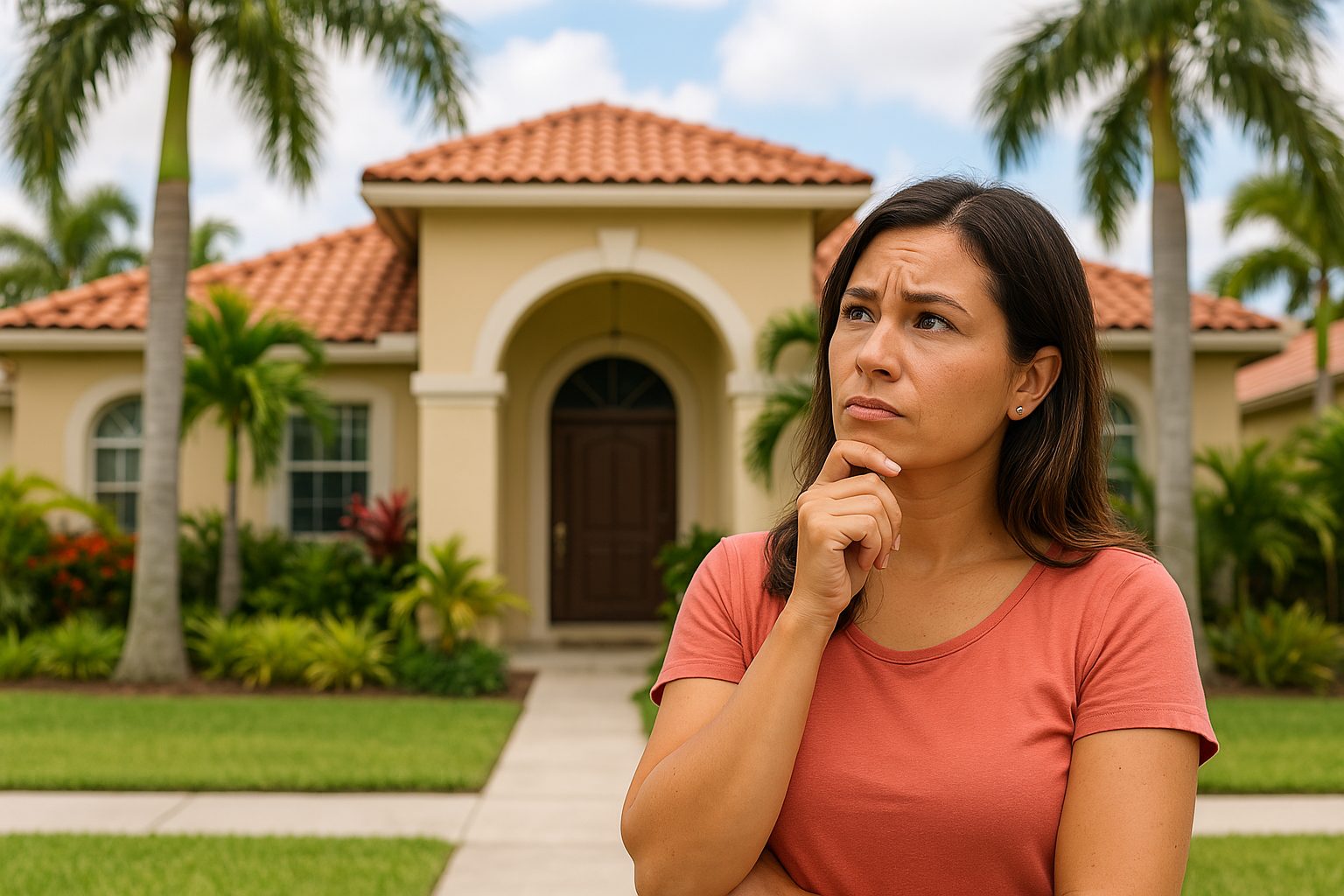
Your Home Equity: What Every SE Florida Homeowner Needs to Know
Understanding Home Equity in Simple Terms
Home equity is the portion of your home that you truly own—think of it as the difference between your home’s current market value and what you still owe on your mortgage. For example, if your home is worth $500,000 and you owe $300,000, you have $200,000 in equity.
Equity builds over time as you pay down your mortgage and as your home’s value appreciates. In SE Florida, where property values can fluctuate based on demand, location, and local market conditions, understanding your equity is crucial for making smart financial decisions.
Factors That Impact Your Home Equity
Several key factors influence equity:
- Home Value – Your property’s worth is determined by market trends, location, and home improvements. Regularly monitoring your home’s value helps you understand how much equity you have.
- Mortgage Payments – Each monthly payment increases your equity by reducing the outstanding loan balance.
- APR (Annual Percentage Rate) – APR refers to the total cost of your mortgage, including interest rates and fees. A lower APR means you’re paying less over time, helping you build equity faster.
- Market Conditions – SE Florida’s real estate market can see rapid changes, influenced by local demand, tourism, and economic shifts. These conditions directly affect your home’s value.
- Home Improvements – Strategic upgrades like kitchen renovations or landscaping can boost your home’s value, increasing equity.
Why Home Equity Matters
Your home equity gives you financial leverage. Whether you’re considering selling, refinancing, or borrowing against it, knowing where you stand can help you make informed decisions.
Get Your Personalized Home Equity Analysis
Want to know exactly how much equity you have in your home? I offer comparative market analyses to give you a clear picture of your home’s value in today’s SE Florida market. Reach out today to get your personalized report and expert insights on maximizing your investment!
CONTACT ANNETTE
Let’s start working together!
Annette Dammeyer, REALTOR®, ABR®, AHWD®
Coldwell Banker Realty
901 E Las Olas Blvd STE 101, Fort Lauderdale, FL 33301
808.747.3686
SL 3535792
It is Organize Your Home Day!!

Happy Organize Your Home Day! Declutter, refresh, and get ready to make your space shine. Here are 5 expert tips to help you create a home you love!
Top 5 Ways to Organize Your Home: Tips from Your Trusted Real Estate Agent
Did you know January 14th is Organize Your Home Day? Whether you’re getting ready to list your home, have recently moved in, or just want to enjoy a more harmonious space, organizing is the perfect way to start the year fresh. As a real estate agent, I’ve seen firsthand how a well-organized home not only looks better but also feels better. Let’s dive into my top 5 tips for organizing your home, making it a more welcoming and functional space.
1. Declutter First, Organize Second You can’t organize clutter. Start by assessing what you truly need and love in each room. Donate, recycle, or toss items that no longer serve you. A great rule of thumb is the one-year rule: if you haven’t used it in a year, it’s time to let it go.
Pro Tip for Sellers: Decluttering makes your home appear larger and more appealing to buyers. Plus, you’ll have fewer items to pack when you move.
2. Create Zones in Each Space Designate specific areas for different activities or items. For example, in your kitchen, group similar items like baking tools, spices, or snacks together. In living spaces, create zones for entertainment, reading, and relaxation.
Pro Tip for Buyers: When touring homes, look for spaces that can be easily zoned for your needs. This can help you visualize how your belongings will fit.
3. Invest in Storage Solutions Use storage containers, bins, and baskets to keep items organized. Clear bins work wonders for visibility, while decorative baskets add style to shelves and counters. Don’t forget vertical storage options like wall hooks, pegboards, or shelving units.
Pro Tip for Homeowners: Utilize underused spaces like under the bed or high shelves in closets for seasonal items or rarely used belongings.
4. Label Everything Labels bring clarity and consistency to your organization efforts. Whether you’re using a label maker or handwritten tags, clear labeling ensures everyone in the household knows where things belong.
Pro Tip for Families: Labels are especially helpful for kids, encouraging them to tidy up after themselves.
5. Schedule Regular Maintenance Organization isn’t a one-and-done task. Set a routine to revisit and refresh your spaces. Monthly check-ins help keep clutter at bay and ensure everything remains functional and tidy.
Pro Tip for Sellers: Before showings, do a quick walk-through to ensure your organized spaces look pristine and inviting.
Organizing your home not only enhances your daily life but also adds value to your property. Whether you’re staying put, buying, or selling, an organized home is always a step in the right direction.
Happy Organize Your Home Day! — Your trusted real estate partner.
If you’re thinking about selling or need advice on staging your home, I’m here to help. Let’s make your space work for you — and for potential buyers!
CONTACT ANNETTE
Let’s start working together!
Annette Dammeyer, REALTOR®, ABR®, AHWD®
Coldwell Banker Realty
901 E Las Olas Blvd STE 101, Fort Lauderdale, FL 33301
808.747.3686
SL 353579
6 Ways to Increase Your Home’s Value

Boost Your Home’s Value with These 6 Tips!
Clean & Declutter • Enhance Curb Appeal • Fresh Coat of Paint • Kitchen Updates • Energy Efficiency • Home Staging
When selling homes, small changes can make a real impact. Through our RealVitalize® program, you can access Angi’s network of trusted professionals which offers more than 500 types of services nationwide. With no fees or interest, sellers can enhance their home without incurring any upfront costs.*
Contact me today to learn more about this amazing program!
CONTACT ANNETTE
Let’s start working together!

Annette Dammeyer, REALTOR
Coldwell Banker Realty
901 E Las Olas Blvd STE 101, Fort Lauderdale, FL 33301
808.747.3686
SL 353579
“But Zestimate said…?!” AVM and CMA Explained
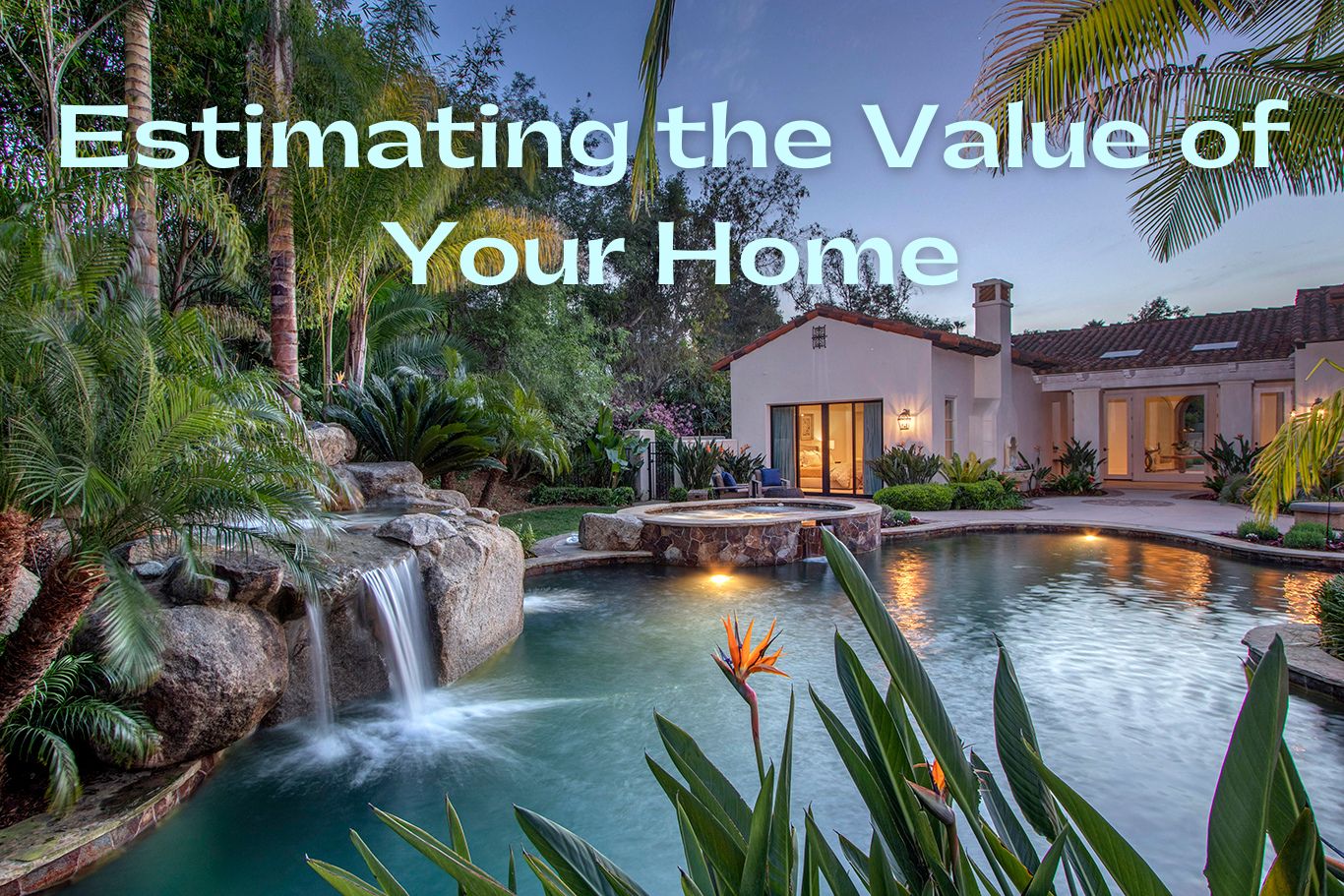
AVM and CMA Explained
How do you get an accurate estimate of the current value of your home, or a property you are interested in purchasing? There are a few ways, two of the most commonly used are the AVM and the CMA. What are these you may ask? You likely see an example of an AVM if you are looking at websites that give an automatic value of a property you have searched or when you are scrolling through homes for sale. If you have had a real estate professional research a property for you, then you may have received a CMA from them.
AVM = Automated Valuation Model
CMA = Comparable Market Analysis

First, let’s discuss the difference between the two.
AVM
AVM, an Automated Valuation Model is a software-based tool that’s used in residential and commercial real estate to determine property value. The service uses mathematical or statistical modeling with a combination of existing databases to determine the value of a particular property. AVM reports are driven by technology, including proprietary algorithms, and can be obtained in seconds by lenders and agents. AVMs use historical data and may not be up to date.
Examples of property data used by an AVM:
- Property size (acreage)
- Home size (square footage)
- The number of rooms (bedrooms, bathrooms, etc.)
- General location (state, city, zip code, and sometimes even neighborhood)
- Property price history
- Property tax valuation history
- Property historical sales information
CMA
CMA, a Comparable Market Analysis is an estimate of a home’s value used to help sellers set listing prices, and to help buyers make competitive offers. Agents and brokers complete CMAs utilizing the list of property data used in AVMs as a starting point, but then research additional information. Agents will look at some very crucial home specific data that can significantly change what an AVM will not take into consideration. These items include:
- Actual current condition of the home. We will take note of the home’s size (particularly the livable space), age, style, construction, condition, layout, finishes, landscaping, and notably upgrades and updates or significant deferred maintenance that can have a considerable impact on the estimated value.
- Neighborhood evaluation including the general quality of the neighborhood. Where are the more attractive blocks? How close are community amenities? How close are community nuisances? What are the HOA rules? How are the schools? Are there any issues with curb appeal?
- Research on the Expired, Sold and Active listings will reflect today’s market, not the market months ago. Agents will see what homes did not sell at a price point and how long before they sat on the MLS before they expired. Just sold properties are available and up to date for the most current comparables. The active for sale homes will be today’s competition to review, along with the days on market reflecting what the market will bear.
Having a CMA completed by an agent who has local knowledge of the area, the trends and possible city and neighborhood plans is priceless. We can actually drive the neighborhood and physically visit the home and can provide you with a thorough professional estimate. There is no substitute for the human touch and research compiled beyond a mathematical algorithm calculated by just the “averages” in an area.
As an experienced REALTOR®, I can help you with an estimated value for your home, or the property you are considering buying. I will diligently research and compile property-specific details applying the principles of substitution and adjustments with the most comparable properties to your desired property. An AVM may be “instant” with the click of a button on an online website, but a CMA will empower you to make the most informed decisions on pricing your property.
Take the guessing out of “what is my home worth?” and call me today. I am here to help.

Annette Dammeyer, REALTOR®
Coldwell Banker Realty
808.747.3686
SL 3535792