Facebook
 X
X
 Pinterest
 Copy Link
Home Selling Marketing Strategy

A successful sale requires a successful plan.
Proven. Powerful. Personal.
The market in SE Florida is shifting. Inventory is rising, days on market are stretching and properties now require strategic, aggressive marketing to stand out. If you are considering selling, representation by a knowledgeable, proactive professional is essential. Part of my marketing plan for selling homes is covered in the video below, but each home is unique and we can discuss what marketing resources would achieve the maximum exposure and create buyer excitement for your property.
📊 Big Picture Trends (Miami‑Dade, Broward & Palm Beach)
✅ Inventory Is Up
- Inventory has increased across South Florida, especially in Broward County, giving buyers more choices and negotiating power.
- Fort Lauderdale has seen 6–10 months of supply, depending on the price point—well above the seller‑market levels of 2021–2022.
✅ Prices Have Leveled, Not Collapsed
- After rapid pandemic‑era growth, prices have softened or flattened, particularly for condos and older properties.
- Well‑located, updated single‑family homes remain in strong demand, especially east of I‑95 and near downtown or waterfront areas.
✅ Buyers Are Cautious—but Active
- Sales volume is lower than peak years, but motivated buyers are still closing when homes are priced correctly.
- Mortgage rates have eased from their highs, hovering around the low‑to‑mid 6% range, which has brought some buyers off the sidelines.
🏡 Fort Lauderdale & Broward County Specifically
⏳ Homes Take Longer to Sell
- Average days on market in Fort Lauderdale are now 60–110 days, compared to under 30 days during the frenzy years.
💰 Pricing Matters More Than Ever
- Most homes are selling at 95% or less of list price unless perfectly positioned.
- Overpricing is the #1 reason listings expire in today’s market.
🏗️ Condos vs. Single‑Family Homes
- Condo market: Softer due to insurance costs, HOA fees, and post‑Surfside regulations, though activity has shown signs of stabilizing.
- Single‑family homes: Still relatively strong, especially move‑in‑ready homes with impact windows, newer roofs, and no HOA.
🔮 Outlook for 2026
- Experts expect modest price movement—neither a crash nor a boom.
- Demand remains underpinned by:
- Continued out‑of‑state migration
- No state income tax
- Lifestyle appeal (beaches, airports, remote work flexibility)
The market rewards prepared sellers and informed buyers.
If you are ready to market and sell your property, let’s make an appointment to discuss how to get it listed and sold. I am committed to my clients. Contact me if you are looking for a dedicated agent who will:
CONTACT ANNETTE
Let’s start working together!

Annette Dammeyer, REALTOR®, ABR®, AHWD®
Coldwell Banker Realty
901 E Las Olas Blvd STE 101, Fort Lauderdale, FL 33301
808.747.3686
SL 3535792
Boater’s Tips for Buying Waterfront Property
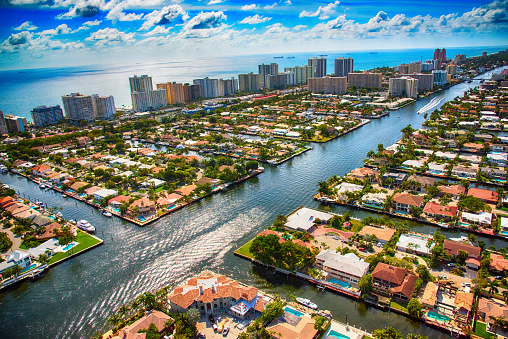
Helpful Information for Boaters Purchasing Waterfront Homes in SE Florida
It’s no wonder that Florida attracts people from all over to enjoy the endless opportunities Florida has over 1,500 miles of coastline and over 3,000 inland waterways, providing saltwater and freshwater recreation opportunities like kayaking, canoeing, sailing and watersports. It’s no surprise that it’s the boating capital of the world. If you are ready to make that Sunshine State dream come true and buy a waterfront home, there are some important items to keep in mind to ensure the enjoyment of your property for years to come.
Location and Type of Waterfront Properties- What Fits Your Needs?
-
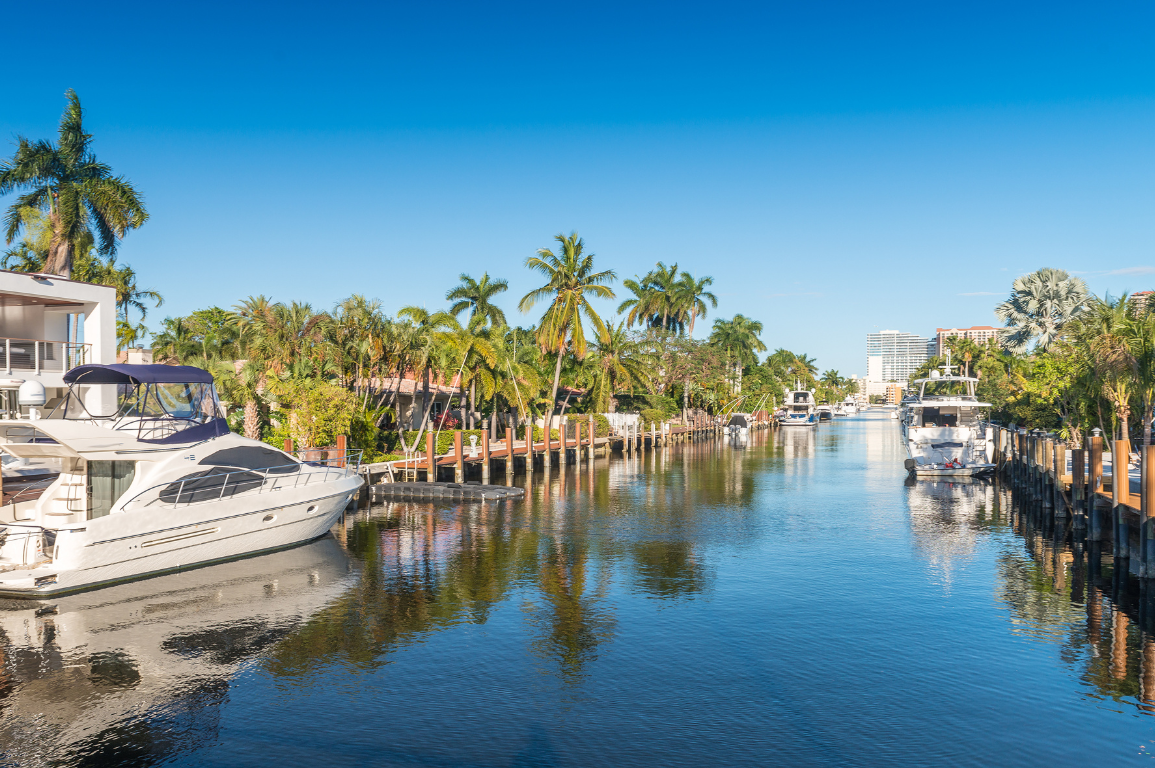
- The location you choose will determine price, utility and ultimately the resale value, if you choose to sell in the future. What kind of boating do you do? Do you need quick ocean access for the early morning fishing runs or do you enjoy leisurely cruises along popular canals to dock at your favorite Las Olas restaurant, or maybe you want live near a water sports zone for some wake boarding or jet skiing?
- Types of waterfront properties. Single family homes, condominiums and townhomes are all options, each with their own benefits. Most ocean front properties are generally not practical for boaters so a consideration may be living in a condo right on the ocean while renting a boat slip at a nearby marina.
- Know your boating needs including water depth, canal width and water access. Will low tide be too shallow for your size of vessel? Can you navigate under fixed bridges at high tide or do you need ocean access with no fixed bridges?
- Always consider the land property as you would any other traditional home purchase. Does the home check off the items in your “must have list”? Always consider your future needs. Is a bigger boat in the future? You may have a Boston Whaler 27 center console, but if an Azimut Fly 50 is in your plans, you may need more footage in your dock slip.
Seawall Integrity – #1 Priority
-
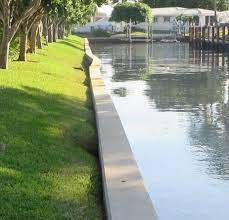
- Almost all of the waterfront properties in South Florida (canal-front, bay-front, riverfront) are protected by seawalls which were installed by the original developer or a marine contractor. Many of the original seawalls in South Florida are nearing the end of their useful lives or have been replaced.
- Historically, types of seawalls have included treated timber, concrete, steel, aluminum, coquina rock, concrete bags, and even asbestos sheeting. Vinyl and composite sheet pile is replacing these materials, owing to their low costs and tremendous longevity and safety.
- Be aware that the State of Florida has regulations specific to each of the districts that control construction near or on the water. The homeowner is obligated to contact the applicable district office and be aware of the limits and restrictions in their particular county. In most cases, permits are necessary for construction and can be handled by the chosen contractor.
- Waterfront home buyers need to know the importance of seawall inspections in South Florida. It is a crucial part of a home inspection that a buyer should have completed prior to closing the transaction. Seawalls are the most important part of a waterfront lot. The seawall is a wall or embankment that keeps the land from eroding into the ocean. Homeowners are responsible for maintaining their seawall in good repair and ensuring that their property is not the source of flooding into their neighborhoods. A seawall is considered to be in disrepair if it is substantially cracked, leaning, crumbling or showing evidence of upland erosion. In addition, the seawall should not allow tidal waters to flow through or over it, especially into adjacent properties or the public Right-of-Way.
-
What are the new seawall regulations in Florida?The ordinance addresses resiliency standards for tidal flood protection by raising the minimum height of seawalls and tidal barriers to comply with standards established by Broward County. The new standard of compliance is 5 feet NAVD, up from 3.9 feet NAVD (North American Vertical Datum)
Docks – Where You Park Your Big Toys
-
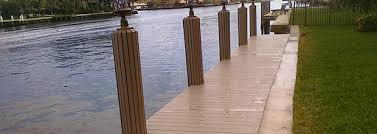
- When considering the purchase of a home or lot located on the water, it is strongly recommended that potential buyers have the boat dock evaluated by an inspector or contractor specializing in marine construction before buying.
- Determine the type of dock you have. Wood pile, Concrete pile, Deck Materials: Wood, Composite, Concrete.
- Inspect the dock components, including but not limited to, the deck, the pilings, the joists, stringers, fasteners, metals and any other components visible from the land side and underneath the structure.
- Ensure your dock utilities are up to code with proper connections, safety devices and adequate shore power adapters.
Zoning Laws – They Also Apply to Boats

-
- Local zoning may restrict the size and type of boat you can have docked at your property. City and County zoning may differ, so make sure you are informed on what is allowed for your particular property. This includes how far your boat can extend into the waterway (leaving adequate navigational space) and setback which can differ for individual lots dictating how close your vessel can be to your neighbor’s property.
- Always review local zoning ordinances to know what you can build, replace or extend. If you’re looking at a waterfront property in Florida that doesn’t include a dock or other marine structures, you may wonder if you’re able to add one. Fortunately, this right — the right of an upland owner to “wharf out” to navigable waters — is intrinsic to their riparian rights. This structure may also include a boathouse or area for sitting, fishing, or other activities relating to your use and enjoyment of the water. This is a qualified statement, you should have a survey completed and an attorney review the property description in the deed.
- Click link for Dock Permitting in Florida
Mangroves – Protected for Good Reason
-
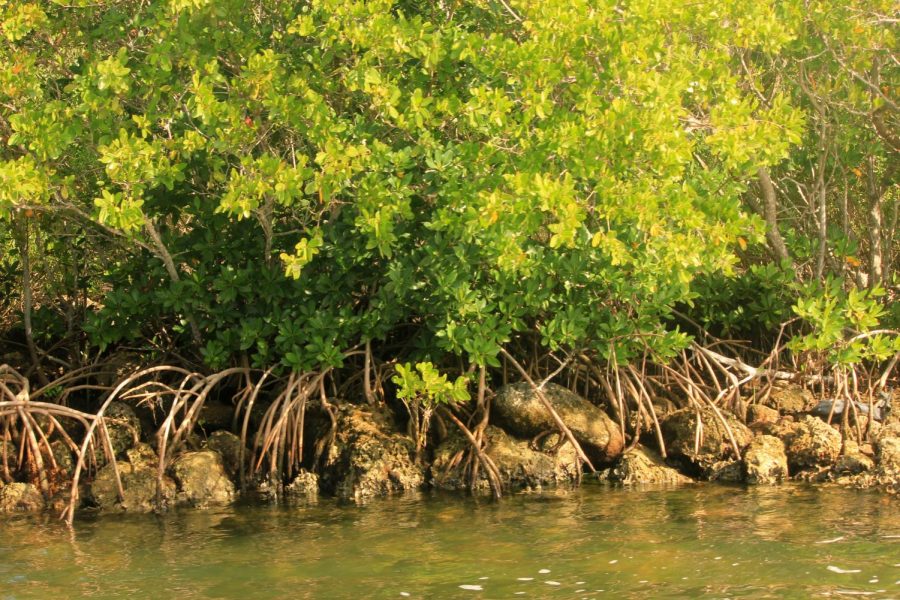
- The riparian right to a view is often impacted by mangroves, and homeowners often desire to trim or remove mangroves to expand their view of a waterway. Before taking any action concerning the trimming or removal of mangroves, homeowners should be familiar with the legal requirements and implications of their actions.
- People living along the south Florida coasts benefit many ways from mangroves. Mangrove forests protect uplands from storm winds, waves and floods. The amount of protection afforded by mangroves depends upon the width of the forest. A very narrow fringe of mangroves offers limited protection, while a wide fringe can considerably reduce wave and flood damage to landward areas by enabling overflowing water to be absorbed into the expanse of forest. Mangroves can help prevent erosion by stabilizing shorelines with their specialized root systems. Mangroves also filter water and maintain water quality and clarity.
- State and local regulations have been enacted to protect Florida’s mangrove forests. Local laws vary. Be sure to check with officials in your area prior to taking any action to determine if a permit is required.
Flood Zones and Elevation – Know Your Insurance Requirements and Costs
-
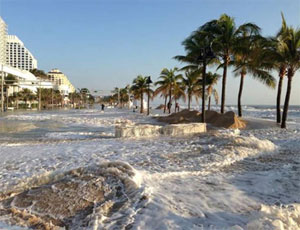
- Flood zones are indicated in a community flood map. Each flood zone describes the flood risk for a particular area, and those flood zones are used to determine insurance requirements and costs.
- A FEMA Elevation Certificate is a document completed by a surveyor that informs the homeowner, building department, title company and mortgage company or other entities requiring the form of relevant elevations on the subject property and building. The Elevation Certificate will also include floodplain information including Base Flood Elevation and Flood Zone.
- Local communities often store Elevation Certificates on city or county websites and can be downloaded for free. It is a good idea to check with your city or county first. Additionally, the Elevation Certificate may not be available online, but the community could have a paper copy of the document. Finally, an Elevation Certificate may be associated with your mortgage closing documents.
- An additional resource for digital Elevation Certificates is the Florida Disaster website. This website is supported through the Florida Division of Emergency Management (FDEM).
Knowledge is power! Doing your research and making informed decisions prior to purchasing a waterfront home will only add to the enjoyment of owning a beautiful piece of the Florida life.
Contact me when you are ready to buy that ocean front condominium, a home in the mid-canal or a popular point lot. I am here to help every step of the way and can offer resources for your inquiries that I may not have addressed in this article.
Let’s work together to get you that waterfront home in paradise!

Annette Dammeyer, REALTOR
Coldwell Banker Realty
901 E Las Olas Blvd Ste 101
Fort Lauderdale, FL 33301
808.747.3686
SL 3535792