
 Facebook
 X
X
 Pinterest
 Copy Link
Seller Safety During Home Showings
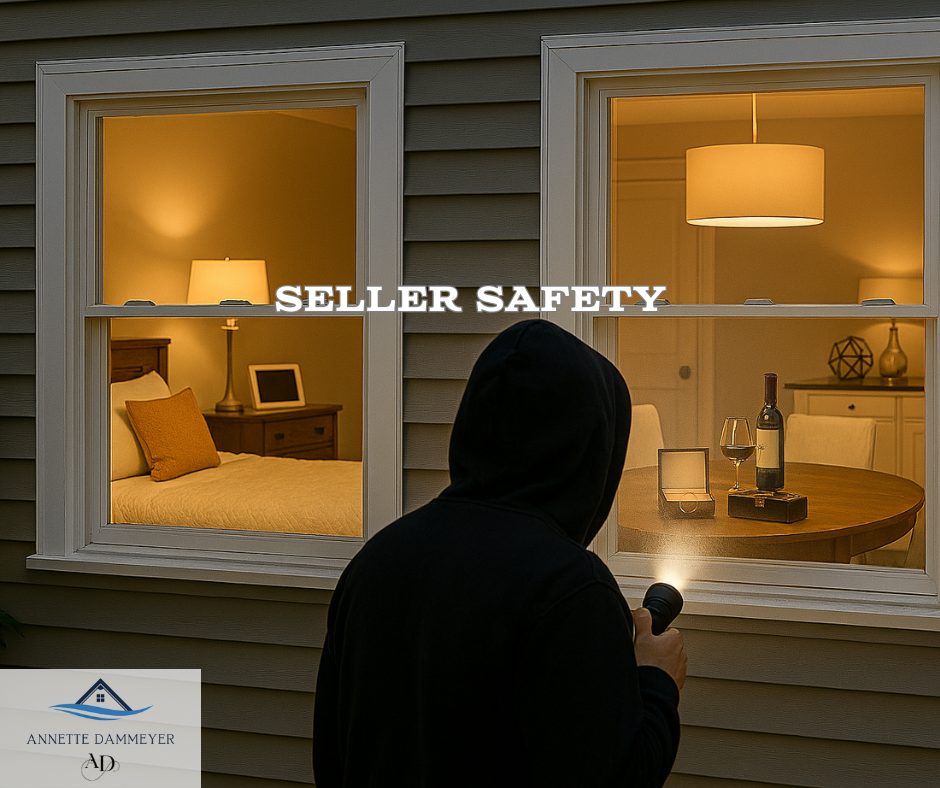
🏡 When Your Home Is on the Market, Safety Comes First
A veteran real estate agent’s guide to protecting your home, valuables, and family during showings
As an experienced real estate agent who has guided hundreds of families through buying and selling homes, my priority goes beyond closing deals—I care deeply about keeping our community safe, informed, and protected.
When a home is listed, it naturally attracts more foot traffic. Most visitors are genuine buyers and professionals—but increased access means increased responsibility. Here’s how to stay vigilant without adding stress.
(Get your FREE printable checklist below ⇓⇓⇓⇓)
🚪 Why Home Safety Matters During Showings
Selling a home can mean many different types of visitors, including:
- 🧑🤝🧑 Private buyers at open houses
- 👨👩👧 Families touring during scheduled showings
- 🧑🔧 Inspectors, appraisers, photographers
- 🧼 Cleaners, stagers, contractors
Each visit is legitimate—but the volume and variety mean it’s important to assume nothing and prepare for everything.
🔐 How to Protect High-Value & Sensitive Items
💎 Jewelry & Small Valuables
- Store in a locked safe or remove from the home entirely
- Never leave jewelry in bathroom drawers or on nightstands
- Don’t assume “out of sight” is out of risk
📄 Confidential Documents
Protect anything with your:
- Social Security number
- Bank or mortgage info
- Medical or insurance records
✅ Action:
Scan what you need and store originals in a locking file cabinet or offsite.
💊 Prescriptions & Medications
- Secure medications in locked cabinets
- Especially important for controlled substances
- Prevent theft, misuse, or accidental access by children
🔫 Firearms
- Firearms should always be:
- Unloaded
- Stored in a locked safe
- With ammunition locked separately
This protects visitors, your family, and you from serious liability.
🍷 Expensive or Collectible Wine
- Wine collections are often overlooked
- Secure rare or high-value bottles in locked storage
- Consider temporarily relocating investment-grade wine
👀 Stay Vigilant During Showings
- ✅ Use scheduled showings only—avoid surprise visits
- ✅ Work with agents who verify buyers before tours
- ✅ Install smart locks or security systems
- ✅ Keep a log of showings and visitors
💡 Pro tip: discreet entryway cameras (where legal) can add peace of mind.
👨👩👧 Personal Safety for You & Your Family
Your home should feel like a sanctuary—even during a sale.
Practical steps:
- Avoid being home alone during showings
- Step out for open houses when possible
- Let a trusted neighbor know when your home is being shown
- Keep phones charged and accessible
- Trust your instincts—if something feels off, speak up
✅ Key Takeaways
✔ Increased traffic = increased responsibility
✔ Lock, store, or remove valuables and documents
✔ Protect medications, firearms, and specialty items
✔ Prioritize personal safety, not just property
✔ A good agent protects you, not just your listing
⇒ FREE PRINTABLE CHECKLIST ⇐
Selling your home should be exciting—not stressful. With smart preparation and vigilance, you can protect what matters most while welcoming the right buyers with confidence.
If you ever have questions about safe showing practices, I’m here. Our community’s safety always comes first. 💙
CONTACT ANNETTE
Let’s start working together!

Annette Dammeyer, REALTOR®, ABR®, AHWD®
Coldwell Banker Realty
901 E Las Olas Blvd STE 101, Fort Lauderdale, FL 33301
808.747.3686
SL 3535792
Fort Lauderdale May 2025 Area Report
Fort Lauderdale May 2025 real estate statistics have been released.
Fort Lauderdale Area Reports
Single Family Homes
Condominium & Townhouses
Fort Lauderdale Real Estate Market Overview
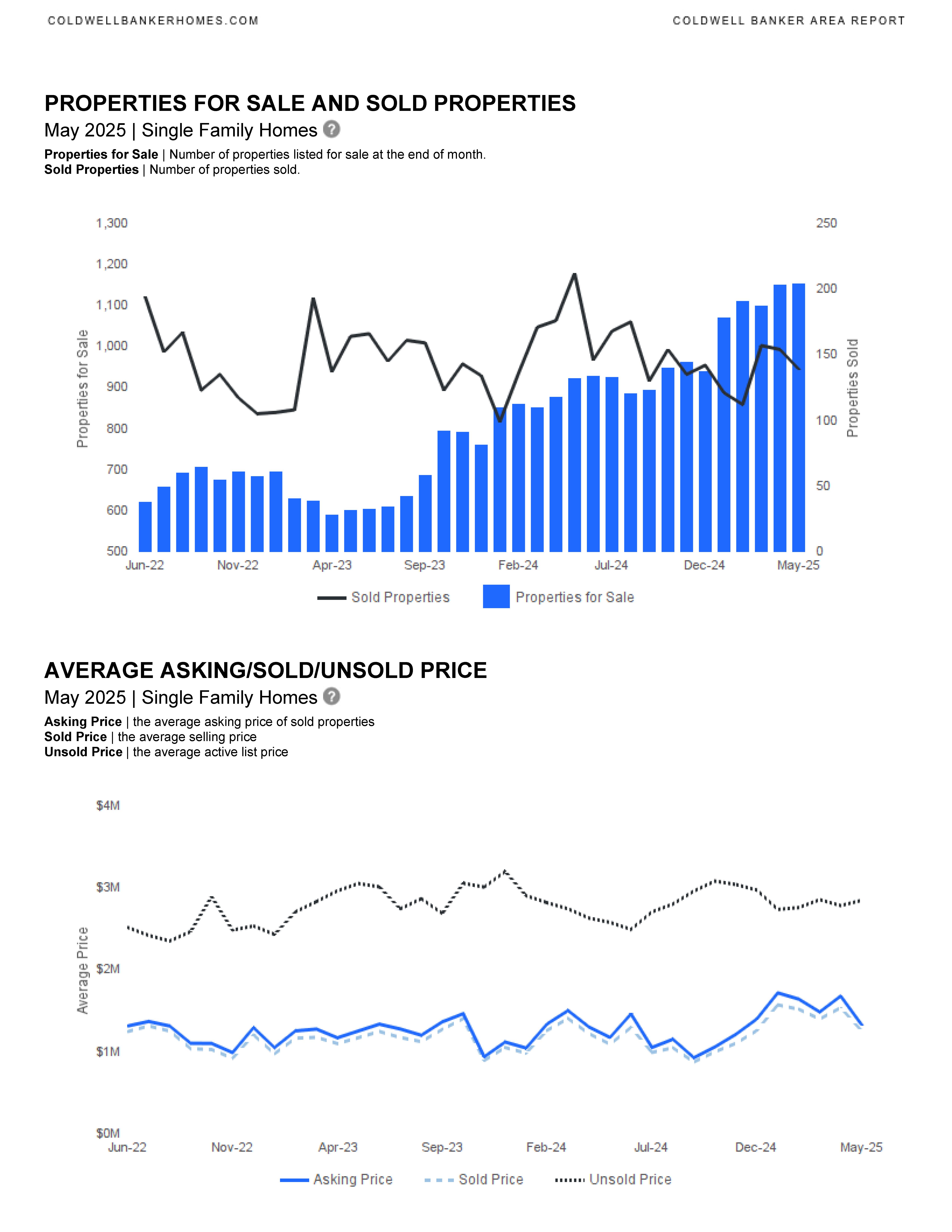
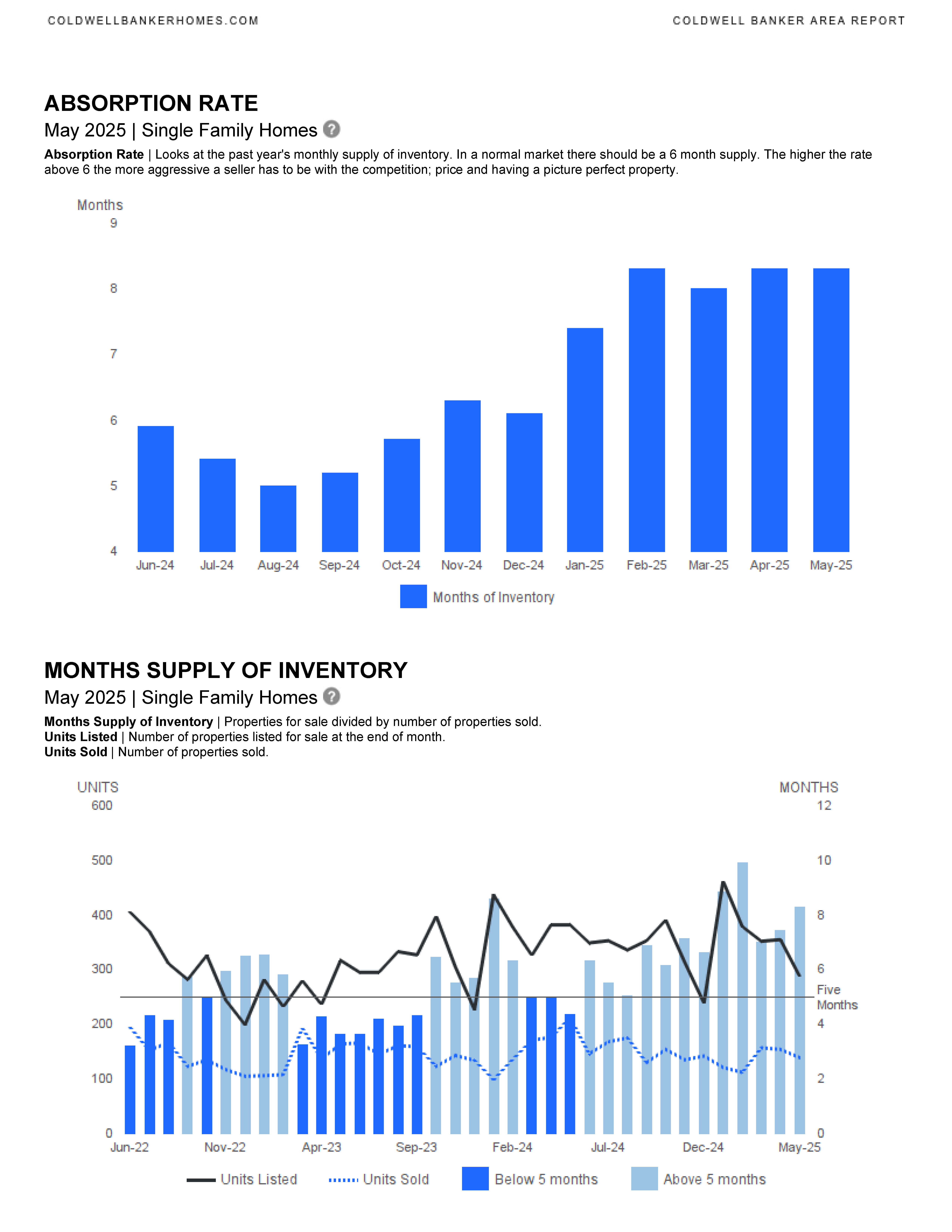
The Fort Lauderdale real estate market has experienced significant changes in sales activity and pricing trends over the past year. Both single-family homes and condo/townhouse markets show a decline in sales volume, while prices have generally increased.
Summary:
Single Family Homes Sales Activity
Sales of single-family homes in Fort Lauderdale have decreased significantly compared to last year. The median sales price has risen, indicating a shift towards higher-value properties.
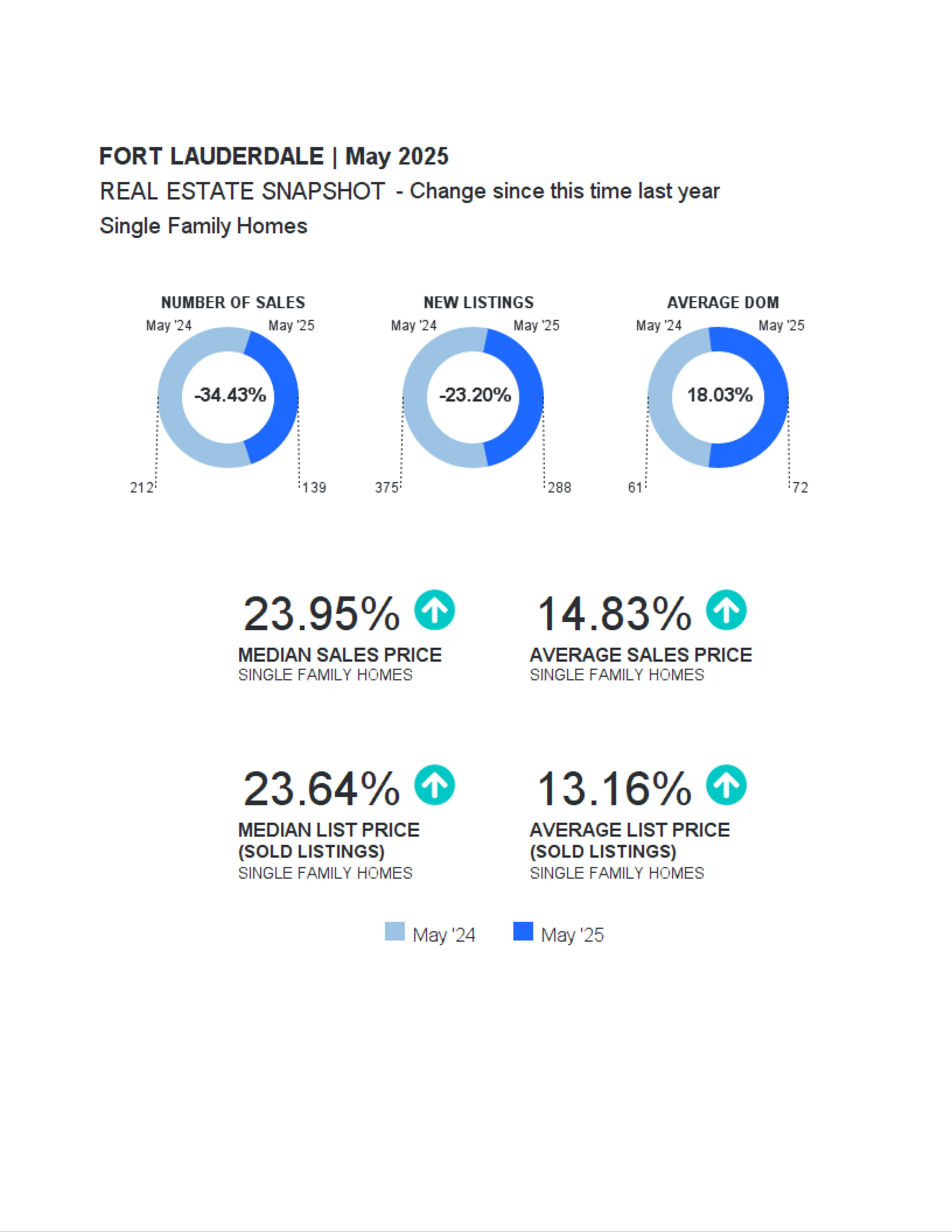
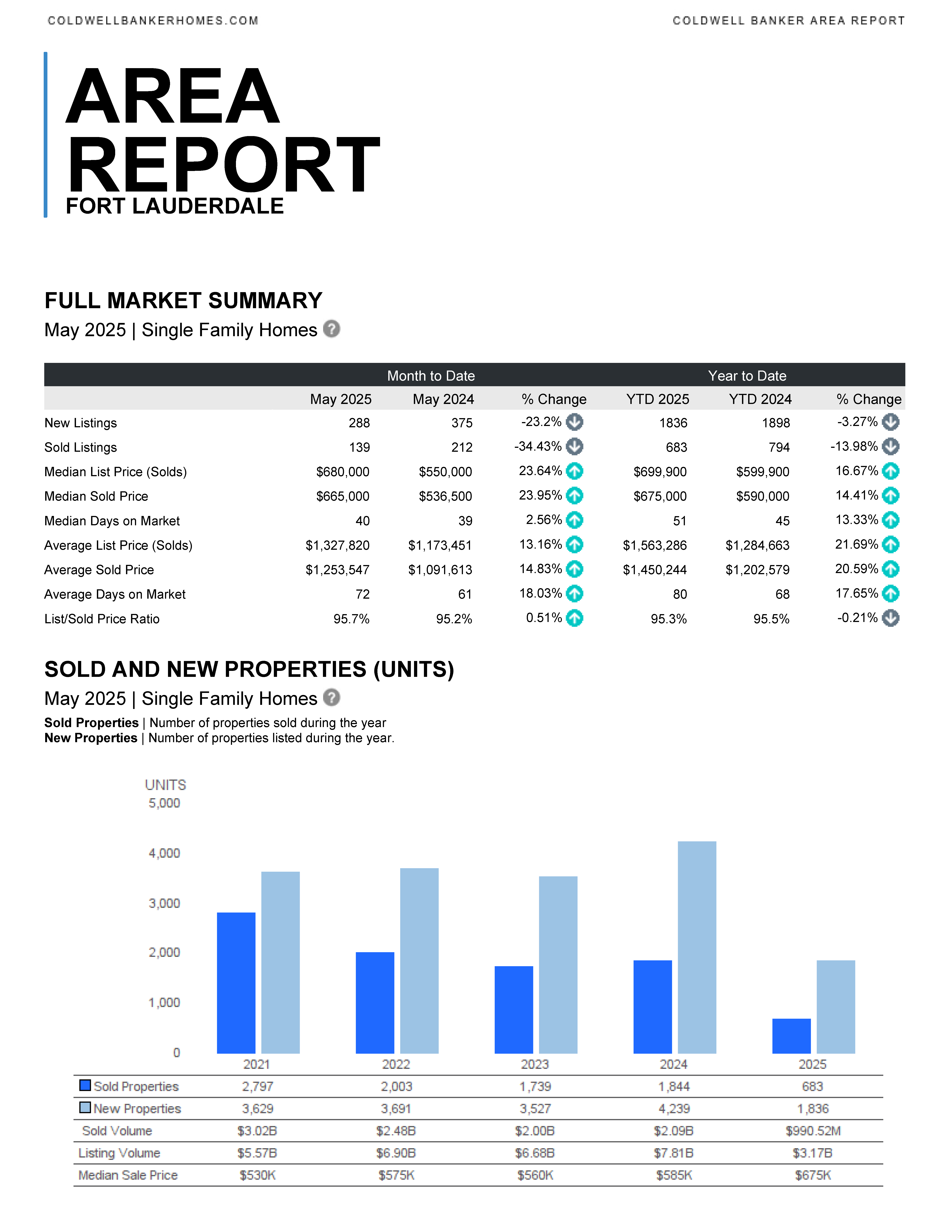
- Number of sales decreased from 212 in May ’24 to 139 in May ’25, a drop of 34.43%.
- New listings fell from 375 in May ’24 to 288 in May ’25, a decrease of 23.2%.
- Median sales price increased by 23.95%, from $536,500 to $665,000.
- Average sales price rose by 14.83%, from $1,091,613 to $1,253,547.
- Average days on market increased from 61 to 72 days, an 18.03% rise.
Condo/Townhouse Market Trends
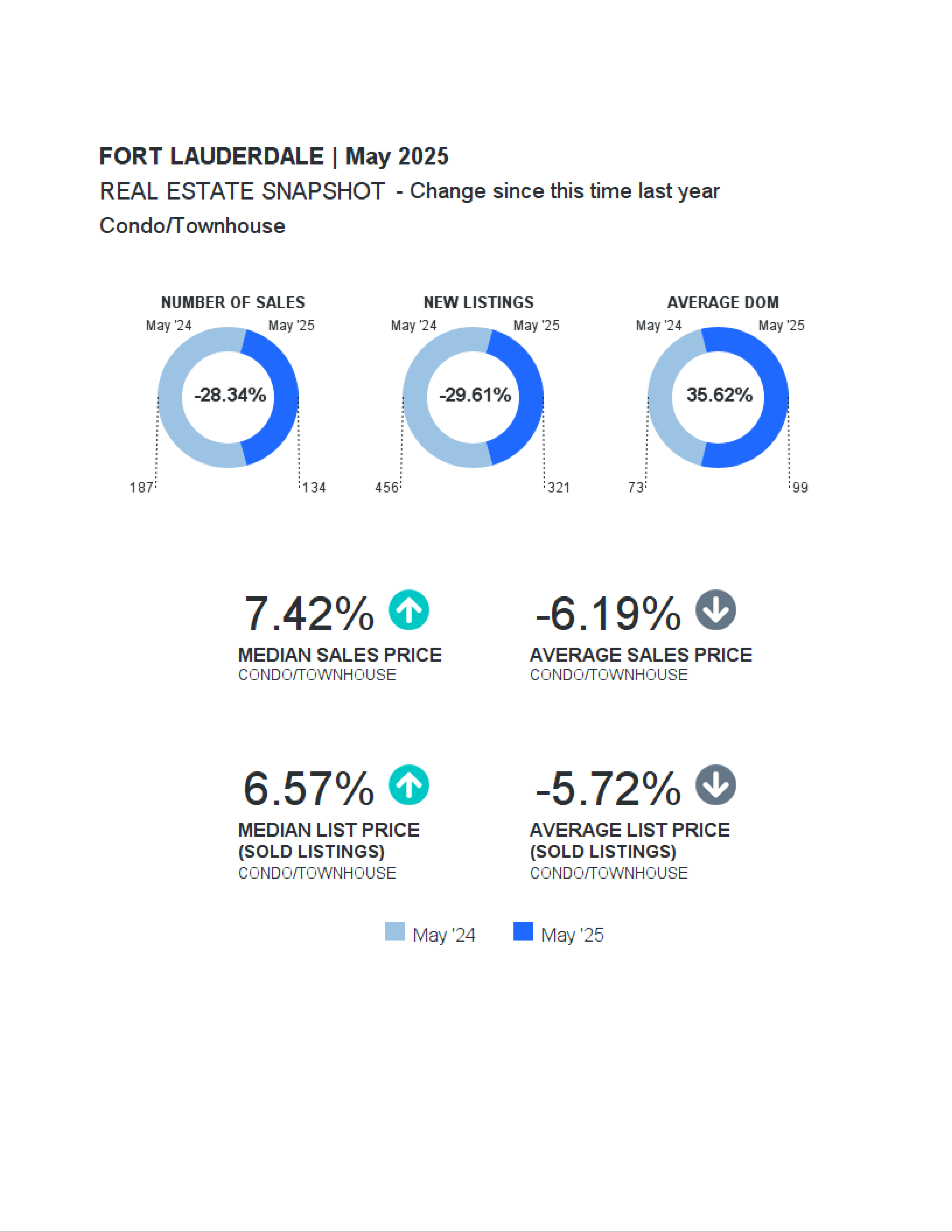
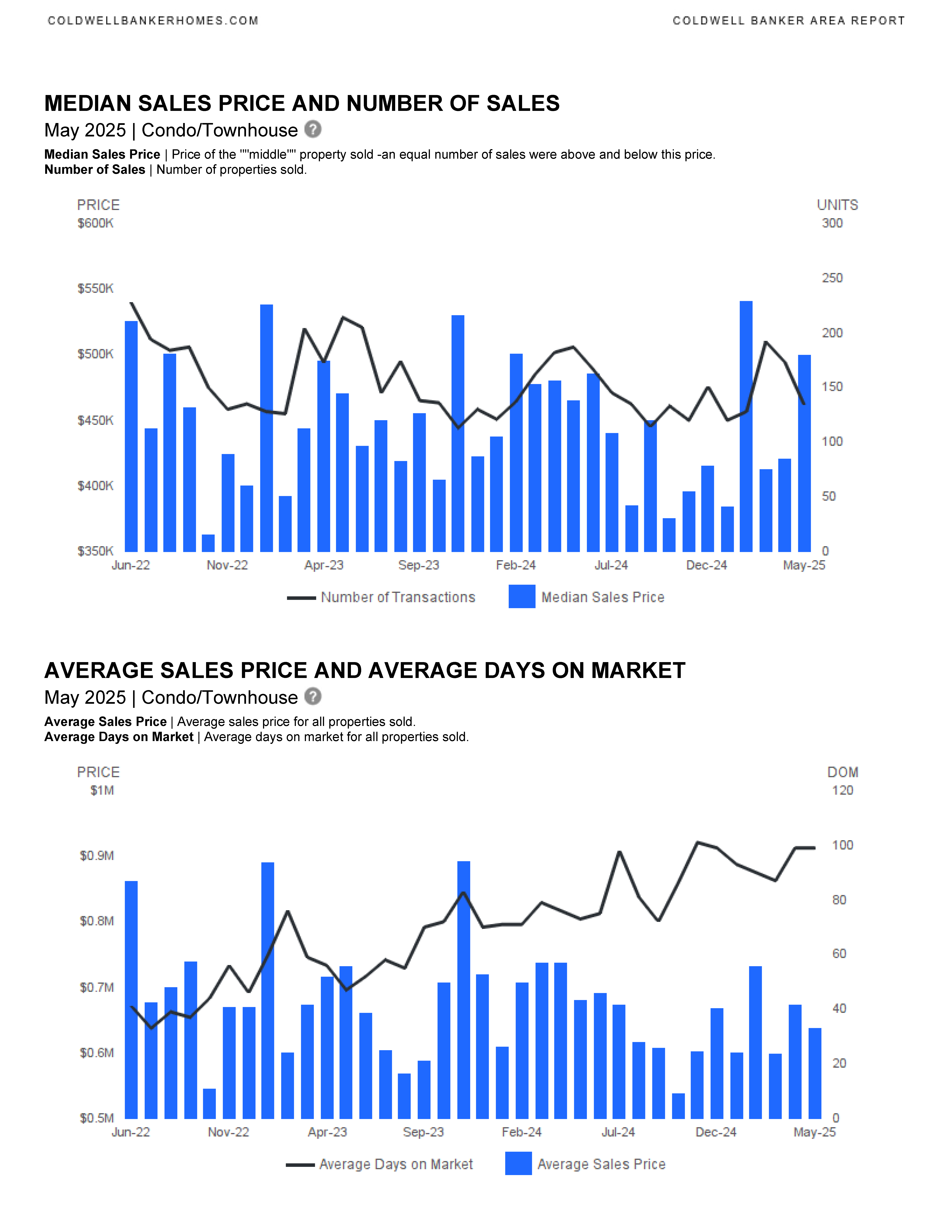
The condo/townhouse market in Fort Lauderdale has also seen a decline in sales, with a slight increase in median prices. This indicates a competitive market despite fewer transactions.
- Number of sales decreased from 187 in May ’24 to 134 in May ’25, a decline of 28.34%.
- New listings dropped from 456 in May ’24 to 321 in May ’25, a decrease of 29.61%.
- Median sales price increased by 7.42%, from $465,000 to $499,500.
- Average sales price decreased by 6.19%, from $679,928 to $637,825.
- Average days on market increased from 73 to 99 days, a rise of 35.62%.
Market Summary and Key Statistics
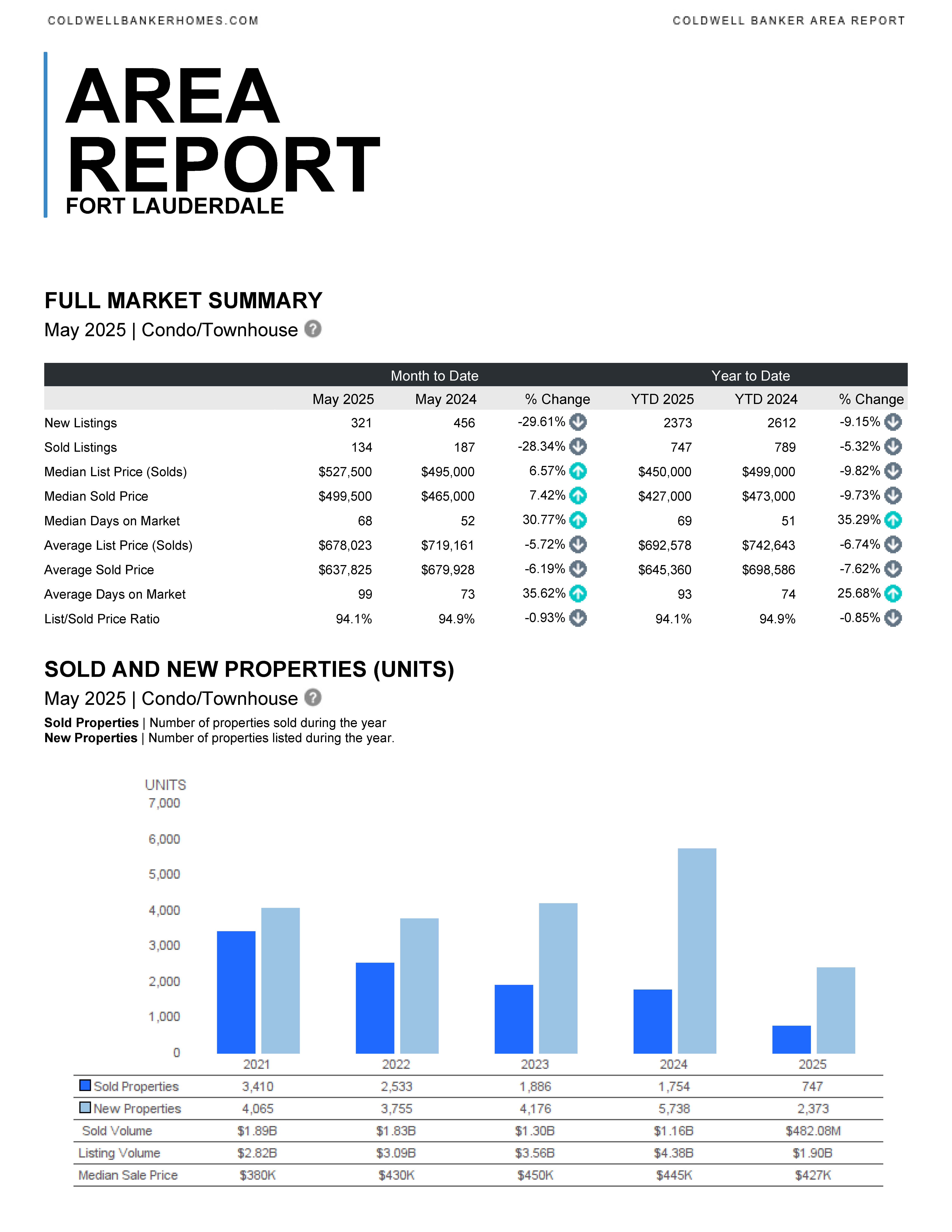
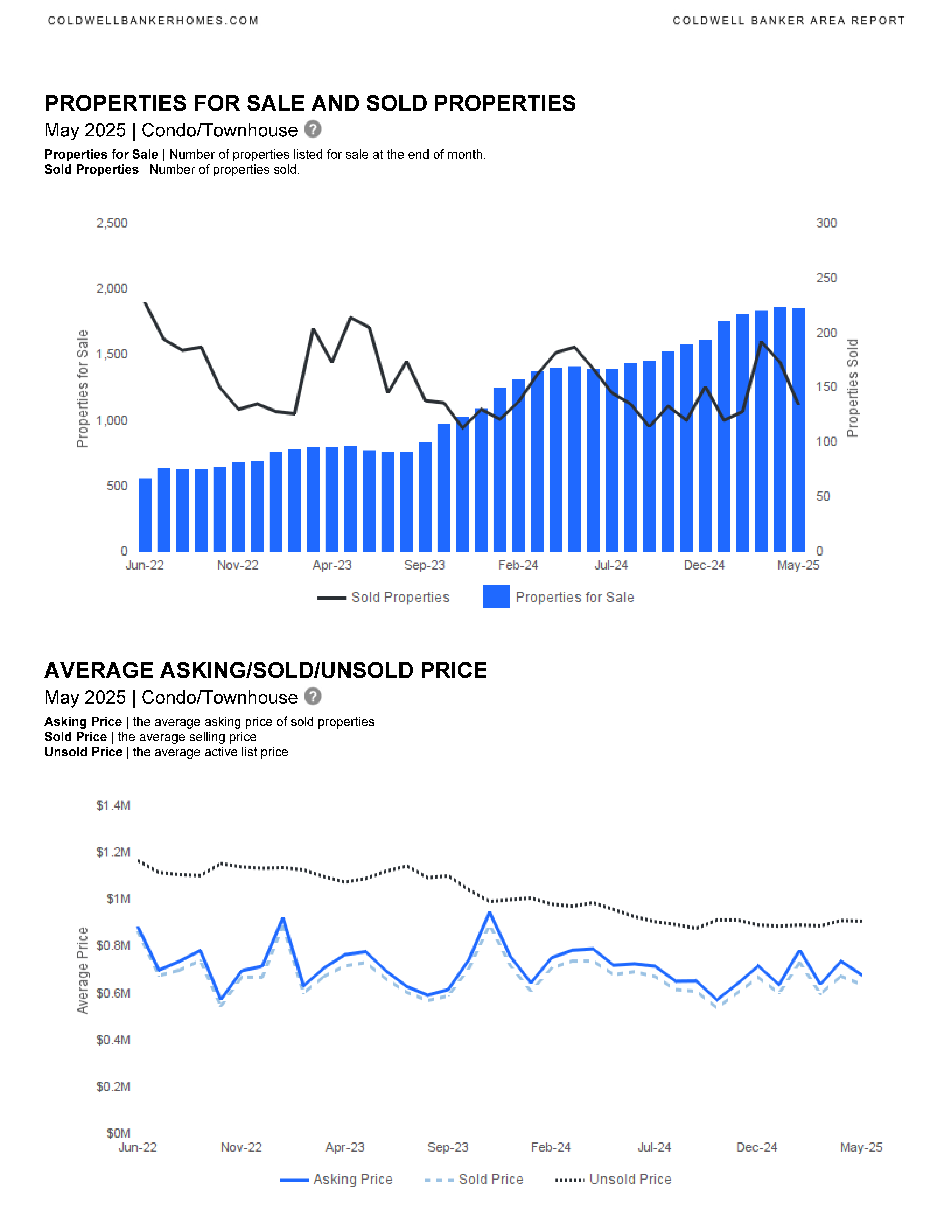
The overall market summary highlights the trends in listings, sales, and pricing for both single-family homes and condos/townhouses. The data reflects a tightening inventory and rising prices.
- Total new listings for single-family homes year-to-date: 1,898, down 3.27% from last year.
- Total sold listings for single-family homes year-to-date: 794, down 13.98% from last year.
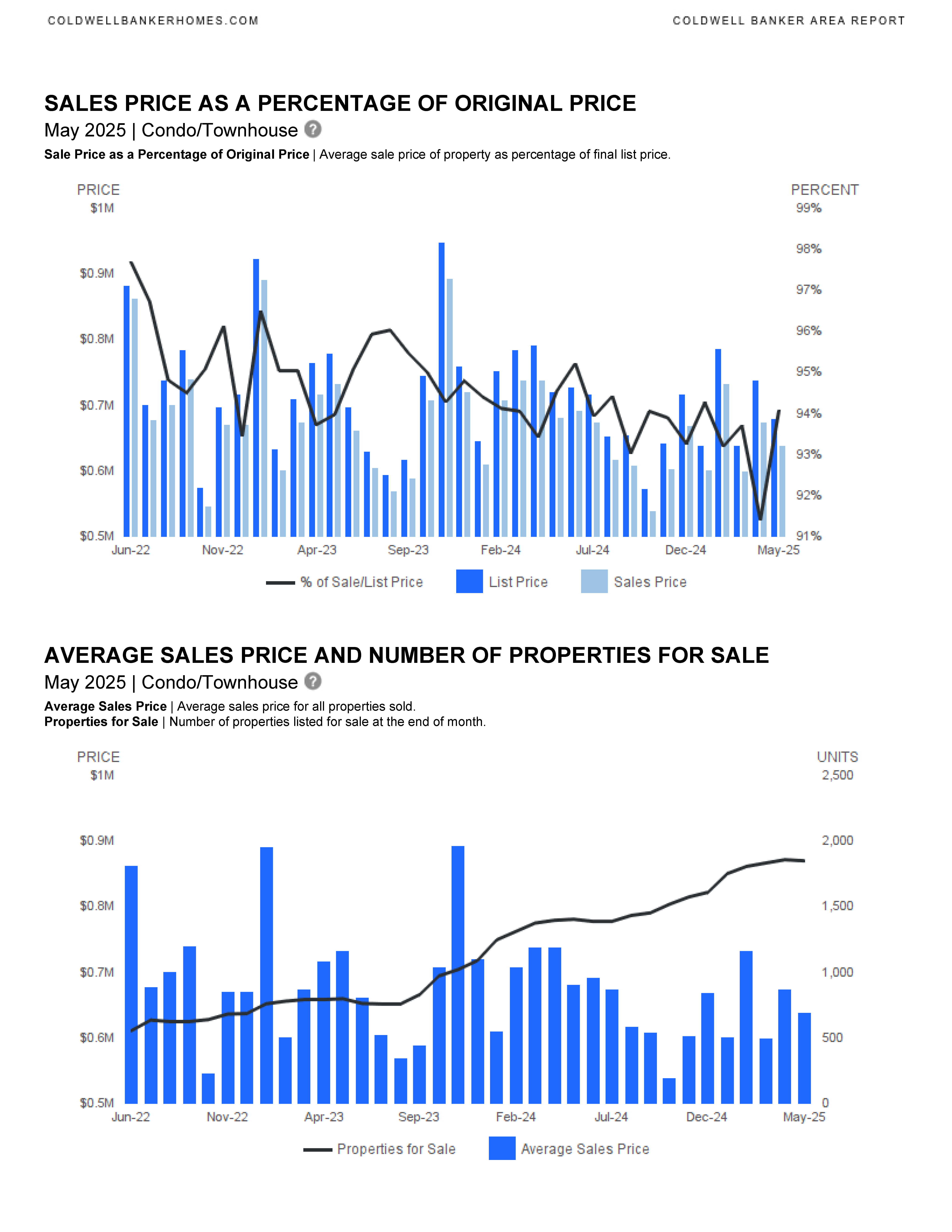
- Total new listings for condos/townhouses year-to-date: 2,612, down 9.15% from last year.
- Total sold listings for condos/townhouses year-to-date: 789, down 5.32% from last year.
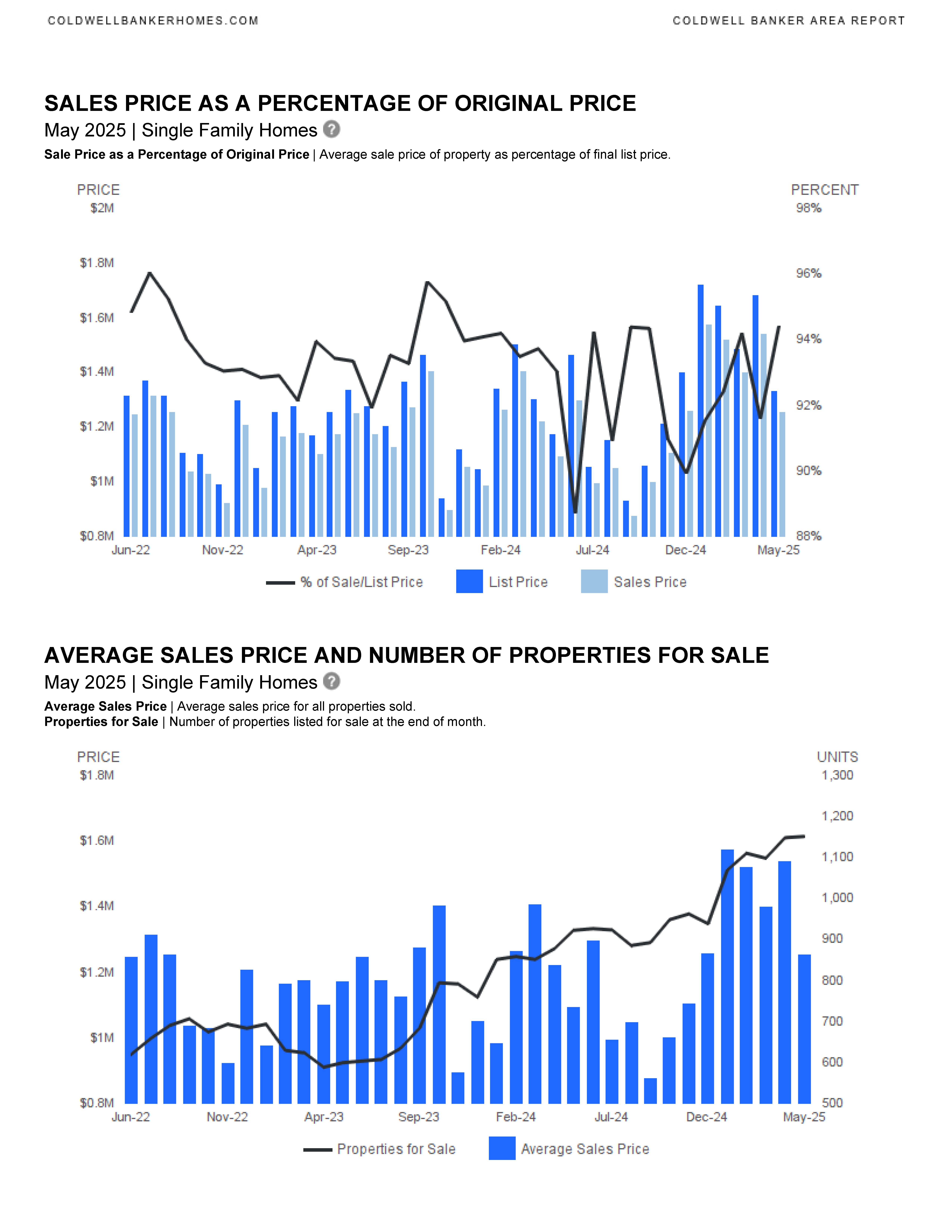
- The list/sold price ratio for single-family homes is 95.7%, while for condos/townhouses it is 94.1%.
Commonly asked questions while reviewing the reports:
What is the difference between “Median Sales Price” and “Average Sales Price”?
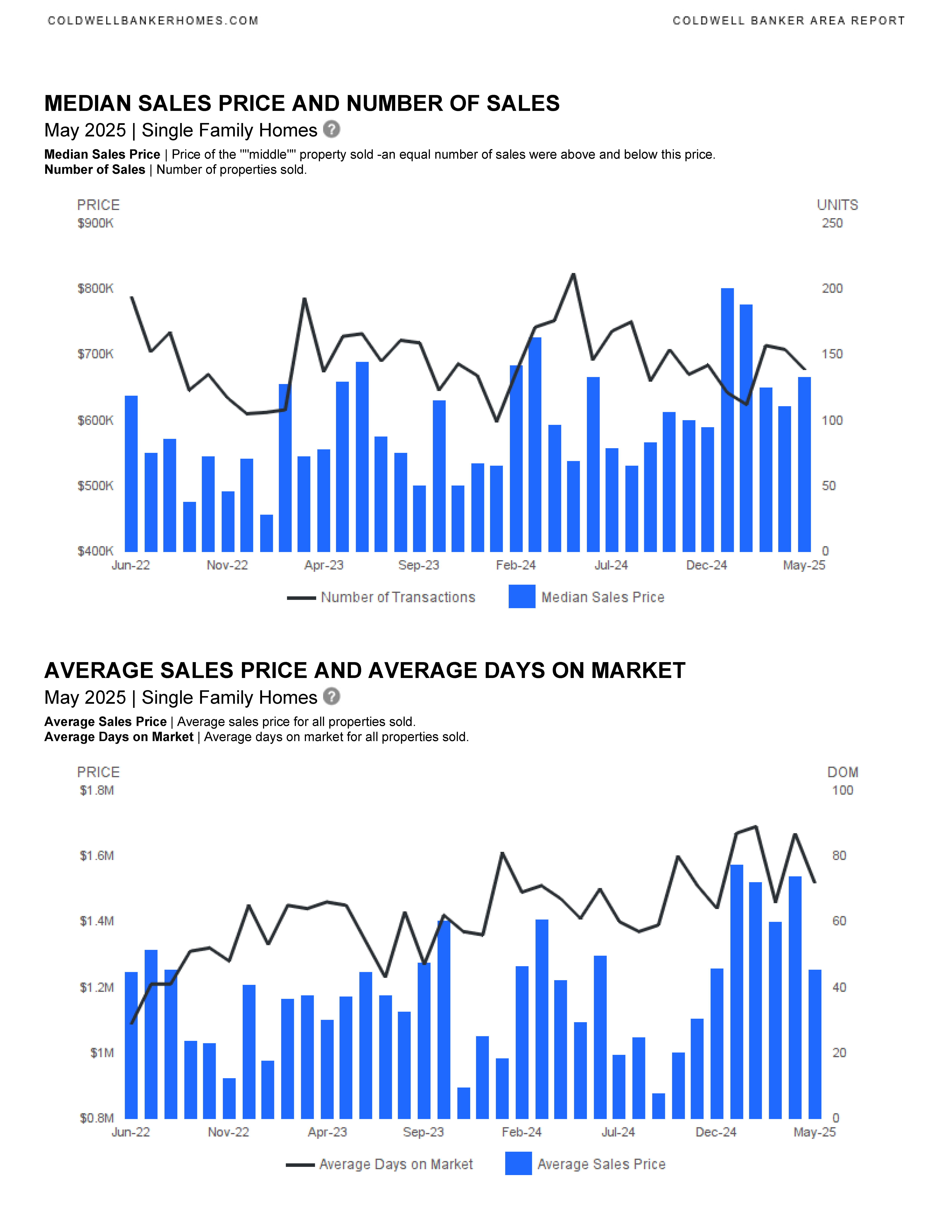
Median Sales Price | Price of the “”middle”” property sold -an equal number of sales were above and below this price.
Average Sales Price | Average sales price for all properties sold.
What does “Absorption Rate” mean?
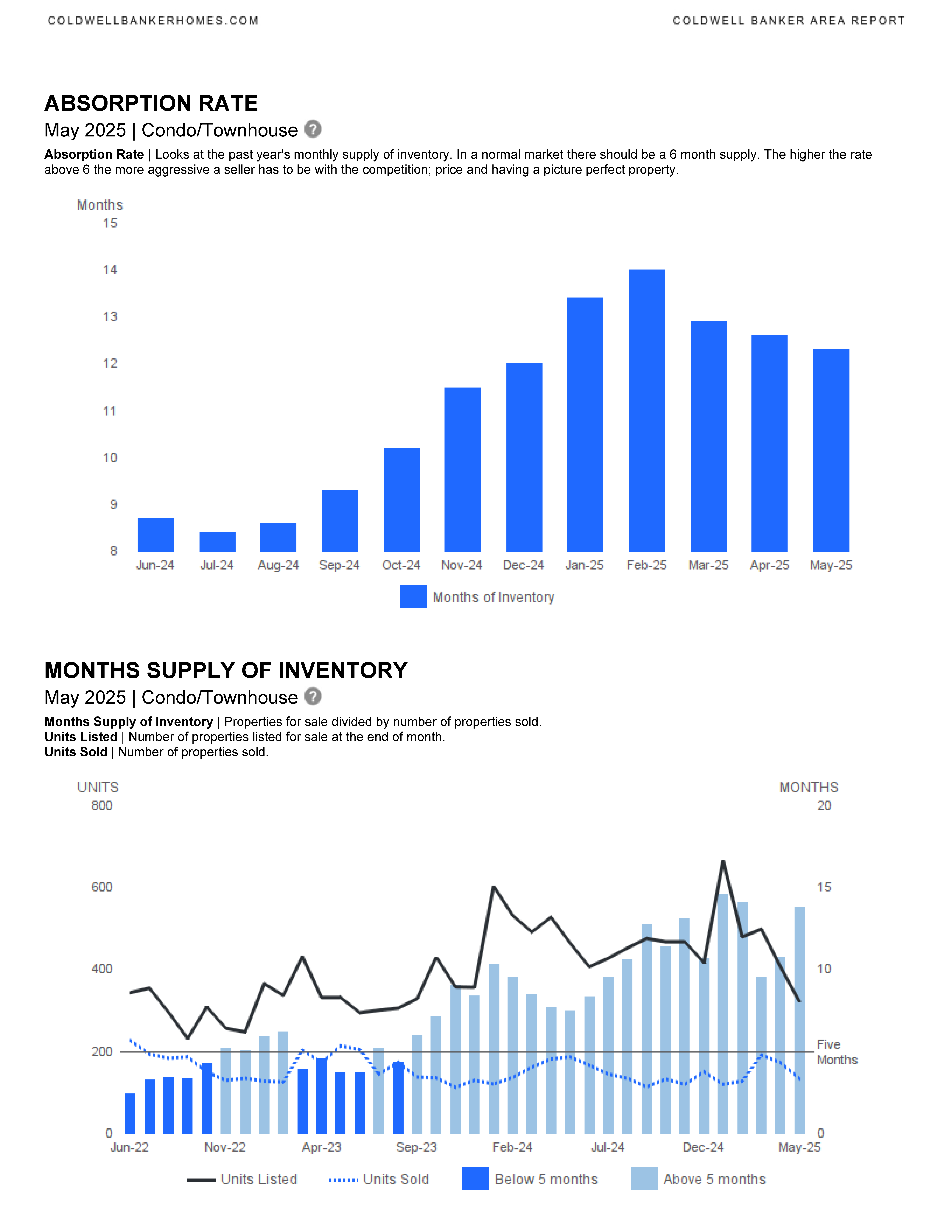
Absorption Rate | Looks at the past year’s monthly supply of inventory. In a normal market there should be a 6 month supply. The higher the rate above 6 the more aggressive a seller has to be with the competition; price and having a picture perfect property.
Single Family Home Area Report listed first, Condo/Townhouses listed second:
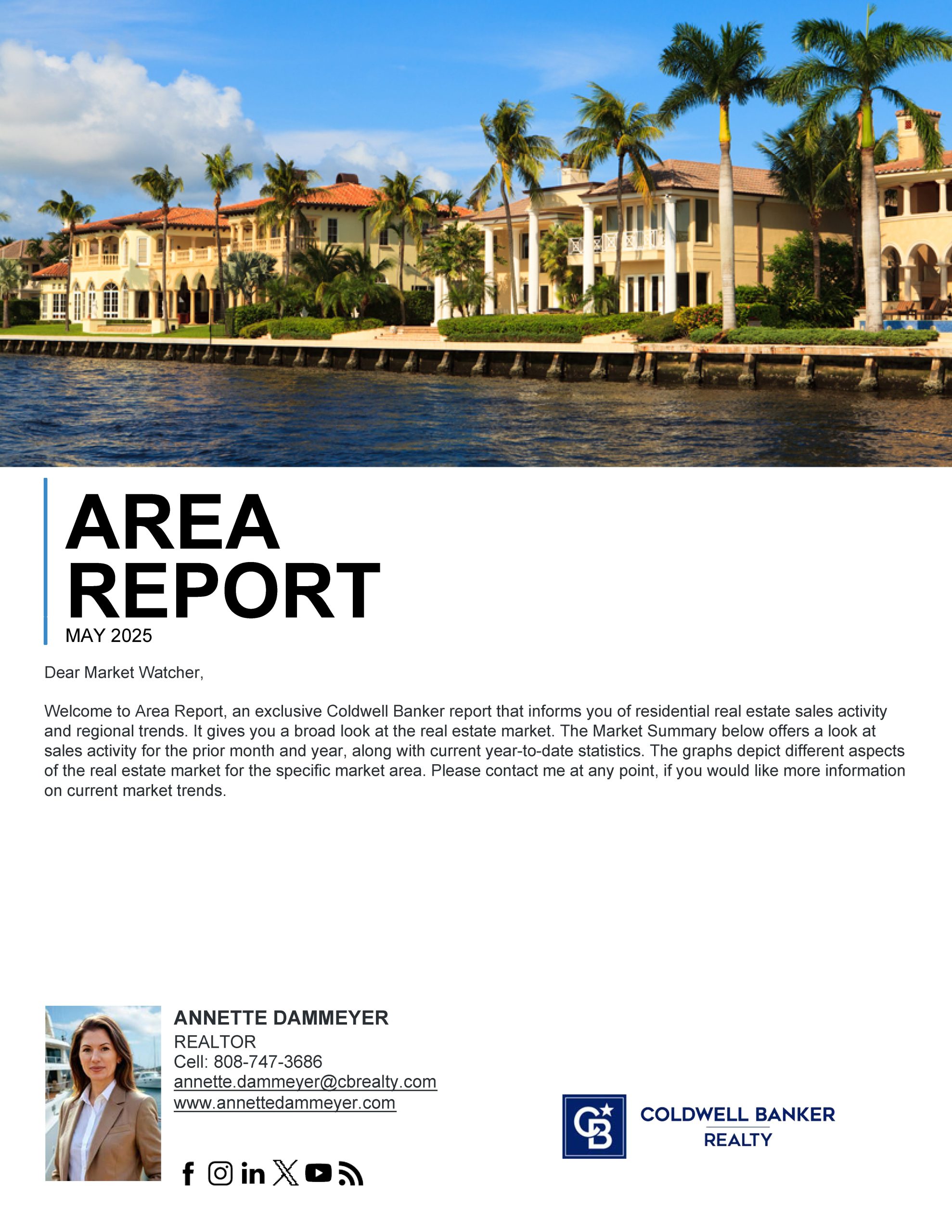

We are entering a new real estate market in SE Florida. This is the time to work with an experienced and knowledgeable real estate professional. Please contact me if you would like to be sent updated market reports for Fort Lauderdale, or another SE Florida city. We can discuss the market, current trends and how we can work together to accomplish your real estate goals. I am here to help.
CONTACT ANNETTE
Let’s start working together!
Annette Dammeyer, REALTOR®, ABR®, AHWD®
Coldwell Banker Realty
901 E Las Olas Blvd STE 101, Fort Lauderdale, FL 33301
808.747.3686
SL 3535792
Revamp Your Kitchen: Should You Replace or Reface Your Cabinets?

Are you dreaming of a kitchen makeover but unsure whether to replace or reface your cabinets? As a real estate professional, I’ve seen firsthand how a fresh look in the kitchen can elevate your home’s value and appeal. Let’s dive into the options, costs, and step-by-step process to help you make the best decision for your home.
Replacing vs. Refacing: What’s the Difference?
Replacing Cabinets: This involves removing old cabinets and installing brand-new ones. It allows for a complete redesign, providing the freedom to change the layout and style.
Refacing Cabinets: This option keeps your existing cabinet framework while replacing doors, drawer fronts, and veneer surfaces. It offers a cost-effective refresh without the hassle of a full renovation.
When to Reface Your Kitchen Cabinets
Refacing is a great option if:
- The cabinet boxes are structurally sound and free from water damage.
- You’re happy with the current layout.
- The goal is a budget-friendly and time-saving makeover.
Avoid refacing if:
- The cabinets have mold, warping, or weak structure.
- You want to alter the kitchen layout.
- The cabinet interiors are heavily worn.
Options for Refacing Kitchen Cabinets
- Laminate Veneer: Affordable and durable, available in various colors and finishes.
- Wood Veneer: Offers a natural look, slightly more expensive.
- Paint: A simple DIY option for a fresh, modern look.
- New Hardware: Updating knobs and pulls adds a polished touch.
How to Reface Kitchen Cabinets: A Step-by-Step Guide
- Preparation: Remove cabinet doors, drawers, and hardware. Clean all surfaces thoroughly.
- Surface Prep: Sand cabinet frames and apply a primer if painting.
- Apply Veneer or Paint: Carefully attach veneer or paint the surfaces.
- Install New Doors/Drawer Fronts: Align and secure them properly.
- Add Hardware: Install new knobs, handles, or pulls.
- Final Touches: Inspect for any missed spots or uneven finishes.
Costs: Refacing vs. Replacing
- Refacing: Typically costs between $4,000 and $9,000, depending on materials and kitchen size.
- Replacing: Can range from $10,000 to $25,000 or more, especially if structural changes are needed.
The Real Estate Perspective
Refacing can offer up to a 70-80% return on investment, making it a smart choice if the structure is sound. Replacing is ideal for a total transformation or if structural integrity is compromised.
Ready to Transform Your Kitchen?
Whether you choose to reface or replace, upgrading your kitchen can significantly boost your home’s appeal and value. If you’re considering making a change, I’m here to guide you every step of the way. Let’s create a kitchen that buyers (and you) will love.
Whether you are making home improvements for your own living space or preparing your property for sale, I can assist you. I can also introduce you to RealVitalize®, our program that provides home sellers with home improvement resources during the listing period, with no upfront costs or interest fees. I am here to help.
CONTACT ANNETTE
Let’s start working together!
Annette Dammeyer, REALTOR®, ABR®, AHWD®
Coldwell Banker Realty
901 E Las Olas Blvd STE 101, Fort Lauderdale, FL 33301
808.747.3686
SL 3535792
7 Ways Florida Homeowners Can Save Money on Their Tax Returns

7 Ways Florida Homeowners Can Save Money on Their Tax Returns
As an experienced real estate professional, I’m here to share some insider tips that can help Florida homeowners save money on their tax returns. However, please note that these tips should not be deemed legal or financial advice. Always consult with a tax professional for personalized assistance.
1. Homestead Exemption
One of the biggest tax-saving opportunities for Florida homeowners is the Homestead Exemption. This exemption allows homeowners to deduct a portion of their home’s value from their property taxes, potentially saving hundreds of dollars each year. To qualify, you must use the property as your primary residence and file the necessary paperwork by March 1st.
2. Mortgage Interest Deduction
If you have a mortgage on your home, you may be eligible to deduct the interest paid on your loan from your federal income taxes. This can result in substantial savings, especially in the early years of your mortgage when interest payments are higher. Be sure to keep detailed records of your mortgage interest payments and consult with a tax professional to ensure you maximize this deduction.
3. Property Tax Deduction
Florida homeowners can also deduct property taxes paid on their primary residence from their federal income taxes. This deduction can add up to significant savings, especially for those in high-tax areas. Remember to keep all property tax receipts and documentation to support your deduction.
4. Energy-Efficient Home Improvements
Making energy-efficient upgrades to your home can qualify you for various tax credits and deductions. Federal tax incentives are available for improvements such as installing solar panels, energy-efficient windows, and insulation. These upgrades not only save you money on your taxes but can also lower your energy bills in the long run.
5. Home Office Deduction
If you run a business from your home, you may be eligible for the home office deduction. This deduction allows you to write off a portion of your home expenses, such as mortgage interest, property taxes, utilities, and maintenance, based on the percentage of your home used for business purposes. Ensure you meet the IRS requirements for claiming this deduction and maintain thorough records of your business expenses.
6. Capital Gains Exclusion
When selling your primary residence, you may be eligible to exclude up to $250,000 of capital gains (or $500,000 for married couples) from your taxable income. To qualify, you must have owned and lived in the home for at least two of the five years preceding the sale. This exclusion can result in significant tax savings when it’s time to move.
7. Casualty Loss Deduction
Florida homeowners affected by natural disasters, such as hurricanes, may be able to claim a casualty loss deduction. This deduction allows you to write off losses not covered by insurance, helping to offset the financial impact of property damage. Keep detailed records of the damage and repair costs, and consult with a tax professional to determine your eligibility.
Remember, it’s always best to consult with a tax professional to ensure you’re taking advantage of all available tax-saving opportunities and complying with current tax laws. Happy saving!
As an experienced real estate agent, my commitment goes beyond closing deals—it’s about empowering you with the knowledge and guidance you need to make confident decisions. Staying actively involved in our community and continuously expanding my expertise ensures you get the highest level of service. Thank you for placing your trust in me. I’m here to guide you every step of the way with the dedication, insight, and care you deserve.
CONTACT ANNETTE
Let’s start working together!
Annette Dammeyer, REALTOR®, ABR®, AHWD®
Coldwell Banker Realty
901 E Las Olas Blvd STE 101, Fort Lauderdale, FL 33301
808.747.3686
SL 3535792
Florida’s New Fire Sprinkler Law
Understanding Florida’s New Fire Sprinkler Law: A Guide for Homeowners and Condominium Associations
As an experienced real estate agent deeply committed to the safety and well-being of our community, I want to inform you about recent legislative changes in Florida concerning fire safety requirements. The enactment of House Bill 551 in 2025 introduces significant updates to the state’s fire sprinkler regulations, directly impacting homeowners, condominium associations, and property managers.
Key Provisions of House Bill 551
House Bill 551 aims to enhance fire safety standards across Florida by streamlining the permitting process for fire alarm and sprinkler system projects. For associations managing high-rise buildings (generally above six floors or stories in height), the legislation reinforces the necessity of installing either a fire sprinkler system or an Engineered Life Safety System (ELSS). Notable aspects of the bill include:
• Expedited Permitting: Local enforcement agencies are now mandated to issue permits for fire alarm or sprinkler system projects within specified timeframes. This change is designed to reduce delays and facilitate prompt compliance with safety standards.
• Immediate Commencement of Work: Upon permit issuance, authorized work on fire alarm or sprinkler systems can begin immediately, ensuring that safety enhancements are implemented without unnecessary postponements.
• Timely Inspections: The law requires that inspections by local enforcement agencies occur within designated periods, promoting efficiency and accountability in the approval process.
• Onsite Plan Availability: During inspections, contractors must have the relevant plans and specifications readily available for review, ensuring transparency and adherence to approved designs.
• Simplified Permitting Process: By a specified date, local enforcement agencies are required to establish a simplified permitting process, reducing bureaucratic hurdles and encouraging compliance.
Implications for High-Rise Condominium Associations
For associations managing high-rise buildings (generally above six floors or stories in height), the legislation reinforces the necessity of installing either a fire sprinkler system or an Engineered Life Safety System (ELSS). The updated deadlines are as follows:
• Decision Deadline: By January 1, 2024, associations must choose between installing a fire sprinkler system or an ELSS.
• Notification to Authorities: The selected option must be communicated to the local fire code authority by February 1, 2025.
• Engineering and Design: By January 1, 2025, a Florida-registered professional engineer should be engaged to develop the design criteria for the chosen system, with submissions due to the Authority Having Jurisdiction (AHJ) for approval.
• Permitting: Contractors must apply for and obtain the necessary installation permits by January 1, 2026.
• Completion and Inspection: The installation must be finalized, and all required inspections passed by January 1, 2027.
These measures are designed to ensure that high-rise buildings comply with enhanced fire safety standards, thereby safeguarding residents and property.
Action Steps for Homeowners and Associations
Given the importance of these regulations, I recommend the following actions:
1. Stay Informed: Regularly consult official resources, such as the Florida Senate’s website and the State Fire Marshal’s office, to stay updated on any further legislative changes or updates to the Florida Fire Prevention Code.
2. Engage Professionals: Collaborate with licensed engineers and contractors who specialize in fire safety systems to ensure compliance with the new requirements.
3. Plan Financially: Budget for the necessary upgrades, considering potential costs associated with system installation and ongoing maintenance.
4. Communicate Proactively: Keep open lines of communication with residents and stakeholders to inform them about upcoming changes, timelines, and any actions they may need to take.
By proactively addressing these requirements, we can collectively enhance the safety and resilience of our living environments.
Sources:
• House Bill 551 (2025) – The Florida Senate: flsenate.gov
• Fire Sprinkler/ELSS Update for High-Rise Buildings – CALL: callbp.com
• Florida Fire Prevention Code – Florida’s State Fire Marshal: myfloridacfo.com
Staying updated on new laws and policies is not just a part of my job—it’s my commitment to you. By keeping informed, I ensure that you receive the best, most knowledgeable service possible. Thank you for trusting me with your real estate needs; I’m dedicated to providing you with the expertise and care you deserve.
CONTACT ANNETTE
Let’s start working together!
Annette Dammeyer, REALTOR®, ABR®, AHWD®
Coldwell Banker Realty
901 E Las Olas Blvd STE 101, Fort Lauderdale, FL 33301
808.747.3686
SL 3535792
Fort Lauderdale January 2025 Area Report
Fort Lauderdale January 2025 real estate statistics have been released.
Fort Lauderdale Area Reports
Single Family Homes
Condominium & Townhouses
Commonly asked questions while reviewing the reports:
What is the difference between “Median Sales Price” and “Average Sales Price”?
Median Sales Price | Price of the “”middle”” property sold -an equal number of sales were above and below this price.
Average Sales Price | Average sales price for all properties sold.
What does “Absorption Rate” mean?
Absorption Rate | Looks at the past year’s monthly supply of inventory. In a normal market there should be a 6 month supply. The higher the rate above 6 the more aggressive a seller has to be with the competition; price and having a picture perfect property.
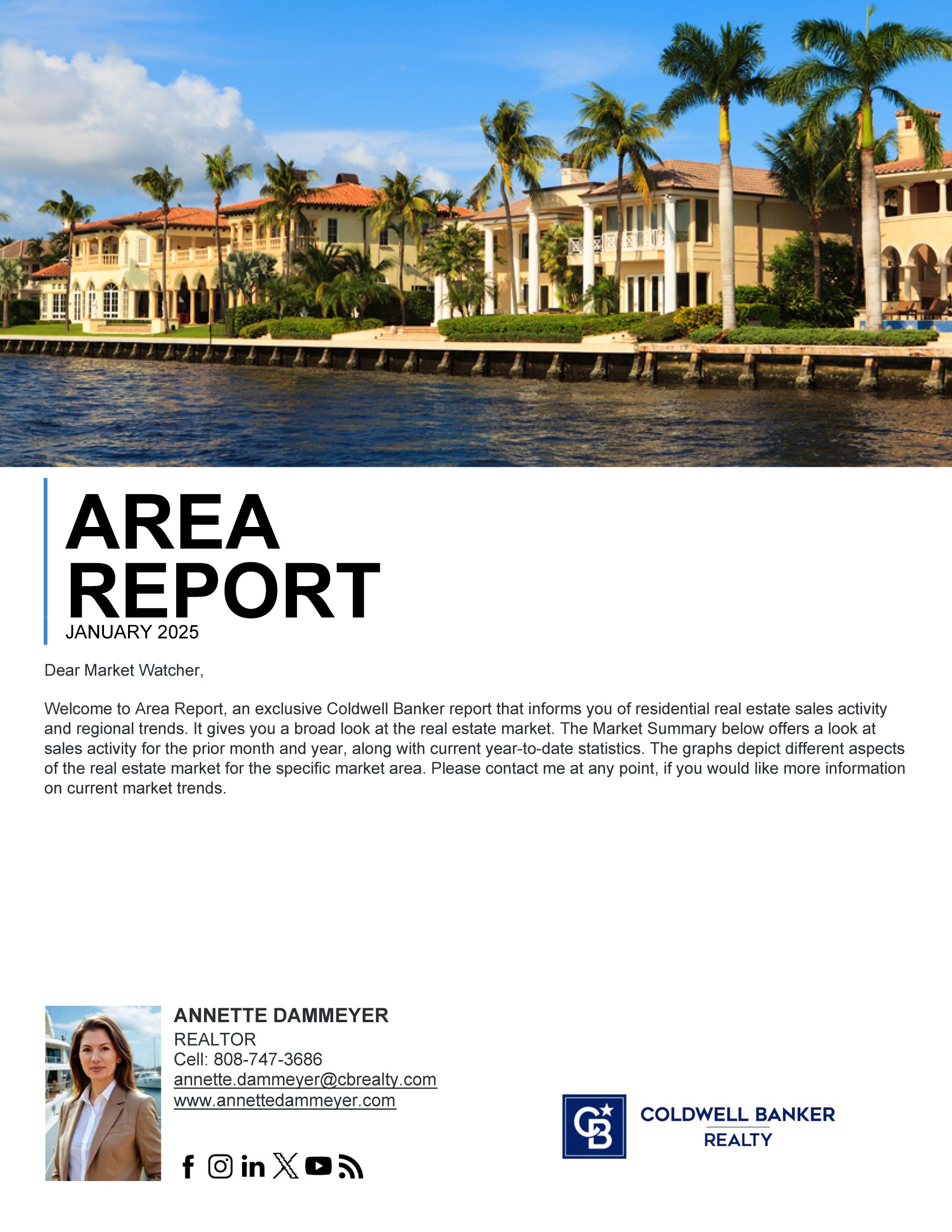
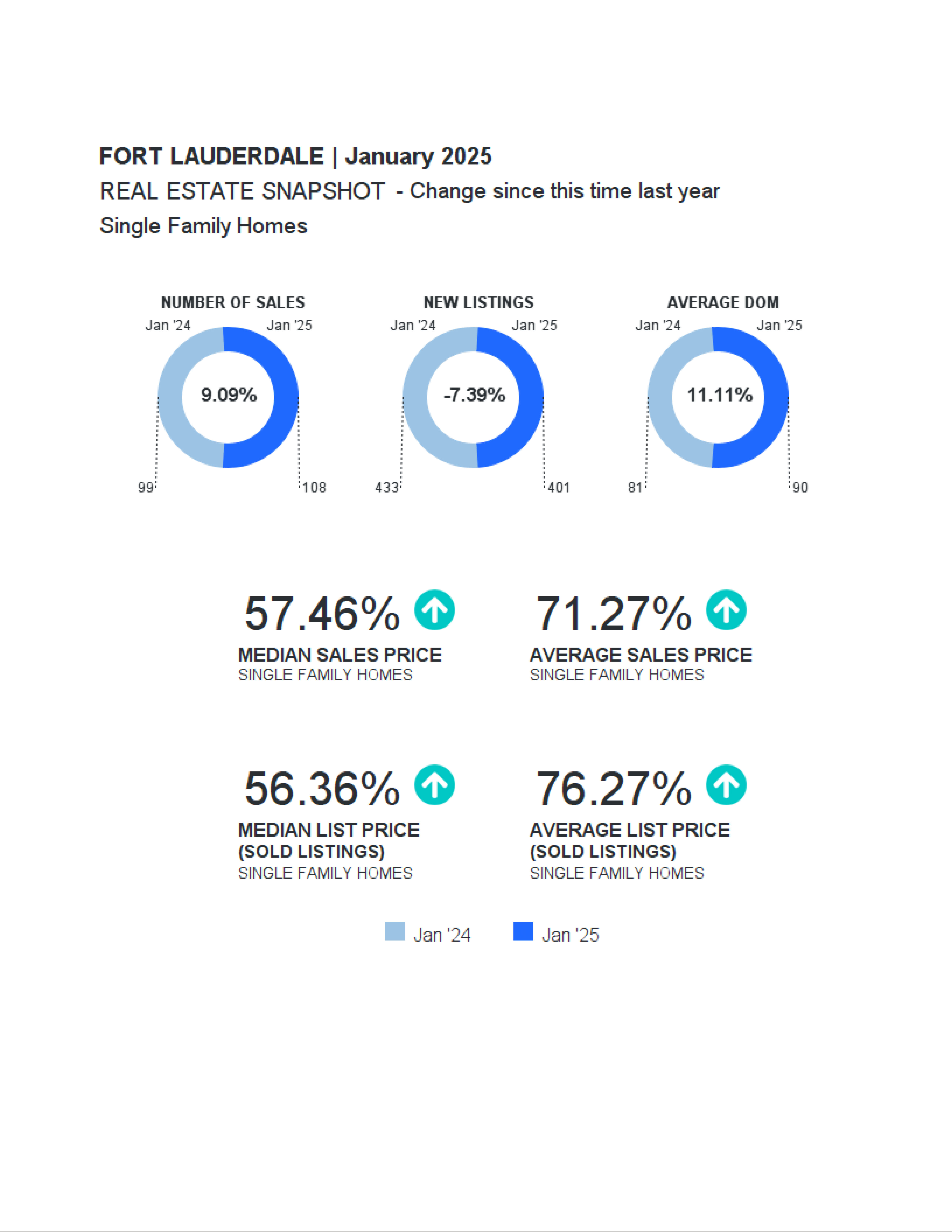
Single Family Home Area Report listed first, Condo/Townhouses listed second:
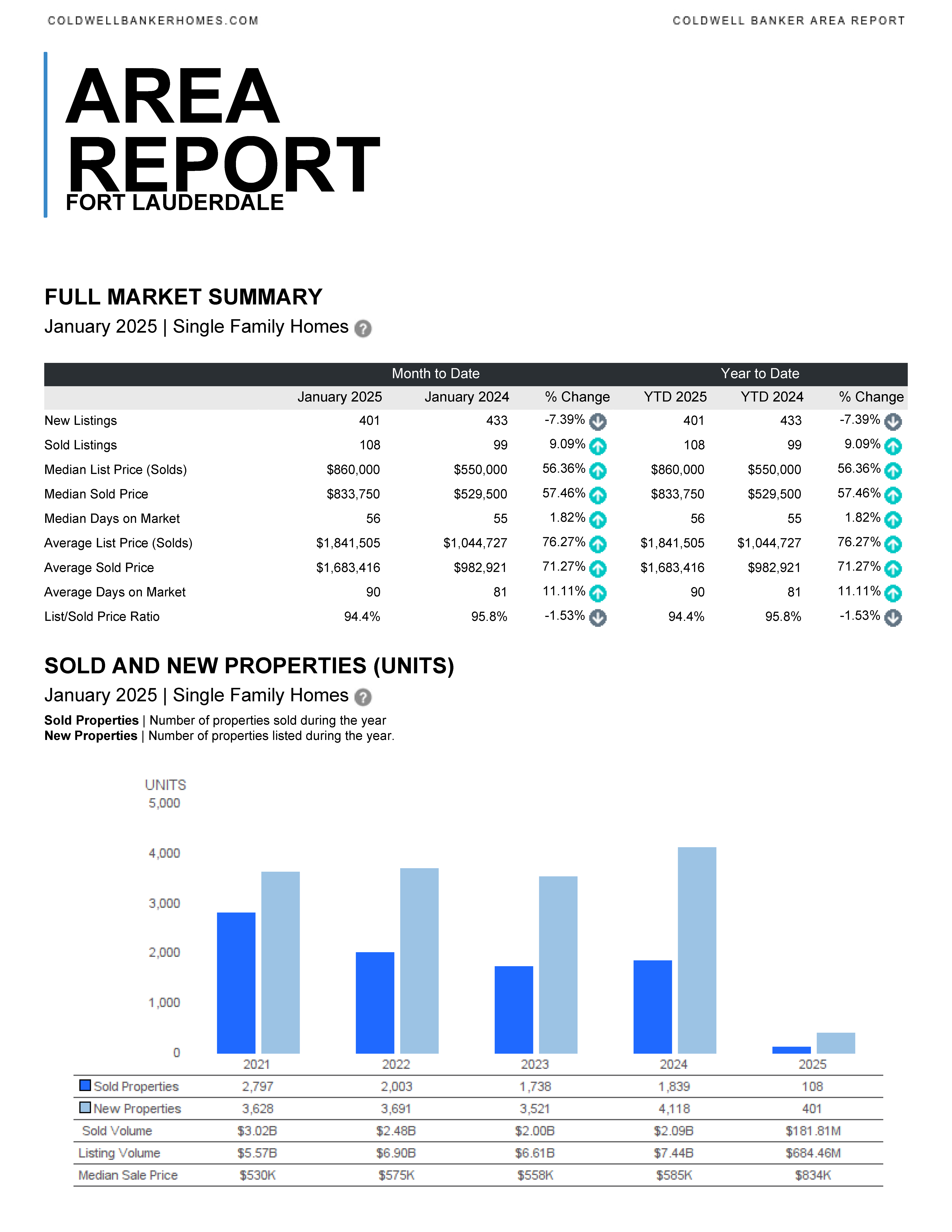
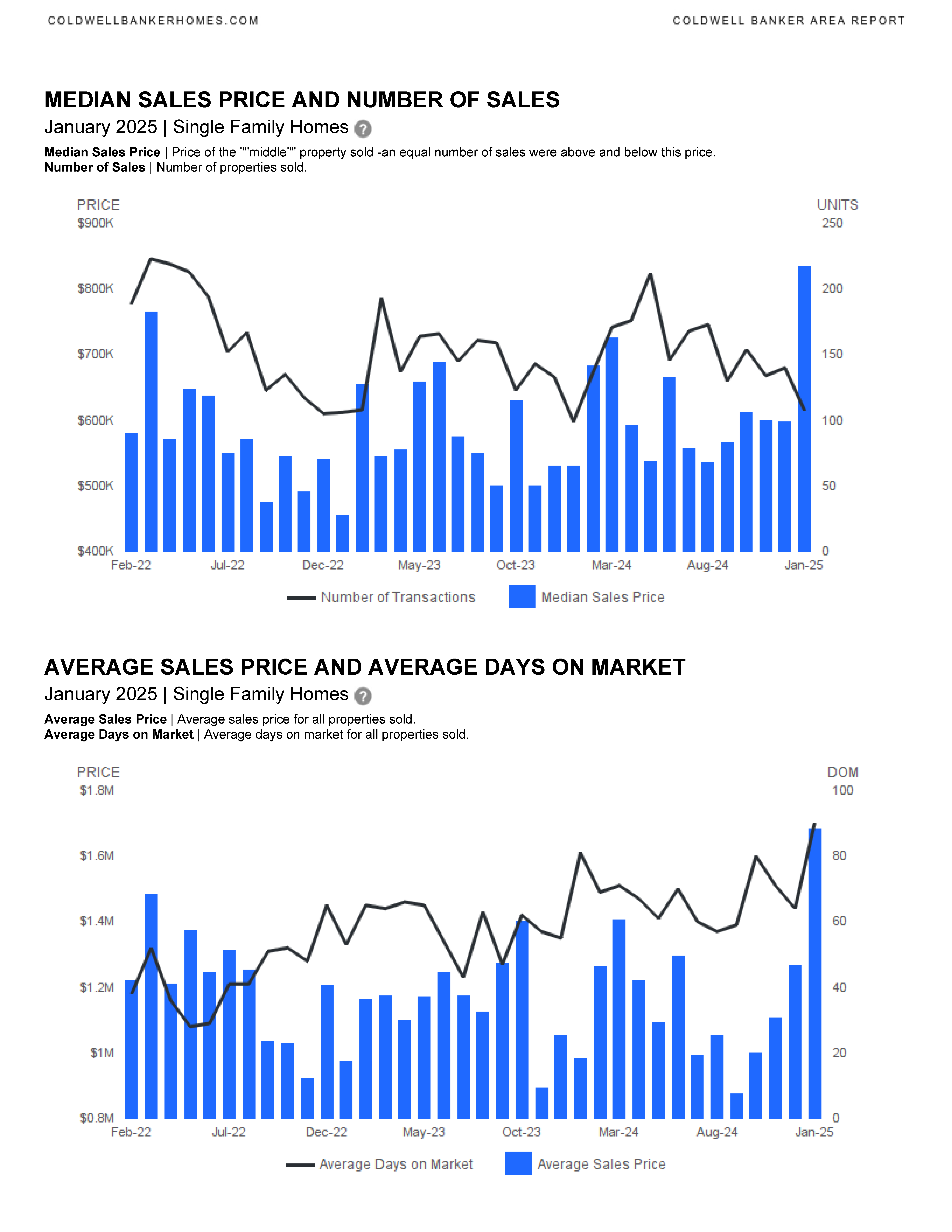
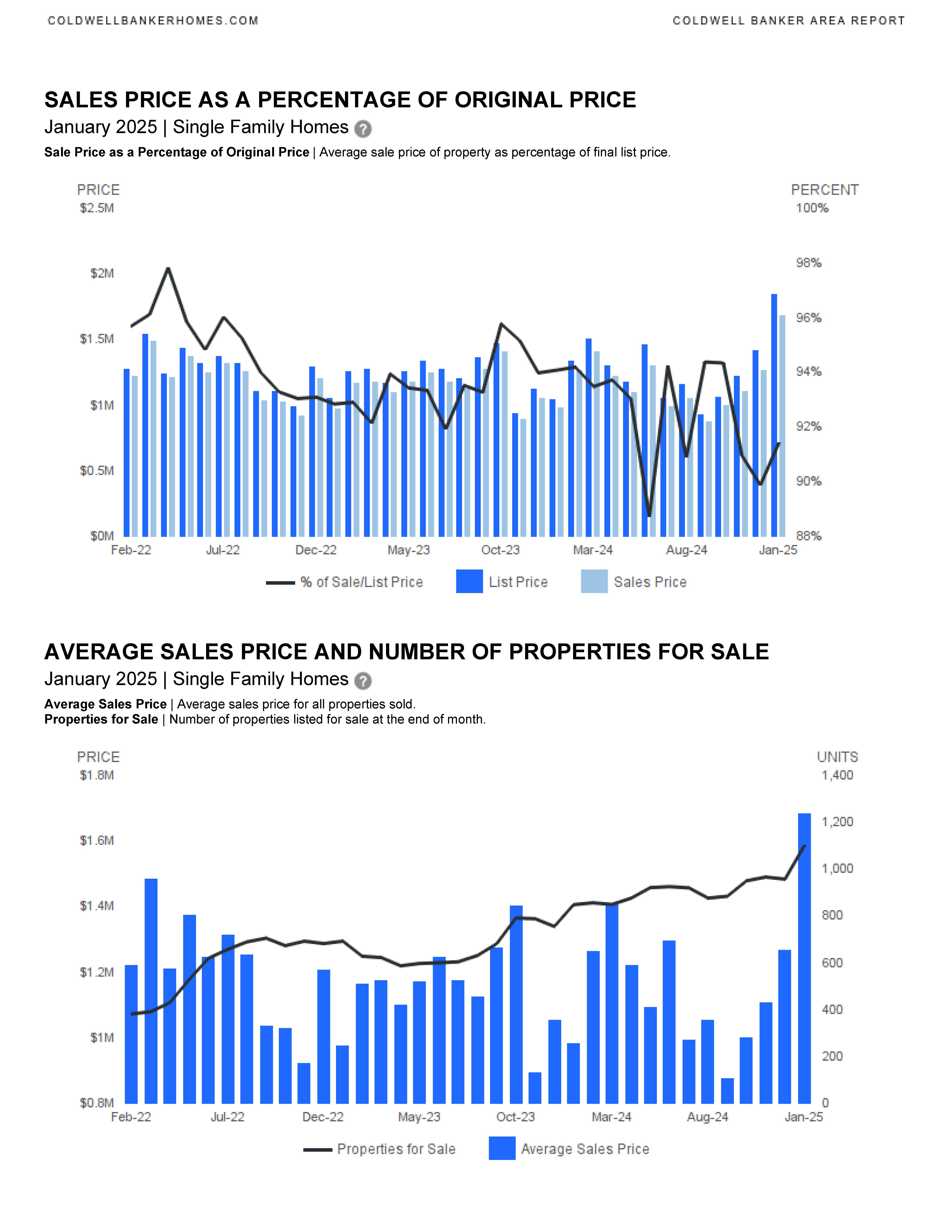
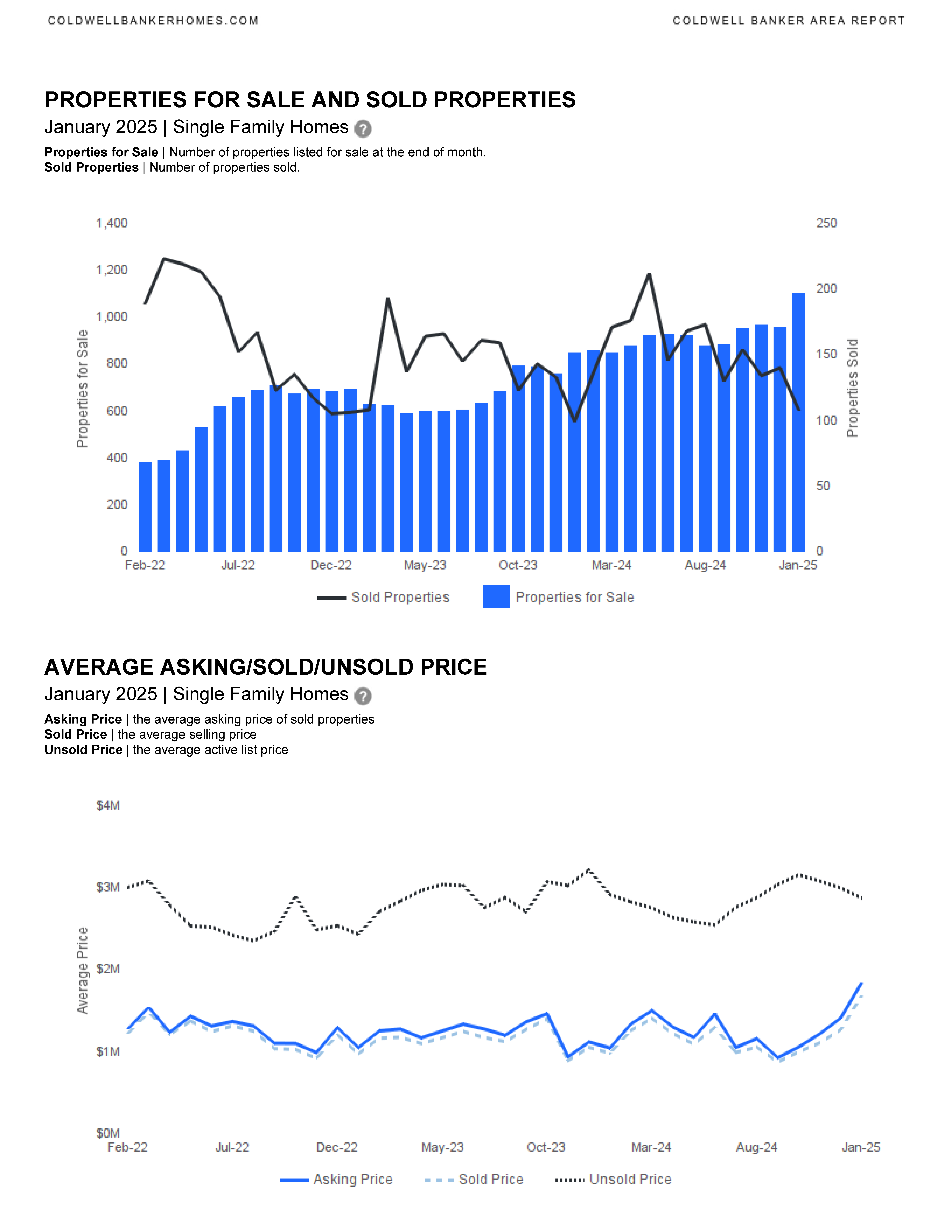
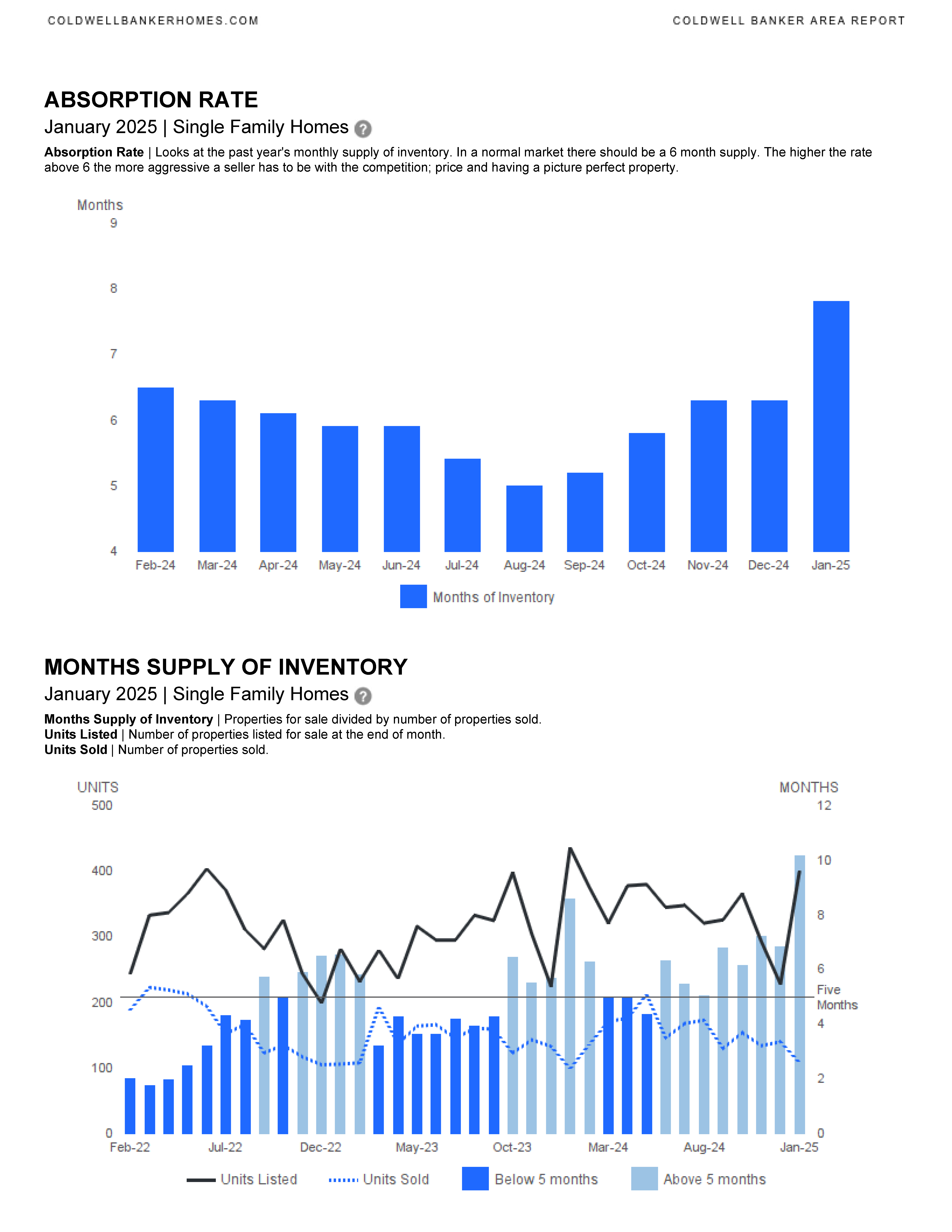
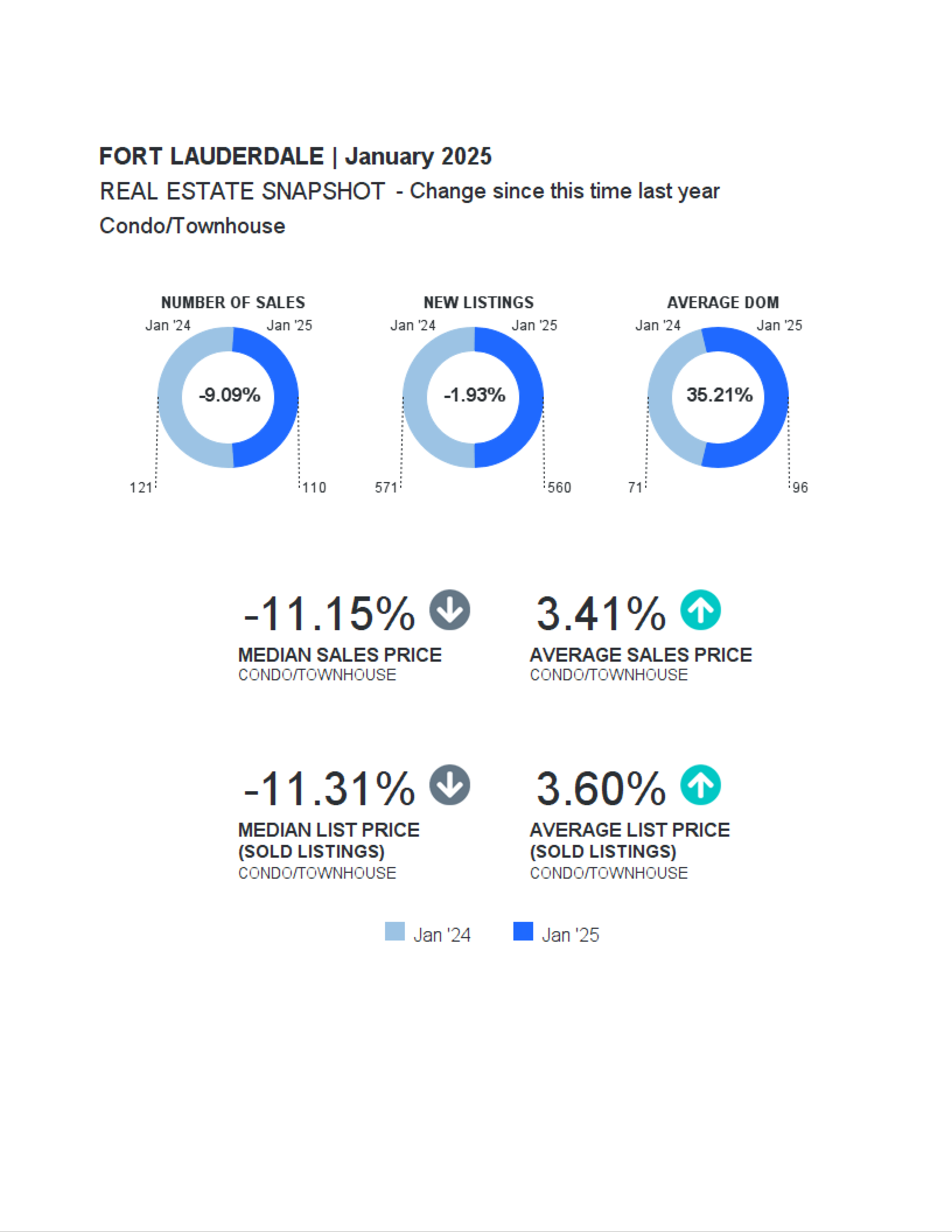
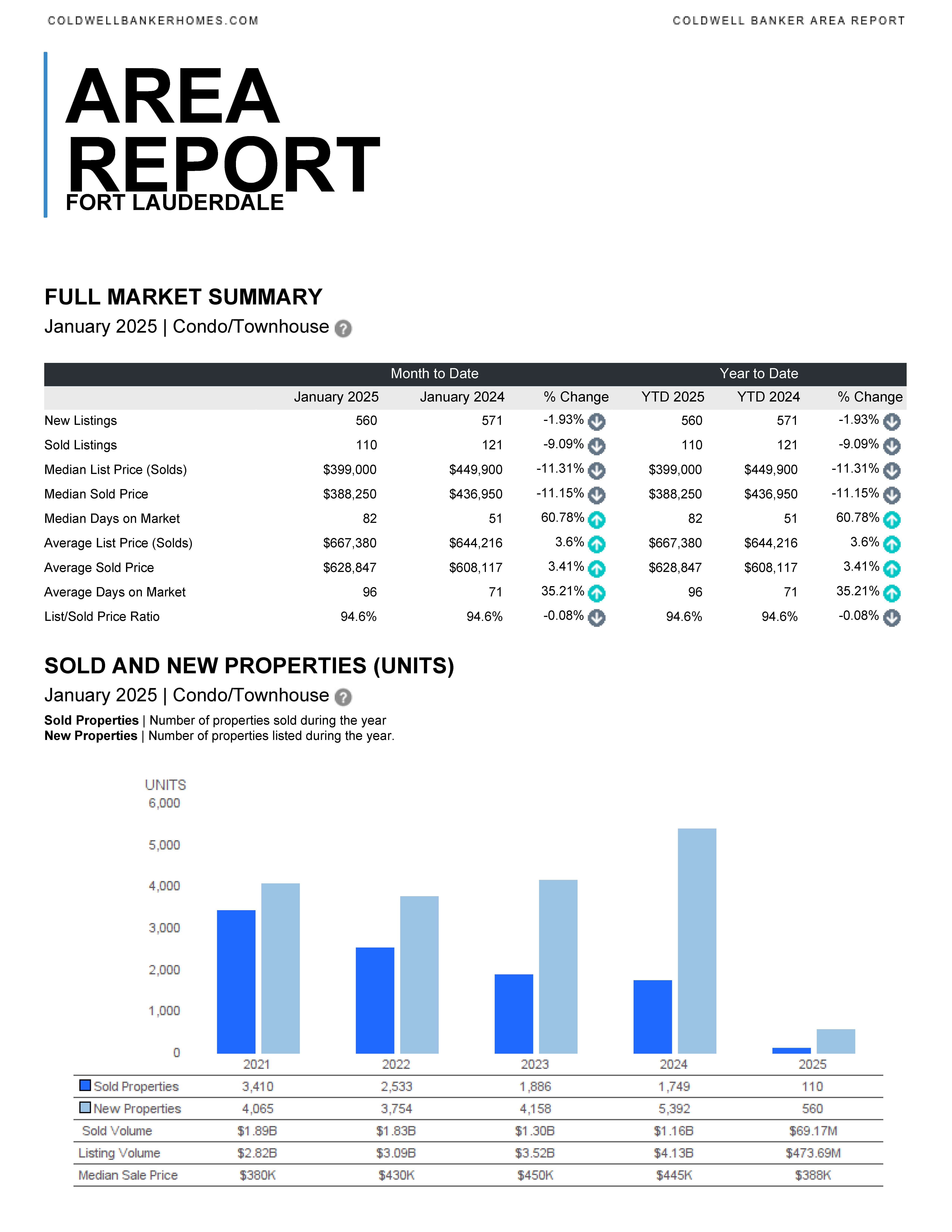
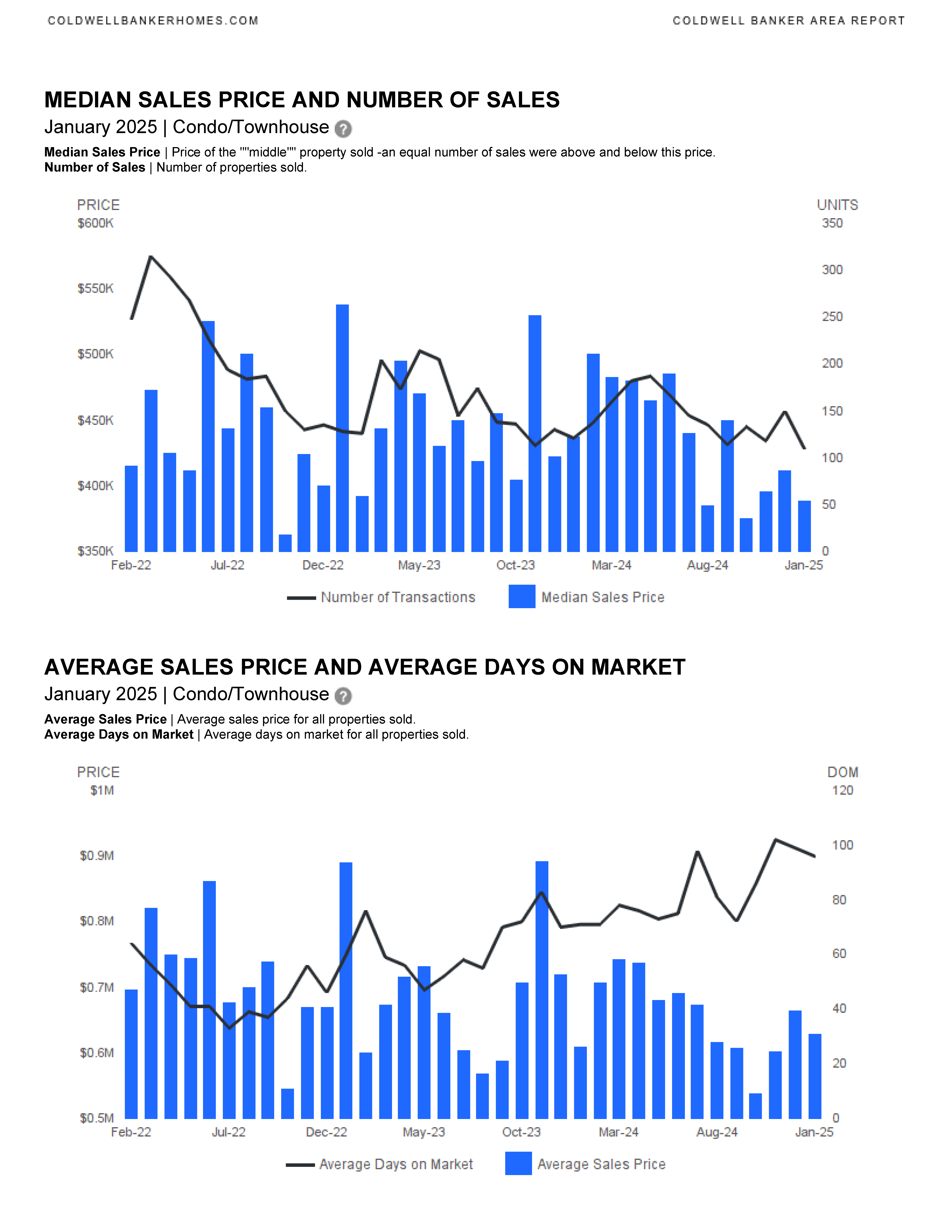
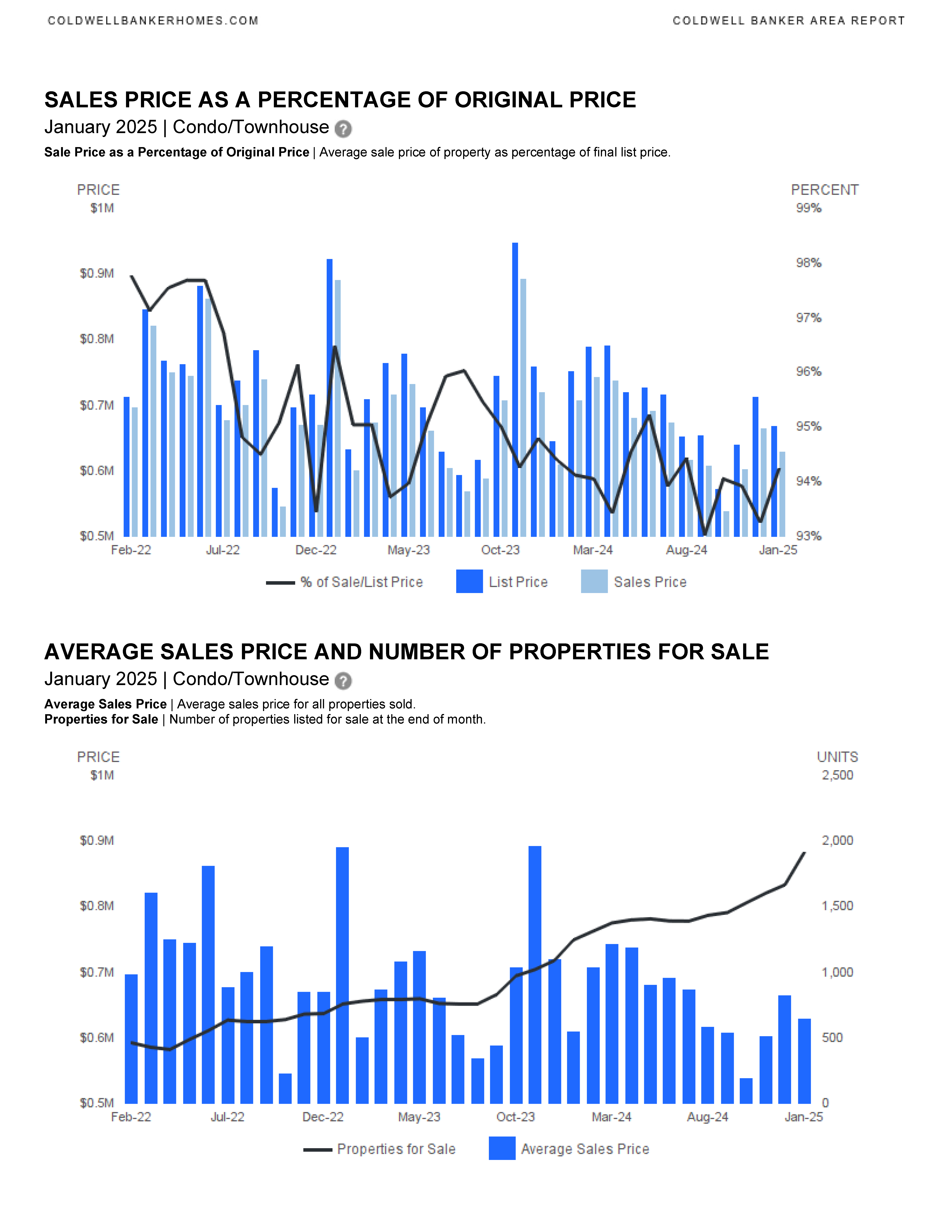
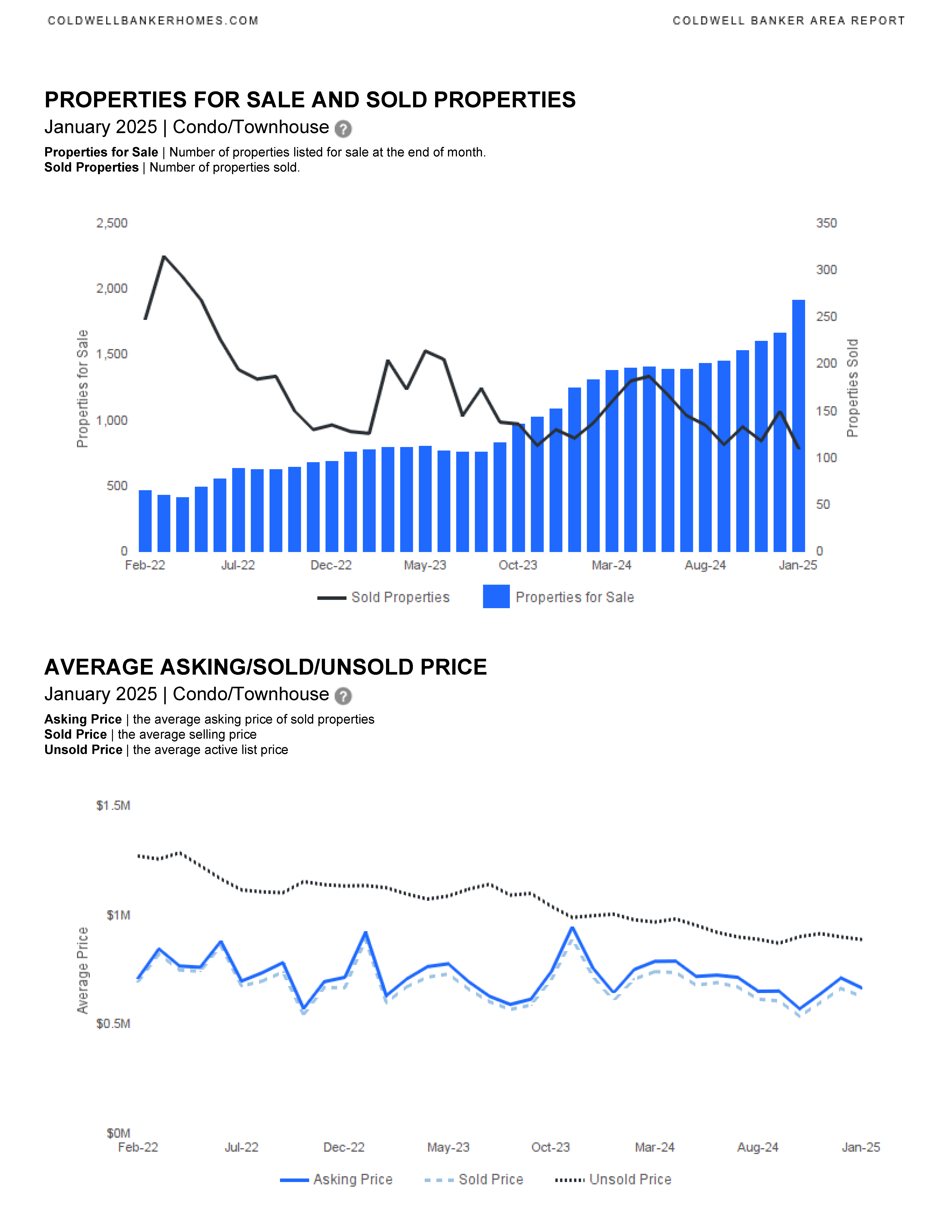
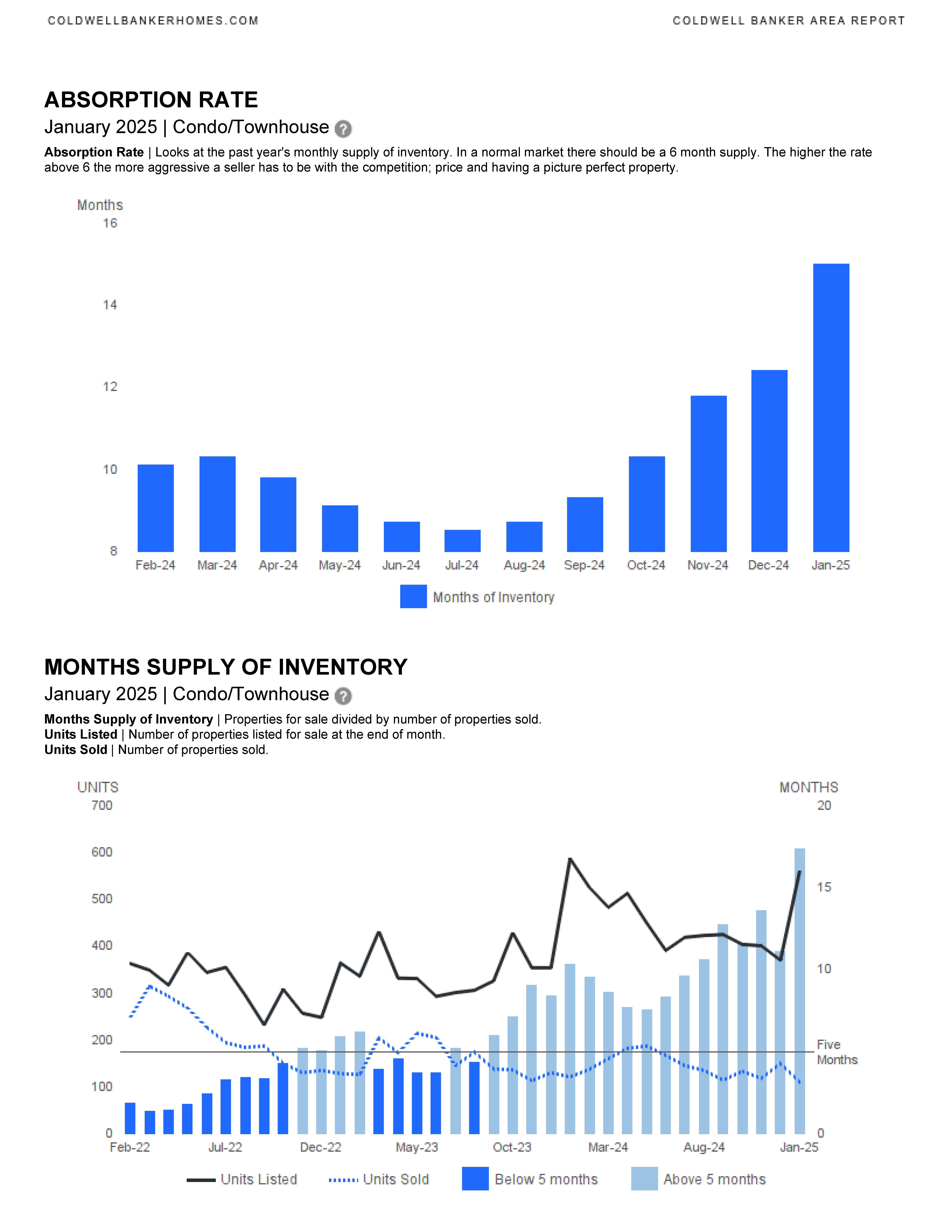

Please contact me if you would like to be sent updated area market reports for Fort Lauderdale or another SE Florida city. We can discuss the market, current trends and how we can work together to accomplish your real estate goals. I am here to help.
CONTACT ANNETTE
Let’s start working together!
Annette Dammeyer, REALTOR®, ABR®, AHWD®
Coldwell Banker Realty
901 E Las Olas Blvd STE 101, Fort Lauderdale, FL 33301
808.747.3686
SL 3535792
What to Look for During a Home Inspection
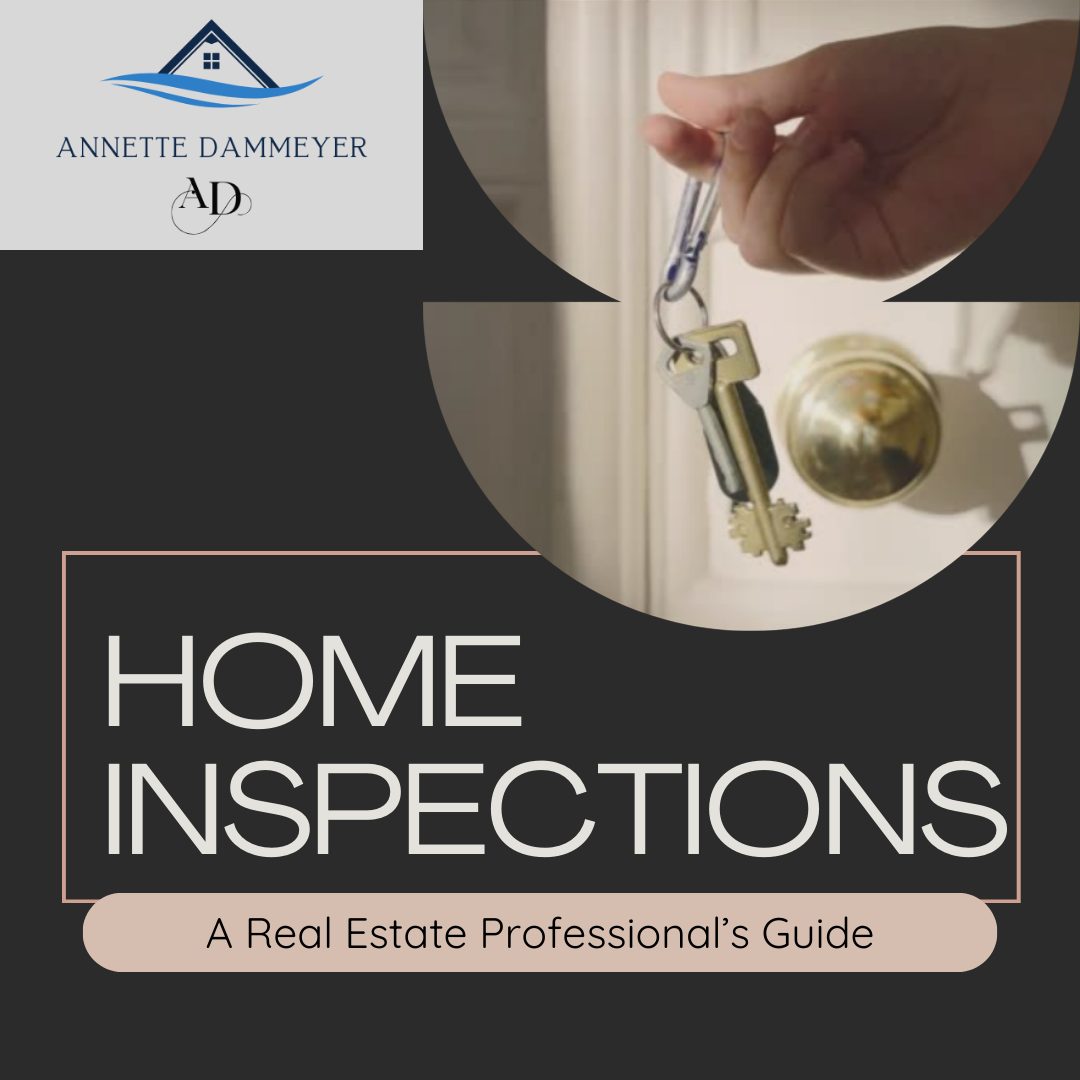
What to Look for During a Home Inspection: A Real Estate Professional’s Guide
Whether you’re buying a home or selling one, a home inspection is a vital step that can save you time, money, and stress. As an experienced real estate professional, I’ve helped both buyers and sellers navigate the inspection process. Here’s what you need to know to make the most of this crucial stage, whether you’re preparing to close on a home or getting your property ready for the market.
Why a Home Inspection Matters for Buyers and Sellers
For buyers, a home inspection is your chance to uncover potential issues before finalizing your purchase. It provides peace of mind and ensures you’re making a sound investment. For sellers, a pre-listing home inspection helps you identify and address problems upfront, streamlining the selling process and potentially increasing your home’s value.
Key Areas to Focus On During a Home Inspection
1. Foundation and Structure
For both buyers and sellers, the foundation is critical to a home’s integrity. Look for:
- Cracks in walls, floors, or ceilings.
- Doors or windows that stick or don’t align properly.
- Uneven floors or signs of settling.
2. Roof and Attic
A damaged roof can deter buyers and lead to expensive repairs. Check for:
- Missing, curling, or damaged shingles.
- Signs of water damage or leaks.
- Proper ventilation in the attic to prevent mold and mildew.
3. Plumbing System
Plumbing issues can be costly if overlooked. Pay attention to:
- Water pressure and flow in all faucets and showers.
- Signs of leaks under sinks or in visible pipes.
- The condition of the water heater, including its age and potential rust.
4. Electrical System
Outdated or faulty electrical systems can pose safety hazards. Look for:
- Outlets that don’t work or are outdated (two-prong instead of grounded three-prong).
- Exposed wiring or overloaded breaker panels.
- The age and condition of the electrical panel.
5. HVAC System
Heating, ventilation, and air conditioning systems impact comfort and energy efficiency. Ask about:
- The age and maintenance history of the furnace and air conditioner.
- Visible signs of wear or unusual noises during operation.
- Proper insulation and ductwork.
6. Windows and Doors
Energy efficiency and security depend on well-maintained windows and doors. Inspect for:
- Drafts or difficulty opening and closing.
- Cracks or condensation between panes in double-paned windows.
- Adequate weatherstripping to prevent energy loss.
7. Basement and Crawl Spaces
Moisture issues in these areas can lead to bigger problems. Look for:
- Signs of water intrusion, such as dampness or a musty smell.
- Cracks in the foundation walls.
- Evidence of termites or other pests.
8. Exterior Features
The home’s exterior sets the first impression and protects it from the elements. Examine:
- The condition of siding, brick, or stucco.
- Drainage around the property to ensure water flows away from the foundation.
- Decks, patios, and fences for rot or structural issues.
Benefits of a Pre-Listing Inspection for Sellers
A pre-listing inspection offers sellers several advantages:
- Avoid Surprises: Address issues before buyers discover them.
- Streamline Negotiations: Reduce the likelihood of repair requests or credits.
- Enhance Marketability: Showcase your home as move-in ready.
Additional Tips for Buyers and Sellers
- Be Present: Attend the inspection to ask questions and see issues firsthand.
- Hire a Qualified Inspector: Look for licensed and experienced professionals with good reviews.
- Request a Detailed Report: Ensure the inspector provides a comprehensive report with photos and descriptions of any concerns.
- Prioritize Repairs: For sellers, focus on cost-effective fixes that add value and attract buyers.
What to Do After the Inspection
For Buyers:
- Review the report with your real estate agent.
- Negotiate repairs or credits with the seller if necessary.
- Decide to move forward with the purchase, renegotiate, or walk away if issues are significant.
For Sellers:
- Use the inspection report to make strategic repairs.
- Highlight completed repairs in your listing to attract buyers.
- Work with your agent to set a competitive price based on the home’s condition.
Whether you’re buying or selling, a home inspection is a valuable tool for making informed decisions. By addressing potential issues upfront and working with trusted professionals, you can ensure a smoother transaction and a better outcome.
If you’re navigating the real estate process and have questions about inspections or other steps, feel free to reach out. I’m here to guide you every step of the way!
CONTACT ANNETTE
Let’s start working together!
Annette Dammeyer, REALTOR®, ABR®, AHWD®
Coldwell Banker Realty
901 E Las Olas Blvd STE 101, Fort Lauderdale, FL 33301
808.747.3686
SL 353579
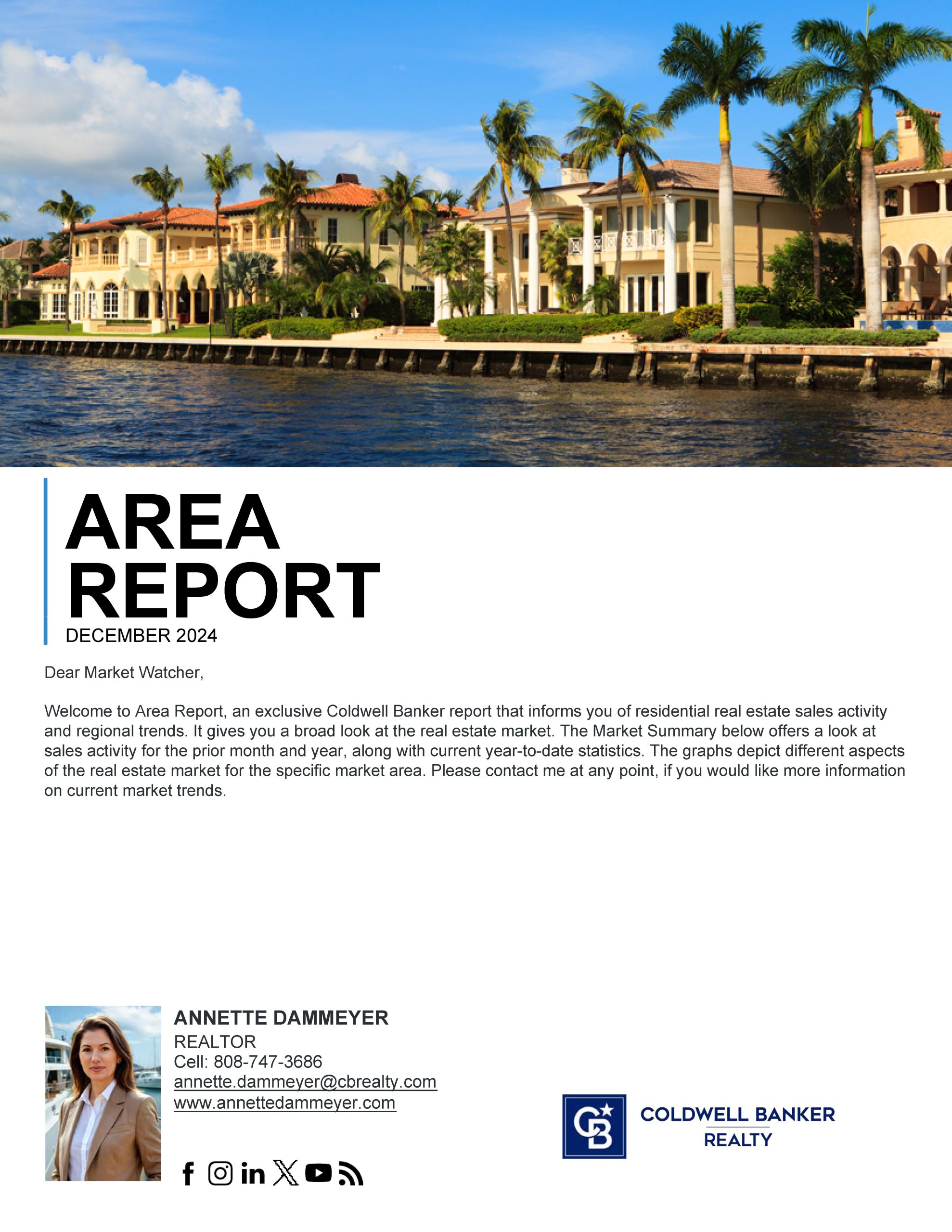
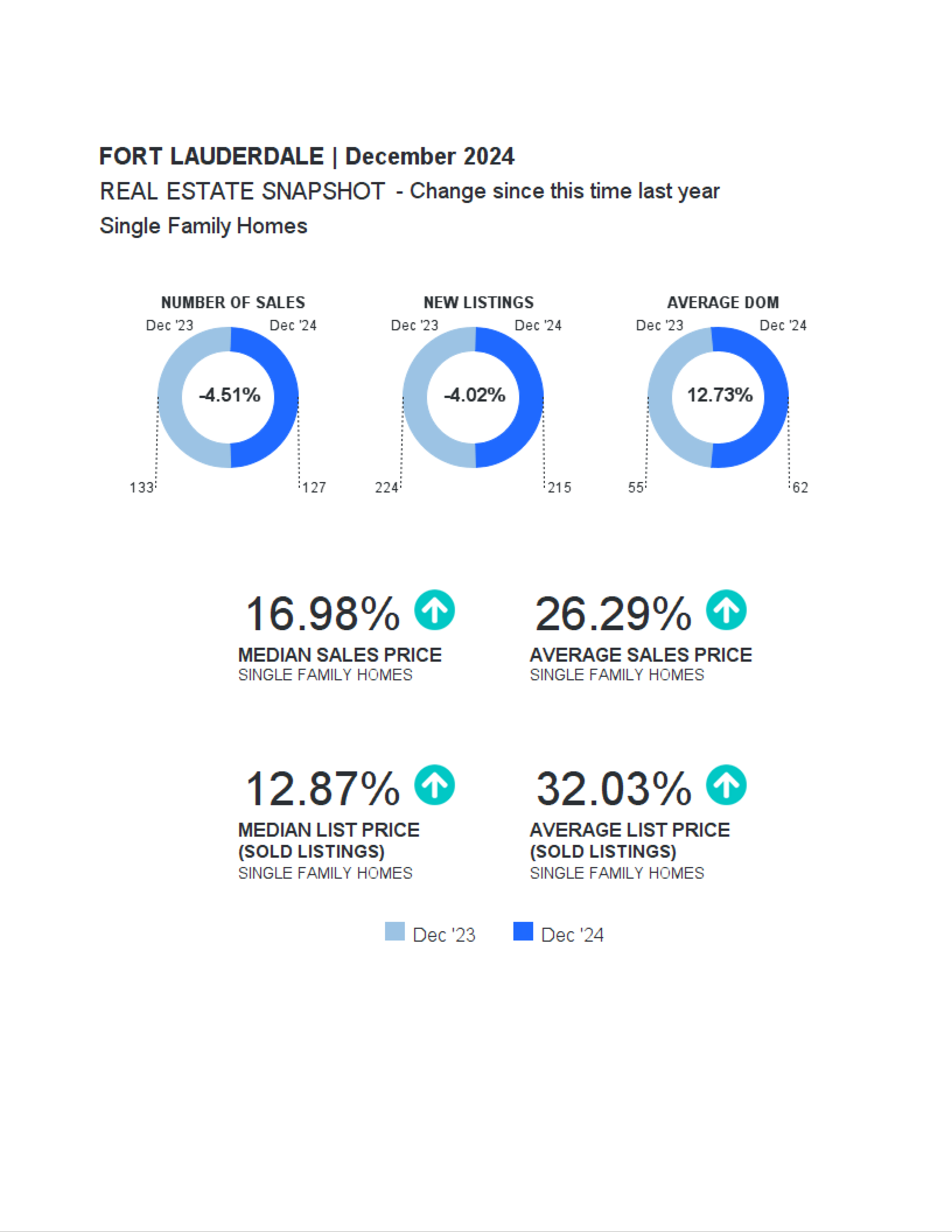
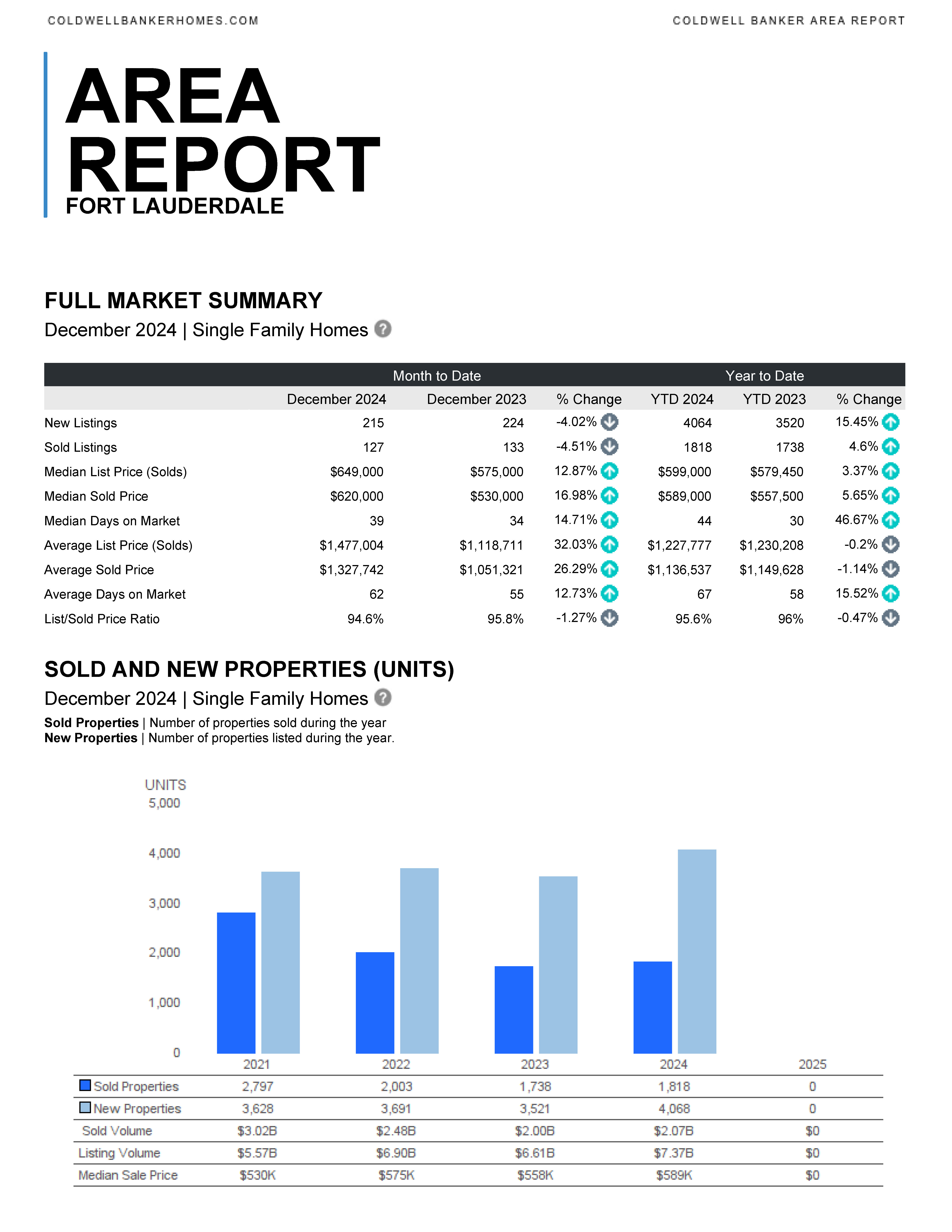
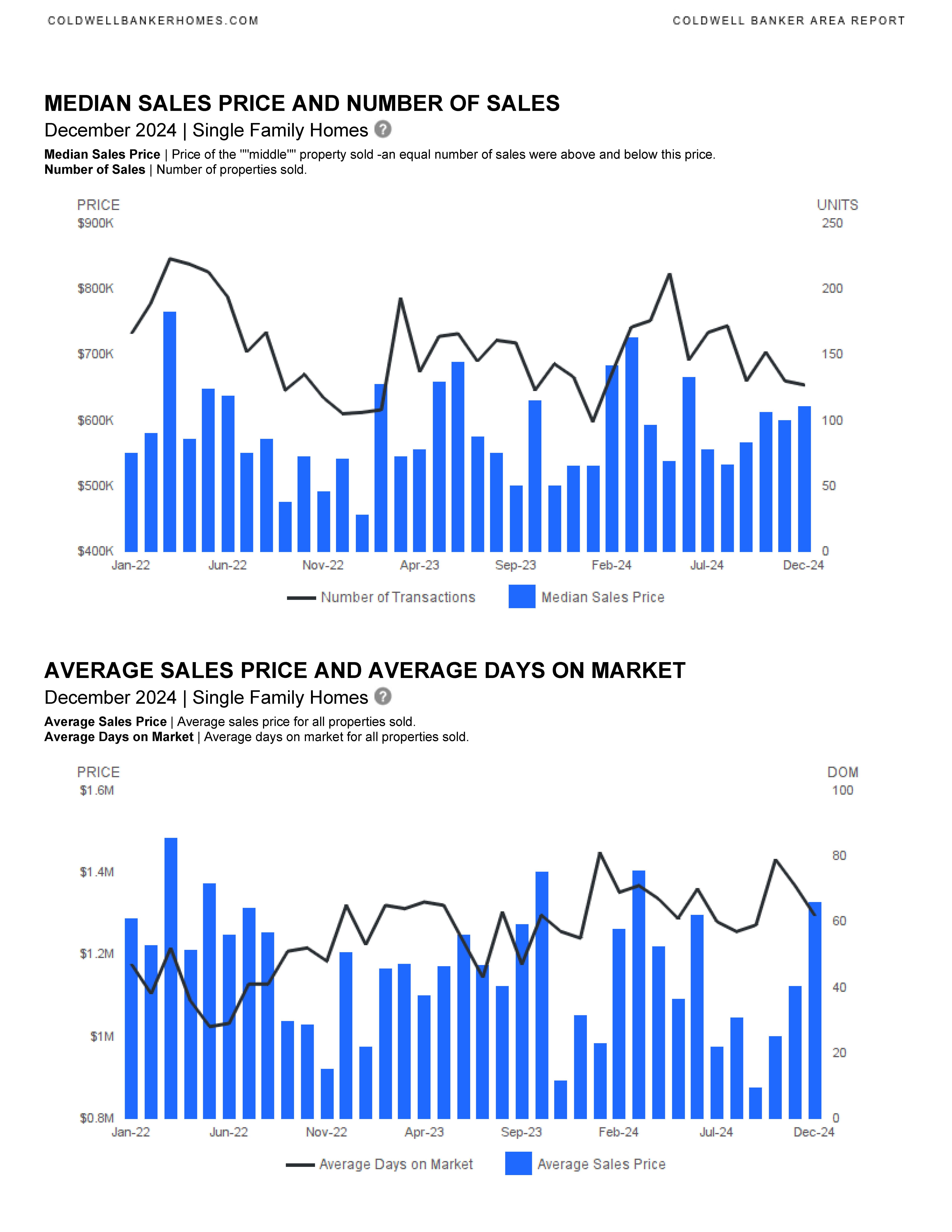
Fort Lauderdale December 2024 Area Report
Fort Lauderdale December 2024 real estate statistics have been released.
Fort Lauderdale Area Reports
Single Family Homes
Condominium & Townhouses
Commonly asked questions while reviewing the reports:
What is the difference between “Median Sales Price” and “Average Sales Price”?
Median Sales Price | Price of the “”middle”” property sold -an equal number of sales were above and below this price.
Average Sales Price | Average sales price for all properties sold.
What does “Absorption Rate” mean?
Absorption Rate | Looks at the past year’s monthly supply of inventory. In a normal market there should be a 6 month supply. The higher the rate above 6 the more aggressive a seller has to be with the competition; price and having a picture perfect property.
Single Family Home Area Report listed first, Condo/Townhouses listed second:
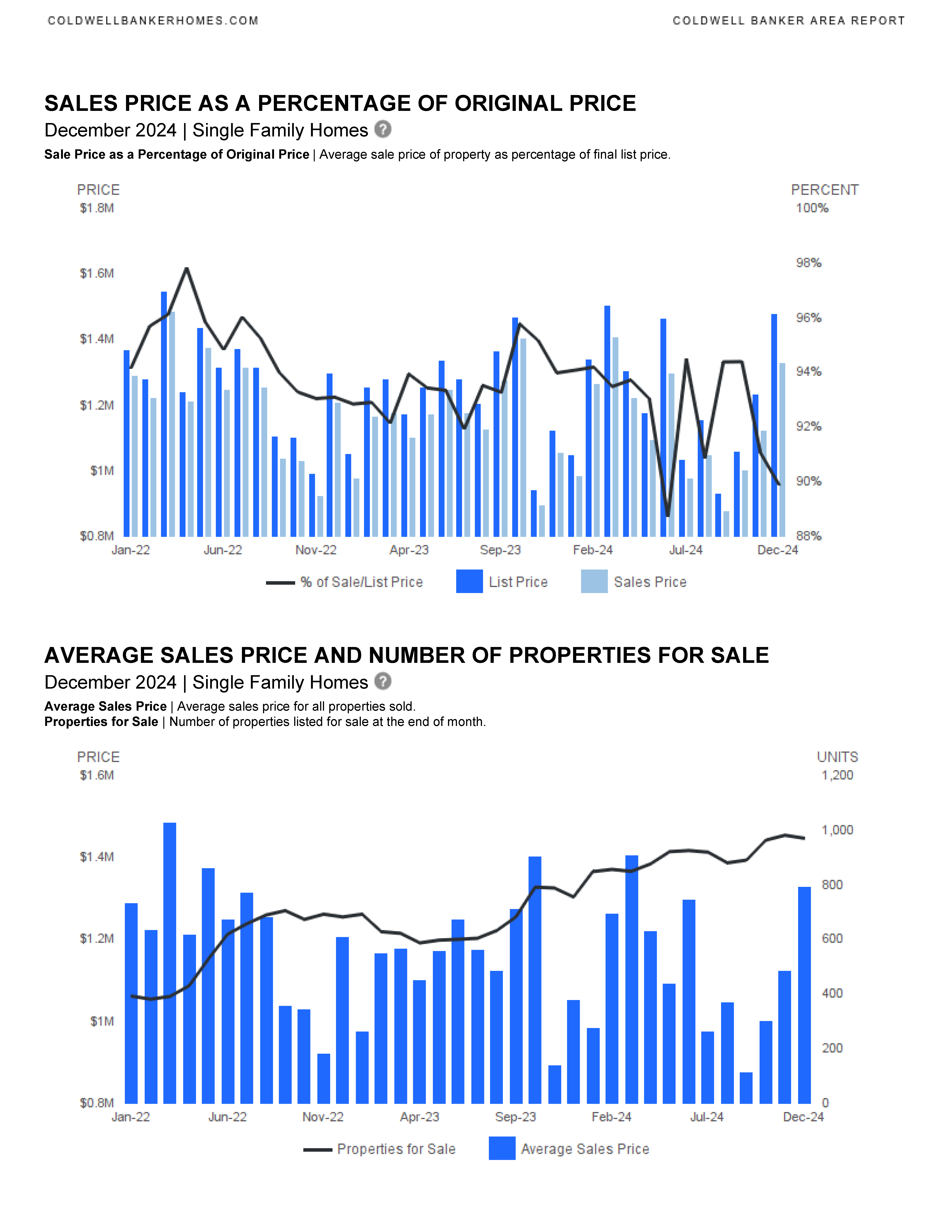
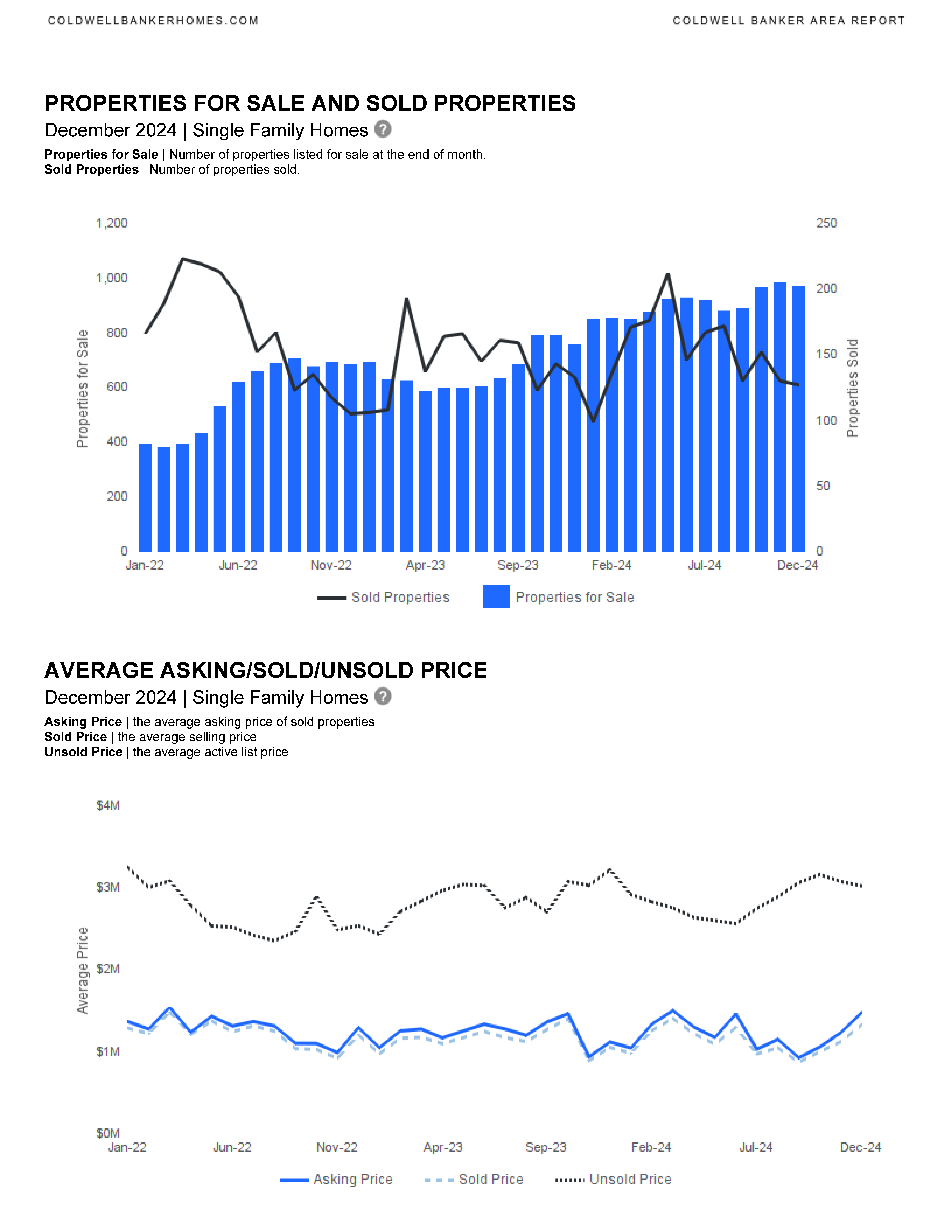
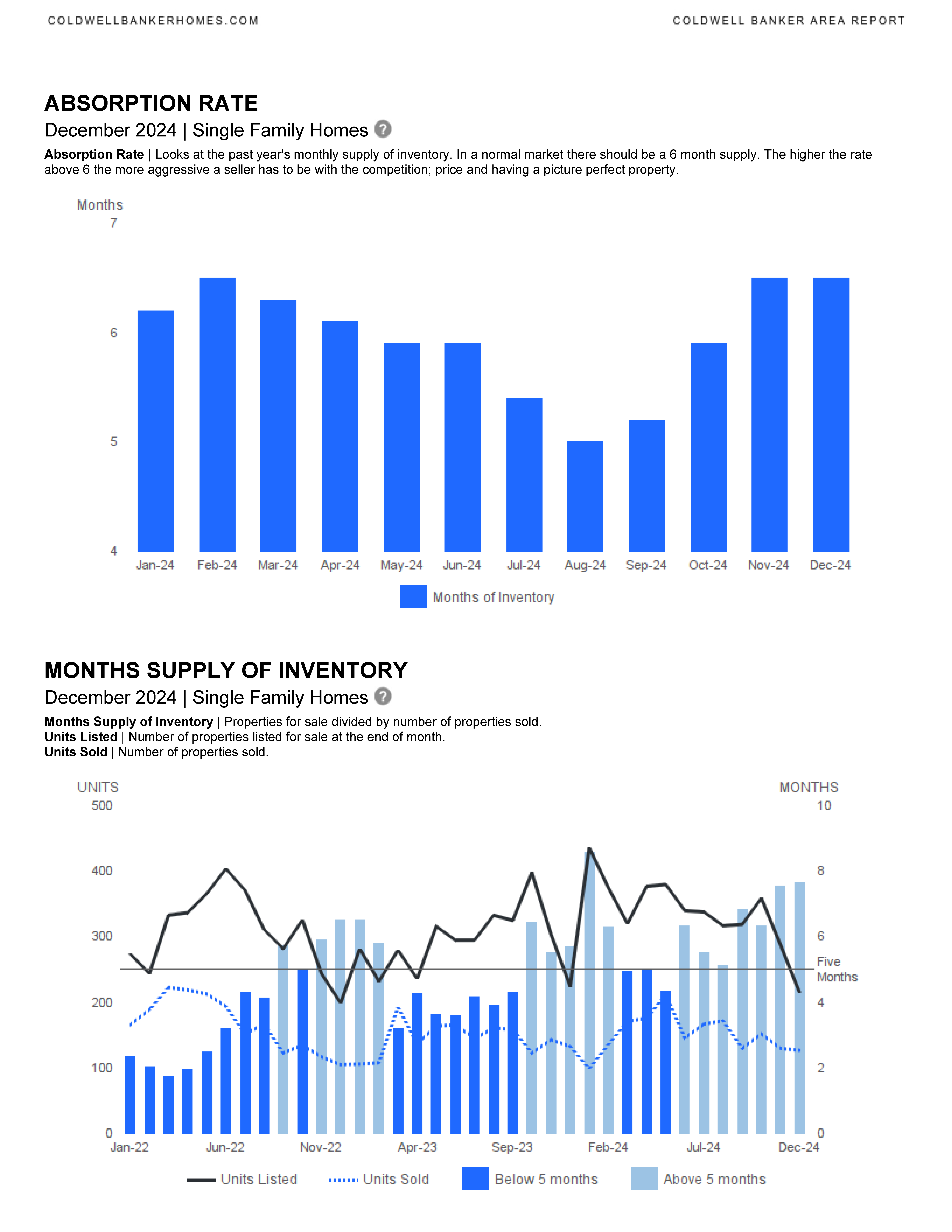
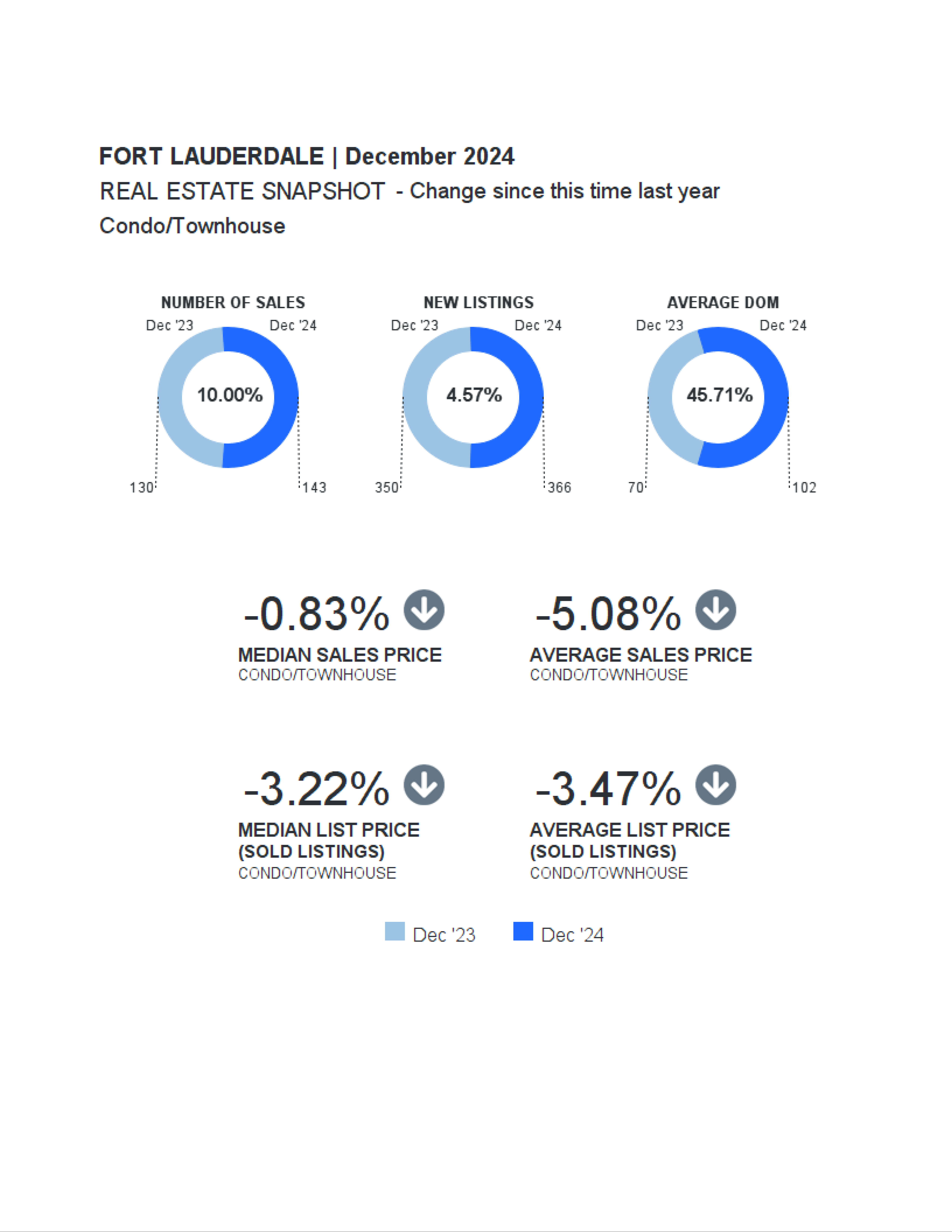
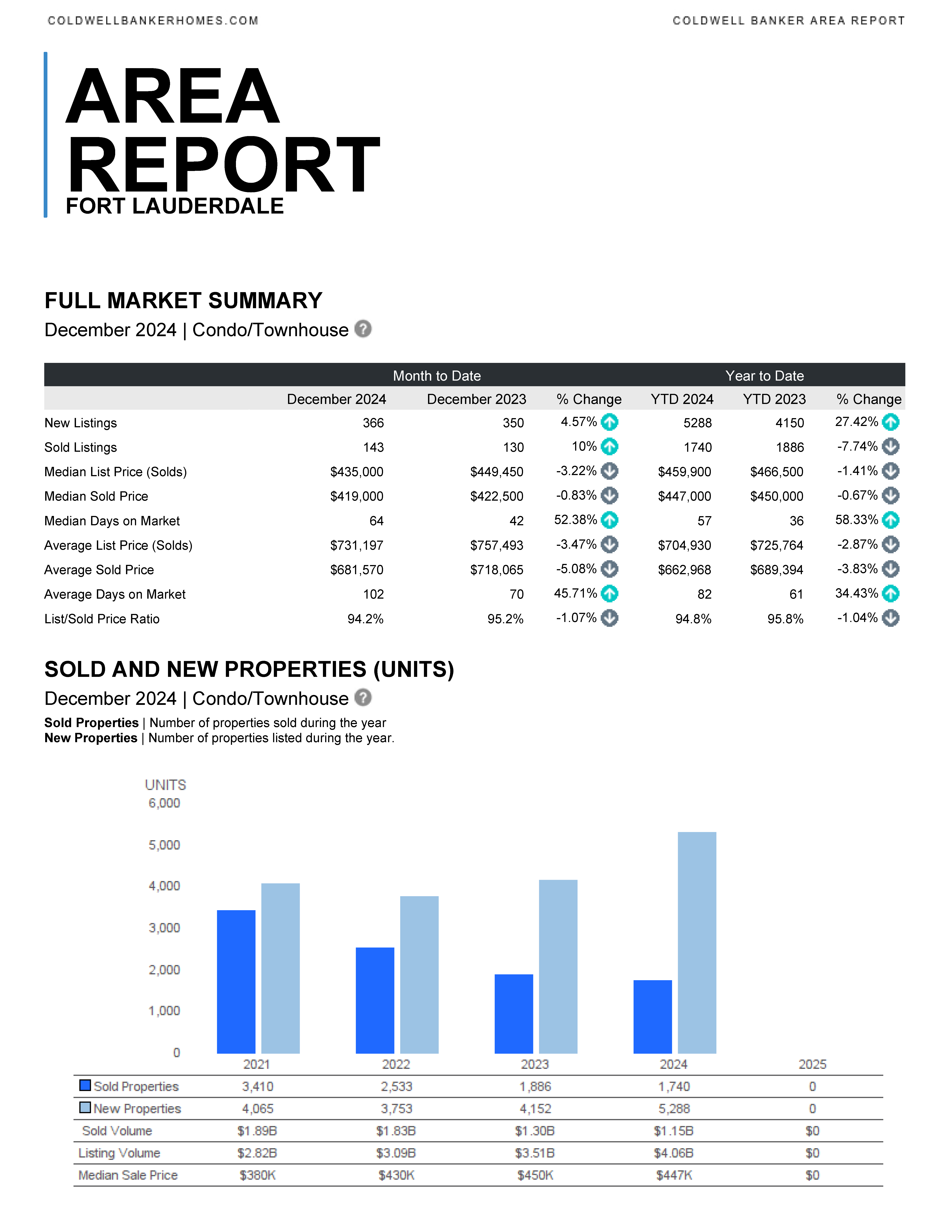
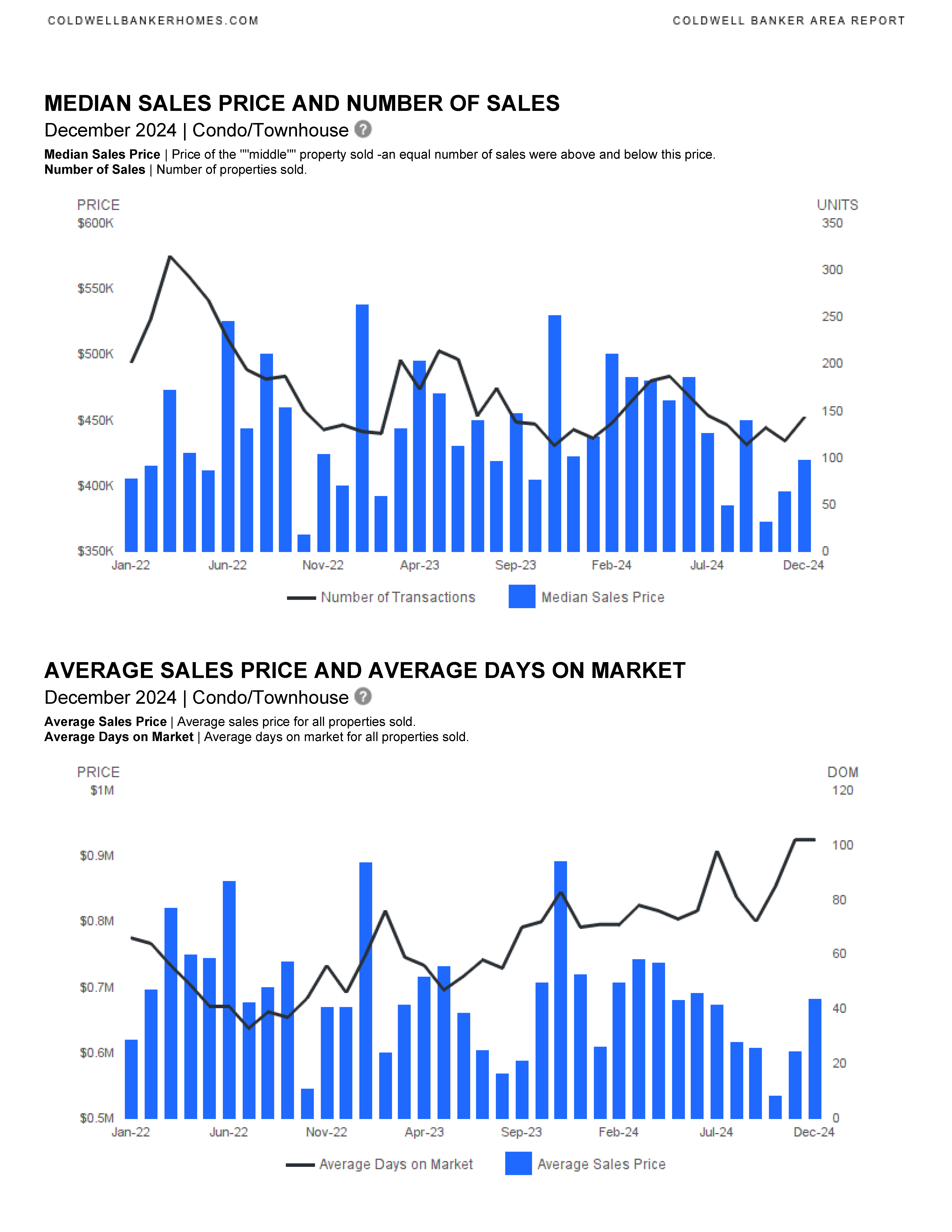
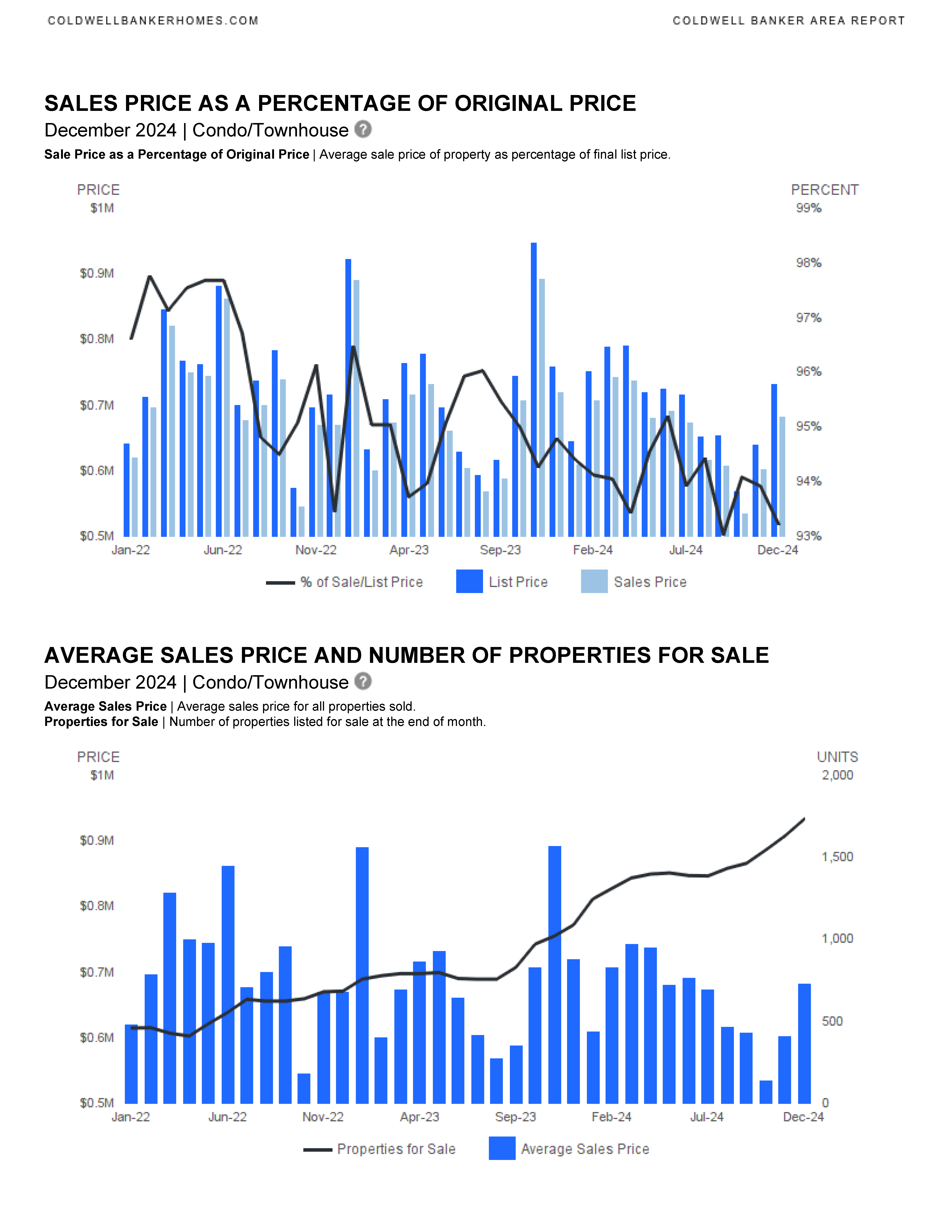
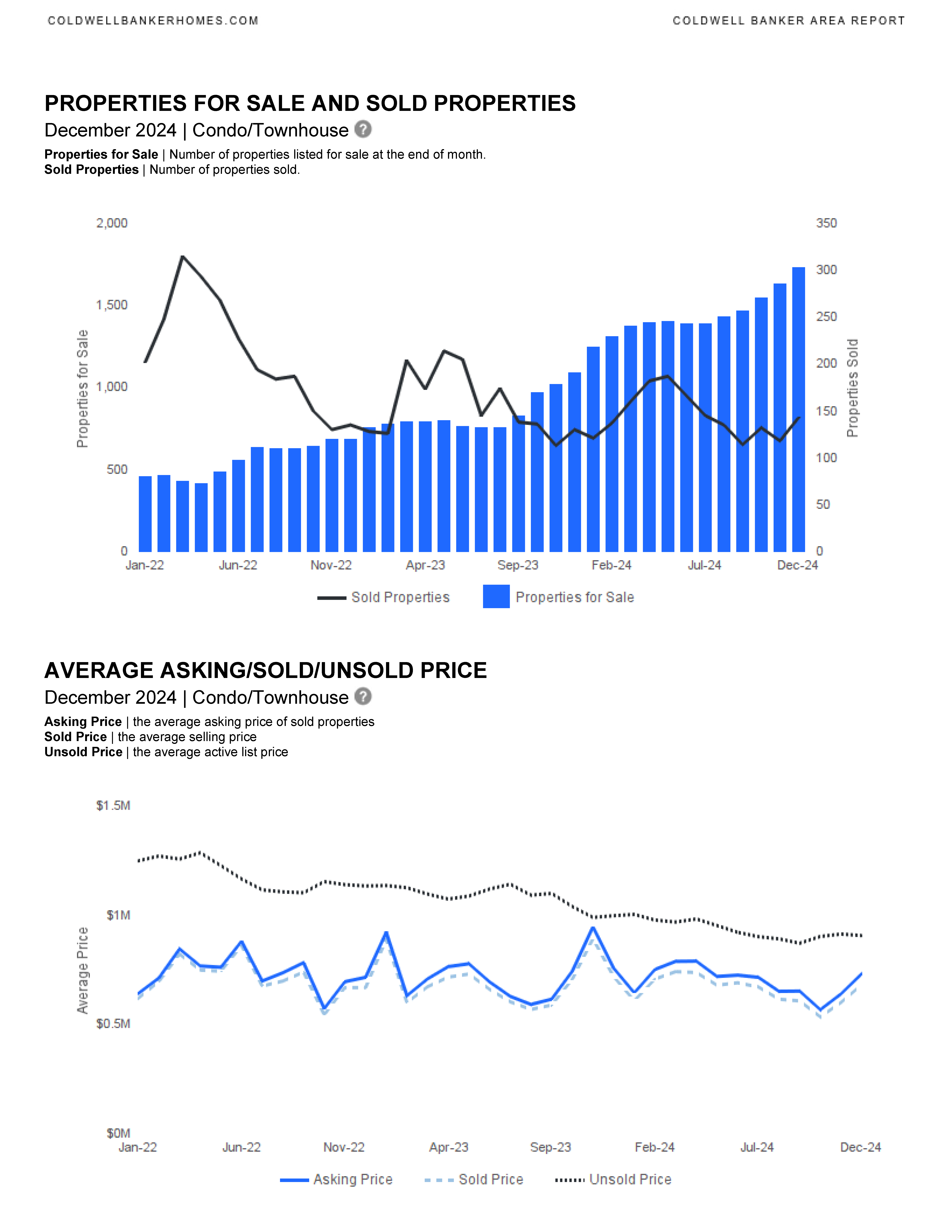
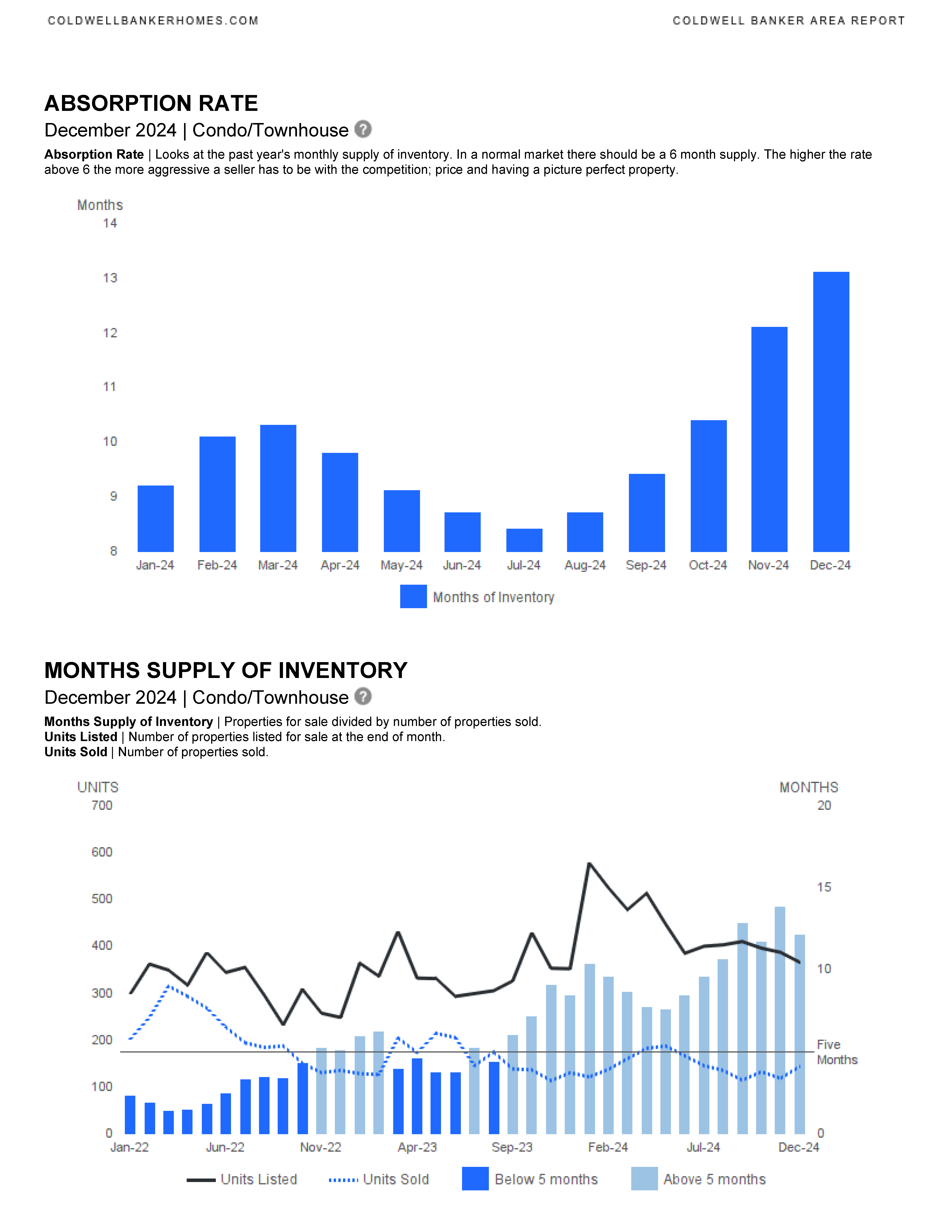

Please contact me if you would like to be sent updated area market reports for Fort Lauderdale or another SE Florida city. We can discuss the market, current trends and how we can work together to accomplish your real estate goals.
CONTACT ANNETTE
Let’s start working together!
Annette Dammeyer, REALTOR®, ABR®, AHWD®
Coldwell Banker Realty
901 E Las Olas Blvd STE 101, Fort Lauderdale, FL 33301
808.747.3686
SL 353579
It is Organize Your Home Day!!
Happy Organize Your Home Day! Declutter, refresh, and get ready to make your space shine. Here are 5 expert tips to help you create a home you love!
Top 5 Ways to Organize Your Home: Tips from Your Trusted Real Estate Agent
Did you know January 14th is Organize Your Home Day? Whether you’re getting ready to list your home, have recently moved in, or just want to enjoy a more harmonious space, organizing is the perfect way to start the year fresh. As a real estate agent, I’ve seen firsthand how a well-organized home not only looks better but also feels better. Let’s dive into my top 5 tips for organizing your home, making it a more welcoming and functional space.
1. Declutter First, Organize Second You can’t organize clutter. Start by assessing what you truly need and love in each room. Donate, recycle, or toss items that no longer serve you. A great rule of thumb is the one-year rule: if you haven’t used it in a year, it’s time to let it go.
Pro Tip for Sellers: Decluttering makes your home appear larger and more appealing to buyers. Plus, you’ll have fewer items to pack when you move.
2. Create Zones in Each Space Designate specific areas for different activities or items. For example, in your kitchen, group similar items like baking tools, spices, or snacks together. In living spaces, create zones for entertainment, reading, and relaxation.
Pro Tip for Buyers: When touring homes, look for spaces that can be easily zoned for your needs. This can help you visualize how your belongings will fit.
3. Invest in Storage Solutions Use storage containers, bins, and baskets to keep items organized. Clear bins work wonders for visibility, while decorative baskets add style to shelves and counters. Don’t forget vertical storage options like wall hooks, pegboards, or shelving units.
Pro Tip for Homeowners: Utilize underused spaces like under the bed or high shelves in closets for seasonal items or rarely used belongings.
4. Label Everything Labels bring clarity and consistency to your organization efforts. Whether you’re using a label maker or handwritten tags, clear labeling ensures everyone in the household knows where things belong.
Pro Tip for Families: Labels are especially helpful for kids, encouraging them to tidy up after themselves.
5. Schedule Regular Maintenance Organization isn’t a one-and-done task. Set a routine to revisit and refresh your spaces. Monthly check-ins help keep clutter at bay and ensure everything remains functional and tidy.
Pro Tip for Sellers: Before showings, do a quick walk-through to ensure your organized spaces look pristine and inviting.
Organizing your home not only enhances your daily life but also adds value to your property. Whether you’re staying put, buying, or selling, an organized home is always a step in the right direction.
Happy Organize Your Home Day! — Your trusted real estate partner.
If you’re thinking about selling or need advice on staging your home, I’m here to help. Let’s make your space work for you — and for potential buyers!
CONTACT ANNETTE
Let’s start working together!
Annette Dammeyer, REALTOR®, ABR®, AHWD®
Coldwell Banker Realty
901 E Las Olas Blvd STE 101, Fort Lauderdale, FL 33301
808.747.3686
SL 353579
7 Sounds Homeowners Should Never Ignore

Sounds Homeowners Should Never Ignore and What They Could Mean
Your home speaks to you in subtle ways. Some sounds are routine—the hum of the refrigerator or the creak of a floorboard. However, others can signal serious problems that, if ignored, may result in costly repairs or dangerous situations. As a homeowner, learning to identify which sounds warrant immediate attention can save you money, stress, and even protect your family’s safety.
Here are seven common household sounds you should never ignore and what they might mean.
1. Banging or Knocking in the Pipes
What it sounds like: A loud banging or knocking noise coming from your plumbing when you turn on the water or shut it off.
What it means: This is often referred to as water hammer, caused by a sudden stop or change in water flow. The force sends shockwaves through the pipes, resulting in a loud noise. If left unchecked, it can loosen pipe connections, damage valves, or cause leaks.
What to do: Install a water hammer arrestor or have a plumber inspect your pipes to prevent long-term damage.
2. Scratching or Scurrying in the Walls or Attic
What it sounds like: Persistent scratching, rustling, or scurrying sounds coming from behind walls, ceilings, or in the attic.
What it means: These noises often indicate rodents, insects, or other pests have made your home theirs. Mice, rats, squirrels, and raccoons can cause extensive damage by chewing wires, insulation, and structural materials.
What to do: Contact a pest control professional immediately. Ignoring this sound could lead to infestations or even fire hazards from chewed electrical wiring.
3. Hissing Near Gas Appliances or Lines
What it sounds like: A faint hissing sound near a gas stove, water heater, or gas line.
What it means: This could indicate a gas leak, which is extremely dangerous. Natural gas leaks can cause health problems, explosions, or fires.
What to do: Leave the house immediately if you suspect a gas leak. Do not use electrical switches or create sparks. Call your gas company or emergency services for assistance.
4. Grinding from Your HVAC System
What it sounds like: A loud grinding or squealing noise coming from your furnace, air conditioning unit, or vents.
What it means: Grinding noises typically occur when HVAC components, like the blower motor or fan blades, are wearing down or obstructed. It can also signify a failing compressor or loose parts.
What to do: Turn off the system immediately and call an HVAC technician. Prolonged operation can cause further damage or expensive repairs.
5. Dripping or Running Water Sounds
What it sounds like: The sound of water dripping, running, or trickling when no faucets are in use.
What it means: This often signals a hidden leak in your plumbing, walls, or roof. Undetected water leaks can cause mold growth, structural damage, and costly repairs over time.
What to do: Check for visible signs of water damage, like stains or mold. Contact a plumber or home inspector to identify and repair the source of the leak.
6. Buzzing from Electrical Outlets or Panels
What it sounds like: A faint buzzing or humming noise near electrical outlets, breaker panels, or light switches.
What it means: This can indicate a loose wire, overloaded circuit, or faulty electrical system. Electrical problems are serious and can result in fires or electrocution if left unresolved.
What to do: Turn off the power to the affected area and contact a licensed electrician immediately.
7. Loud Pops or Cracks in the Walls or Ceilings
What it sounds like: Sharp cracking, popping, or snapping sounds, especially during changes in temperature.
What it means: These noises can be caused by natural expansion and contraction of materials like wood or drywall. However, they may also indicate structural issues, such as foundation movement or settling, particularly if accompanied by visible cracks.
What to do: If you notice frequent or worsening sounds, along with visible cracks in walls or ceilings, consult a structural engineer to assess the foundation.
Why You Should Pay Attention to These Sounds
While some household noises are harmless, ignoring the wrong ones can lead to bigger issues. Water damage, electrical fires, pest infestations, and structural failures often start with subtle sounds. Taking action early can mean the difference between a simple fix and a catastrophic repair.
Final Thoughts
Your home is one of your biggest investments, and learning to listen to it can keep it safe, functional, and in great condition. If you hear any of the sounds mentioned above, don’t wait to take action. Call the appropriate professional—whether it’s a plumber, electrician, pest control expert, or HVAC technician—to diagnose and resolve the issue before it escalates.
Remember: When it comes to unusual sounds in your home, it’s always better to be safe than sorry.
Please contact me to set up a meet and greet and discuss how we can work together to accomplish your real estate goals.
CONTACT ANNETTE
Let’s start working together!

Annette Dammeyer, REALTOR®, ABR®, AHWD®
Coldwell Banker Realty
901 E Las Olas Blvd STE 101, Fort Lauderdale, FL 33301
808.747.3686
SL 353579


