
 Facebook
 X
 Pinterest
 Copy Link
What is a 4-Point Inspection?
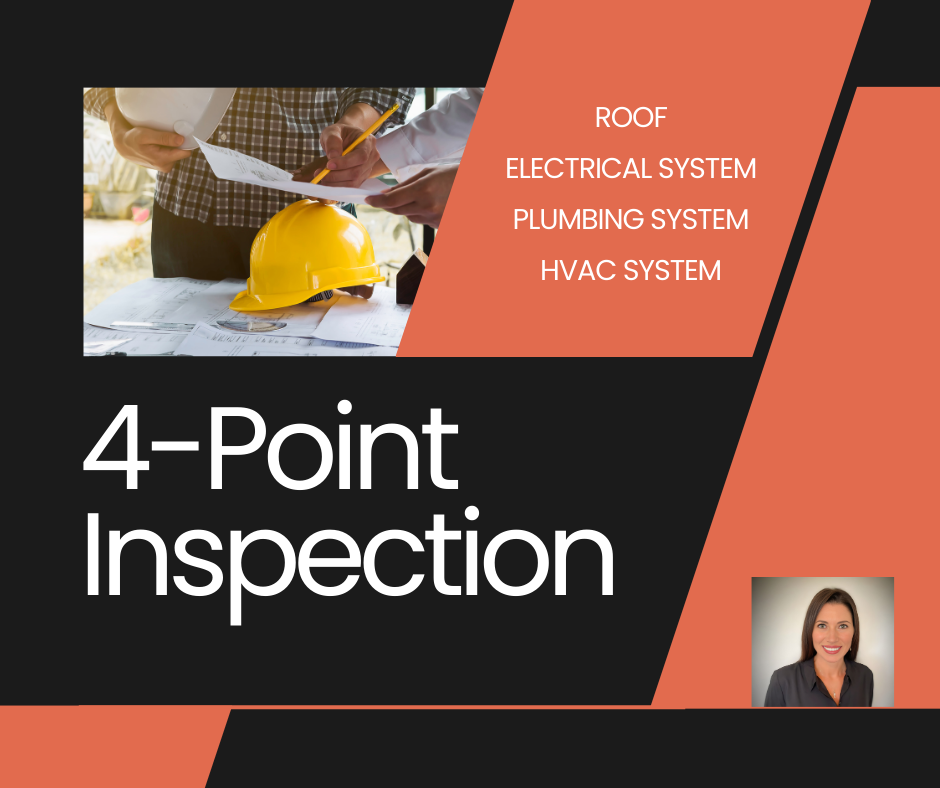
4-Point Inspection for Residential Homes
In Florida, a four-point inspection is a specialized assessment of four key systems in a residential property: the roof, electrical system, plumbing system, and HVAC (heating, ventilation, and air conditioning) system. This inspection is often required by insurance companies for homeowners seeking or renewing insurance policies, particularly for older homes.
Here’s why each component is assessed:
- Roof: The inspector evaluates the age, condition, and integrity of the roof covering material (such as shingles or tiles), signs of damage, and any areas of concern like leaks or missing shingles. Roofs are crucial for protecting the home from weather elements, and their condition affects insurance risk.
- Electrical System: This part of the inspection focuses on the electrical wiring, panel, and fixtures. The inspector looks for outdated wiring, overloaded circuits, faulty connections, and potential fire hazards. Ensuring the electrical system is up to code and safe reduces the risk of fire, which is a significant concern for insurance companies.
- Plumbing System: The plumbing inspection assesses the condition of pipes, fixtures, and water heaters. The inspector checks for leaks, corrosion, water pressure issues, and signs of water damage. A properly functioning plumbing system is essential for preventing water damage and maintaining the integrity of the home’s structure.
- HVAC System: The inspection of the heating, ventilation, and air conditioning system involves checking for proper installation, age, condition, and efficiency. Inspectors look for signs of wear and tear, malfunctioning components, and potential safety hazards. A well-maintained HVAC system ensures comfort and safety for occupants and reduces the risk of damage or accidents.
The importance of a four-point inspection for home insurance lies in risk assessment. Insurance companies need to understand the condition of these critical systems to determine the level of risk associated with insuring the property. Older homes, in particular, may have outdated or deteriorating systems, which could pose higher risks for insurance providers.
By requiring a four-point inspection, insurance companies can:
- Assess Risk: Inspectors provide detailed information about the condition of the home’s key systems, allowing insurance companies to assess the level of risk accurately.
- Prevent Claims: Identifying potential issues before they become major problems helps prevent costly insurance claims. For instance, discovering a leaky roof or faulty wiring early on allows homeowners to address these issues proactively, reducing the likelihood of future damage.
- Determine Premiums: The results of the inspection can influence insurance premiums. Homes with well-maintained systems may qualify for lower premiums, while those with significant issues may face higher costs or require repairs before coverage can be approved.
In summary, a four-point inspection in Florida is a vital tool for insurance underwriting, providing insurers with essential information about the condition of a home’s roof, electrical, plumbing, and HVAC systems. By identifying potential risks and ensuring the property meets safety standards, insurers can offer appropriate coverage and premiums while helping homeowners maintain a safe and secure living environment.
All 4-Point Inspection Forms must be completed and signed by a verifiable Florida-licensed inspector.
Contact me today for any real estate assistance you may need, including resources and referrals for home inspections. I am here to help!
Let’s start working together!
CONTACT ANNETTE

Annette Dammeyer, REALTOR®, ABR®, AHWD®
Coldwell Banker Realty
901 E Las Olas Blvd STE 101, Fort Lauderdale, FL 33301
808.747.3686
SL 3535792
Marketing Strategy

Marketing Strategy
A successful sale requires a successful plan.
Proven. Powerful. Personal.
If you are ready to market and sell your property, let’s make an appointment to discuss how to get it listed and sold. I am committed to my clients. Contact me if you are looking for a dedicated agent who will:
Let’s start working together!

Annette Dammeyer, REALTOR
Coldwell Banker Realty
901 E Las Olas Blvd STE 101, Fort Lauderdale, FL 33301
808.747.3686
SL 3535792
Have You Filed Your Homestead Exemption?
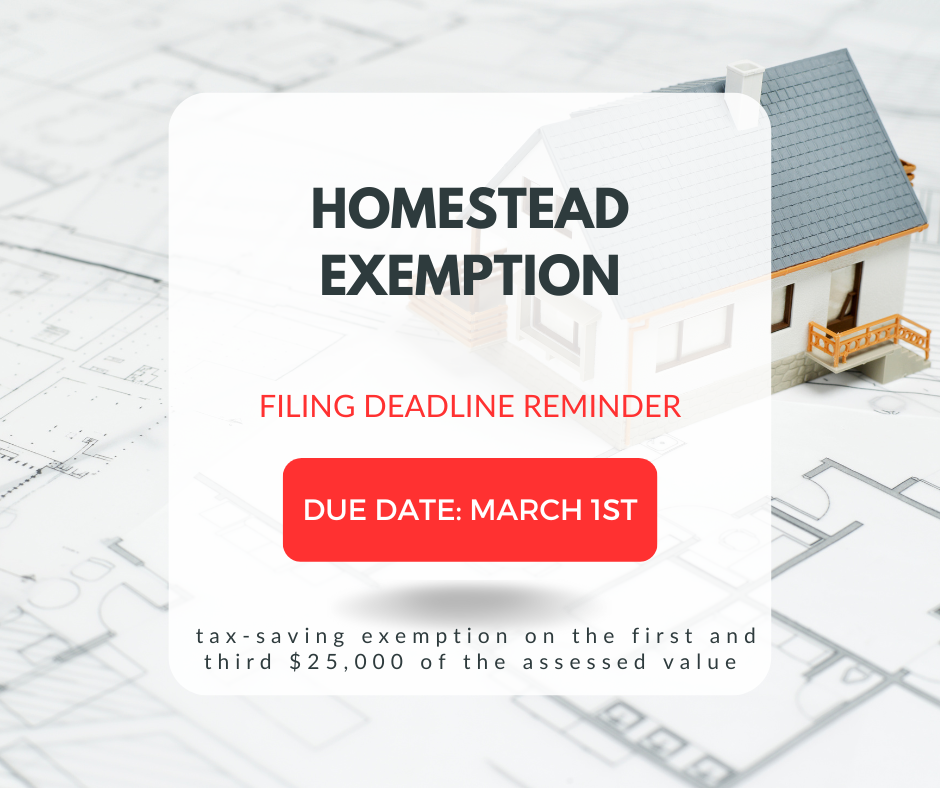
FLORIDA HOMESTEAD EXEMPTION
Due Date is March 1st, 2024
All legal Florida residents are eligible for a Homestead Exemption on their homes, condominiums, co-op apartments, and certain mobile home lots if they qualify. The Florida Constitution provides this tax-saving exemption on the first and third $25,000 of the assessed value of an owner/occupied residence. While a complicated formula is used to explain this — as the additional $25,000 only applies to the non-schools portion of your tax bill in annual tax savings for all homes with a value of $75,000 or higher. Savings depend upon your city’s millage rate
You are entitled to a Homestead Exemption if, as of January 1st, you have made the property your permanent home or the permanent home of a person who is legally or naturally dependent on you. By law, January 1 of each year is the date on which permanent residence is determined.
Broward County:
For additional information on Homestead and Other Exemptions and what you will need to apply for the exemption:
Marty Kiar, Broward County Property Appraiser
Online Homestead Application 2024
- Florida Tax Oversight
- The Property Tax System
- Contact a County Official
I love keeping my community informed! Please reach out to me for any real estate assistance you may need. I will continue to serve my clients with experience, integrity and dedication.

Annette Dammeyer, REALTOR
Coldwell Banker Realty
901 E Las Olas Blvd STE 101, Fort Lauderdale, FL 33301
808.747.3686
SL 3535792
2024 Home Improvement Projects That Will Pay Off
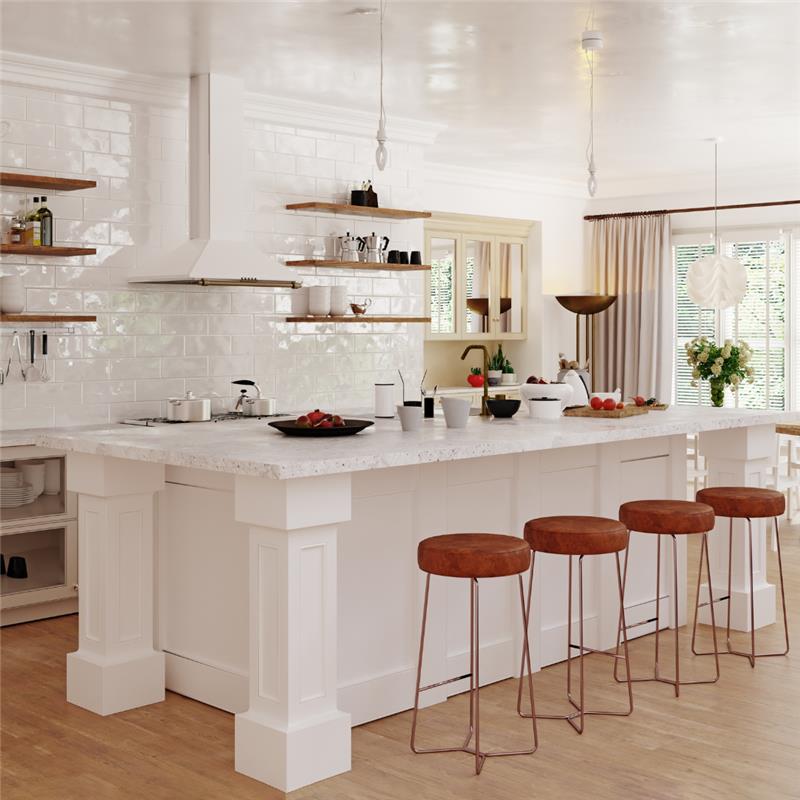
As 2024 approaches, consider boosting your home’s value with strategic improvements. Whether for resale or personal enjoyment, these projects can make a significant impact. 

Annette Dammeyer, REALTOR®Coldwell Banker Realty
901 E Las Olas Blvd STE 101, Fort Lauderdale, FL 33301
808.747.3686
SL 3535792
6 Home Security Tips Every Homeowner Should Know

Your home is a place you want to feel safe and secure from the outside world. Implementing simple security practices helps create a secure environment for your loved ones.
Annette Dammeyer, REALTOR
Coldwell Banker Realty
901 E Las Olas Blvd STE 101, Fort Lauderdale, FL 33301
808.747.3686
SL 3535792
June is National Homeownership Month!

June is National Homeownership Month!
Owning a home brings joy, belonging, and countless benefits to your life. From stability and personalization to building equity and creating a lasting legacy, homeownership is a game-changer. Join the celebration and discover why having a place to call your own is a dream worth achieving!
Annette Dammeyer, REALTOR
Coldwell Banker Realty
901 E Las Olas Blvd STE 101, Fort Lauderdale, FL 33301
808.747.3686
SL 3535792
Home Renovations Worth the Time and Effort
The right renovations won’t just make your space more comfortable to live in, they can also increase the overall value of your home. Curious about which home renovations experts say are worth the time and effort? I’ve got you covered!
🛁 Update an old-fashioned bathroom.
🚰 Upgrade the kitchen with modern appliances and finishes.
🏠 Preserve interesting architectural elements.
🛠️ Renovate an underused area of your home.
🌳 Create an outdoor oasis.
Annette Dammeyer, REALTOR
Coldwell Banker Realty
808.747.3686
SL 3535792
Your Home is Your Sanctuary! Fall maintenance tips to keep it safe and cozy.
Fall Home Maintenance Checklist
It may not feel like Fall in SE Florida yet, but it is still a great time to keep up on those seasonal maintenance tasks to keep your home in good condition and ready for the holidays. Preventative measures protect costly repairs in the future, while adding the enjoyment of your most valuable asset.
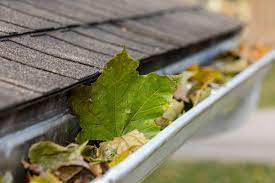
Clean Your Gutters
Your roof’s drainage system annually diverts thousands of gallons of water from your house’s exterior and foundation walls, so it’s vital to keep this system flowing smoothly. Clogged gutters can lead to damaged exterior surfaces. A worthy addition to your gutters are mesh gutter guards to keep debris from returning and clogging your gutters.
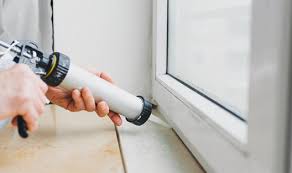
Seal Up Air Leaks
Gaps in caulk and weatherstripping let cold air into your warm home, and sealing up a drafty house can save up to 20% on your heating bills, according to the U.S. Department of Energy. Weatherstripping is easily the most cost-effective way to reduce heating and cooling costs. You can tell that your weatherstripping needs to be replaced if it looks warped, cracked, or otherwise deteriorated; if you can feel a draft around the edge of your window or door; or if you can see light around the edges of your door or window.
In addition to inspecting weatherstripping, check for missing or damaged caulk around windows, doors, and entry points for electrical, cable, phone, and gas. Seal any gaps with a suitable caulk. If drafts around windows persist, consider getting your windows replaced. Glass with multiple panes, spacers, or filler gasses (such as argon or krypton) will likely solve these problems. A professional can swap out your problem windows with more efficient models that will increase your level of comfort while decreasing your heating bills.
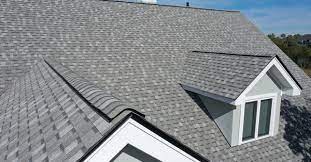
Inspect Your Roof
Here in SE Florida, roof integrity is extremely important.
- Look for Algae, Moss, or Piles of Leaves. Moss is especially dangerous because it soaks up rainwater like a sponge. The moisture can cause the wooden structure underneath your roof to mold and decay, which can compromise the structural integrity of your roof. Moss killer and/or elbow grease with a broom or brush can remove this algae.
- Look for Buckled or Curled Shingles. Misshapen shingles can compromise the integrity of your roof, letting in water and causing poor ventilation, so they should be replaced. If more than one-third of your shingles are curling during your roof inspection and repair process, it’s time to re-shingle the entire roof.
- Check for Damaged, Missing, or Old Shingles. Missing or damaged shingles can also let water seep through your roof. If you have wooden shingles or wood shake shingles, inspect them for signs of dry rot, either from the ground or from a ladder (don’t walk on a wooden shingle or shake roof). Asbestos, slate, or clay tile roofs can suffer from breakage, so look for cracked, chipped, broken, or altogether missing shingles. If you’re performing a metal roof inspection, check for signs of corrosion, rust, stress wrinkling, or other wear.
- Inspect the Roof Up Close. If you get on to your roof, look for damage to the flashings around the chimney, dormers, and vent pipes. (Flashings are the metal materials on your roof that redirect water.) Damaged or corroded flashings can let water into the interior structure of your roof and could contribute to rot in the structure of your roof and the walls of your home. If you see damage, you’ll probably need to replace the flashings.
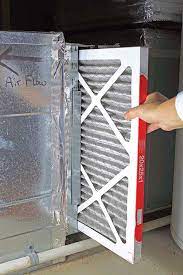
Replace Your Furnace Filter
Furnace filters trap dust that would otherwise be distributed throughout your home. Clogged filters make it harder to keep your home at a comfortable temperature, thus increasing your utility bills. Simple monthly cleaning is all it takes to keep these filters free of debris. Disposable filters can be vacuumed once before replacement. Foam filters can also be vacuumed, but they don’t need to be replaced unless they are damaged.
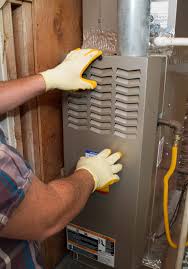
Give Your Furnace a Checkup
Once a year, it’s a good idea to have your heating system inspected by a professional. To avoid the last-minute rush, consider scheduling this task in early fall before the heating season begins. Here are signs that you should have an inspection performed sooner:
- Noisy belts: Unusual screeches or whines could be a signal that belts connected to the blower motor are worn or damaged.
- Poor performance: A heating system that doesn’t seem to work as well as it once did could be a sign of various problems. Your heating ducts might be blocked, the burners might be misadjusted, or the blower motor could be on its last legs. The first step, however, is to make sure your furnace filter is clean.
- Erratic behavior: This could be caused by a faulty thermostat or a misadjusted furnace.
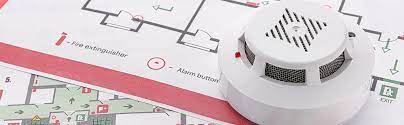
Review Emergency and Safety Features
- Smoke and carbon monoxide detectors: Replace the batteries in each smoke and carbon monoxide (CO) detector, then vacuum them with a soft brush attachment. Test the detectors by pressing the test button. If you haven’t already, install a smoke detector on every floor of your home.
- Fire extinguishers: Every home should have at least one fire extinguisher rated for all fire types (look for an A-B-C rating on the label). At a minimum, keep one near the kitchen; having one per floor isn’t a bad idea. Annually, check the indicator on the pressure gauge to make sure the extinguisher is charged. Make certain that the lock pin is intact and firmly in place, and check that the discharge nozzle is not clogged. Clean the extinguisher and check it for dents, scratches, and corrosion. Replace if the damage seems severe. Note: Fire extinguishers that are more than six years old should be replaced. Mark the date of purchase on the new unit with a permanent marker.
- Fire escape plans: Every bedroom should have two exit paths. Make sure windows aren’t blocked by furniture or other items. Ideally, each upper-floor bedroom should have a rope ladder near the window for emergency exits. Review what to do in case of fire, and arrange a safe meeting place for everyone away from the house.
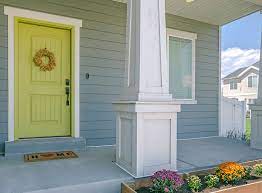
Touch Up the Exterior Paint on a Lovely Fall Day
Not only will it make your home look welcoming while adding curb appeal, touching up exterior paint will help protect its trim, flashing and siding from damage from the elements.
I hope these tips help you with your Fall home maintenance planning! As always, feel free to reach out to me with any of your real estate needs.
Annette Dammeyer, REALTOR®
Coldwell Banker Realty
808.747.3686
SL 3535792

RealVitalize® Program for Home Sellers

RealVitalize® Program for Home Sellers
The RealVitalize® program provides home sellers with home improvement resources during
the listing period, with no upfront costs or interest fees. The Before and After changes can sell your property!
Non-structural projects can be completed with RealVitalize®. This includes renovations or just the final touch-up services that makes a home show-ready. Examples of frequently requested services include:
• Staging
• Landscaping
• Carpeting and Flooring
• Cleaning
• Moving and Storage*
• Painting
• Room Renovations
• Plumbing
• Electrical Repairs
* Up to 3 months of storage is available. Domestic moving in the United States is covered.
All transactions must be completed before closing.
Services that are not included with RealVitalize® are projects deemed structural. These are
remodels that affect the overall square footage or integrity of the home, including:
• Building new walls or tearing down existing walls
• Building an addition to a home
• Adding an entirely new roof
• Digging an in-ground pool
This exciting program can help you make small changes that make a big impact to your home’s selling price. Whether it’s a fresh coat of paint or renovating your kitchen, we can help you boost your sale price. There’s no hidden fees or interest—and you don’t have to pay until your property sells. Contact me today to learn more about the RealVitalize® program.

If you are ready to sell your home, but need to spruce it up first, please contact me and I will happily provide you with more information on RealVitalize®, Coldwell Banker’s fantastic program for sellers. I am here to help!
Annette Dammeyer, REALTOR® ABR® AHWD®
Coldwell Banker Realty
901 E Las Olas Blvd Ste 101
Fort Lauderdale, FL 33301
808.747.3686
SL 3535792


